
Contents
- What customers tell friends may matter more than what they tell brands
- When AI is too dangerous, who gets to decide?
- Adobe brings AI assistants to Photoshop, Premiere, and Illustrator
- Adobe redesigns Firefly to remember creative context
- Pixi wants to turn messages into interactive AR experiences
- Midjourney steps beyond cat images into medical technology
- Users still want to turn off AI in Google Docs
- A new seat on SpaceX’s board reflects the appeal of large-scale tech deals
- Turn AI into a controlled workflow, not just a tool
- References
AI is moving from a “testing tool” to a “work infrastructure” across marketing, content creation, and business operations. As of mid-2026, the pattern for Vietnamese marketers is clear: the teams that combine data, creativity, and disciplined risk control — rather than chasing each new tool — will hold a much stronger competitive edge.
What customers tell friends may matter more than what they tell brands
MarTech highlights a very practical point in performance marketing: before writing headlines or optimizing ads, you need to understand what truly drives customers. In a context where ad platforms are increasingly automating targeting and bidding, the part marketers still control most is messaging and creative.

The article also suggests that creativity can play a major role in sales effectiveness, while reducing buyer anxiety often helps increase click-through rates and avoid wasted budget. This is an important reminder for marketing teams that are overly dependent on platform machine learning while overlooking real user insight.
Source: MarTech – “What customers tell friends that marketers miss”
When AI is too dangerous, who gets to decide?
The Verge AI shifts the story to AI policy and safety, centering on how a new model from Anthropic drew a response from the U.S. government just days after its public debut. The development shows that the AI race is not only about features or speed, but also about limits on control, export, and risk tolerance.

For businesses, the key point is not a single legal dispute, but the broader trend that AI models will face increasing scrutiny over security, misuse, and social impact. That forces brands to think carefully when choosing AI partners and building internal usage processes.
Source: The Verge AI – “Who decides when AI is too dangerous?”
Adobe brings AI assistants to Photoshop, Premiere, and Illustrator
The Verge reports that Adobe has begun rolling out AI assistants into familiar creative tools such as Photoshop, Premiere, and Illustrator in beta. This is notable because Adobe is not just adding generative features, but turning AI into a support layer throughout the workflow of designers and video editors.

For marketers, the practical impact is that asset production time could be shortened, from photo editing and video production to testing more creative variations within the same campaign. However, the advantage does not come from “having AI,” but from teams knowing how to standardize briefs, verify outputs, and maintain brand consistency.
Source: The Verge AI – “Photoshop and Premiere now have AI assistants”
Adobe redesigns Firefly to remember creative context
Read more: OpenAI Puts Ads Inside ChatGPT: Conversational Advertising Starts Now
Also from Adobe, The Verge says Firefly is being upgraded into an “AI studio” that can remember context, reuse assets, and organize workflows better. A standout feature is that users can name characters, objects, or settings so they can be reused without drifting from the original design.
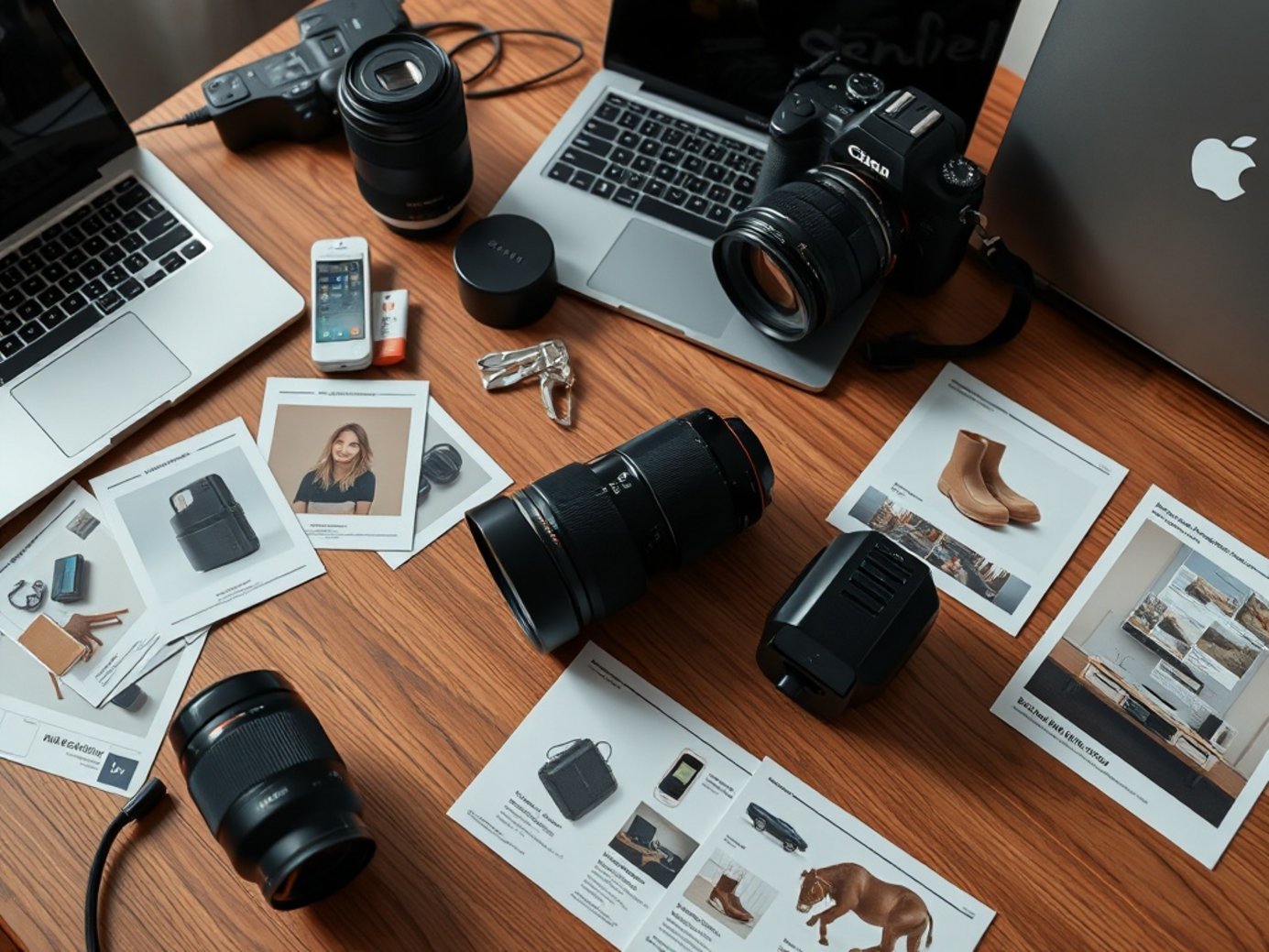
This reflects an important shift in creative AI: from “create fast” to “create with control.” For brands that need consistent identity across multiple channels, the ability to save context and reuse assets is far more useful than generating beautiful but disconnected visuals.
Source: The Verge AI – “Adobe’s redesigned AI studio remembers what your creations look like”
Pixi wants to turn messages into interactive AR experiences
TechCrunch reports that startup Pixi has launched an iOS app that lets users send AI-generated AR characters through iMessage. Instead of static stickers or GIFs, the content appears as a living entity in the real world, able to react to the recipient’s surroundings through the iPhone camera.

Pixi’s differentiator is combining AR with on-device AI processing to improve privacy and responsiveness. If users embrace the model, it opens a new way for brands to think about personalized interaction: not just as a message, but as an experience.
Read more: Google Puts Spam Policy Inside AI Answers, and the June Update Took Two Days
Source: TechCrunch AI – “Pixi’s new iOS app turns text messages into interactive AR experiences”
Midjourney steps beyond cat images into medical technology
The Verge notes that Midjourney is no longer associated only with mainstream creative imagery and has introduced its first hardware product: a full-body ultrasound scanning system. Although the company is famous for AI image generation, this pivot shows that many AI businesses are looking to expand into areas with higher application value.
From a marketing perspective, this is an example of how an AI tech brand can shift positioning very quickly when expanding its product line. The story of “from cat images to medical devices” also underscores that brand narrative must be flexible enough to keep pace with new product ambitions.
Source: The Verge AI – “Midjourney goes from generating cat images to full-body ultrasound scans”
Users still want to turn off AI in Google Docs
TechCrunch explains how to turn off the “write with Gemini” pop-ups in Google Docs, a small detail that clearly reflects how cautious users are about built-in AI. Not everyone wants an AI assistant constantly appearing in their workflow, especially when they need focus or want full control over documents.
Read more: Why AI Search and On-Device Assistants Redefine Marketing Visibility

This is a useful lesson for SaaS platforms and product teams: integrating AI does not mean it is automatically welcomed. Smart defaults must come with clear customization options, or the experience can backfire.
Source: TechCrunch AI – “How to turn off AI in your Google Docs”
A new seat on SpaceX’s board reflects the appeal of large-scale tech deals
TechCrunch reports that Roelof Botha has joined SpaceX’s board of directors as the company has just gone public after a record-breaking IPO. While this is not strictly an AI story, it shows that the high-tech ecosystem is still undergoing major restructuring, with capital and strategic power continuously shifting.

For marketers following AI and technology, changes at the board or valuation level often indirectly affect product priorities, expansion speed, and how companies invest in AI. These shifts are early indicators of the industry’s next strategic wave.
Source: TechCrunch AI – “Roelof Botha joins SpaceX’s board of directors”
Turn AI into a controlled workflow, not just a tool
The eight stories above show AI moving along three parallel tracks: accelerating content production, tightening safety requirements, and expanding into entirely new experiences. For Vietnamese businesses, this means the question should not only be “What can AI do?” but also “Which process can AI shorten, how does it protect data, and can it preserve brand identity?”
In the short term, marketing teams should prioritize three things: standardizing asset libraries for better reuse, setting rules for AI output review, and training teams to write clearer briefs instead of only learning how to prompt. Businesses that turn AI into a controlled process will benefit first, rather than chasing tool trends.
Explore more marketing analysis & guides at Marketing365.
Read more articles in the Digital Trends category.
This article focuses on the latest AI news with a perspective for the Vietnamese market.
References
- What customers tell friends that marketers miss
- Who decides when AI is too dangerous?
- Photoshop and Premiere now have AI assistants
- Adobe’s redesigned AI studio remembers what your creations look like
- Pixi’s new iOS app turns text messages into interactive AR experiences
- Midjourney goes from generating cat images to full-body ultrasound scans
- How to turn off AI in your Google Docs
- Roelof Botha joins SpaceX’s board of directors