
Contents
- TikTok Is “Flooded” With More AI Content Than YouTube, According to a New Report
- Google Says LLMS.txt Neither Helps Nor Hurts Rankings
- GSC Impressions Rise but Traffic Falls: Don’t Rush to Blame AI Overviews
- Google Confirms HTML Is Still the Standard for SEO, Not Markdown
- Does a Separate US Folder Structure Create an SEO Difference? Google Says Not Really
- Google Image Search Is Also Mixing Ads Into Organic Results
- Microsoft Advertising Launches Product Explorer for Product Catalogs
- Google Continues to Crush Misplaced Expectations About LLMS.txt and AI Search Files
- SEO is shifting toward system-level understanding, not just keyword optimization
- References
SEO continues to be a story of foundational change: as of July 2026, from how Google reads content, to how SERPs distribute traffic, to how AI is disrupting the content ecosystem on social media. For Vietnamese marketers, this series of updates directly affects content strategy, website structure, how performance is measured, and budget allocation between SEO, social, and paid media — so it should be read as a systems-level picture rather than a collection of isolated news items.
TikTok Is “Flooded” With More AI Content Than YouTube, According to a New Report
Search Engine Journal cites a report showing that TikTok has roughly 3 times more AI slop content than YouTube. The notable point is not just the number, but the signal it sends about the spread of fast, cheap, and hard-to-verify content on short-form video platforms.
For SEO, this is a reminder that “content volume” is no longer an advantage if quality, authenticity, and trustworthiness do not keep pace. When users are exposed to too much automated content, they tend to become more cautious about brands and look for sources with clear expertise.
Source: Search Engine Journal.
Google Says LLMS.txt Neither Helps Nor Hurts Rankings
Google continues to clarify its position: LLMS.txt files do not provide direct SEO benefits, nor do they harm rankings in Google Search. In other words, if a business creates these files for other purposes, that is fine — but do not expect them to be a “trick” for improving rankings.

The message here is very clear: Google prioritizes content and standardized signals that serve traditional search, rather than file formats designed for external AI ecosystems. This helps reduce the ambiguity around the “AI optimization standards” that have been widely discussed recently.
Source: Search Engine Roundtable.
GSC Impressions Rise but Traffic Falls: Don’t Rush to Blame AI Overviews
In its Ask an SEO section, Search Engine Journal raised a very practical question: why do impressions in Google Search Console rise sharply while traffic declines? The answer is not only AI Overviews. There are at least four groups of causes to consider: new content is starting to get indexed and appear more often; the SERP layout has changed; pages that are not truly relevant are still being shown; and SERP features are interfering.
This is something marketing teams often overlook when reading reports. Rising impressions are not necessarily a positive signal if the display position is not strong enough to drive clicks, or if the SERP has been “sliced up” by many other elements. From an SEO management perspective, you need to look deeper into each query, each page, and each type of display.
Source: Search Engine Journal.
Google Confirms HTML Is Still the Standard for SEO, Not Markdown
Read more: How the AI Wave Is Rewriting SEO — and What Marketers Must Change
In the Search Off the Record podcast, Google emphasized that HTML is the standard foundation for content discoverability and for handling SEO elements. Markdown may be useful in some internal content production workflows, but it does not provide a unique search advantage.

For content creators and website developers, this means not confusing “easy-to-write format” with “search-optimized format.” If the goal is indexability, visibility, and contextual understanding, HTML is still the foundation Google expects most.
Source: Search Engine Roundtable.
Does a Separate US Folder Structure Create an SEO Difference? Google Says Not Really
Google’s John Mueller said that separating a dedicated folder for the US market, such as /en-us/ versus /blog/, does not create a meaningful practical SEO difference. The main benefits of this structure lie in management, data analysis, and internal operations rather than rankings.

For brands with multi-market websites, this is an important reminder: do not get caught up in “architecture for SEO” if it does not serve user experience, content maintainability, or market positioning. The model that best fits the team and management system is what should be considered first.
Source: Search Engine Roundtable.
Read more: SEO Has Outgrown 'A Blog Is Enough': What Marketers Must Change
Google Image Search Is Also Mixing Ads Into Organic Results
Search Engine Roundtable reports that Google Image Search has long shown ads mixed into the displayed results, and this is drawing attention again. This reality reflects Google’s push toward a “search experience” model rather than a purely linear list of links.
What does this mean for SEO? Image content creators need to understand that organic opportunities are no longer clearly separated as they once were. Optimizing images, page context, structured data, and search intent becomes more important if you want to remain competitive on layered SERPs.
Source: Search Engine Roundtable.
Microsoft Advertising Launches Product Explorer for Product Catalogs
Microsoft Advertising has just introduced Product Explorer, a tool that lets advertisers view their product catalog in a searchable format, track which products are active, and receive suggestions for resolving issues when products run into problems.
Read more: Is Google Forcing SEO Into a System Game, Not Siloed Channels?
Although this is a paid media update, it is still worth noting for SEO and e-commerce professionals because the line between organic discovery and paid visibility is becoming increasingly close. As ad systems provide more catalog and performance data, marketing teams can coordinate product optimization, feeds, and landing pages more effectively.
Source: Search Engine Roundtable.
Google Continues to Crush Misplaced Expectations About LLMS.txt and AI Search Files
In another update, Google further clarified that LLMS.txt and similar files are not used to improve rankings in Google Search. The file may be useful for some other systems or services, but it is not a Google ranking signal.
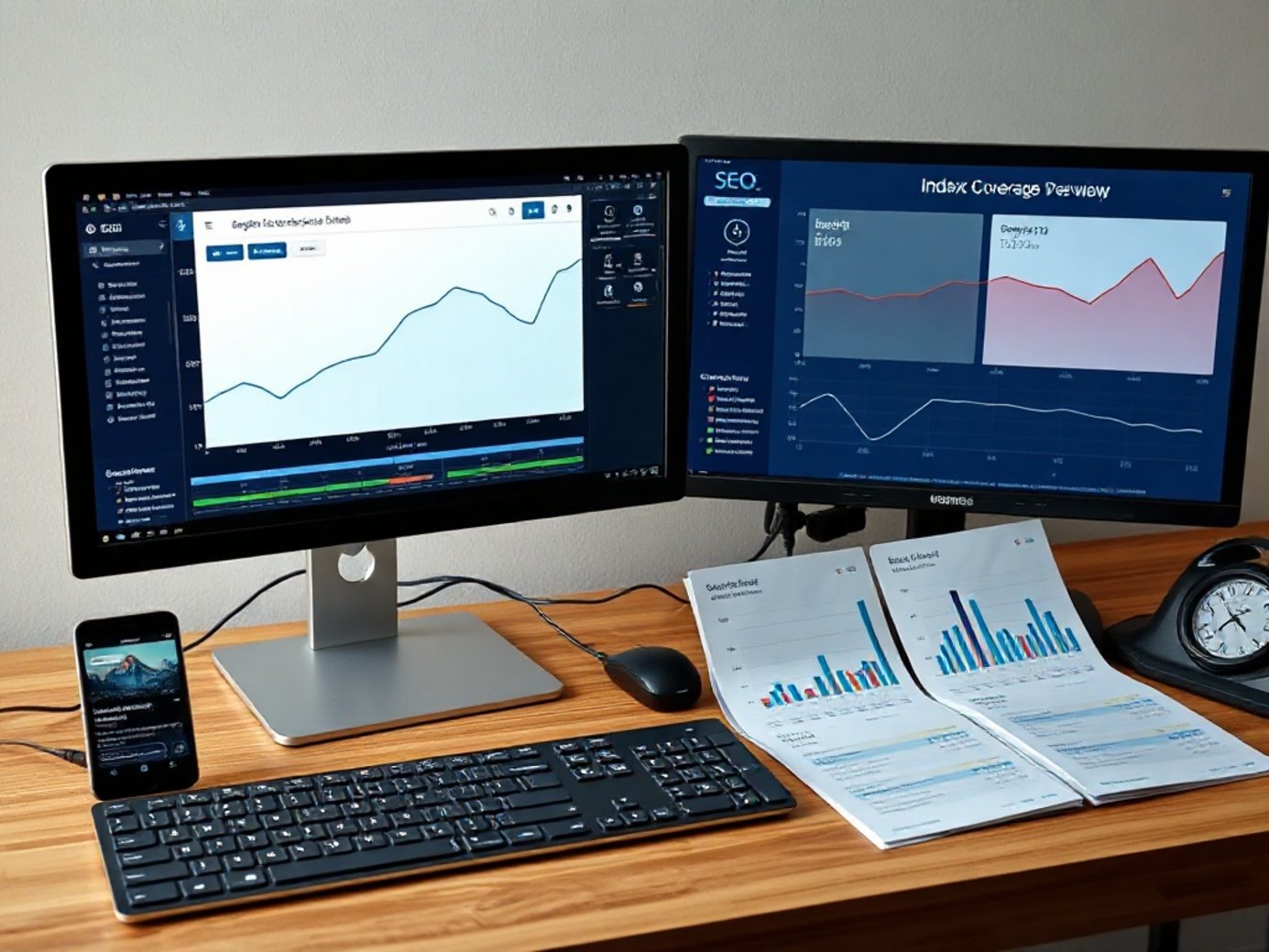
The consistent message from Google this time is: if you want to do SEO sustainably, prioritize well-structured HTML content, a good page experience, and real quality signals. “Trendy” files should only be seen as a supporting layer, not the core strategy.
Source: Search Engine Roundtable.
SEO is shifting toward system-level understanding, not just keyword optimization
For Vietnamese marketers, these updates show that SEO is shifting strongly into an era of “system reading” rather than just keyword optimization. Three priorities should be at the top right now: strengthen original content with real expertise; review how impressions, clicks, and SERP features are measured in GSC; and ensure the website still relies on HTML, clear information structure, and is easy to crawl and understand.
If your business operates across multiple markets or in e-commerce, review your URL structure, content segmentation, and the workflow connecting SEO with paid search, social, and content. In a context where AI-generated content is increasing rapidly, the competitive advantage does not come from publishing faster, but from creating information that is more trustworthy, more useful, and more provable.
Conclusion: These updates do not create a single “revolution,” but together they form a very clear picture: modern SEO needs a solid technical foundation, high-quality content, and the ability to read SERP signals correctly. Those who understand this early will find it easier to maintain an advantage in a rapidly changing search landscape.
See more marketing analysis and guides at Marketing365.
Follow more in-depth analyses from Marketing365.
Read more articles in the same category Digital Trends.
References
- TikTok Shows 3x More AI Slop Than YouTube, Report Finds
- Daily Search Forum Recap: June 16, 2026
- Why GSC Impressions Are Up But Traffic Is Falling: 4 Things To Consider First – Ask An SEO
- Google: HTML The Standard For SEO, Not Markdown Files
- Google: No Practical SEO Difference By Going With Folder For US Site
- Google Image Search Mixes Ads Within Organic Results Too
- New Microsoft Advertising Product Explorer
- Google: LLMS.txt Files Won’t Help Or Hurt Your Search Rankings