

Contents
For Vietnamese marketers, the story of AI in games is not just about whether a studio uses a model. It is showing a market that is beginning to price technology by how much control it offers, how explainable it is, and how safe it feels to buyers, rather than by how fast it can produce content. That matters because with the same tool, the way the market accepts or rejects it can completely change how a product is sold, how a brand is built, and how risk is managed.
In short, the developments around GTA 6 and 1666: Amsterdam show generative AI being pulled out of the “if it exists, it is new” zone and into the “should it be allowed?” zone. That is a notable signal for every marketing team using AI in content, asset production, or experience personalization.
- Key point:
- AI in games is being judged by user choice, not just by game makers’ productivity.
- Generative AI triggers a very different reaction from “AI” in general, because it touches fears of replacing people and blurs accountability.
- The costs of control, transparency, and handling public backlash can outweigh the benefits of testing the technology.
- In Vietnam, marketers should view AI as a governance and brand issue, not just a time-saving tool.
AI in games is changing how buyers assess risk and choice
Looking at international sources, the common thread is not AI itself but the market’s reaction when AI touches control. IGN reported that Rockstar said GTA 6 will have no microtransactions or generative AI at launch, and The Times of India also stressed the need to distinguish “AI in general” from generative AI, because the two concepts create very different levels of concern. When a developer has to publicly say it will not use generative AI, that shows the market has begun to treat choosing not to use AI as a product signal too. IGN / The Times of India
For marketers, this is an important shift: “using AI” is no longer automatically a communications advantage. If the technology makes buyers feel they have less choice, or they do not know how data and content are being created, the advantage can turn into suspicion. The game market is a clear example because products are often tied to emotion, community, and perceptions of creativity.
The control points in game AI are pushing brand costs higher
When AI is viewed through a control lens, businesses do not just pay tool costs. They also pay explanation costs, content review costs, community response costs, and brand protection costs. The 1666: Amsterdam case shows that generative AI material can be removed after criticism, and Patrice Désilets also acknowledged the issue and apologized; in other words, the risk is not in the algorithm, but in how the public interprets its use. Tech4Gamers
Generative AI: operational gains do not automatically offset perceived risk
Generative AI in games can help generate ideas, build assets, or speed up certain production stages. But the Tech4Gamers source shows that when the public reacts, operational benefits are not enough to protect the decision to use the technology on their own. The lesson for marketers is this: a tool may save time, but if it makes users question originality, transparency, or respect for creative labor, brand costs can rise very quickly. Tech4Gamers

Publicly saying “no generative AI” is product positioning, not an apology
Rockstar’s statement, as reported by IGN, shows that not using generative AI at launch can become a positioning point. It tells buyers that the product has clear boundaries around the creative process and quality control. For marketers, this is a positioning lesson: sometimes “not doing” a controversial thing creates a stronger signal than “doing it faster” or “doing more of it.” IGN

How Vietnam’s market will read game AI through trust and explainability
In Vietnam, the context will be even more pragmatic: users will not only ask whether a game looks better or is produced faster, but also whether the studio is replacing creative labor with machines, whether it is transparent with the community, and whether it is willing to take responsibility if the content causes backlash. For game brands, esports, entertainment platforms, or brands partnering with games, AI should not be communicated as a “new trick.” It should be framed around control, choice, and accountability.
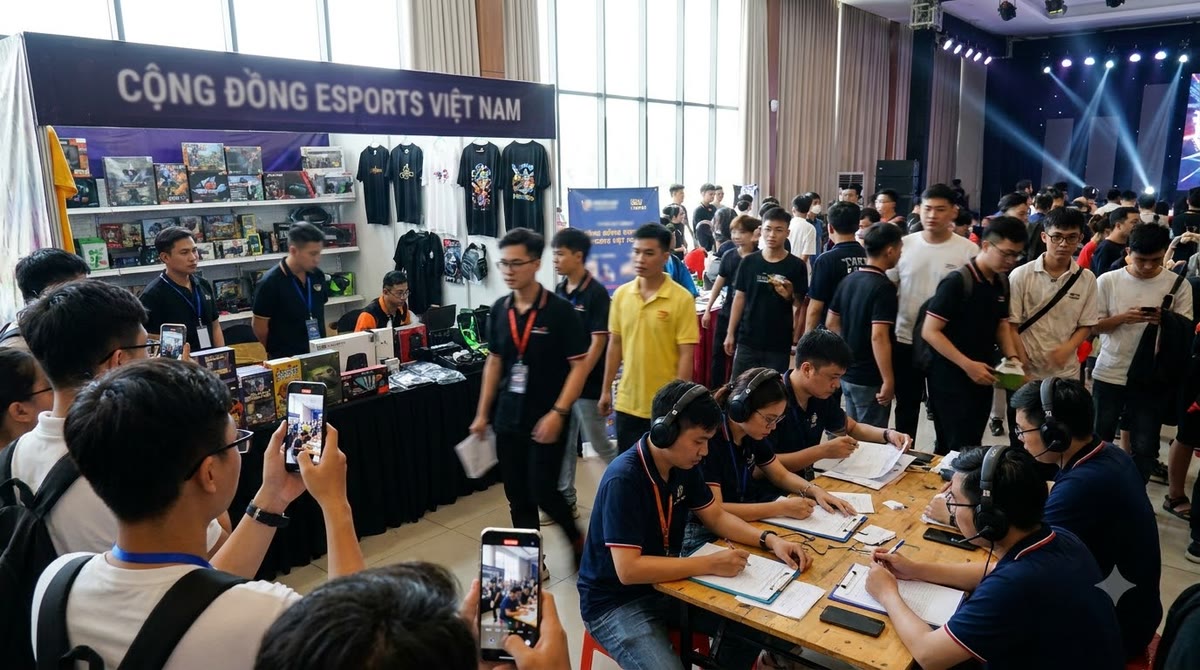
This is especially important for Vietnamese marketers working in content, social, or community. When users are already sensitive to the generative AI story, a campaign that only talks about production speed without clearly explaining moderation, permissions, and how creative contributions are credited can easily be read as “cutting costs at any price.” In the Vietnamese market, where brand trust is often built through community and direct feedback, that risk is not small.
So instead of asking “should we use AI or not,” the better question is “how far can we use AI while still preserving buyer control and viewer confidence?” That axis will determine whether AI becomes a quality-boosting tool or just another source of controversy.
What marketers should do before scaling AI in games
- Clearly define the boundary between AI assistance and generative AI in all communications materials, so users understand what the team is doing.
- Review the touchpoints most likely to trigger controversy: concept art, trailers, community content, feature descriptions, and crediting.
- Prepare a ready explanation if the public asks where the tool was used, why it was used, and who is ultimately responsible.
- In the Vietnamese market, prioritize testing AI in lower-risk stages before bringing it into areas that strongly affect creativity and brand perception.
See more marketing analysis and how-to guides at https://marketing365.vn.
Follow more analysis from Marketing365 to stay updated on the latest marketing trends.
Read more articles in the same category at Digital Trends.
Reference sources
- IGN — GTA 6 Will Have No Microtransactions or Generative AI at Launch, Rockstar Says
- The Times of India — No AI in GTA 6 actually means no generative AI, and there is a difference
- GameRant — GTA 6 Fans Spot Hidden Clair Obscur Easter Egg
- Tech4Gamers — Assassin’s Creed Creator Removes Gen AI Material From 1666: Amsterdam Following Criticism



