Contents
- Social media and meme marketing: content decision-making is gradually moving to the community
- Influencer spending is rising, but bargaining power is tilting toward strategic quality
- Message structure in social media: from reach to community reuse potential
- Social media in Vietnam: brands must learn to speak the local community’s voice
- What to do with social media so the brand keeps its bargaining power
- References
Social media is no longer a game of which brand posts more or looks better. As memes become the community’s natural language and the creator economy pulls brands into more authentic conversations, the power to decide which content spreads is shifting clearly. For Vietnamese marketers, the question is no longer “should we run social or not,” but “how do we make content speak the community’s language well enough for users to amplify it voluntarily.”
Key points:
- Meme marketing shows that social media has moved far beyond one-way advertising; content only survives when it fits the community context.
- Influencer marketing is driving global spending higher, but bigger budgets do not automatically mean greater bargaining power without a strategic foundation.
- For the Vietnamese market, the pressure is to preserve brand identity while still speaking in the local community’s voice.
- Marketers need to measure effectiveness by how much users accept the content, not just by reach or views.
Social media and meme marketing: content decision-making is gradually moving to the community
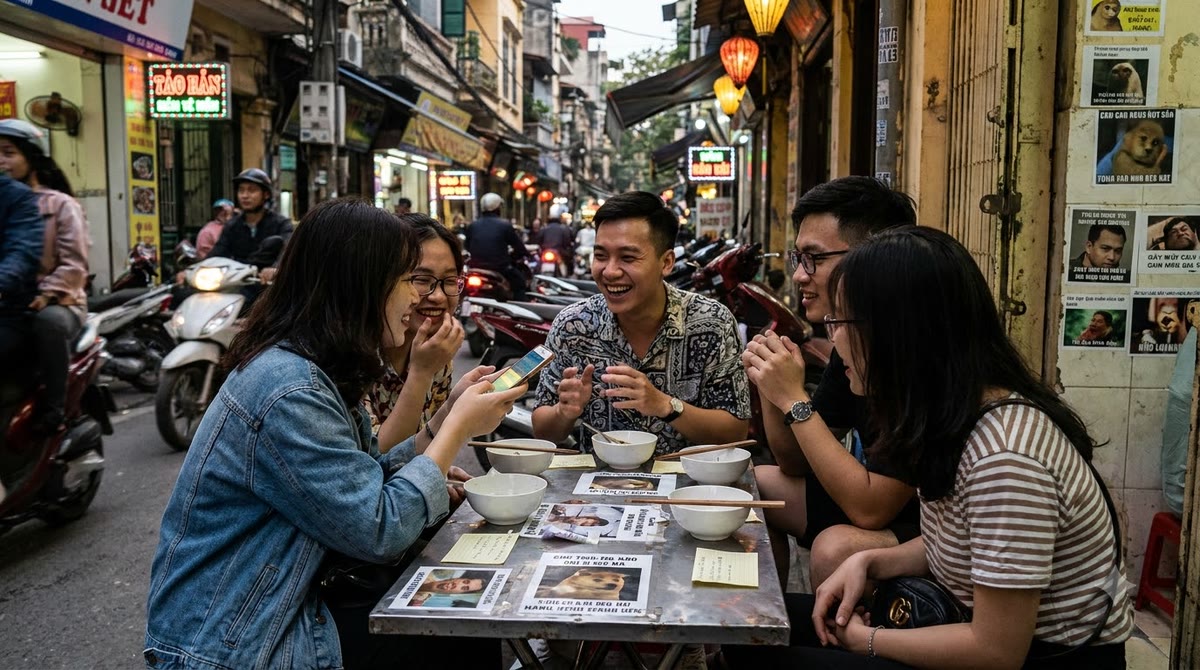
Two sources point in the same direction: social media no longer works well on the logic of broadcasting a one-way message, but on the logic that “the content the community recognizes, imitates, shares, and remixes is the content that truly lives.” MarkHub24 describes memes as a native internet culture not invented by the marketing department, while Influencer Marketing Hub stresses that brands often confuse tools with strategy, then chase what looks viral and forget the long-term foundation (MarkHub24; Influencer Marketing Hub).
What is notable is that meme marketing is not simply a joke for entertainment. It reflects a harder truth: on social media, the community can judge a brand’s tone almost instantly. If the content feels unnatural, it gets ignored. If it seems to be “trying too hard to be friendly,” it is easily mocked. That is why a brand’s bargaining power no longer lies in broadcasting better, but in understanding how the community is actually talking to itself.
From a strategic perspective, this is a shift from “the brand owns the channel” to “the brand needs the community’s permission to join the conversation.” That explains why a post does not need to be overly polished to outlast heavily produced content.
Influencer spending is rising, but bargaining power is tilting toward strategic quality
Influencer Marketing Hub says the global influencer marketing industry reached about 32.55 billion USD in 2025. That figure shows budgets are flowing strongly into creator partnerships, but it also reveals a paradox: the larger the market gets, the less likely it is that money alone can buy effectiveness (Influencer Marketing Hub).

The problem is that money can buy reach, but it cannot buy the fit between message, creator, and platform context. When marketers look at social media only as a place to increase exposure, a brand’s bargaining power often drops to a low level: a creator may deliver reach, but that does not guarantee the content truly connects with the community’s sharing behavior. By contrast, when a brand clearly defines what it wants users to remember it for, influencer partnerships become a lever, not a crutch.
This matters especially for Vietnamese marketers because many campaigns still get pulled into the question of “who has more followers,” when what really needs scrutiny is “can this creator speak the target audience’s language.” That mismatch is what makes social costs rise without a corresponding rise in perceived value.
Message structure in social media: from reach to community reuse potential
When memes enter brand strategy, what changes is not just the format. The first thing that changes is the evaluation standard. MarkHub24 emphasizes that memes are products of spread through imitation and variation; Influencer Marketing Hub warns that chasing virality without a strategic foundation will cause a campaign to break as soon as it faces disruption (MarkHub24; Influencer Marketing Hub).
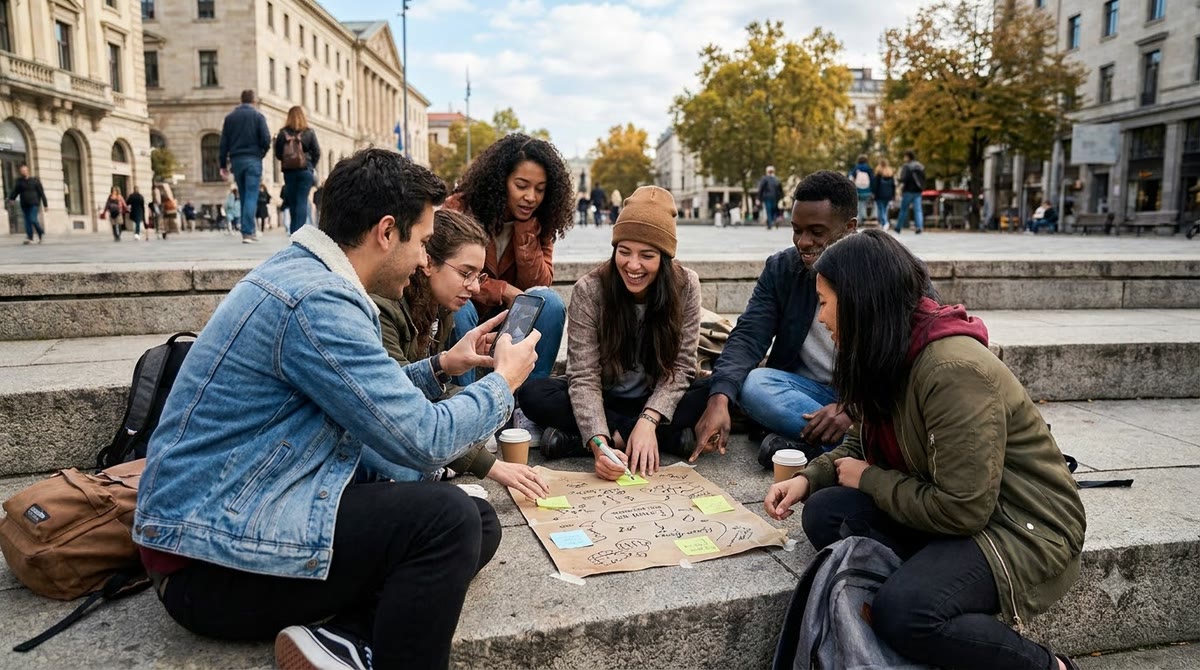
From there, the effectiveness question on social media is no longer “how many views does this post get,” but “can the community reuse this content in a way that benefits the brand.” That is a very different measurement standard. It forces the marketing team to look at cultural alignment, contextual fit, and even whether users can transform the content while still preserving the core message.
In other words, the brand does not just publish content. It needs to design content that is open enough for the community to see itself in it, but tight enough that the message does not dissolve into meaningless jokes. This is where social media breaks away from purely advertising thinking.
Social media in Vietnam: brands must learn to speak the local community’s voice
For the Vietnamese market, the challenge is even harder because social media is at once a place for entertainment, a place to find information, and a place where users check whether a brand “understands them.” A meme or creator content post can spread very quickly, but it can also trigger backlash if it uses the wrong context, the wrong tone, or tries too hard to ride a trend without staying natural. This matches MarkHub24’s warning that memes are the community’s native language, not a brand asset to be bent at will; it also matches Influencer Marketing Hub’s argument that tactics only work when they stand on a clear strategy (MarkHub24; Influencer Marketing Hub).
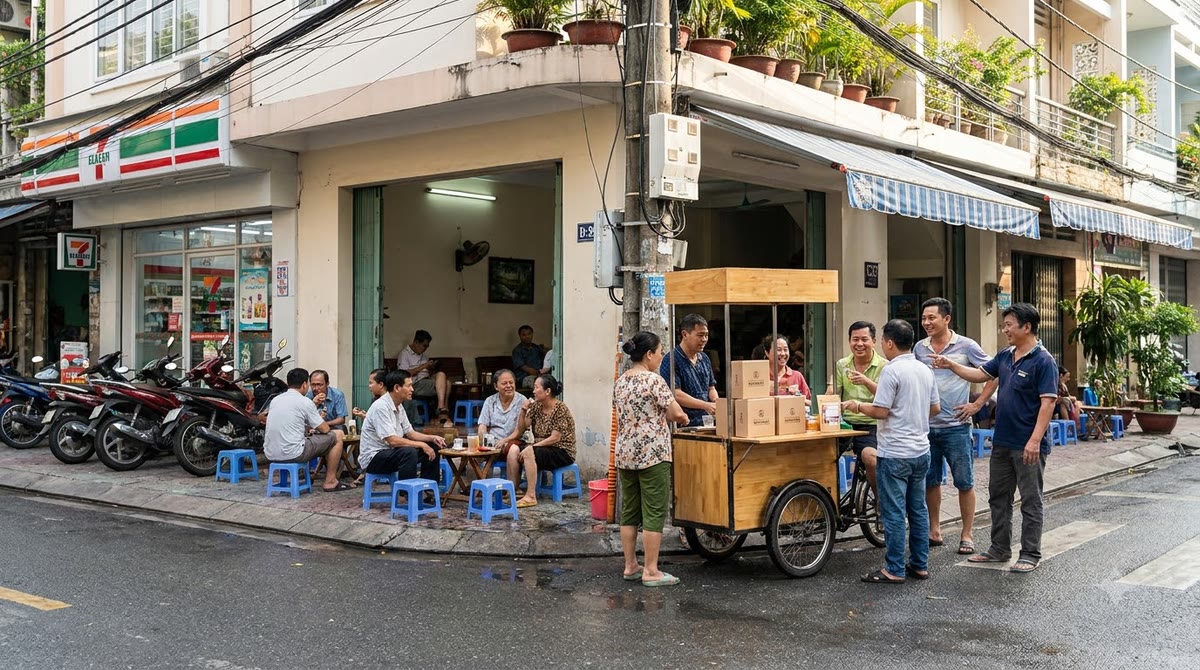
In practice in Vietnam, this means marketers should not simply copy a format from another market and expect it to run on its own. They need to understand which platforms the audience uses, what they are laughing at, and where the line is between interesting and offensive. In sectors with high sensitivity such as finance, education, or essential consumer goods, a tone mismatch can ruin an entire campaign even if production is highly polished.
So instead of asking “which trend is hot,” the question should be “which content helps the brand stand on the right side of the local conversation.” That is the real way social media creates long-term advantage in Vietnam.
What to do with social media so the brand keeps its bargaining power
- Build tone-of-voice rules for social content before thinking about meme formats or creator partnerships.
- Measure effectiveness by how often content is reused, mentioned, and accepted by the community, not just by reach.
- Choose influencers based on contextual fit and audience fit, not just follower count.
- Test small, learn fast, then expand budgets only for content types that show strong community signals.
In short, social media is shifting bargaining power from brands to communities. Marketers who understand this will worry less about “going viral at any cost” and focus on something harder but more durable: content that can live in the users’ language.
See more marketing analysis and how-to guides at https://marketing365.vn.
Follow more analysis from Marketing365 to stay updated on the latest marketing trends.
Read more articles in the Digital Trends category.
References
- MarkHub24 — Meme Marketing: How Internet Culture Became a Brand Strategy
- Influencer Marketing Hub — Where Social Media Marketing Ends and Brand Strategy Begins