
Contents
- Google brings spam policy into AI Answers: the anti-manipulation game gets harder
- The June spam update finished in just about two days
- Bruce Clay has died: SEO loses a pioneering icon
- The “invisible” gap for AI agents is becoming a real technical issue
- Claude is becoming a more useful content audit tool for SEO
- GEO and the question of paid brand mentions: when AI starts “hearing” money
- SEO Pulse: Google tightens AI manipulation, track volatility instead of jumping to conclusions
- The paid media angle alongside SEO: LinkedIn Ads are not cheap, but may align more closely with B2B intent
- SEO must make systems understand and trust it
- References
By July 2026, SEO is being pulled toward a new center of gravity: Google is extending its spam enforcement into AI-generated answers, and the practical question is shifting from “can we rank” to “can machines understand, cite, and trust our content.” Sites leaning on JavaScript-heavy rendering, unverified PR, or bought brand mentions face rising risk, while disciplined teams that standardize HTML, strengthen original reporting, and align SEO with PR and paid media under one data logic stand to gain.
Google brings spam policy into AI Answers: the anti-manipulation game gets harder
Google is rolling out its June 2026 spam update, and notably, enforcement now extends to AI-generated answers in Search. According to Search Engine Journal, Google considers deliberately “manipulating generative AI responses” a violation of spam policy, while research from Cornell Tech shows that older blocking mechanisms are not always effective when AI relies on community content, third-party comments, or other retrieval signals.
The key point for SEO is this: the line between optimization and manipulation is being tightened further by Google. Tactics aimed at AI Overviews or AI Mode are no longer a gray area if they try to steer citations or deceive the system. In other words, “getting AI to mention your brand” will increasingly have to be based on real quality, not short-term intervention tactics. Source
The June spam update finished in just about two days
Search Engine Roundtable reported that the Google June 2026 Spam Update began on 24/6 and finished on 26/6, lasting only about two days. Google described it as a “normal” spam update, applied to all languages and regions, but feedback from the SEO community suggests the impact may have been broader than a typical spam update.

For SEO teams, the familiar but always necessary message is not to jump to conclusions while the rollout is still unstable. When Google changes how it identifies spam, ranking volatility can arrive quickly, but the cause must be analyzed more carefully. Websites relying on short-term optimization tactics, content bait, or spammy link signals should pay especially close attention to performance over the next few days. Source
Bruce Clay has died: SEO loses a pioneering icon
Bruce Clay, widely known as the “father of SEO,” passed away at the end of May. The news was confirmed by Bruce Clay, Inc. on LinkedIn, highlighting his more than three decades of contributions to helping SEO grow into a professional field with clearer knowledge, resources, and standards.

This is not only sad news for the search community, but also a chance to look back at a period when SEO was built on education, systems thinking, and professionalism. For today’s marketers, Bruce Clay’s legacy is a reminder that sustainable SEO always starts with foundational knowledge and respect for users, rather than simply chasing algorithm changes. Source
The “invisible” gap for AI agents is becoming a real technical issue
A study cited by Search Engine Journal found that 36% of 274 homepage pages from the world’s leading fintech companies provide less than 80% of homepage content in raw HTML. That means when an AI agent visits a page before deciding whether to fully render it in a browser, it may miss important parts of the content.

The notable point is that the debate is no longer just “can Googlebot read it,” but has moved to “can automated readers and AI agents see it.” For websites heavily dependent on client-side JavaScript, the risk is not only speed or UX, but also being judged by machines as lacking information. Optimizing structure, independent rendering, and placing core information in HTML remain fundamental issues. Source
Claude is becoming a more useful content audit tool for SEO
Search Engine Land suggests 6 content audit workflows that can be built in Claude, from reviewing a single article to creating a repeatable evaluation system. The practical approach is to start small: audit one page, refine the prompt, then gradually develop a reusable set of “skills” to check topic gaps, outdated content, brand tone, and search intent alignment.

The value of AI in SEO right now is not replacing editors, but reducing heavy, repetitive work. For small content teams, this is a worthwhile direction for speeding up content audits while still maintaining editorial standards and brand consistency. Source
GEO and the question of paid brand mentions: when AI starts “hearing” money
Read more: SEO in the AI Era: Why Being Understood and Trusted Now Matters More Than Ranking
An analysis on Search Engine Land raises a hot issue in GEO: if a brand is mentioned in content extracted or summarized by AI, where is the line between a trust signal and a paid mention? As AI increasingly favors sources that appear trustworthy when generating recommendations, buying brand mentions can distort evaluation signals and create transparency risks.

For SEO and PR professionals, this is a reminder that brand reach should not be measured only by how many times it is mentioned. More important are context, source credibility, and topical relevance. If mentions are “bought” to influence AI output, short-term gains may come with long-term reputation costs. Source
SEO Pulse: Google tightens AI manipulation, track volatility instead of jumping to conclusions
In Search Engine Journal’s SEO Pulse, the repeated message is that changes related to spam policy and AI surfaces are directly affecting how Google evaluates content. Behaviors such as buying, editing, or manipulating citations for AI answers have now been placed under the same policy framework as traditional forms of spam.

The practical implication is clear: while an update is still rolling out, SEO teams should focus on tracking volatility patterns by page group, query type, and content format rather than reacting emotionally. Patience, data collection, and cluster-based analysis will be far more useful than making sweeping changes immediately. Source
The paid media angle alongside SEO: LinkedIn Ads are not cheap, but may align more closely with B2B intent
Search Engine Land published an analysis of CPC from more than $700,000 in LinkedIn Ads spend, showing that LinkedIn’s average CPC is $11.12, higher than Google Ads at $5.45. However, when comparing campaigns targeting B2B buyers with clear intent, the gap narrows significantly: non-branded Google Search averages $12.48 CPC, while equivalent LinkedIn prospecting is $13.94.
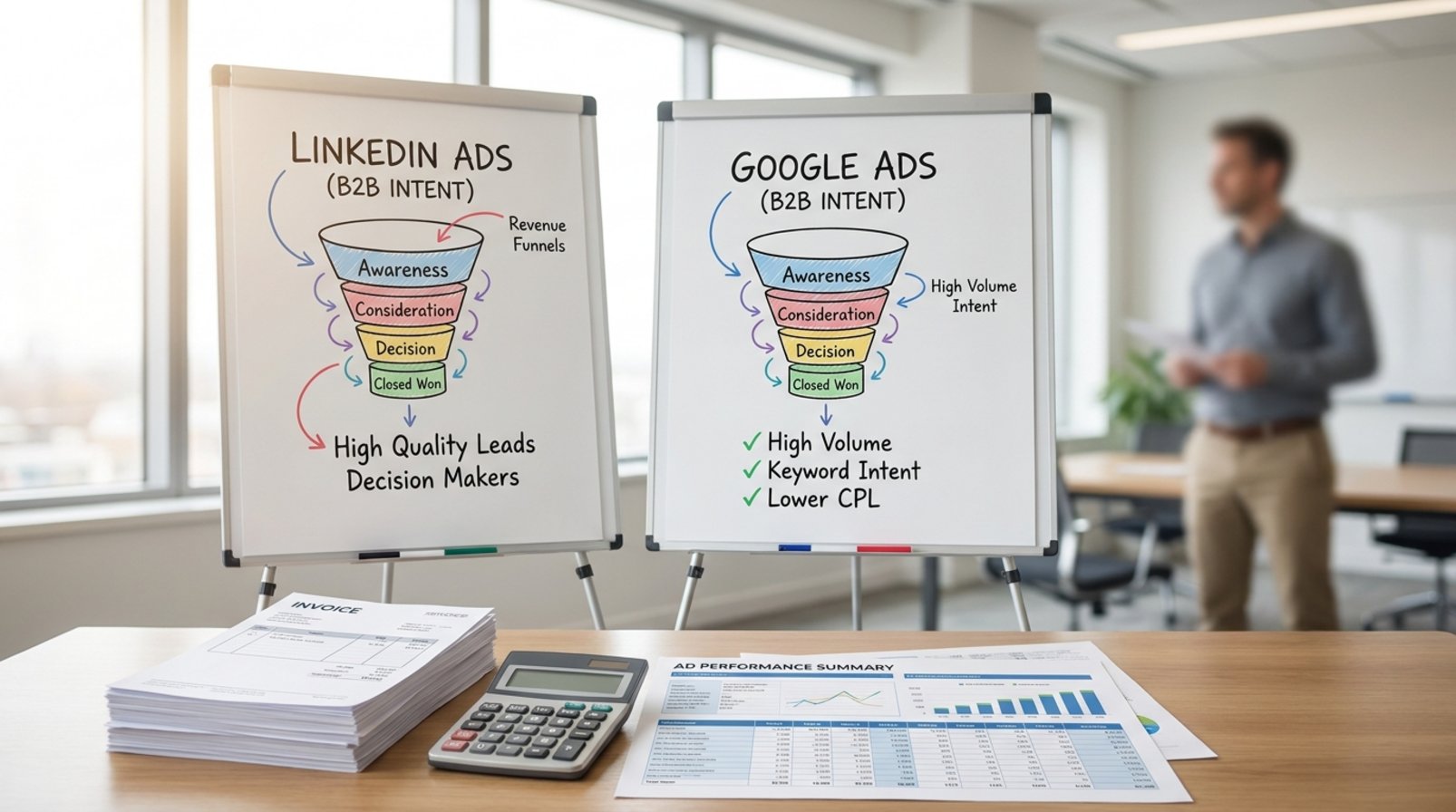
For SEO, this is a notable signal because many marketing teams separate organic and paid too rigidly. In reality, budget allocation should follow the search journey and purchase readiness. If SEO helps create demand and paid media supports conversion, reading CPC by campaign group will provide a more complete view of communications effectiveness. Source
SEO must make systems understand and trust it
For Vietnamese businesses, this week’s news shows SEO shifting from “optimizing to rank” to “optimizing to be understood and trusted by systems.” Websites heavily dependent on JavaScript, PR content without verification, or shortcut tactics to create brand mentions may face greater risks as Google expands anti-spam enforcement to AI surfaces.

On the other hand, this is an opportunity for disciplined content teams: standardize HTML, improve original information quality, build controlled AI-assisted content audit workflows, and align SEO with PR/paid media under the same data logic. As AI search develops rapidly, the advantage will belong to brands with strong technical foundations, trustworthy content, and a clear long-term strategy.
Explore more marketing analysis and playbooks at Marketing365.
Read more articles in the same category Digital Trends.
This article focuses on SEO news with a perspective for the Vietnamese market.
References
- Google’s Spam Update Now Reaches AI Answers. Enforcement Is Hard
- 6 content audit workflows to build in Claude
- The Industry Mourns The Loss Of Bruce Clay: The Father Of SEO
- A Third Of Fintech Is Invisible To AI Agents
- Google June 2026 Spam Update Has Finished Rolling Out
- The paid brand mention problem in GEO
- Google Spam Update Rolls Out, AI Manipulation In Scope – SEO Pulse
- LinkedIn Ads CPC benchmarks: How costs compare with Google Ads