
Contents
- Google renames NotebookLM: a signal to review bot blocking
- AI Notebook may crawl broader content, but not always deliver referrals
- Google talks about “clicks from AI Search” but still hasn’t published full data
- Changes around Google Search continue to pile up in the SEO community
- Google StoreBot documentation updated, revisiting product page access
- Bing tests a black magnifying glass icon in the search box
- SEO must shift from ranking top to protecting content assets against AI Search
- Other notable developments: from PPC to product AI
- The big trend: SEO is entering an “AI-first but still infrastructure-controlled” phase
- Review robots.txt and firewall rules before the old bot name dies
- References
As of July 2026, the global SEO landscape continues to revolve around two major forces: Google pushing ahead with AI experiences, and websites needing to adapt faster to how bots, user-agents, and content are being used by new systems. For Vietnamese marketers, this is not just about Google or Bing technology, but a direct signal of how content is collected, displayed, and turned into traffic as AI search becomes more common.
Key points
- Google updated the user-agent name related to NotebookLM, showing that site owners need to review bot-blocking settings and crawl rules.
- AI search is entering a stage of “having numbers but lacking detailed data,” making click measurement and SEO performance harder to track.
- Bing continues testing search interfaces, while the broader search ecosystem is still seeing many technical changes from Google.
- For the Vietnamese market, now is the time to review robots.txt, firewalls, tracking, and how to optimize content for both traditional search and AI.
Google renames NotebookLM: a signal to review bot blocking
According to Search Engine Journal and Search Engine Roundtable, Google has updated its list of user-triggered fetchers to reflect the renaming of Google Notebook to Google-GeminiNotebook. The notable point is that any websites that previously hardcoded the old user-agent in robots.txt or access-filtering systems now have only a few weeks of buffer before the old name stops working in August 2026.
From a technical SEO perspective, this change is a reminder of a familiar reality: as soon as Google renames a bot or user-agent, hardcoded allow/block rules can break. For site owners, especially large content publishing systems, now is the time to check firewalls, .htaccess, robots.txt, and any crawl-control layers that depend on a specific user-agent string.
Source: Search Engine Journal, Search Engine Roundtable.
AI Notebook may crawl broader content, but not always deliver referrals
A Search Engine Journal article says Gemini Notebook’s Discover Sources feature can scan online articles by topic or by a user-specified query, pull up to ten sources, and then generate an AI summary. The issue is that this mechanism does not create referrals for the original website, while its output can also be repurposed into an audio podcast or video explainer for use elsewhere.

This is a familiar concern for digital publishers: original content can be repackaged into a new product without proper attribution or a return traffic stream. For content SEO marketers, the lesson is not only to block bots, but also to increase brand value, data exclusivity, expert perspective, and E-E-A-T signals so the original content has a reason to be cited rather than merely summarized.
Source: Search Engine Journal.
Google talks about “clicks from AI Search” but still hasn’t published full data
Search Engine Journal reports that Google has started sharing a number related to clicks from AI Search, but the underlying data needed to verify it has not yet been fully published. This is the kind of information that is both useful and controversial: the SEO industry gets a new indicator, but still lacks the detailed picture needed to understand exactly how AI Search is affecting traffic.

For SEO professionals, this highlights the gap between “seeing a number” and “analyzing a data source.” As AI Overviews, AI Mode, and automated answer layers increasingly shape search behavior, content performance tracking will need to rely more on combined data from Search Console, analytics, log files, conversions, and on-site behavior rather than a single click metric.
Source: Search Engine Journal.
Changes around Google Search continue to pile up in the SEO community
Search Engine Roundtable’s July 17, 2026 roundup shows the search community tracking a wide range of change signals: from ranking volatility and updates related to Google Images and AI Overviews, to technical updates across multiple Google products. Even when there is no official confirmation, the repeated appearance of such signals often makes the SEO market more cautious.

The practical takeaway for marketers is to avoid overreacting to every short-term buzz, but also not to ignore repeated signals across multiple sources. Recording fluctuations and comparing them by industry and landing page will be far more useful than looking only at the market as a whole.
Source: Search Engine Roundtable.
Google StoreBot documentation updated, revisiting product page access
Search Engine Roundtable reports that Google has updated its help documentation related to StoreBot and access to product pages in stores. For e-commerce websites, this is not something to overlook, because Google’s bot does not just read content; it also needs access to product structure, display data, and technical elements that support the shopping experience.
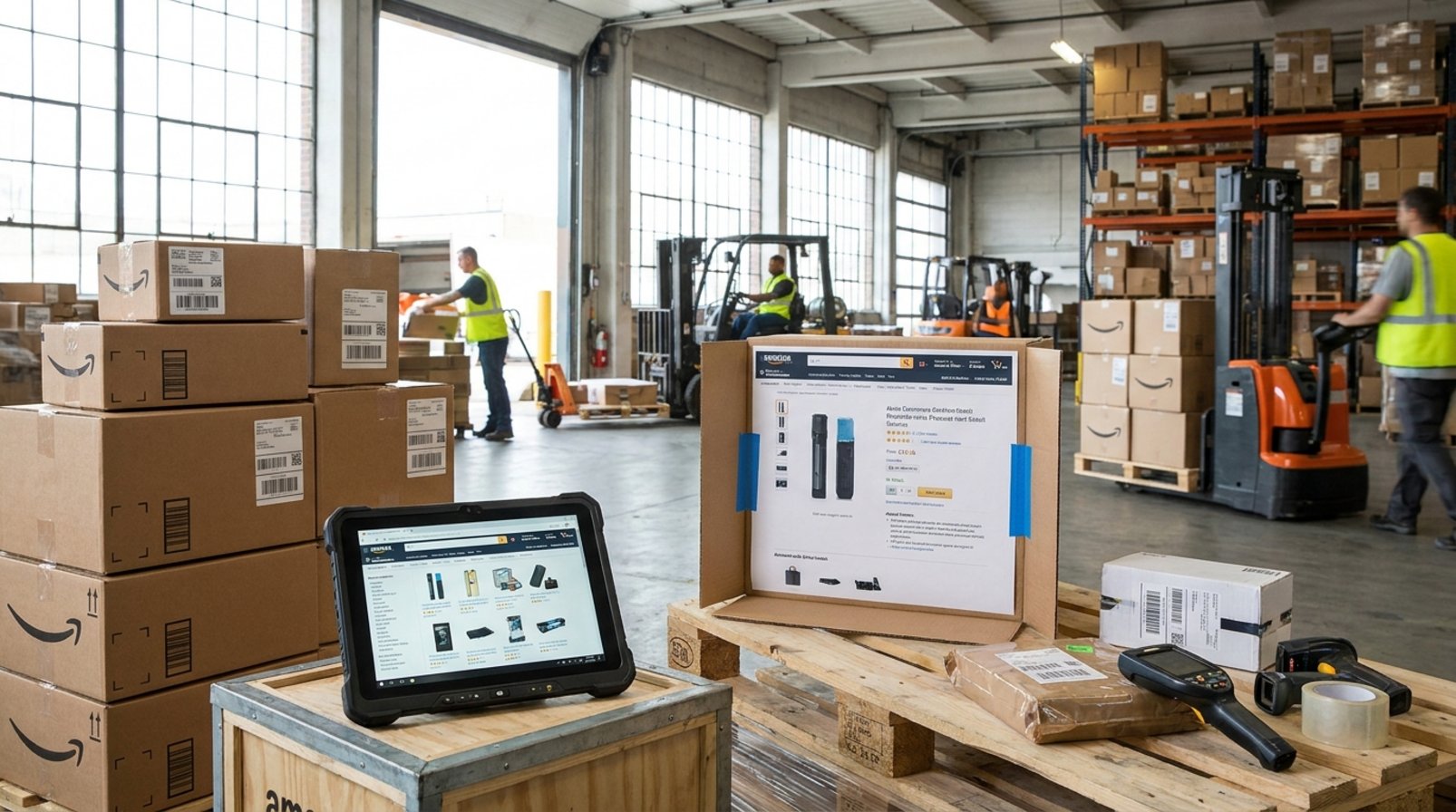
In e-commerce SEO practice, many issues do not come from weak content but from the technical layer: accidental crawl blocking, slow-loading product pages, late-rendered content, or scripts that make it difficult for Google to read data. The documentation update is a reminder that retail sites should recheck bot accessibility, especially on pages with pricing, variants, stock, and promotional information.
Source: Search Engine Roundtable.
Bing tests a black magnifying glass icon in the search box
Search Engine Roundtable noted that Microsoft Bing is testing a black magnifying glass icon instead of the familiar gray/black outline icon in the search bar. This test may seem small at first glance, but it shows that search platforms are continuously refining their interfaces to optimize recognition and user experience.

For SEO professionals, UI changes can indirectly affect search behavior and how users interact with results. While they do not create immediate impact like algorithm changes, interface tests are a sign that the search engine race is expanding into visual experience and user retention.
Source: Search Engine Roundtable.
SEO must shift from ranking top to protecting content assets against AI Search
The common thread in this week’s news is that SEO is no longer just about keywords, links, or rankings. As Google renames bots, AI systems can crawl and summarize content, and clicks from AI Search remain only partially transparent, Vietnamese businesses need to shift from a “create content to rank” mindset to “build content assets that can be discovered, measured, and protected.”

The three priorities now are: review robots.txt, firewalls, and bot-blocking rules; check the accessibility of product pages and core content; and build a dedicated measurement framework for organic traffic in the AI search era. For news sites, e-commerce, or B2B websites, now is the time to invest more heavily in genuinely expert content, proprietary data, and brand identity to reduce the risk of being replaced by AI summaries.
Other notable developments: from PPC to product AI
In the same stream of news this week, Search Engine Roundtable also recorded several other changes across the search and advertising ecosystem, while Search Engine Journal reflected additional signals about Google’s AI products. On the advertising side, PPC Hero highlighted a very practical lesson: to improve B2B leads, marketers should tap into how sales teams actually talk to customers to build keywords, headlines, and messaging.

Although this is not purely SEO news, it is still valuable for search professionals because the boundaries between SEO, content, and paid media are becoming increasingly blurred. Teams that make good use of sales feedback, CRM data, and query signals will usually create content that better matches real user search intent.
Source: PPC Hero, Search Engine Journal, Search Engine Roundtable.
The big trend: SEO is entering an “AI-first but still infrastructure-controlled” phase
Looking more broadly, this week’s reports show that modern SEO now has to solve two problems at once: adapting to AI search and maintaining control over content infrastructure. On one hand, websites must be high-quality enough to be chosen as a source by AI; on the other, site owners must be able to properly identify, limit, or allow the systems that collect and reuse content.

This is why technical SEO, content strategy, and brand authority can no longer be separated. Brands that invest early in structured data, log monitoring, author branding, and user experience will have more opportunities in the new search environment, where a single click is no longer the only measure of value.
Source: Compiled from Search Engine Journal, Search Engine Roundtable, PPC Hero, and the sources listed.
Review robots.txt and firewall rules before the old bot name dies
- Review robots.txt, .htaccess, firewalls, and any allow/block rule tied to a user-agent string before the old name stops working in August 2026.
- Check bot access to product pages — pricing, variants, stock, promotions — especially for e-commerce sites (mind StoreBot).
- Build a dedicated organic-traffic measurement stack using Search Console, log files, analytics, and conversions rather than a single click metric from AI Search.
- Invest in genuinely expert content, proprietary data, and E-E-A-T signals to reduce the risk of no-referral AI summarization.
- Tap the sales feedback loop to build keywords, headlines, and messaging shared across SEO and paid.
Overall, SEO is entering an “AI-first but still infrastructure-controlled” phase. For Vietnamese marketers, those who invest early in structured data, measurement, and content branding will keep their traffic even when a single click is no longer the only measure of value.
See more marketing news and guides at https://marketing365.vn.
Follow more updates from Marketing365 to stay on top of the latest marketing trends.
Read more articles in the same category Digital Trends.
This article focuses on the latest SEO news with a perspective for the Vietnamese market.
References
- Google NotebookLM Rebrand May Expose Your Site To More AI Scraping
- Google Puts A Number On AI Search Clicks, Without The Data
- Netflix says live events bolster ads but affect viewer engagement
- Daily Search Forum Recap: July 17, 2026
- Campaign Trail: Yeti spells out consumer passions with four-letter words
- Google Renamed NotebookLM Useragent To Google-GeminiNotebook
- Google StoreBot Accessibility Issues Help Document Updated
- Bing Tests Black Magnifying Glass Icon In Search Bar
- Using the Sales Feedback Loop to Improve B2B PPC Leads – PPC Hero
- Google Delays Gemini 3.5 Pro Over Coding Issues: Report



