Contents
- AI shifts from a technology story to hands-on communications capability
- Practical machine learning training is becoming a new competitive advantage
- Gender bias in AI reminds the communications industry to check data and outputs carefully
- AI enters professional sports as an explanatory and user-support tool
- Howard University is pushing AI literacy to turn a new tool into a widely accessible capability
- As AI becomes an operating standard, brands must tighten control processes
- References
As of mid-2026, several signals across AI and social media — from hands-on machine-learning training to warnings about gender bias in AI outputs — point to the same shift: AI is moving from a technology talking point to a practical communications capability. For marketers, that raises a clear task: build real AI skills while checking data and outputs before they reach audiences.
AI shifts from a technology story to hands-on communications capability
Sources from Florida International University show that experts at the university are ready to share perspectives on AI and emerging technologies, spanning cybersecurity, AI tools for healthcare, machine learning in business, and the social and ethical impacts of technology. This reflects a familiar reality for marketers: AI is no longer just a topic for technical teams, but a story about brand governance, data, and user trust.
For marketers, the key issue is not whether to use AI, but how organizations will use AI to accelerate content production while ensuring information security and message accuracy. Source: FIU.
Practical machine learning training is becoming a new competitive advantage
At Penn State, 13 students took part in a two-week summer research program focused on hands-on experience with machine learning in an applied AI environment. The university also places this activity within a broader multi-year AI transformation initiative aimed at improving AI skills for students, faculty, and staff.
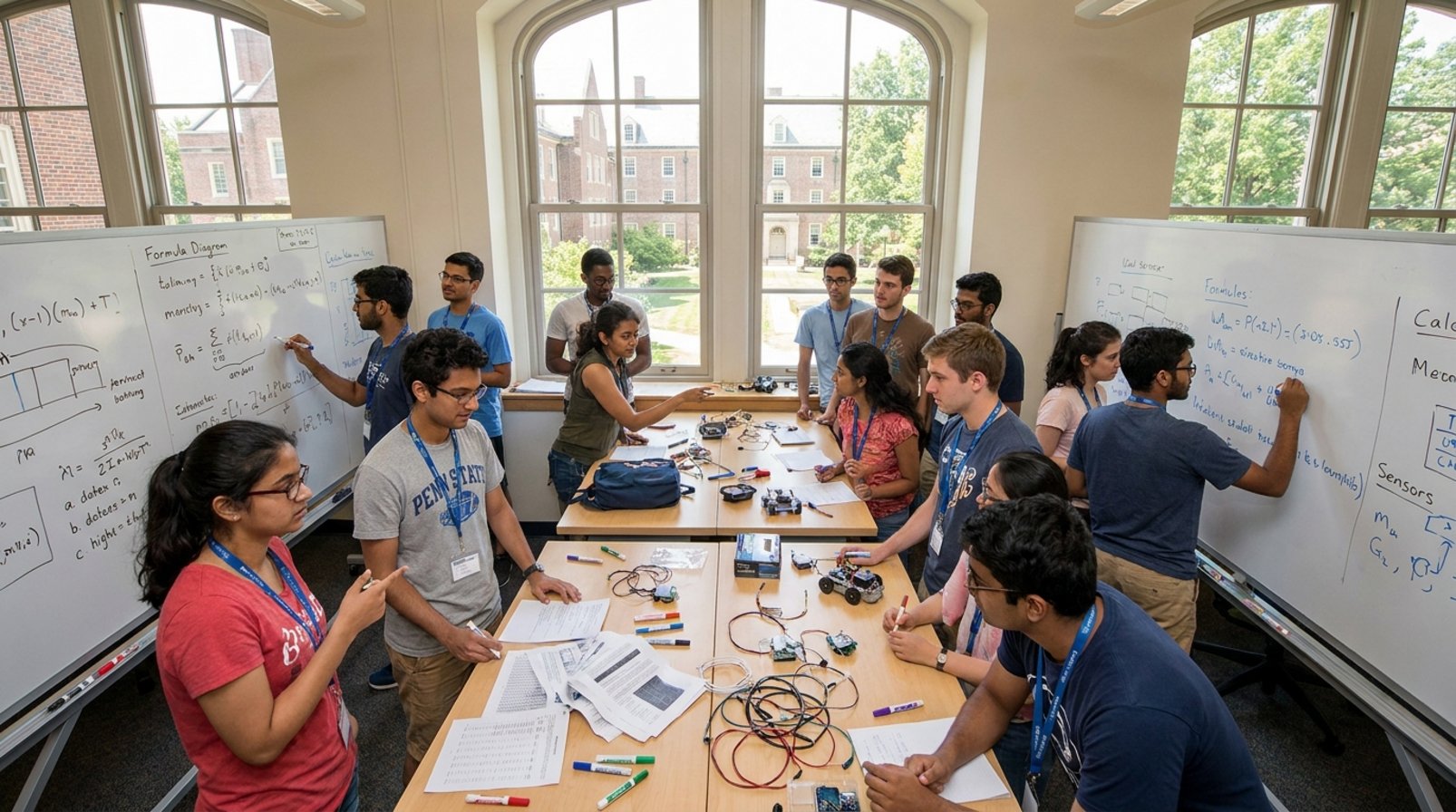
The message here is clear: the labor market does not just need people who “know what AI is,” but people who can turn AI into a tool for solving specific problems. For marketing, this aligns with the need for talent who understand data, can read signals from digital platforms, and can optimize content, campaigns, segmentation, or workflow automation. Source: Penn State.
Gender bias in AI reminds the communications industry to check data and outputs carefully
UN News cites a warning from UN Women that many AI systems still reproduce gender bias and even racial bias. A study mentioned in the article found that 44% of 133 AI systems showed signs of gender bias, and more than a quarter showed both gender and racial bias.

This is especially important for marketers, because generative AI is often used to write content, generate ideas, analyze audiences, or support visual creation. If the input data and output controls are not strict enough, a brand may unintentionally reinforce gender stereotypes, reduce campaign credibility, or create an avoidable communications crisis. Source: UN News/UN Women.
AI enters professional sports as an explanatory and user-support tool
At this year’s U.S. Open, AI was brought into the tournament experience through USGA’s Rules AI tool, helping players get faster answers about golf rules and helping fans follow matches more easily. USGA emphasizes that the goal of the tool is to meet users where they need help, rather than forcing them to search through complex information on their own.

Read more: AI as an Operational Capability: What Remote Roles and Coding Agents Mean for Marketers
For social media professionals, this is a classic example of AI being designed as a layer that “interprets” the experience, not just a back-end feature. Content platforms, event brands, and sports media can all learn from this approach: use AI to narrow the gap between information and the audience, especially in contexts that demand speed, clarity, and accuracy. Source: NBC News.
Howard University is pushing AI literacy to turn a new tool into a widely accessible capability
Howard University says the School of Engineering and Architecture is rolling out the AI Tinkery workshop series to build responsible, practical AI use among students, faculty, and staff. Led by Howard doctoral researcher Prioleau, the initiative focuses on “demystifying” AI from foundational concepts to specific applications.
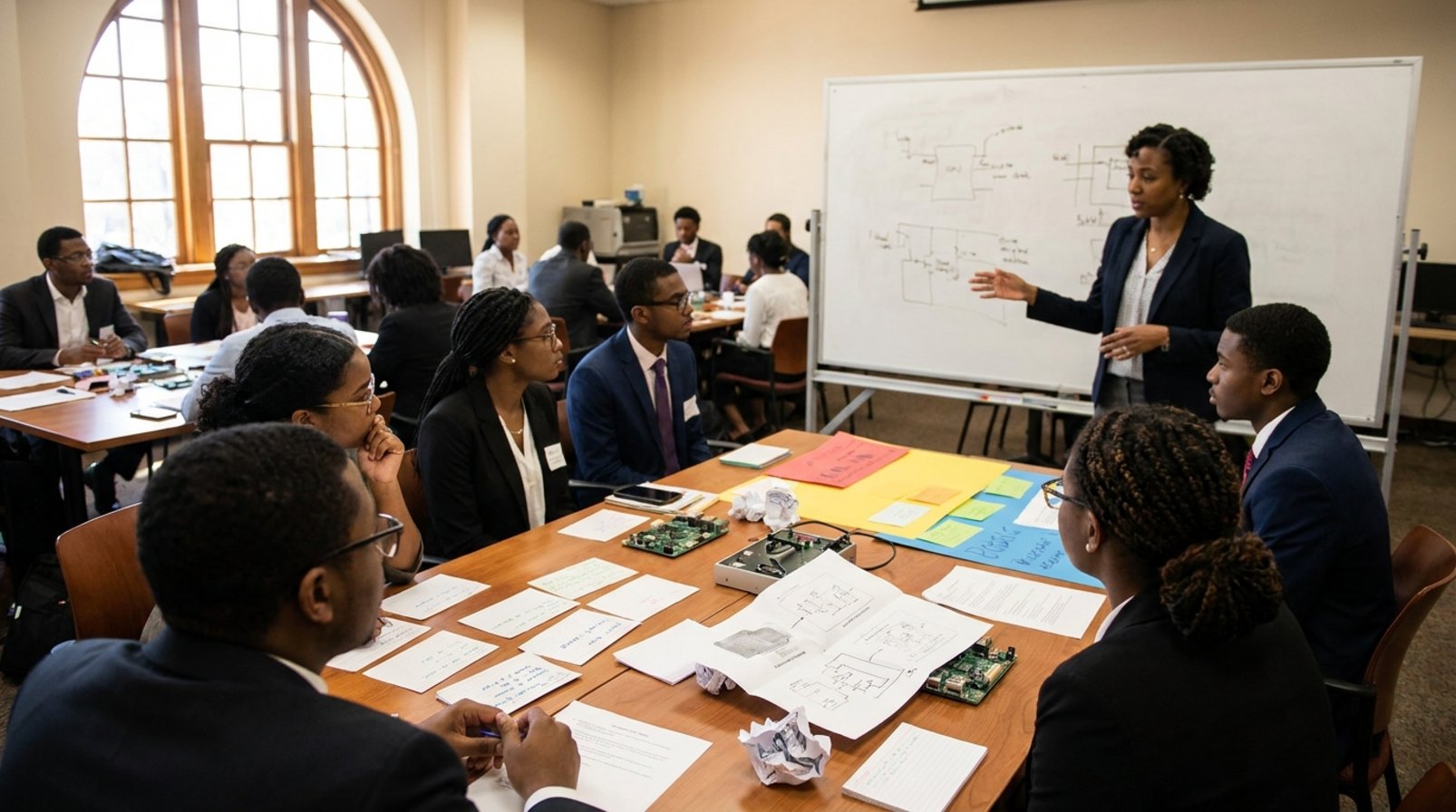
The value of this approach lies in its focus on AI literacy, meaning the ability to understand, evaluate, and use AI for the right purpose. For marketing teams, this is a reminder that equipping staff with AI should not stop at a few content-generation tools, but should include an ongoing training program in data thinking, fact-checking, and the ethics of technology use. Source: Howard University.
As AI becomes an operating standard, brands must tighten control processes
These five signals show AI moving from “experimentation” to “operating standard” in digital communications. For Vietnamese businesses, the challenge is not only using AI to work faster, but also establishing quality-control processes, avoiding bias, and protecting brand reputation.

In an increasingly competitive social media landscape, brands should prioritize three things: training teams in AI literacy; building review processes for AI-assisted content; and choosing AI applications that create real value for users rather than simply chasing technological hype. Only then can AI truly become a lever for communications effectiveness, rather than a new source of risk.
Explore more marketing analysis & guides at Marketing365.
Read more articles in the same category Digital Trends.
This article focuses on AI and social media with a perspective for the Vietnamese market.
References
- FIU experts are available to speak on artificial intelligence and emerging technology
- Undergrads gain hands-on machine learning experience in summer program
- AI is getting women wrong as gender bias persists, data reveals
- AI takes center stage at this year’s U.S. Open, helping fans follow the action and golfers navigate the rules
- Demystifying AI: The College of Engineering and Architecture’s AI Tinkery Series Advances Practical AI Fluency