

Nội dung
Artificial intelligence is increasingly seen as a new “lever” in vaccine research, especially in fields with extremely large and complex biological data such as virology, immunology, and antigen design. For Vietnamese marketers following technology and healthcare, this story is not just science news: it shows AI moving from supporting content creation to supporting decision-making in industries that demand high precision.
From research on a broad coronavirus vaccine to partnerships between pharmaceutical companies and AI firms, the picture outlined by CIDRAP suggests that vaccinology may be entering a new phase, where machine learning helps shorten trial-and-error loops, reduce costs, and expand predictive capabilities.
AI Is Changing Vaccine Design from the Earliest Stages
According to CIDRAP, immunologist Lbachir BenMohamed (University of California, Irvine) used AI to develop a broad coronavirus vaccine candidate capable of activating T cells to eliminate the virus. What stands out is that this approach does not target a single strain, but rather aims at viruses in the coronavirus family, including SARS-CoV-2, MERS-CoV, and SARS-CoV.
BenMohamed believes that if a new coronavirus pandemic emerges in the future, the wait for a vaccine could be much shorter than during the COVID-19 period. He now expects clinical trials to begin early next year for a long COVID therapy based on this discovery. If the results are promising, the work could be transformed into a vaccine platform for future outbreaks.
The core point here is that AI is not just “automating” an existing process; it is helping scientists identify subtle immune patterns that are difficult for humans to detect through traditional observation.
Machine Learning Helps Read Immune Data at Scale
In the article, CIDRAP emphasizes that machine learning is the branch of AI that vaccinology has only recently begun to exploit properly. This technology can analyze indicators such as where antibodies bind to receptors, or how long it takes B cells to produce antibodies, thereby uncovering complex patterns in the immune system.
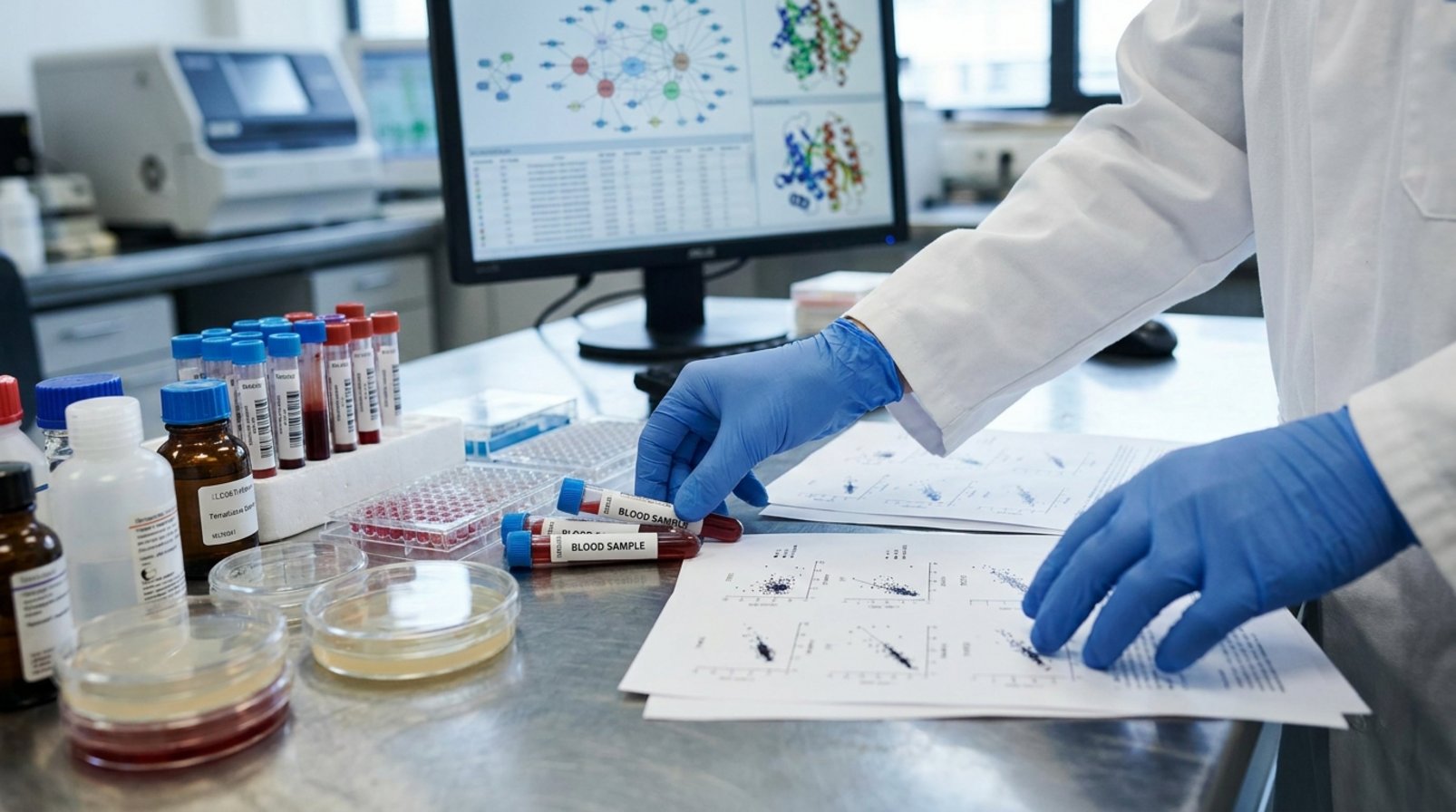
With datasets that are too large and contain too many layers of variables, this kind of analysis goes beyond what humans can handle manually. In other words, AI is acting as an intelligent filter, helping researchers spot meaningful signals earlier instead of working through a long series of time-consuming hypotheses.
This is especially important as pathogens can mutate rapidly and the need for flexible vaccine design continues to grow. If AI helps identify the right immune target from the start, the entire development chain that follows can become shorter and less wasteful.
“Fail Faster” to Save R&D Costs
CIDRAP cites a 2025 report from the U.S. Department of Health and Human Services (HHS) showing that the average cost of bringing a new vaccine to the U.S. market is $886.8 million. This figure shows why AI is expected to become a strategic tool in pharmaceutical research: if weak options can be eliminated early, companies can significantly reduce both costs and time.
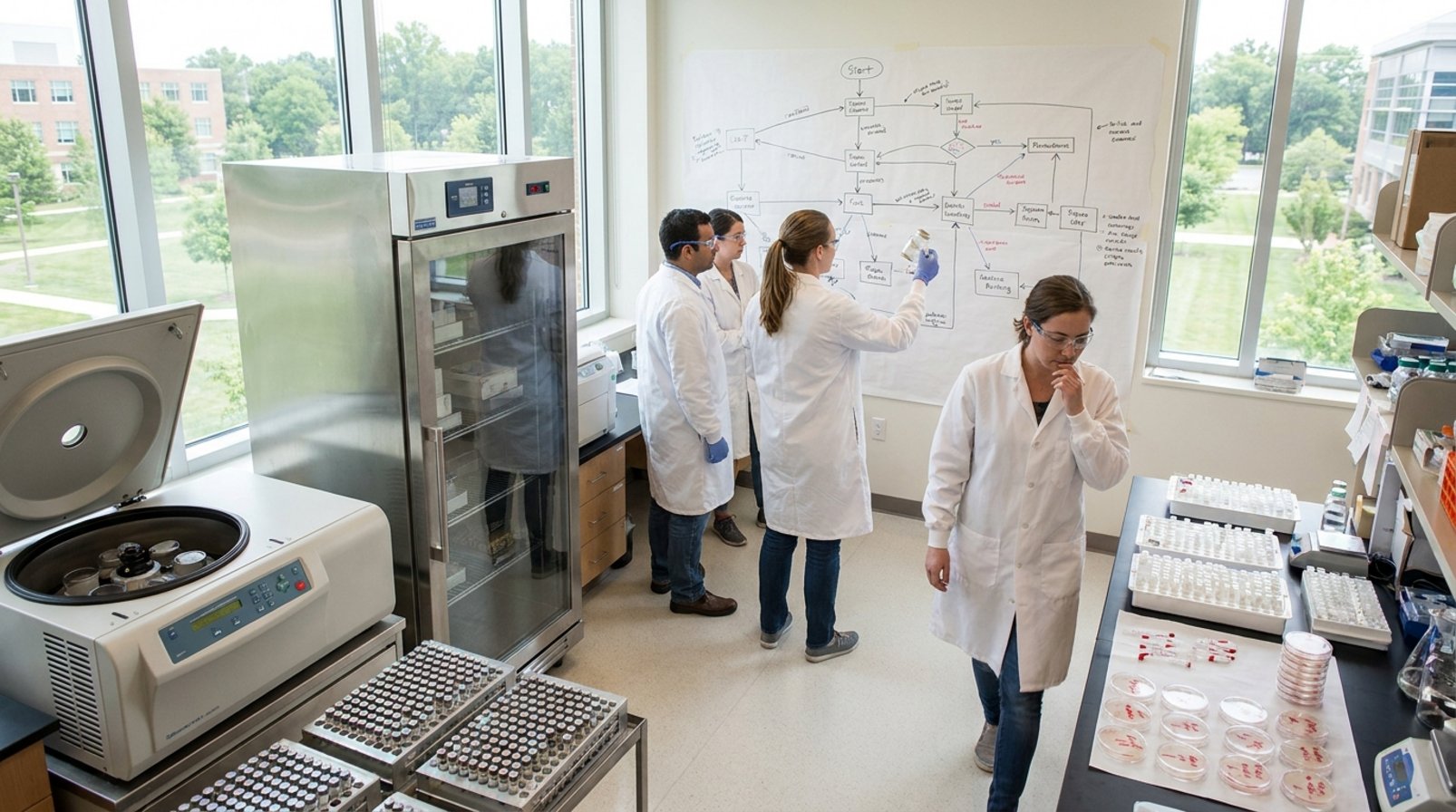
Duxin Sun, founding director of the AI-Driven Therapeutics Discovery Institute at the University of Michigan, says the goal of machine learning is to make drug and vaccine discovery less expensive. The “fail faster” approach may sound negative, but in R&D, eliminating unsuitable candidates early is often the most effective way to save resources.
Still, Sun remains cautious. He notes that although there have been many interesting papers, drugs discovered with AI have not moved beyond the clinical trial stage. In other words, the potential is enormous, but the path to commercialization still faces many scientific and regulatory barriers.
Big Pharma Has Already Started Betting on AI
It is not only academia: major pharmaceutical companies are also increasing investment in AI for drug discovery in general and vaccines in particular. According to CIDRAP, Pfizer signed a licensing agreement with startup Chai Discovery to access antibody design software. Eli Lilly is also working with Chai, NVIDIA, and Insilico Medicine.

Insilico told CNBC in March that it had developed at least 28 drugs using generative AI tools, nearly half of which had already entered clinical trials. Moderna is also using AI in its vaccine work with the Coalition for Epidemic Preparedness Innovations (CEPI).
Even so, the experts in the article still emphasize one reality: AI currently mainly helps expand research capacity, rather than proving it can fully replace traditional drug development. AI’s greatest value right now lies in shortening the early stages, improving screening, and helping research teams focus on hypotheses with a higher probability of success.
A Perspective for the Vietnamese Market
For the Vietnamese market, this story is noteworthy in three ways. First, it shows that AI in healthcare is no longer an experimental concept, but is already being applied to problems with large budgets, complex data, and high social impact. Second, it signals that health-tech companies, laboratories, research organizations, and even health communications teams need to build the ability to explain AI accurately, without exaggeration.

Third, from a communications and marketing perspective, topics such as vaccines, AI, and pharmaceuticals often attract strong interest but can also easily lead to misunderstandings. Therefore, brands operating in healthcare should prioritize evidence-based content, be transparent about the limits of the technology, and focus on practical value rather than overpromising.
For Vietnamese marketers, the lesson is not only about vaccines. This is a clear example of how AI is gradually becoming an analytical infrastructure across many industries, and those who know how to turn data into the right decisions will gain a long-term competitive advantage.
Reference source: CIDRAP — “Artificial intelligence could usher in a new era of vaccine development”.
See more marketing news & guides at https://marketing365.vn.
Follow more updates from Marketing365 to stay up to date with the latest marketing trends.
Read more articles in the same category Digital Trends.
This article focuses on AI in vaccine development with a perspective for the Vietnamese market.