Contents
- World Cup 2026: Social media is the real “big winner”
- PMW honors the marketing “dream team”: Social and performance are increasingly intertwined
- Facebook remains a major pillar of the global social ecosystem
- AI and marketing on social: from automation to strategic reinvention
- Social media only matters when tied to community behavior and cultural context
- References
Social media continues to show that it is not just a content distribution channel, but an “infrastructure layer” shaping how audiences follow, discuss, and spread major events. From the World Cup to the AI race in marketing, the latest stories show that brands wanting to win on digital platforms need a deeper understanding of engagement behavior, data, and the role of each channel.
Key points
- The 2026 World Cup proves that the appeal of major sports is still powerfully amplified on social media, rather than being “overwhelmed” by costs or content saturation.
- Marketers need to see social media as part of the audience experience, not just a place to place ads.
- Data on Facebook shows that the mass-market platform still holds an important position in the global social media ecosystem.
- AI is expanding marketing’s role beyond simple automation, directly affecting how content is planned and distributed on social.
World Cup 2026: Social media is the real “big winner”
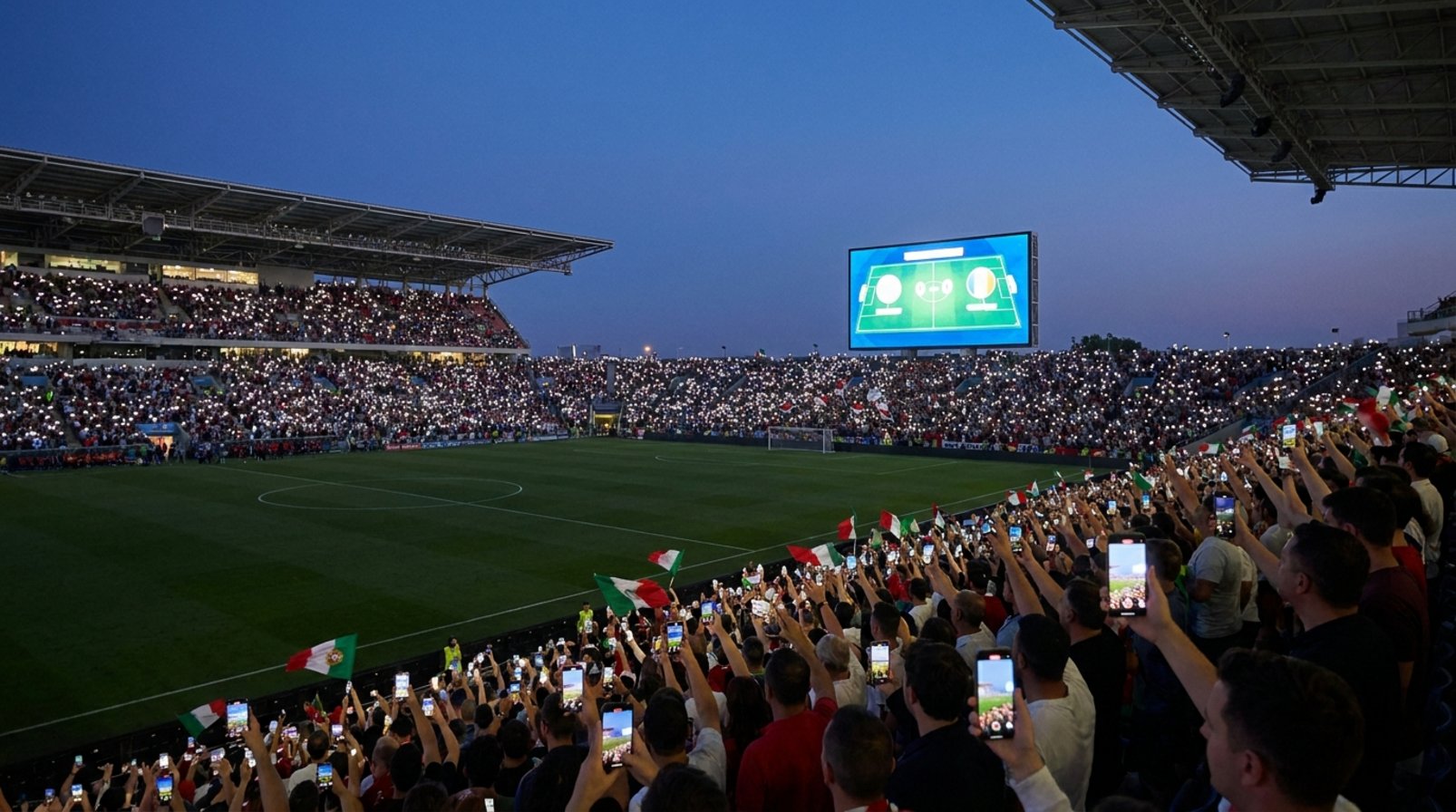
According to MediaPost, the 2026 World Cup ended with numbers showing that public interest remained extremely high: stadiums were nearly full, TV ad revenue rose sharply, and viewership was massive for key matches. However, the most notable point was not just the audience size, but how they interacted with the tournament through digital platforms.
The takeaway for marketers is this: instead of worrying that users will “turn away” because of high ticket prices or content overload, brands should observe how audiences shift from passive viewing to active participation. On social media, every goal, refereeing controversy, or behind-the-scenes moment becomes shareable material, extending the life of a sports event far beyond traditional broadcast time. Source: MediaPost.
PMW honors the marketing “dream team”: Social and performance are increasingly intertwined
An article from Performance Marketing World on the “Dream Team” vote results shows that the modern marketing talent landscape is being viewed through a very clear division of roles. Although the source does not focus specifically on social media, the roles selected by the professional community reflect a reality: marketing effectiveness is no longer the work of a single channel, but the coordination of creativity, analysis, performance optimization, and platform knowledge.

For social media, this means teams need to move beyond the mindset of “posting regularly.” Businesses must connect content, distribution, and measurement into a continuous cycle. Every role on the “dream team” helps turn social from a brand-awareness channel into a tool that drives business results. Source: Performance Marketing World.
Facebook remains a major pillar of the global social ecosystem
Statista data on the number of Facebook users worldwide shows that the platform remains one of the world’s largest and most influential social networks. Even as the social media market continues to see new platforms emerge and user habits become more fragmented, Facebook still maintains a significant position in the overall picture.
For marketers, the implication is that budget and content allocation should not chase new trends blindly. Facebook, with its broad reach and mature ad ecosystem, remains an important choice for many goals such as mass reach, remarketing, and building conversion funnels. In a fast-changing social media landscape, user scale is still a metric that cannot be ignored when planning communications. Source: Statista.
AI and marketing on social: from automation to strategic reinvention
A source from BW Marketing World on AI Appreciation Day 2026 shows that the discussion about AI in marketing is moving beyond the automation of repetitive tasks. AI is increasingly seen as a strategic driver, influencing how teams generate ideas, analyze audience behavior, and optimize content by context.
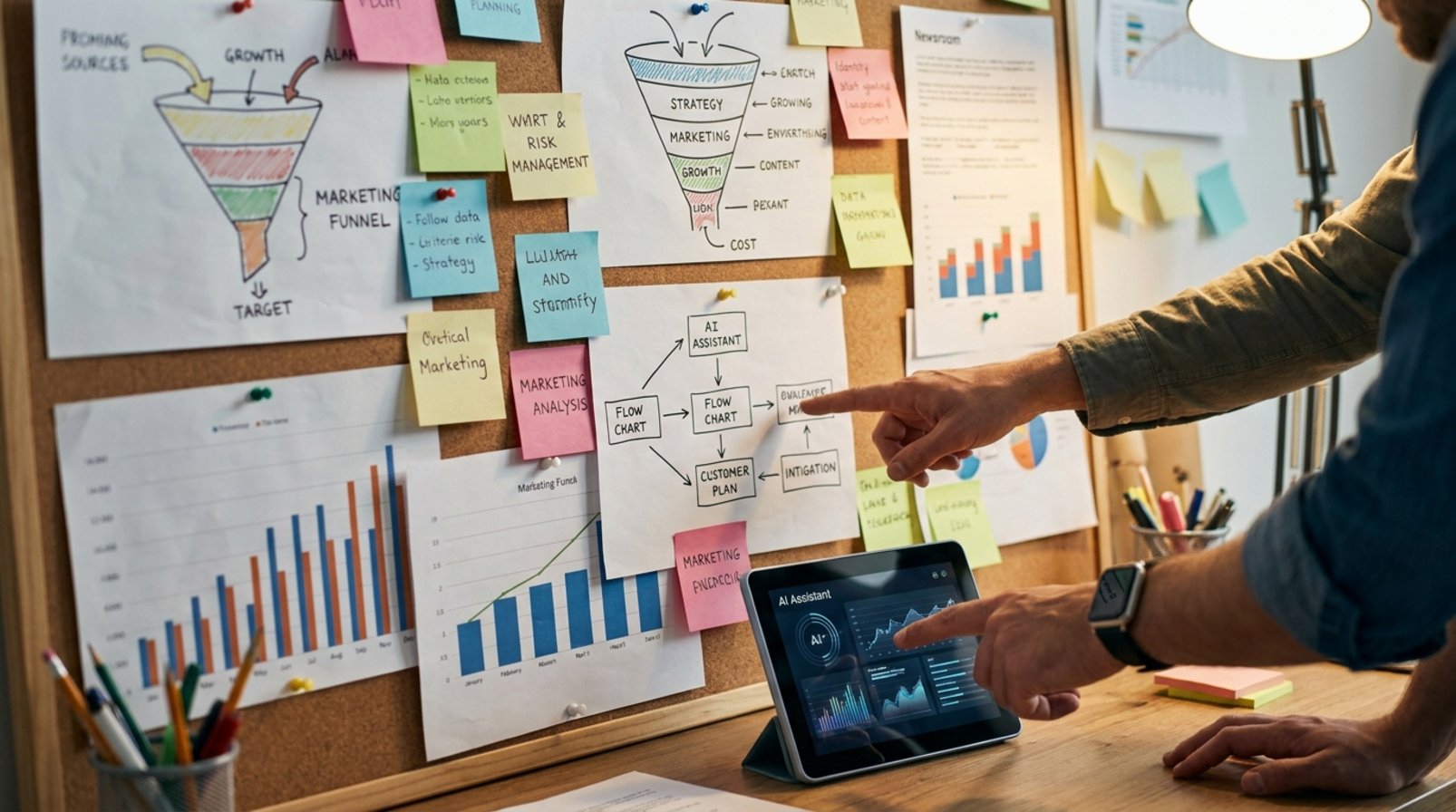
On social media, this trend could lead to a significant shift: brands will not only use AI to write captions faster or create ad variations, but also to better understand signals from the community, predict topics likely to spread, and adjust messaging by timing. Although the original article faced access limitations, the core message is still very clear: AI is reshaping marketing, and social media is one of the earliest “front lines” to be affected.
Social media only matters when tied to community behavior and cultural context
For Vietnamese marketers, the signals above suggest several points to note. First, social media should not be seen as a disconnected posting channel, but as something tied to community behavior, especially during peak seasons such as sports, entertainment, or shopping. Second, platform selection should be based on objectives and actual reach, not just trends. Third, AI will increasingly enter social operations, but sustainable advantage will still come from the ability to read cultural context and create content that fits Vietnamese audiences.
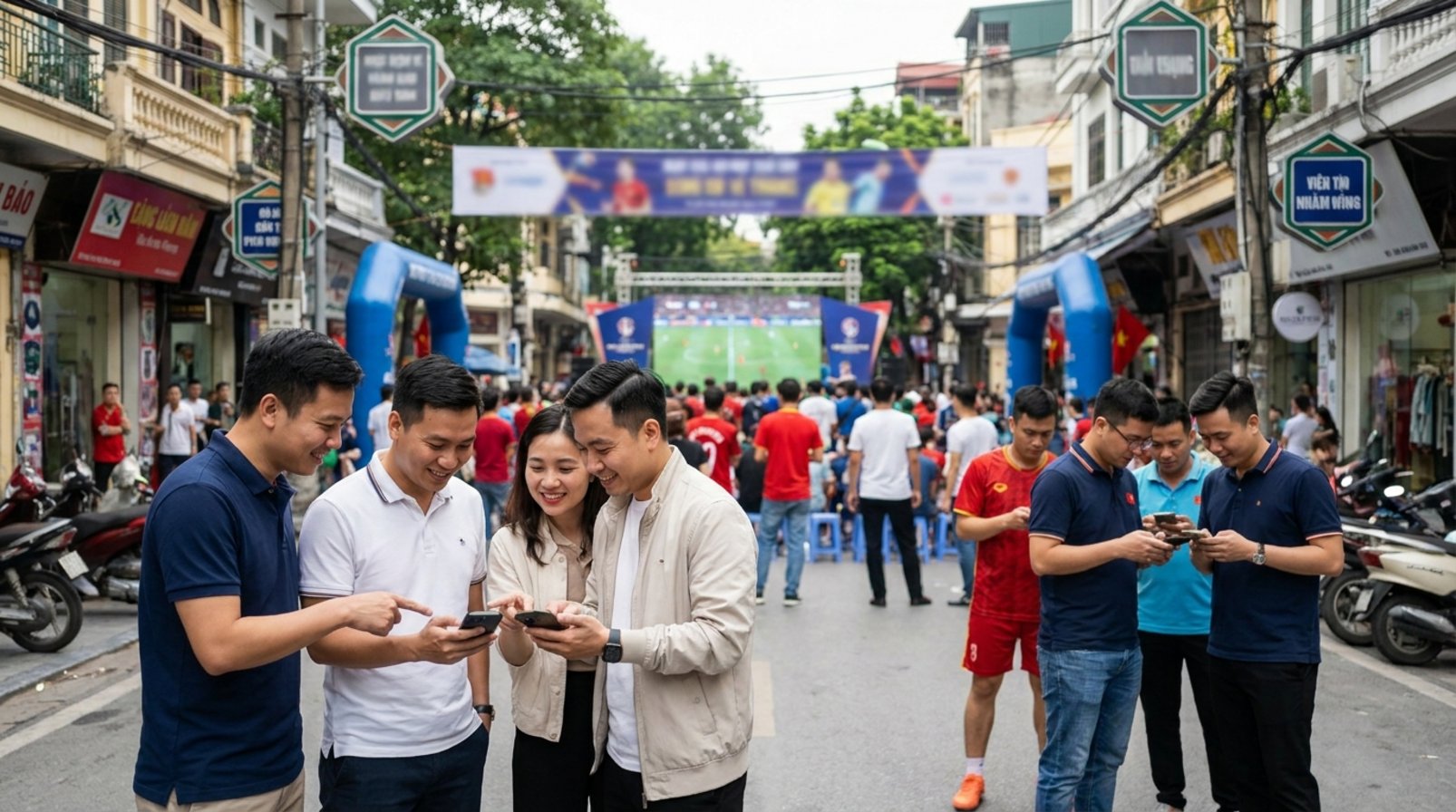
In other words, the biggest lesson from this roundup is: social media only truly creates value when brands know how to combine data, creativity, and speed of response. This is a system game, no longer a game of individual posts.
Explore more marketing analysis & guides at Marketing365.
Read more articles in the Digital Trends category.
References
- MediaPost — Social Media Is The Real Winner Of The World Cup 07/17/2026
- Performance Marketing World — PMW reader vote winners: All 15 ‘Dream Team’ squad roles revealed
- Statista — Number of Facebook users worldwide from 2000 to 2040
- BW Marketing World — AI Appreciation Day 2026: AI Reshapes Marketing Beyond Automation