Nội dung
- Anthropic brings Claude into Slack as a “teammate”
- The White House shifts talks with Anthropic toward AI safety rules
- U.S. AI export restrictions heighten tensions with allies
- Talks between Anthropic and the U.S. government show AI is being “managed like risk infrastructure”
- An Anthropic customer sues the U.S. over losing access to the Fable AI model
- A perspective for the Vietnamese market
- References
The latest moves from Anthropic and the U.S. government show that AI is moving beyond the realm of a purely technological tool and becoming an issue of productivity, security, and public policy. For Vietnamese marketers, this is a notable signal because AI is not only changing how internal work gets done, but also affecting access to the tools, data, and platforms businesses depend on.
Below is a roundup of 5 standout stories related to Anthropic and the debates surrounding AI governance, compiled in an easy-to-follow format with practical relevance for Vietnamese businesses.
Anthropic brings Claude into Slack as a “teammate”
Anthropic has just introduced Claude Tag, a way for teams to work directly with Claude inside Slack. According to the company’s description, administrators can grant Claude access to specific channels, connect it to the right tools, data, or even codebases, and then channel members simply tag @Claude to assign tasks.
What stands out is that Anthropic does not see this as just a chat feature. The company describes Claude Tag as the next step in the evolution of Claude Code, moving toward a more proactive AI model that can remember relevant context in a channel and help plan follow-up tasks. Anthropic also says it is using this mechanism heavily in-house, with 65% of the product team’s code generated by the company’s internal version of Claude Tag.
For marketers, this rollout suggests a new working model: AI does not sit outside the process, but participates directly in the team’s communication flow. From handling customer requests and reviewing campaign metrics to coordinating with the technical team, AI can become a “virtual team member” if a business designs access rights and workflows tightly enough.
Source: Anthropic.
The White House shifts talks with Anthropic toward AI safety rules
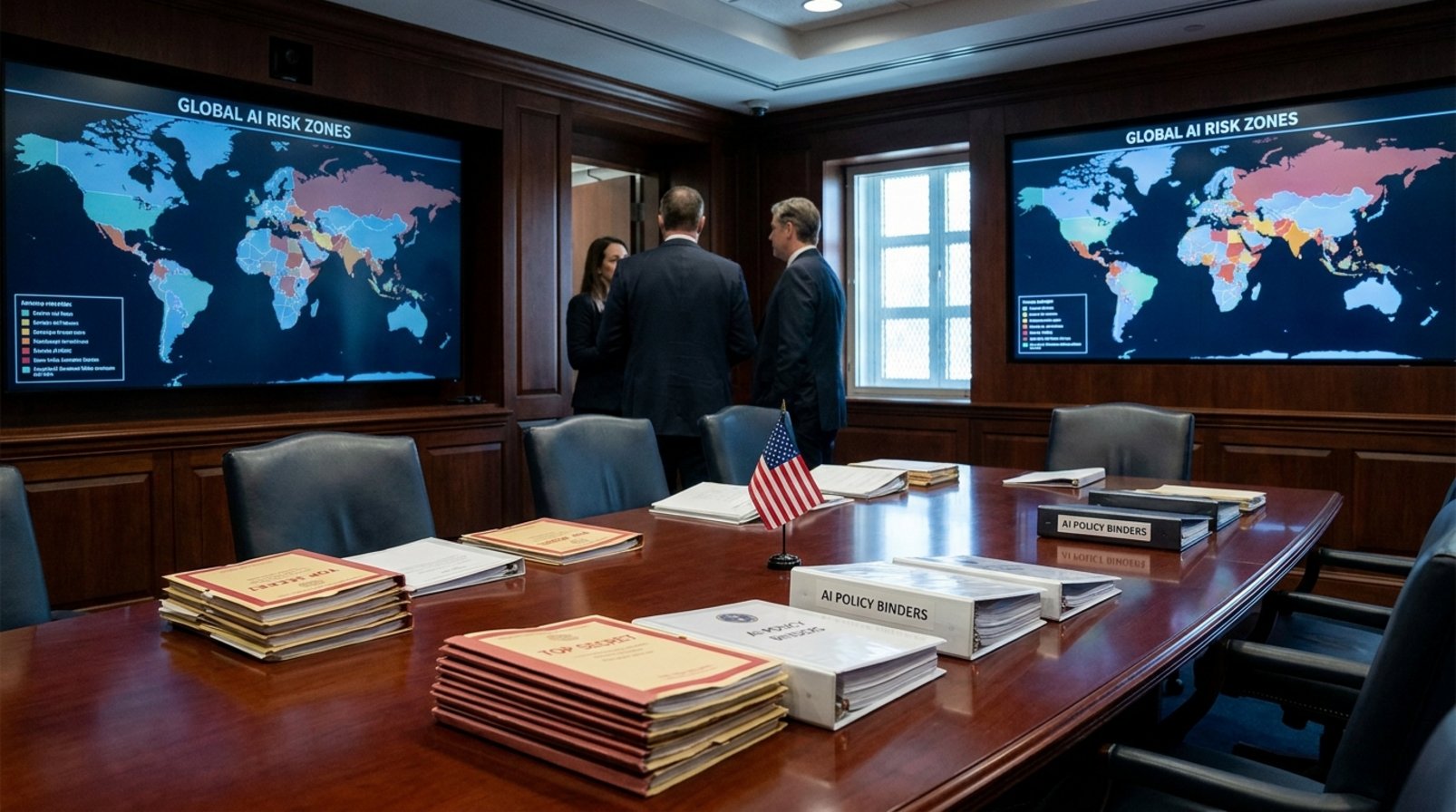
A Politico report shows that discussions between the White House and Anthropic are leaning more heavily toward building AI security rules. This reflects a clearer trend in the U.S. government: instead of viewing AI only as a growth engine, it is increasingly focused on risks related to security, control, and misuse.
The shift from discussions about technological capability to deeper conversations about safety shows that AI has entered a stage where clearer governance frameworks are needed. For technology providers, this means greater pressure to be more transparent about how models work, what control mechanisms exist, and who is responsible when they are deployed in sensitive environments.
From a market perspective, it also reminds businesses that choosing AI is no longer just about “which model is smarter,” but also “which model is safer, easier to control, and better aligned with the organization’s compliance standards.”
Source: Politico.
U.S. AI export restrictions heighten tensions with allies
Al Jazeera reports that the U.S. government has asked Anthropic to block foreign users’ access to the Mythos 5 and Claude Fable 5 models for national security reasons. According to the source, Anthropic was forced to take both models fully offline to ensure compliance.
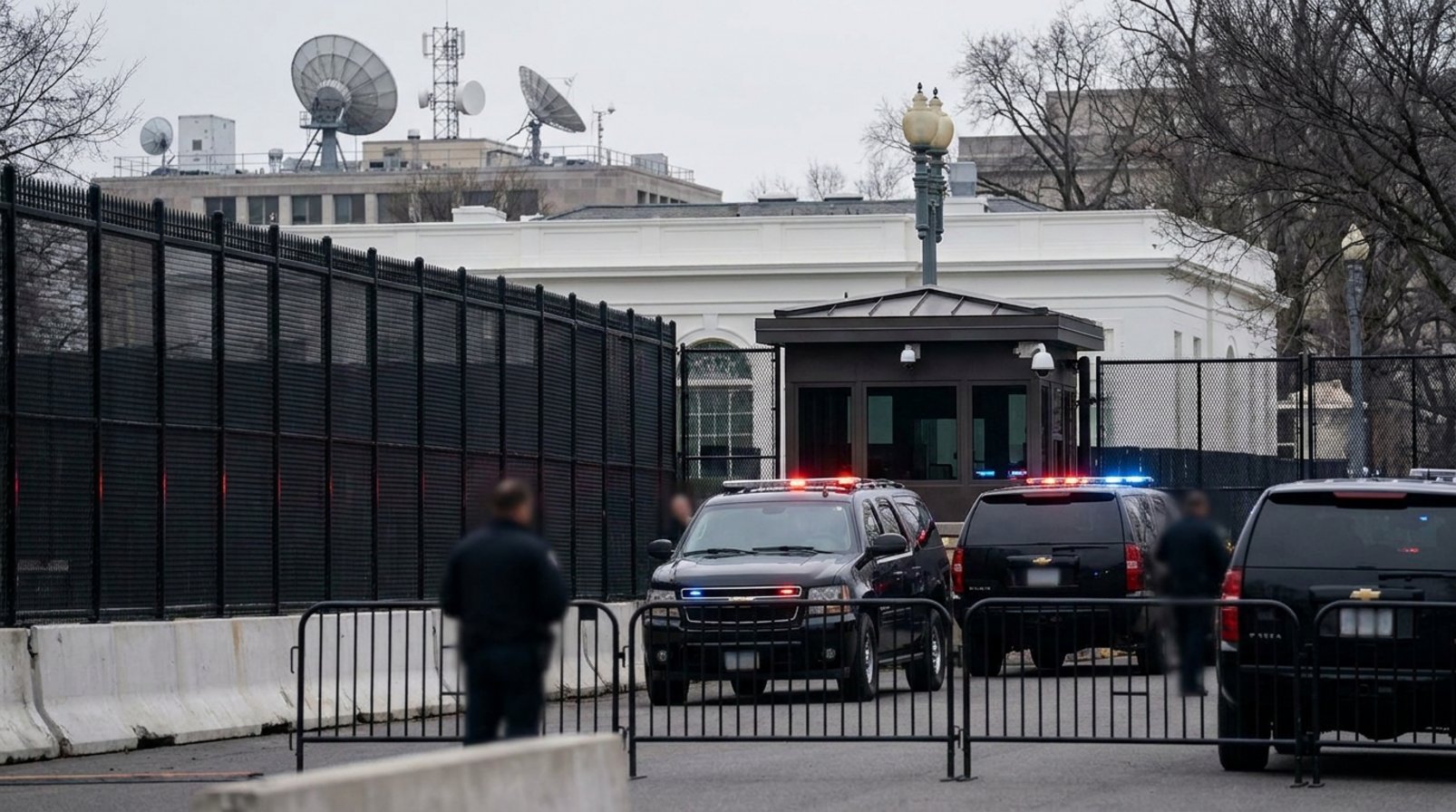
This development highlights an increasingly clear reality: AI is not only a product competition story, but also a tool in policy and geopolitics. When an AI model is restricted by nationality or region of use, the consequences are not just technical; they also directly affect international cooperation, digital supply chains, and the ability to deliver cross-border services.
For businesses using AI from foreign providers, this is an important reminder of platform dependency risk. A sudden policy change can disrupt operations, affect project timelines, or force data and workflows to be restructured in ways that were not anticipated.
Source: Al Jazeera.
Talks between Anthropic and the U.S. government show AI is being “managed like risk infrastructure”
From reports on the exchange between the White House and Anthropic, it is clear that policy priorities are shifting from encouraging innovation to shaping a safety corridor for AI. This is a sign that AI is increasingly being viewed as a form of high-risk infrastructure, similar to sectors that require stricter control standards.
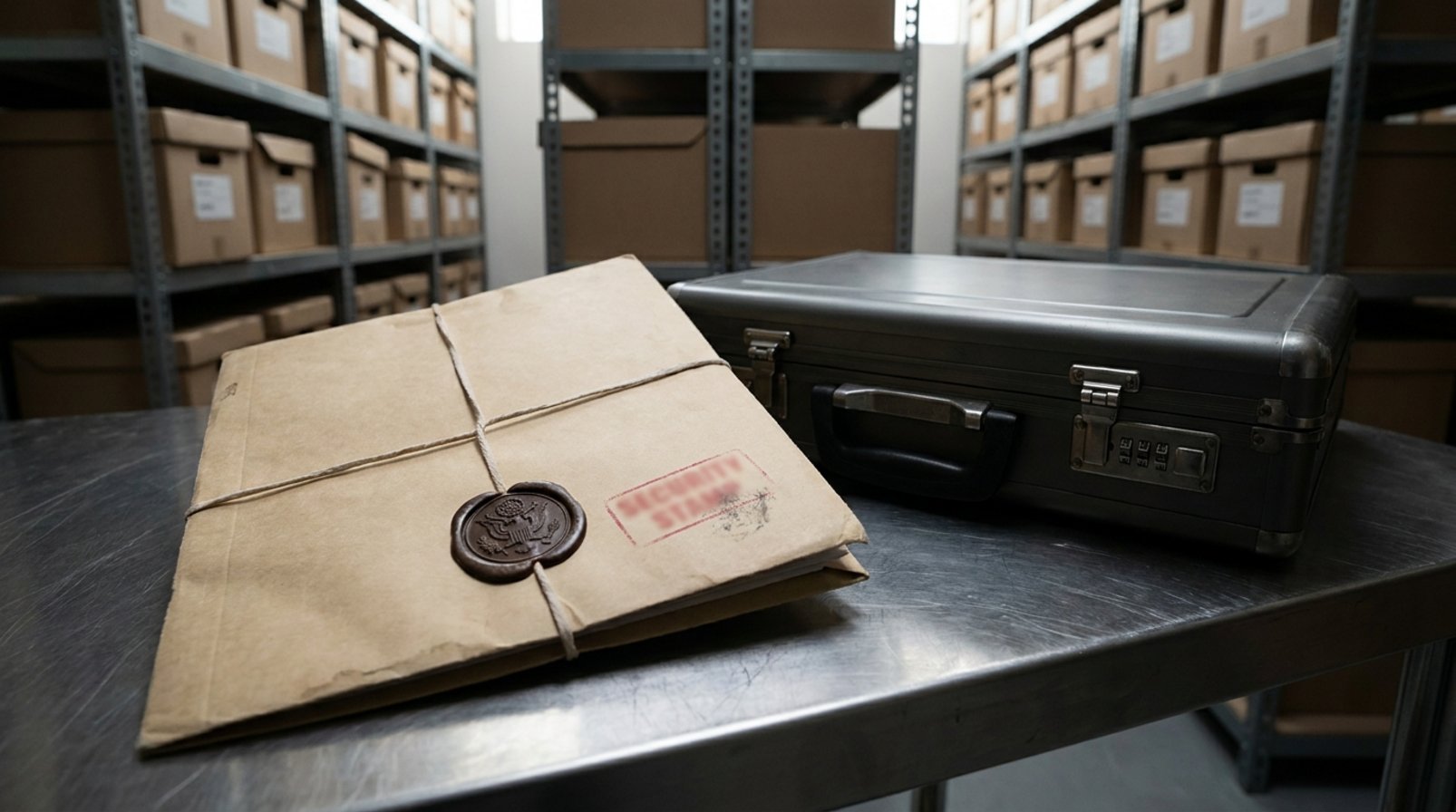
This has particular significance for marketing and product teams. As AI enters workflows, businesses need to pay attention not only to content generation efficiency or automation, but also to data access, storage of sensitive information, auditability, and permission controls for staff.
In other words, deploying AI sustainably in a business is not just a tool problem, but a governance problem.
Source: Politico.
An Anthropic customer sues the U.S. over losing access to the Fable AI model
Bloomberg says an Anthropic customer has filed a lawsuit against the U.S. government after losing access to the Fable AI model. Although the full details of the case have not been disclosed in the source data, the development clearly reflects the legal and commercial pressure that arises when AI usage rights can be changed by a regulatory decision.
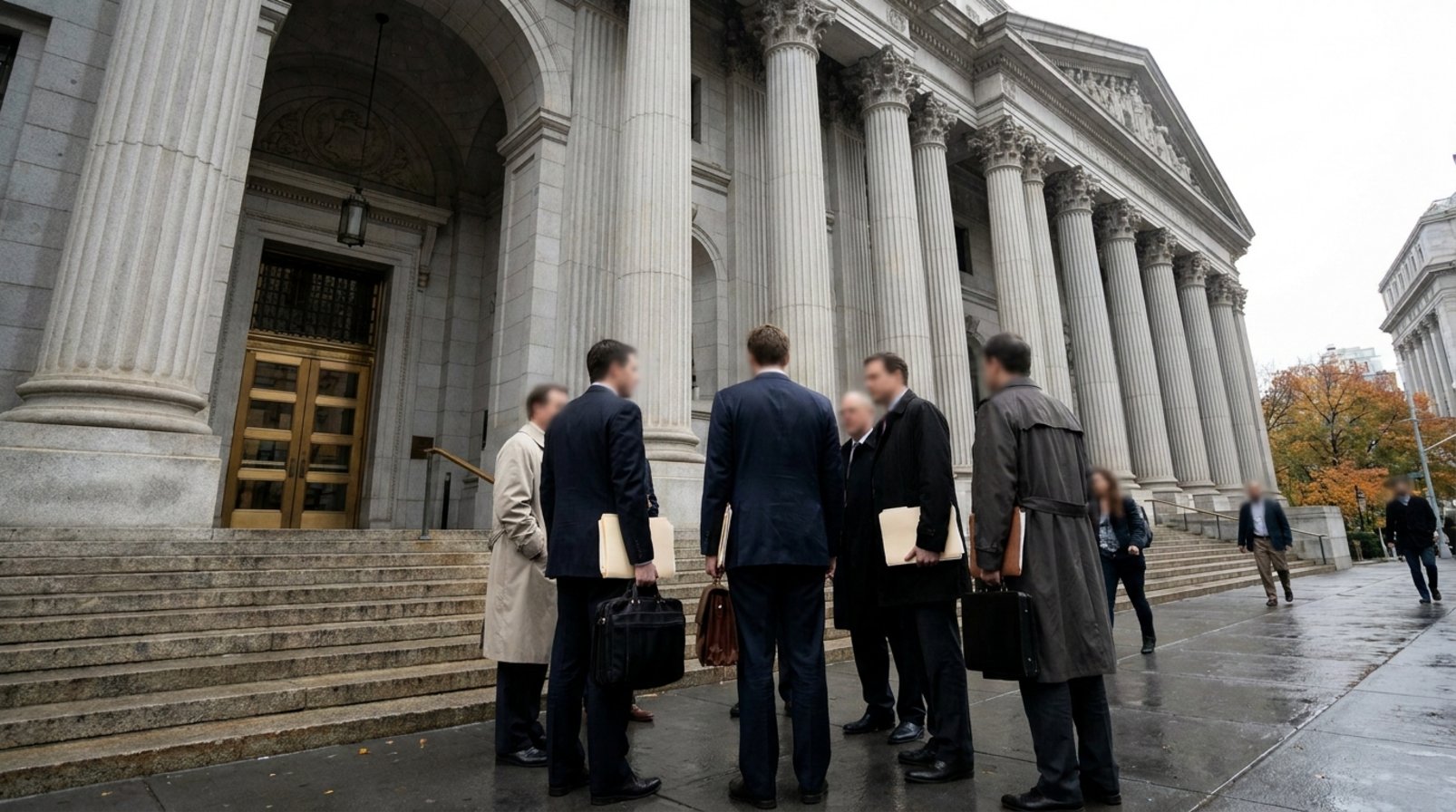
The lawsuit shows a very practical point: businesses buying AI as a service need to account for the possibility of access disruption, especially when the tool is tied to core operations. Once AI becomes part of the operating workflow, losing access is no longer a simple technical incident; it can bring legal, operational, and reputational costs.
For marketing managers, this is a reason to have backup plans for critical tasks: from content creation and data analysis to customer support automation, so you do not become fully dependent on a single model or a single provider.
Source: Bloomberg.
A perspective for the Vietnamese market
These 5 stories show that AI is moving in two parallel directions: on one hand, deeper integration into workflows to boost productivity; on the other, tighter control over governance, security, and access rights. For Vietnamese businesses, the lesson is not just about adopting AI quickly or slowly, but about building an AI strategy that is safe, flexible, and less dependent.
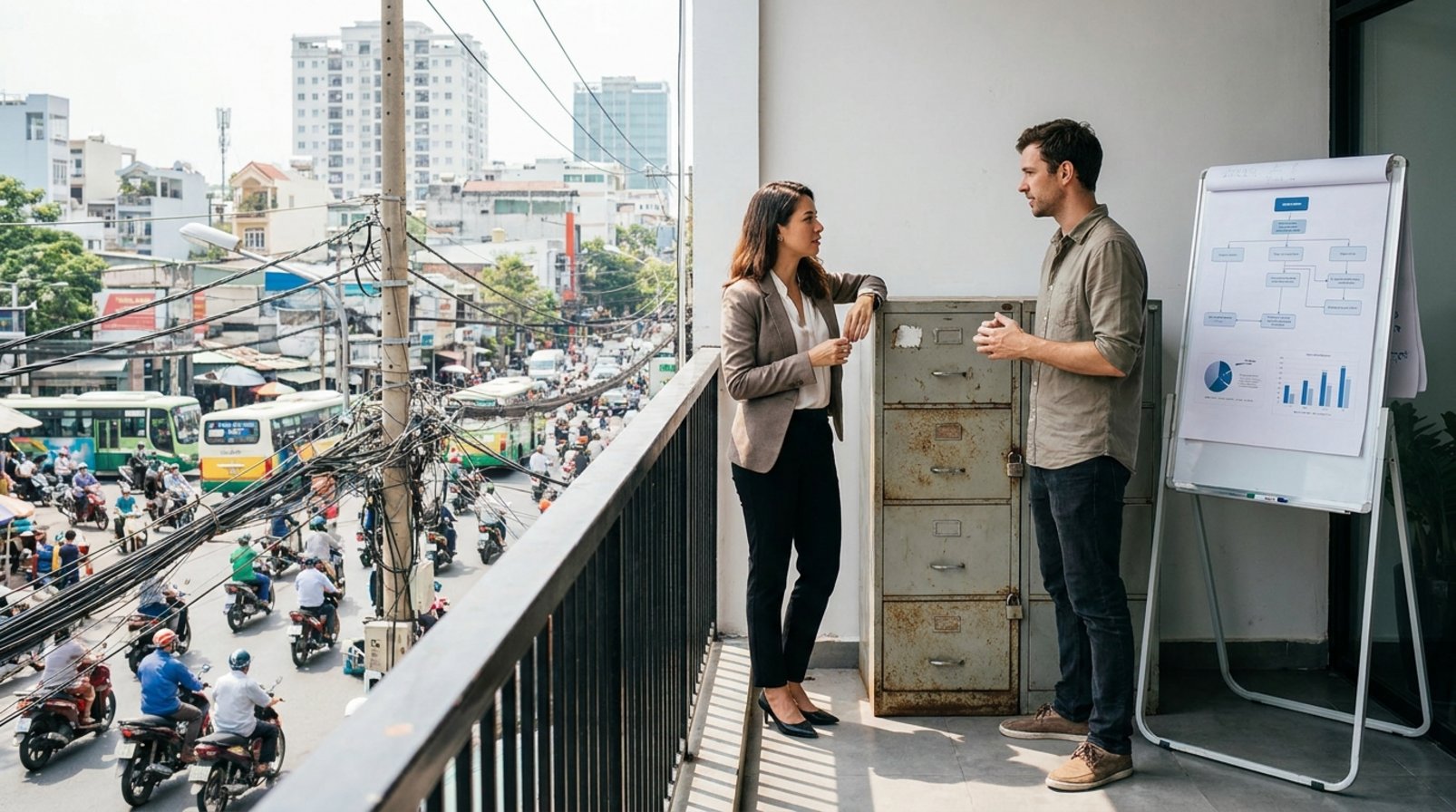
For marketers in particular, three priorities should come first: clearly define which data can be fed into AI, choose tools with permission controls and audit trails, and prepare alternatives if a provider changes its policy. In a context where AI is increasingly tied to international policy factors, adaptability will be a competitive advantage just as important as content creativity or campaign performance optimization.
See more marketing news and guides at https://marketing365.vn.
Follow more updates from Marketing365 to stay on top of the latest marketing trends.
Read more articles in the same category Digital Trends.
This article focuses on latest AI news with a perspective for the Vietnamese market.
References
- Introducing Claude Tag
- N.S.A. Lost Access to Powerful A.I. Model Amid Anthropic Dispute
- US export ban on Anthropic’s AI models further strains alliances
- White House talks with Anthropic shift to setting AI security rules
- Anthropic Customer Sues US Over Loss of Fable AI Access