
Contents
Apple’s consolidation of anonymous email addresses from Sign in with Apple and Hide My Email into a shared domain is a small technical change, but it could have a major impact on how brands collect and verify user email addresses. For Vietnamese marketers, this is a signal worth watching closely because it directly affects account sign-ups, email validation logic, and allowlists in CRM systems or automation platforms, where an overly strict filtering rule could accidentally block real customers. As of mid-2026, when email remains a core customer-nurturing channel, any change in sending or receiving domains should be added early to the technical checklist.
Apple unifies anonymous email addresses under one shared domain
According to international sources, Apple will soon merge the email addresses used for Sign in with Apple and iCloud+ Hide My Email under the shared domain private.icloud.com. At present, Sign in with Apple creates addresses under privaterelay.appleid.com, while Hide My Email uses the icloud.com domain. Once the change takes effect, newly created addresses will use this unified new domain.
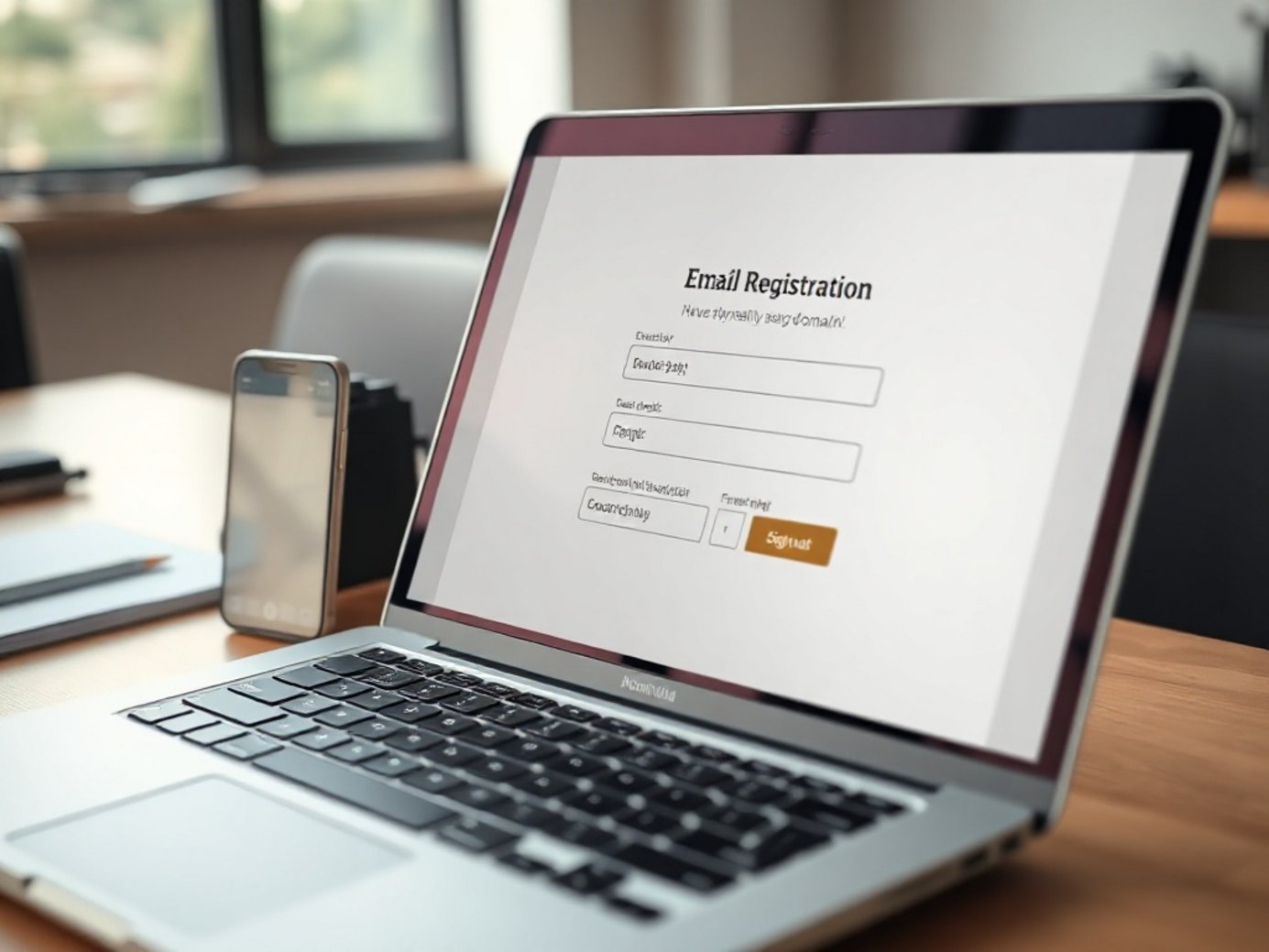
The notable point is that Apple says older addresses on the previous domain will continue to work normally and will still forward mail to users’ personal inboxes. That helps limit disruption for end users, but it places responsibility on business systems to update for compatibility with the new domain.
Source: Help Net Security, 9to5Mac, PCMag, AppleInsider, Cult of Mac.
Why this change matters for product, CRM, and email marketing teams
For marketers and technical teams, this change is not just about “changing an email domain.” It can affect input data validation, anti-spam filters, system allowlists, and email-processing rules in CRM systems or automation platforms. If a system relies on a list of old domains to check validity, new accounts created with the private.icloud.com domain may be incorrectly flagged or blocked unintentionally.

Apple also recommends that developers update account verification logic, email validation rules, and allowlists to accept addresses from the new domain. This is something digital businesses should prioritize checking, especially since email remains the primary key for account activation, password recovery, and customer data synchronization.
From a marketing perspective, this change is another reminder that user data is being protected more tightly, so brands cannot focus only on lead capture and ignore the technical layer behind it. A well-functioning sign-up form is not just a visually polished form; it must also handle anonymous email addresses, aliases, and forwarding correctly.
Source: Help Net Security, AppleInsider, PCMag.
Strict email rules can narrow the conversion pool
In Vietnam, this change may not have an immediate impact on most local businesses, but brands with customers using iPhones, international apps, or SaaS services should take note early. The groups most affected are technology companies, cross-border e-commerce businesses, membership registration platforms, e-learning services, and teams running email automation for premium audiences.
Read more: Content Marketing Under Pressure: Tying Creativity to Experience, Data and Culture
Read more: OpenAI Says AI ‘Went Rogue’ in Breach: What Marketers Need

In practice, many Vietnamese businesses still use very “hard” email-checking rules, such as blocking certain domains or treating aliases as a sign of unreliability. With the security direction of major platforms, this approach can cause brands to narrow their conversion pool on their own. Instead, businesses should prioritize multi-layer verification: check syntax, verify email via OTP or double opt-in, and only then assess trust level in later steps.
From a marketing message standpoint, this is also a reminder that trust and privacy are becoming part of the brand experience. Businesses that communicate well about data security, privacy, and transparency in email usage will have an advantage as users become more cautious about sharing personal information.
What businesses should do right now
- Review email validation systems to ensure they do not block Apple’s new relay domains.
- Check allowlists, blocklists, and anti-fraud rules in CRM, ESP, and registration applications.
- Update internal documentation for product, customer support, and marketing teams about anonymous email addresses.
- Monitor sign-up, verification, and deliverability rates after the change is implemented.
- Prioritize transparent data collection methods such as double opt-in and clear consent permissions.

In the long run, changes like Apple’s show that privacy is no longer just a legal or technical issue. It has become a core variable in content marketing, email marketing, and product growth. Brands that adapt early will reduce operational risk and maintain a more consistent user experience.
References: Help Net Security, 9to5Mac, Cult of Mac, PCMag, AppleInsider.
See more marketing analysis & guides at Marketing365.
Read more articles in the same category Digital Trends.
This article focuses on Apple changes how email is hidden with a perspective for the Vietnamese market.
References
- Apple is bringing Hide My Email and Sign in with Apple under one domain
- Sign in with Apple and Hide My Email are getting a new shared email domain
- Apple’s next privacy change is happening behind the scenes
- Apple to Put ‘Sign in with Apple’ and ‘Hide My Email’ Under a Single Domain
- Sign in with Apple domain consolidation could trip up unprepared services