
Contents
- Grok speeds up releases: 4.6, 4.7, and the ambition to become a work platform
- Grok expands into real work: from email and calendars to multi-agent systems
- AI benchmarks are being questioned: models can look good on paper but be less useful
- Claude and the open weights story: a strategic race ahead
- AI watches video like a human: paste a URL and it reads every frame
- AI in creator marketing: rewarding value instead of just counting reach
- The real problem in AI coding is not just stronger models
- Music, community, and Gemini’s reach
- Pixel 11 is rumored to get more expensive, but AI remains the highlight
- Rumors about GPT-6: OpenAI may accelerate to face rivals
- AI meets biotech: the tech wave is expanding beyond software
- Claude and search visibility: anyone who wants AI recommendations must understand the rules
- Grok 4.5 as a subagent: smaller AI, better matched to the task
- AMD launches Helios rack: the AI infrastructure race enters a new phase
- Grok 5 is being expected sooner if the release cycle continues
- Anthropic pushes Graph Engineering for agent systems
- Claude becomes a specialist for every department through plugins
- Infrastructure for AI agents on blockchain: the CNPY and Canopy story
- AI agents on Robinhood Chain: on-chain identity and reputation
- Three shifts as AI moves from demo to enterprise operations
- References
This latest round of AI news shows the race is no longer just about which model is smarter, but about ecosystems: who ships faster, integrates deeper, and becomes more useful in real workflows. For Vietnamese marketers, that matters because AI is moving from a support tool to a platform that can shape content creation, operations, distribution, and even performance measurement.
Key points
- Grok is being mentioned for its rapid release cadence, expanding strongly into work, connectors, and multi-agent workflows.
- Claude/Anthropic stands out for its agentic direction, department-specific plugins, and debates around benchmarks and model evaluation.
- OpenAI is rumored to be accelerating GPT-6, while AI infrastructure continues to heat up with AMD and large-scale GPU systems.
- For the Vietnamese market, AI is shifting from “chatbot” to a business operations and process automation tool.
Grok speeds up releases: 4.6, 4.7, and the ambition to become a work platform
Widely shared posts on X say Grok 4.6 could arrive in about two weeks, with Grok 4.7 possibly following around four weeks later. At the same time, Grok is described as moving very quickly from a chatbot into a full work platform, with support in Excel, Outlook, Google Workspace, connectors for many enterprise tools, plus multi-agent workflows and automation. Although this information is based on social media sources and is not yet a full official announcement, the overall direction is clear: xAI wants Grok to go deep into real work environments, not just conversation. Source: TestingCatalog, X Freeze.
Grok expands into real work: from email and calendars to multi-agent systems
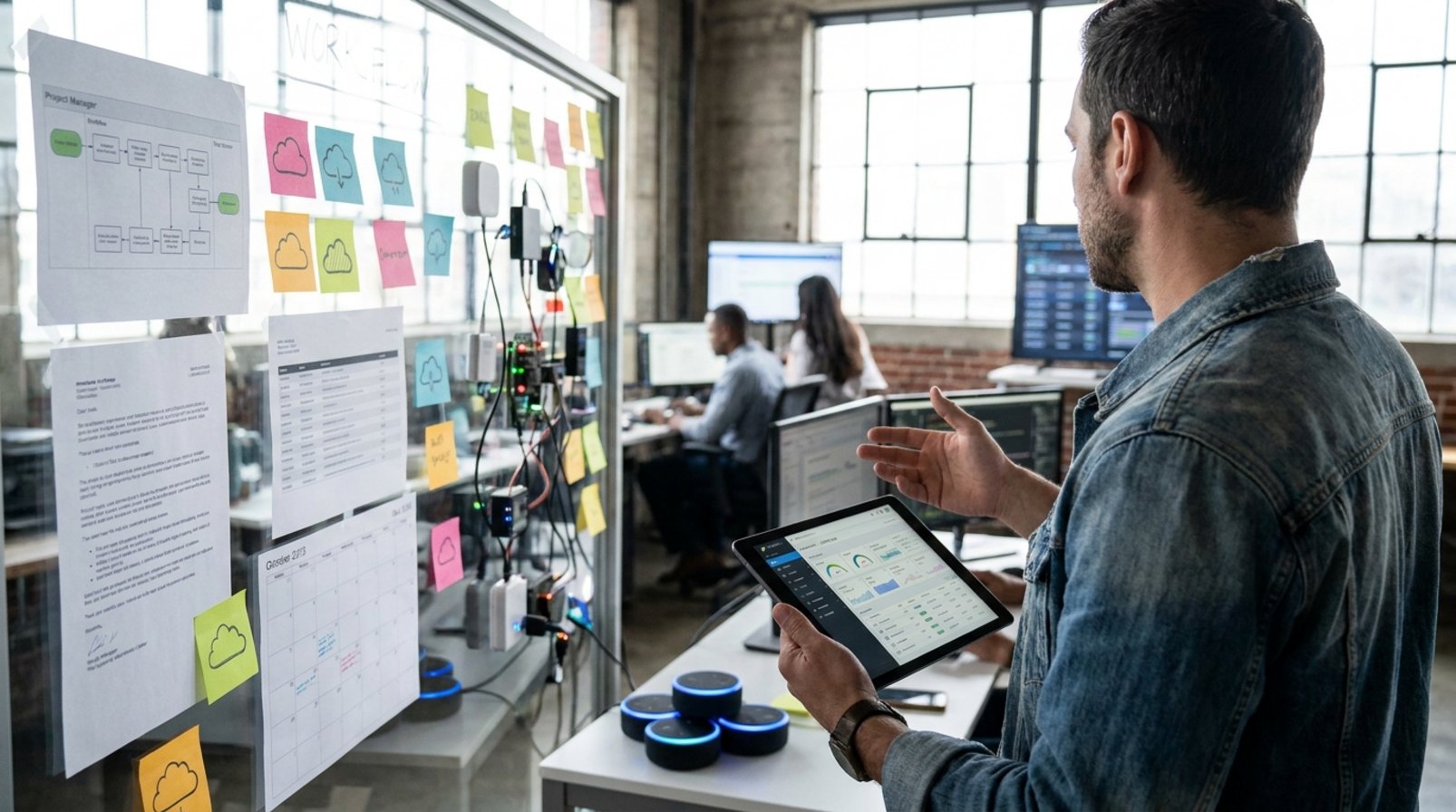
The most notable point in this wave of Grok updates is how quickly the feature ecosystem is expanding: automations triggered by schedules or incoming email, direct integration into Excel and Outlook, support for Google Docs, Sheets, Slides, and connections to Gmail, Calendar, Drive, SharePoint, Teams, GitHub, Notion, Canva, Vercel, and many financial services. This picture shows Grok being positioned as a “coordination layer” for digital work, where AI does not just answer questions but also reads context, synthesizes data, and executes tasks. For businesses, this is the kind of product that can affect the productivity of operations, sales, marketing, and analytics teams. Source: X Freeze.
AI benchmarks are being questioned: models can look good on paper but be less useful
One notable view from the AI community is that today’s popular benchmarks are increasingly less reflective of real-world experience. A post about Opus 5 argues that a model can win on many metrics but still perform worse than competitors in actual use; from there comes the idea that domain-specific tests using private data may be more reliable than public benchmarks. For marketers and businesses, the message is very practical: do not buy AI just because of a score or ranking table. It needs to be tested directly on your content team’s, customer support’s, market research’s, or campaign operations’ real scenarios. Source: Kun Chen.

Claude and the open weights story: a strategic race ahead
In another comment, the community also speculated that Elon Musk could release open weights for Grok 4.5 when Grok 4.6 or 4.7 launches. If that scenario becomes reality, it would add more competitive pressure on closed models and change how developers approach AI infrastructure. From a market perspective, open weights often lead to stronger ecosystems for integration, fine-tuning, and internal deployment. That is especially important for businesses that want to control their data and costs. Source: Ivan Fioravanti.
AI watches video like a human: paste a URL and it reads every frame
One tool mentioned in the community is a solution that lets AI watch video by first pulling free captions, then extracting frames by context so the model can understand the video content, from YouTube to Loom or TikTok. This approach has major implications for marketing: teams can analyze competitor videos, break down hooks, visuals, and content structure, or summarize long presentations in a short time. For content creators, this is a step from “manually watching video” to “handing video over to AI for systematic processing.” Source: Alvaro Cintas.

AI in creator marketing: rewarding value instead of just counting reach
An interesting perspective from the community is that future creator marketing campaigns may shift from paying for reach to paying for the real value created. The article gives an example of an AI-style campaign where creators are encouraged to produce useful prompts, practical workflows, educational content, or new use cases. This is a very fitting direction in a marketing environment where effectiveness is increasingly hard to measure by impressions alone. In Vietnam, if such platforms develop, brands may be able to find creators with real expertise rather than just large follower counts. Source: CryptoSaga.

The real problem in AI coding is not just stronger models
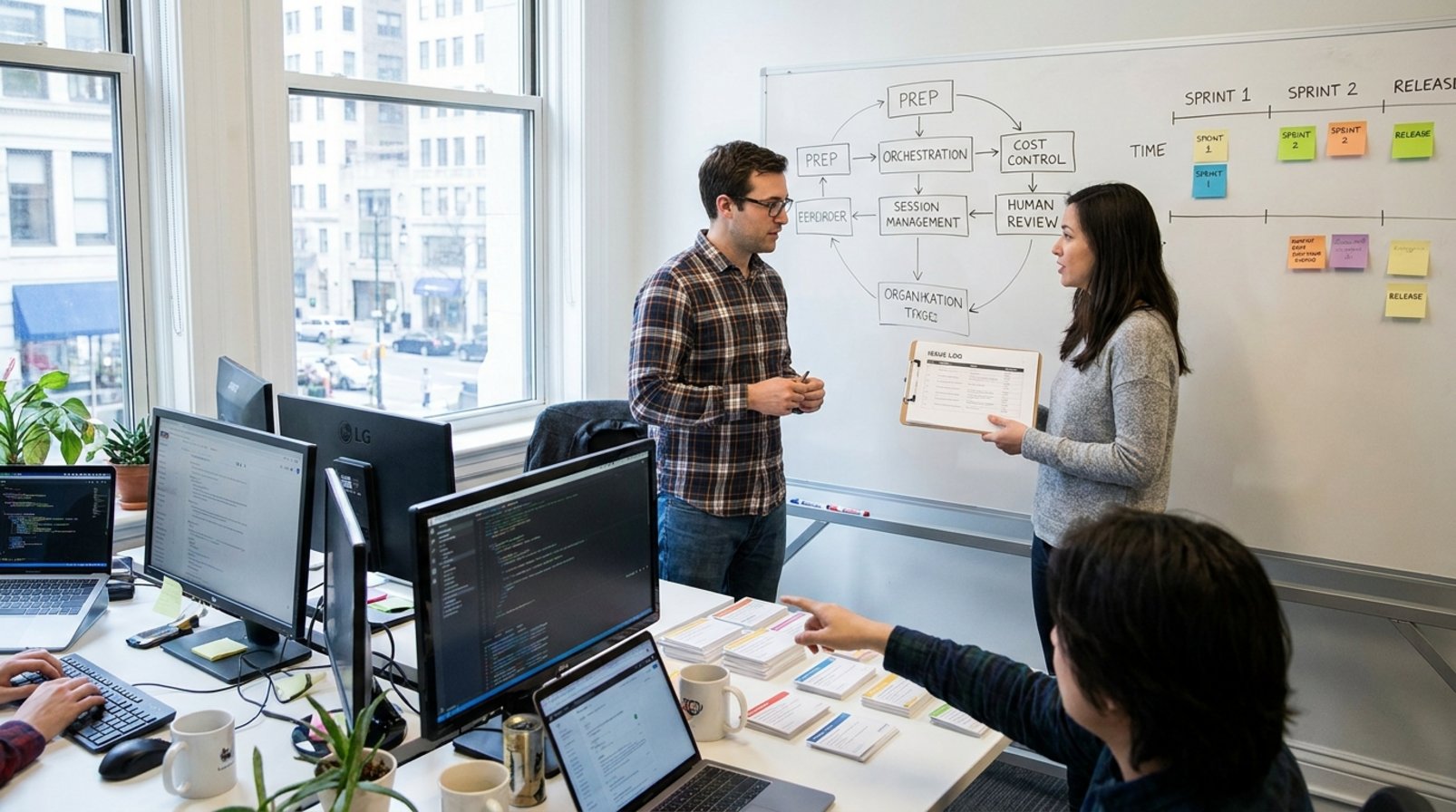
According to another share, the bottleneck in AI coding is not mainly model capability, but task preparation, orchestration, cost control, session management, and the human review step. This is a very important observation because it reflects the reality of enterprise deployment: a very strong model can still fail if the surrounding process is messy. For marketers and digital teams, the same lesson applies: AI only creates value when it is embedded in a clear workflow with quality control and output measurement. Source: Franz und Franz.
Music, community, and Gemini’s reach
Among the AI-related viral posts, one notable item is about a Gemini song that continues to be mentioned by many artists and fans, showing that community engagement remains very strong. Although this is not a purely technological story, it reflects a common point in the AI era and the creative economy: content’s reach now depends not only on the product itself, but on how the community reuses, shares, and co-creates with it. For marketers, this is why AI should be seen as a tool for extending content lifespan, not just producing content. Source: Ave, quoted from @CChang20970.

Pixel 11 is rumored to get more expensive, but AI remains the highlight
Leaked information from the community says the Pixel 11 series may see a price increase due to memory costs, while still keeping AI and camera features at the center. The details mentioned include Tensor G6, Gemini improvements, Qi2 wireless charging, and several other hardware upgrades. Although this is not an official announcement, the story shows that AI is becoming a default part of premium smartphones. For marketers, that means AI experiences will increasingly reach mainstream devices, bringing a new standard for content creation, search, and personal assistants. Source: Gadgetsdata.

Rumors about GPT-6: OpenAI may accelerate to face rivals
One rumor being discussed is that OpenAI may be targeting a GPT-6 launch in August to respond to competitive pressure from rivals such as Anthropic. According to the circulating content, GPT-5.6 could be the end point of the current branch, making way for a much larger new pretraining platform. If true, this would signal that the LLM race is entering a faster and more expensive “generation jump” phase. However, this source has not been officially verified, so it should be read with caution. Source: Priya.

AI meets biotech: the tech wave is expanding beyond software
A roundup on bio/acc shows that AI is no longer standing alone but is increasingly intersecting with gene editing, embryo selection, longevity, brain-computer interfaces, and applied biology fields. For marketers, the key takeaway is that AI is gradually becoming a cognitive infrastructure layer for many different industries. This opens up demand for in-depth content that explains complex technology in language that is easy for businesses and consumers to understand. Source: Mgoes.

Claude and search visibility: anyone who wants AI recommendations must understand the rules
A long analysis from the community argues that Claude’s internal prompt gives fairly clear hints about how the model finds, opens, cites, and recommends websites. Although it is not a fully public official document, it shows that visibility in AI search systems may depend heavily on how content is ranked and structured on the web. For Vietnamese businesses, this is an important reminder: SEO no longer serves only Google, but increasingly affects whether AI can “see” a brand at all. Source: Alex Groberman.

Grok 4.5 as a subagent: smaller AI, better matched to the task
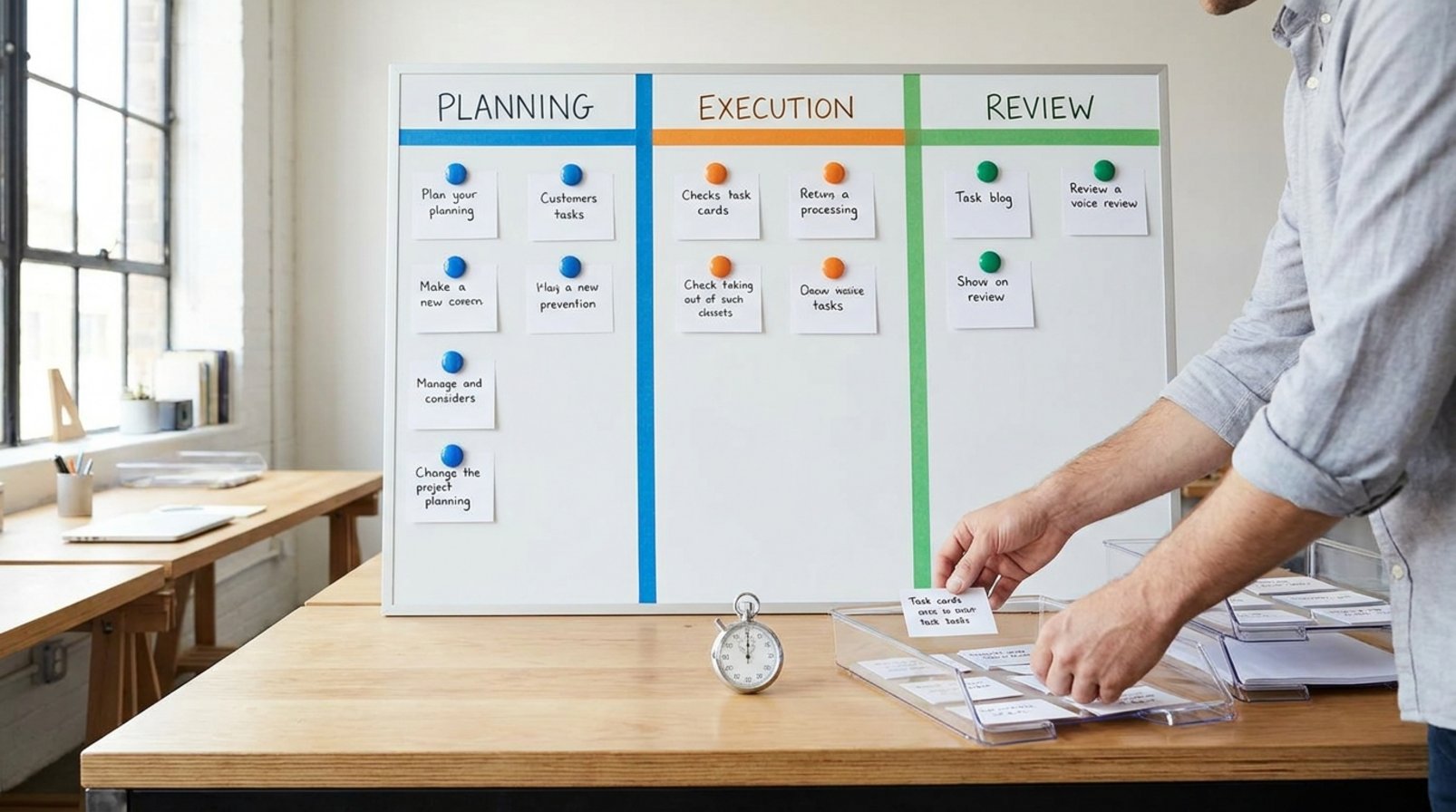
One workflow tip shared in the community is to use Grok 4.5 as a subagent for clearly defined tasks. This kind of role splitting reflects a new trend in enterprise AI: you do not necessarily need one model for everything, but can layer planner, executor, and reviewer roles. For marketers, this mindset is very useful when building content production processes, insight research, or campaign reporting summaries. Source: mr-r0b0t.
AMD launches Helios rack: the AI infrastructure race enters a new phase
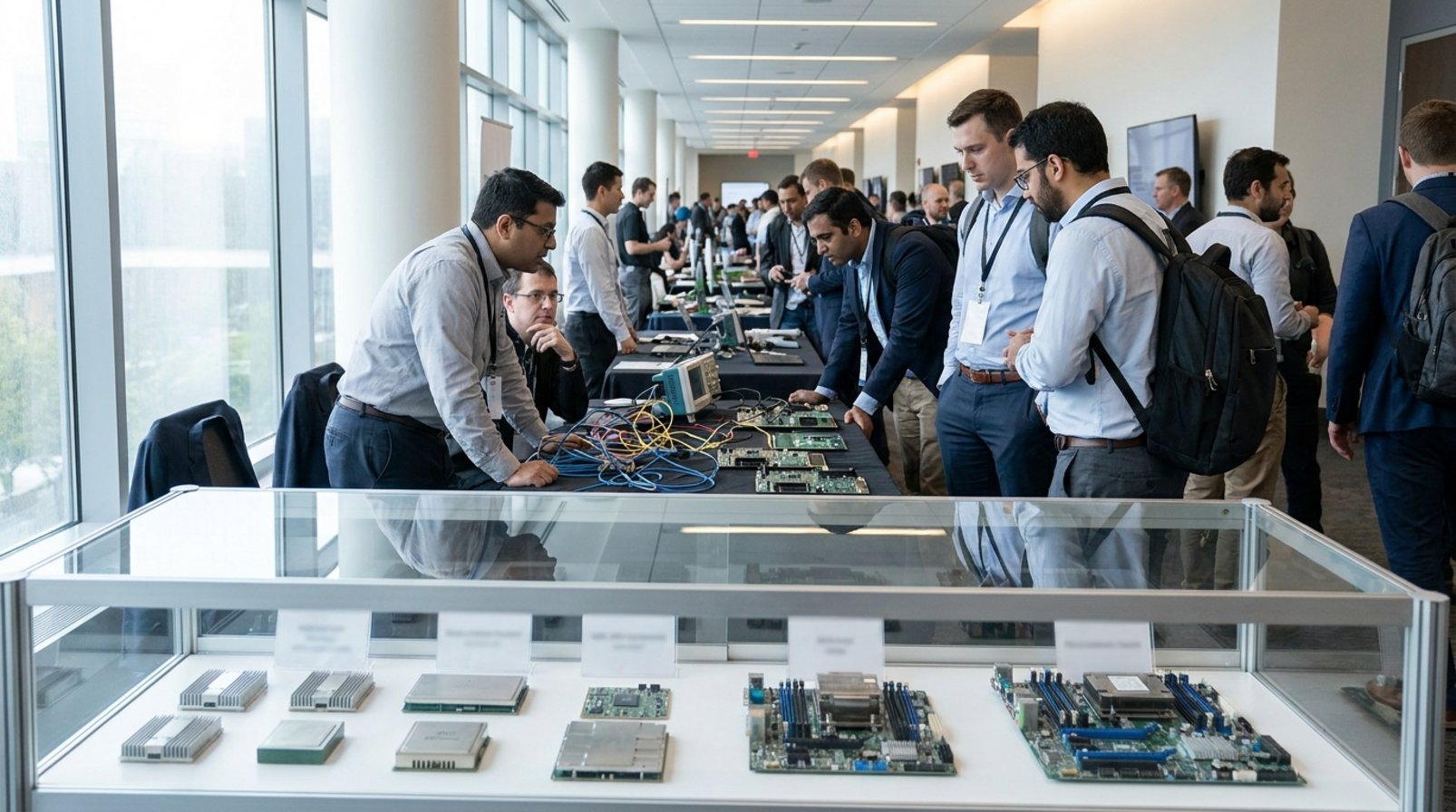
On the infrastructure side, AMD is mentioned with the Helios rack, which includes 72 Instinct MI455X GPUs, liquid cooling, and is described as a single “brain” for extremely large compute workloads. The strategic message here is that the AI race is not only about models, but also about who controls the computing power needed to train and deploy frontier-scale models. For technology companies, this is a sign that competition around cost per FLOP and open infrastructure will become increasingly important. Source: NO1ennn.

Grok 5 is being expected sooner if the release cycle continues
Another community speculation suggests that if Grok 4.6 and 4.7 are both released in August as rumored, the chances of Grok 5 appearing before the end of the year will increase. Of course, this is still only a forecast from close product watchers, not an official confirmation. But looking more broadly, the notable point is that AI release cycles are being compressed very strongly. This forces businesses to adapt continuously rather than wait for a long stable cycle like before. Source: Testlabor.

Anthropic pushes Graph Engineering for agent systems
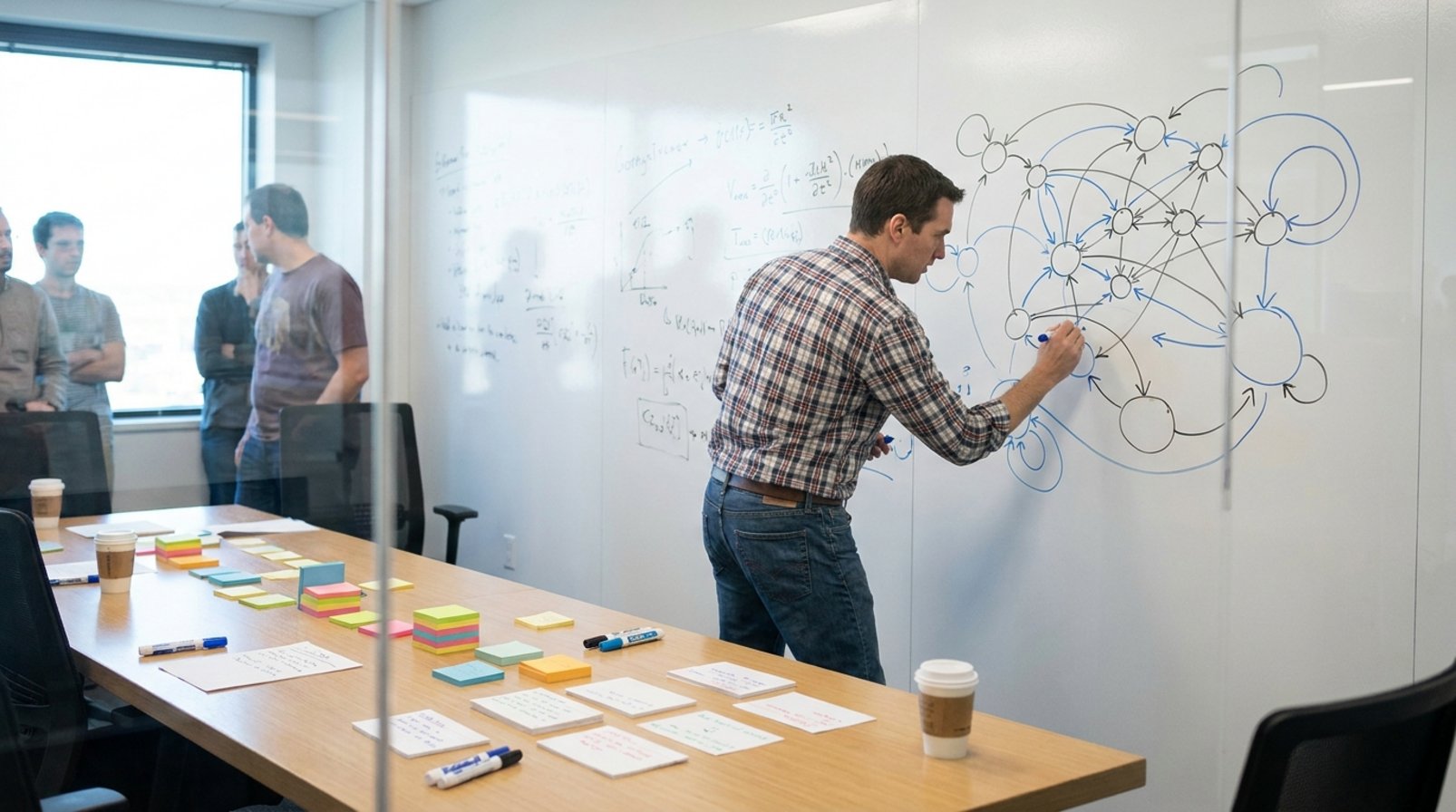
A two-hour workshop from an Anthropic engineer was highly praised by the community for going straight into “Graph Engineering” for agentic systems. The content focuses on state, nodes, feedback loops, agent evaluation, and behavioral cycles in graphs. This shows the AI industry is moving from writing single prompts to designing agent architectures that can improve themselves. For marketers and product teams, this is a useful technical foundation if they want to build content assistants, customer research tools, or automate complex workflows. Source: Codez.
Claude becomes a specialist for every department through plugins
Another highlight from the Claude ecosystem is 11 open-source plugins designed around specific job functions such as sales, legal, finance, marketing, HR, and engineering. Each plugin packages domain knowledge, workflows, slash commands, and the right tool connections. From a product perspective, this is a smart move: instead of forcing users to learn how to use AI from scratch, turn AI into a specialist in the context of the job. This is also a trend Vietnamese businesses should watch if they want to deploy AI by department. Source: Kanika.

Infrastructure for AI agents on blockchain: the CNPY and Canopy story
In the web3 infrastructure news cluster, several posts emphasize the needs of AI agents when they must automatically pay, confirm transactions, or run digital economies on-chain. Platforms such as Canopy are described as targeting startups, gameFi, DeFi, and AI builders that need a dedicated chain rather than relying entirely on third-party infrastructure. Although this sits at the intersection of AI and crypto, it points to a very clear direction: as agents become more autonomous, the need for transaction and identity infrastructure grows with them. Source: sasak.
AI agents on Robinhood Chain: on-chain identity and reputation
The final item in this roundup is about an NFT project tied to AI agents, focusing on concepts such as on-chain identity, verifiable reputation, automated DeFi/RWA execution, and native ETH payments. This is a typical example of how the community is experimenting with the “identity” and trustworthiness of agents in decentralized environments. In terms of trend, it shows AI is not only moving into office work but also into digital assets, identity, and financial automation. Source: Arcane.

Three shifts as AI moves from demo to enterprise operations
For Vietnamese businesses and marketers, this set of news shows three very important shifts. First, AI is moving from chatbot to a real operations tool that can read email, manage calendars, process files, create workflows, and coordinate multiple agents at once. Second, model competition is becoming harder to judge by benchmarks alone, so businesses should test by use case instead of chasing reputation. Third, content, SEO, and tool ecosystems will increasingly determine whether a brand appears in the user’s search journey, including through AI.

In other words, this is a good time for Vietnamese marketing teams to review their internal processes: which tasks can be handed to AI, which steps still need human review, and which data must be tightly protected. Those who move early will gain advantages in speed, cost, and the ability to learn from their own workflows.
See more marketing news and guides at https://marketing365.vn.
Follow more updates from Marketing365 to stay up to date with the latest marketing trends.
Read more articles in the same category AI Developments.
This article focuses on the latest AI news with a perspective for the Vietnamese market.
References
- SPACEXAI 🔥: Grok 4.6 model is expected to land already in 2 weeks, according to Elon Musk.
- Grok is rapidly evolving from an AI chatbot into a complete platform for real work
- opus 5 is a VERY interesting release for a few reasons
- Imagine @elonmusk releasing Grok 4.5 Open weights when Grok 4.6 or even 4.7 is released
- your AI agent can watch any video now – paste a URL and it sees every frame, hears every word, all for free
- Good evening fam Went for a haircut buh I’m back, let’s shake things up… Which brand do you think should launch on @Clashoai next?
- The real bottleneck wasn’t model capability. It was task preparation, orchestration, cost control, session hygiene, and human review.
- Tanrak is slowly climbing to my top 1 Gemini song
- Officially confirmed : Pixel 11 Series is going to get price hike due to memory price hike
- GPT-6 LEAK: OPENAI TARGETS AUGUST LAUNCH TO COUNTER MYTHOS
- state of bio/acc, mid-2026: (bookmark this)
- Now that Claude has released Opus 5, which in some ways is better than Fable 5
- Here’s a Hermes Agent tip that has proved quite valuable in my workflow!
- AMD JUST BUILT A MACHINE DESIGNED TO END NVIDIA’S MONOPOLY ON TRAINING FRONTIER LLMs
- Since we know that Grok 4.6 & Grok 4.7 are even both set to be released in August
- Anthropic engineer just released a 2-hour workshop on “Graph Engineering” for agentic systems
- ANTHROPIC JUST TURNED CLAUDE INTO A SPECIALIST FOR EVERY JOB FUNCTION.
- Not everyone needs to launch their own chain. But if you do want to launch a chain, you need @CNPYNetwork.
- Just found this one… Utility of AI agent: On-chain identity, Trustless A2A, Verifiable reputation