
Contents
- New AI models are entering the race for verifiable output
- What do tokens and RAG in new AI models actually affect?
- Speed, task structure and citations are changing how AI models are priced
- Unverified claims about DeepSeek V4.1 Flash and GrokBot
- Vietnamese language and internal data set limits for new AI models
- Test new AI models on a real workflow before increasing budget
- References
New AI models are not just adding more tools for marketers. They are pulling buying decisions closer to real work: processing speed, total cost, data connectivity and how verifiable the output is. For Vietnamese marketing teams, this shift matters because AI budgets can easily be split across many tools without a consistent way to measure them.
Key points
- A model’s value is determined by workflow output, not the model name.
- Speed and token cost need to be measured alongside quality and review time.
- Agents only create productivity when tasks are structured and control points exist.
- Vietnamese marketers should test on real data, with logs, citations and clear stop criteria.
New AI models are entering the race for verifiable output
Six developments in the source data together point to one change: models are no longer being evaluated on their own as chat products. DeepSeek V4.1 Flash is described through its 230–300 TPS speed and the token volume served in Command Code; AMD is placed next to Nvidia through performance per dollar when supporting slower models. On the application side, Azure RAG is described as a chain from data retrieval, search and access filtering to answers with citations. See more in the post about DeepSeek V4.1 Flash, the CUDA and AMD analysis and the Azure RAG workflow.
The common thread is that users have to pay for both the model running underneath and the operations around it. A fast model that is hard to verify can increase editing hours. An agent with many capabilities but used inside a single chat window may not deliver the expected productivity. So the argument that fits marketers is this: buy the ability to finish the job, not just access to the model.
What do tokens and RAG in new AI models actually affect?
The update block below records only the tools, capabilities or numbers stated directly in the source material. They are inputs for marketing teams to design tests, not proof that every claim has been independently verified.
DeepSeek V4.1 Flash: comparing speed with workflow cost
DeepSeek V4.1 Flash is described in one post as reaching 230–300 TPS, and Command Code is said to have served 3.1 trillion paid tokens in its first 24 hours. For marketing, the useful information lies in how to measure it: take the same content creation, data classification or coding task, then record response time, token count and the time humans spend fixing it. Source: Ahmad Awais.

CUDA and vLLM: check the hardware before switching models
SemiAnalysis’ analysis says support for DeepSeek V4.1 Flash on CUDA appeared earlier than the corresponding AMD image, while also noting performance-per-dollar differences across hardware. Marketing teams do not need to turn themselves into infrastructure teams, but they do need to ask which hardware the model runs on, what the real speed is and how costs rise as query volume increases. Source: SemiAnalysis.
Azure RAG: putting citations and access rights into the output brief
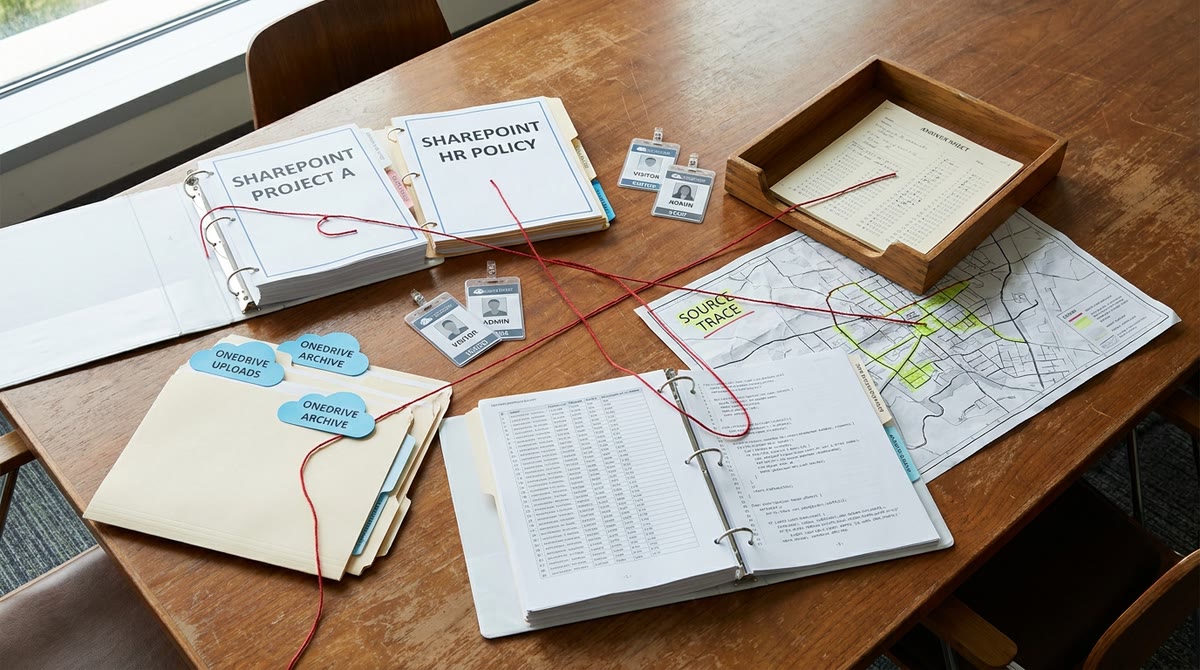
The Azure RAG workflow combines data from SharePoint, OneDrive, Blob Storage, SQL and enterprise applications; it then searches, filters permissions, reranks and generates answers with sources. This directly affects content marketing, customer support and market research: the answer has to trace back to which document, which data point and who is allowed to see it. Source: Aiswarya Venkitesh.
Astra reset and context management: track quality after every change
An Astra update mentions issues caused by an old skill, context-management testing and some poorly configured engines; the post also says the team turned off tests affecting an estimated 4–5 thousand users. For marketing teams, the testable lesson is to have a prompt set, output samples and a dashboard comparing before and after each change, instead of asking a few times and then drawing a conclusion. Source: Codex Resets.
Speed, task structure and citations are changing how AI models are priced
300 TPS does not replace time-to-completion measurement
The speed cited in the DeepSeek post matters when it shortens waiting time in a specific workflow. But the CUDA analysis shows that speed also depends on the hardware stack and model support. Together, the two sources point to one mechanism: marketers should measure the time from task assignment to approved output, not just tokens per second. If a faster draft still needs many revision rounds, the practical benefit may be lower than the technical number.
Multi-role agents only work when the work is broken into stages
The 2026 tool list describes many agents for coding, app building, scheduling and task automation. Another account describes organizing more than 20 GrokBot agents by Chief of Staff, manager and specialist, but also notes that most users still only use a single chat window. Set beside the RAG process of querying, filtering, retrieving and evaluating, the two sources show that agents need clear inputs, roles and handoff points. Without that, adding more agents only creates more places to check. Source: AI tools list and GrokBot usage description.

Model quality has to be tied to logs and sources
The Astra update emphasizes that the model tracks new messages and checks work better, while Azure RAG puts groundedness, relevance, latency and cost into the evaluation stage. These two examples make the same demand for marketing: save the prompt, input documents, answer, errors and processing time. Only then will the team know whether the model is weak at understanding the brief, pulling the wrong data or simply failing at the final step of the workflow.
Unverified claims about DeepSeek V4.1 Flash and GrokBot
Is 3.1 trillion tokens enough to conclude the model won?
One personal account calls 3.1 trillion paid tokens a record and gives a 230–300 TPS figure. This is a claim from a personal post; the material contains no independent confirmation from Command Code or a full comparison table. What is usable: marketing teams can use these numbers as a hypothesis to test against their own traffic, cost and output quality, not as the sole basis for switching vendors.
Is a 20-agent model the standard way to use marketing?
One post quotes a SpaceXAI engineer as saying only about 1% of users use GrokBot in a multi-agent setup. This is a secondhand account through an intermediary, not a company-confirmed guide or an independent benchmark. What is usable: try splitting one workflow into a planner, a checker and an executor at small scale; if the number of revision rounds does not fall, there is no need to expand the agent structure.
Vietnamese language and internal data set limits for new AI models
In Vietnam, the challenge is not only choosing a model with high speed. Briefs often mix Vietnamese, product names, pricing tables, brand rules and customer data. The RAG workflow shows that data has to be retrieved correctly, tagged with metadata, permission-filtered and returned with citations. So a model that scores well on a general benchmark still needs to be tested again with Vietnamese FAQs, industry content and cases where customers ask with incomplete information.
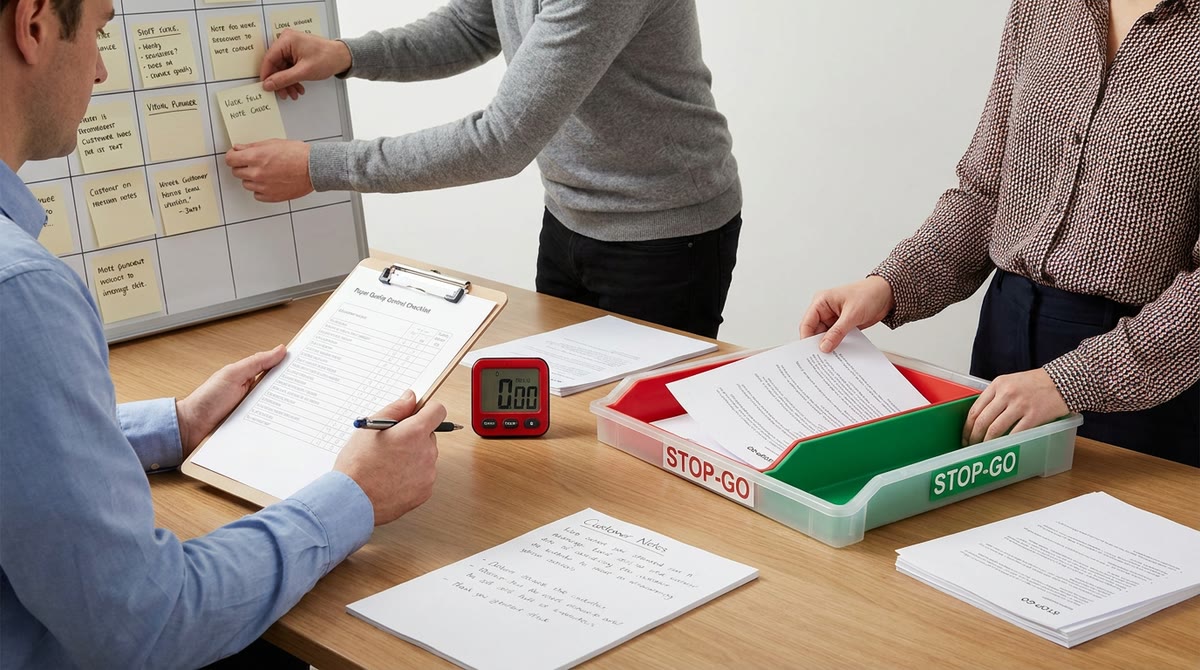
Marketing teams should also separate three types of work: content that can be automated, content that needs partial review and data that must not leave the system. This split is more practical than handing the entire process to one agent and then fixing errors at the end.
Test new AI models on a real workflow before increasing budget
- Choose one workflow with a clear output, such as drafting a landing page or answering FAQs, then record completion time and revision rounds.
- Compare at least two models using the same prompt, the same data and the same approval criteria; record tokens, cost and content errors separately.
- Add citations, logs and access checks before connecting the model to customer data or internal documents.
- Only expand agents after proving that the hours saved are greater than the time spent supervising and fixing outputs.
See more marketing analysis and guides at https://marketing365.vn.
Follow more analysis from Marketing365 to stay updated on the latest marketing trends.
Read more articles in the AI Developments category.
References
- Codex Resets — Astra reset and quality update
- SemiAnalysis — CUDA ecosystem and DeepSeek V4.1 Flash support
- Daniel Brooks — AI tools to know in 2026
- CyrilXBT — GrokBot multi-agent usage claim
- Ahmad Awais — DeepSeek V4.1 Flash first-24-hour usage claim
- Aiswarya Venkitesh — Enterprise RAG on Azure workflow