Contents
AI agent is becoming a development direction that many technical teams and marketers are paying attention to because it can not only answer questions, but also carry out chains of tasks, self-check, and improve through loops. In this context, concepts such as Graph Engineering and agentic RAG are gradually moving from the lab into practice, bringing changes to how businesses design, evaluate, and deploy AI.
Key points
- Anthropic announced a free 2-hour workshop on Graph Engineering for agentic systems.
- The workshop focuses on state, nodes, feedback loops, agent evaluation, and context management.
- The agentic graphs trend shows AI shifting from a “respond” model to an “execute and self-improve” model.
- For Vietnamese businesses, this is a signal to learn early how to build controlled AI systems instead of relying only on disconnected tools.
Anthropic launches a free Graph Engineering workshop for agentic systems
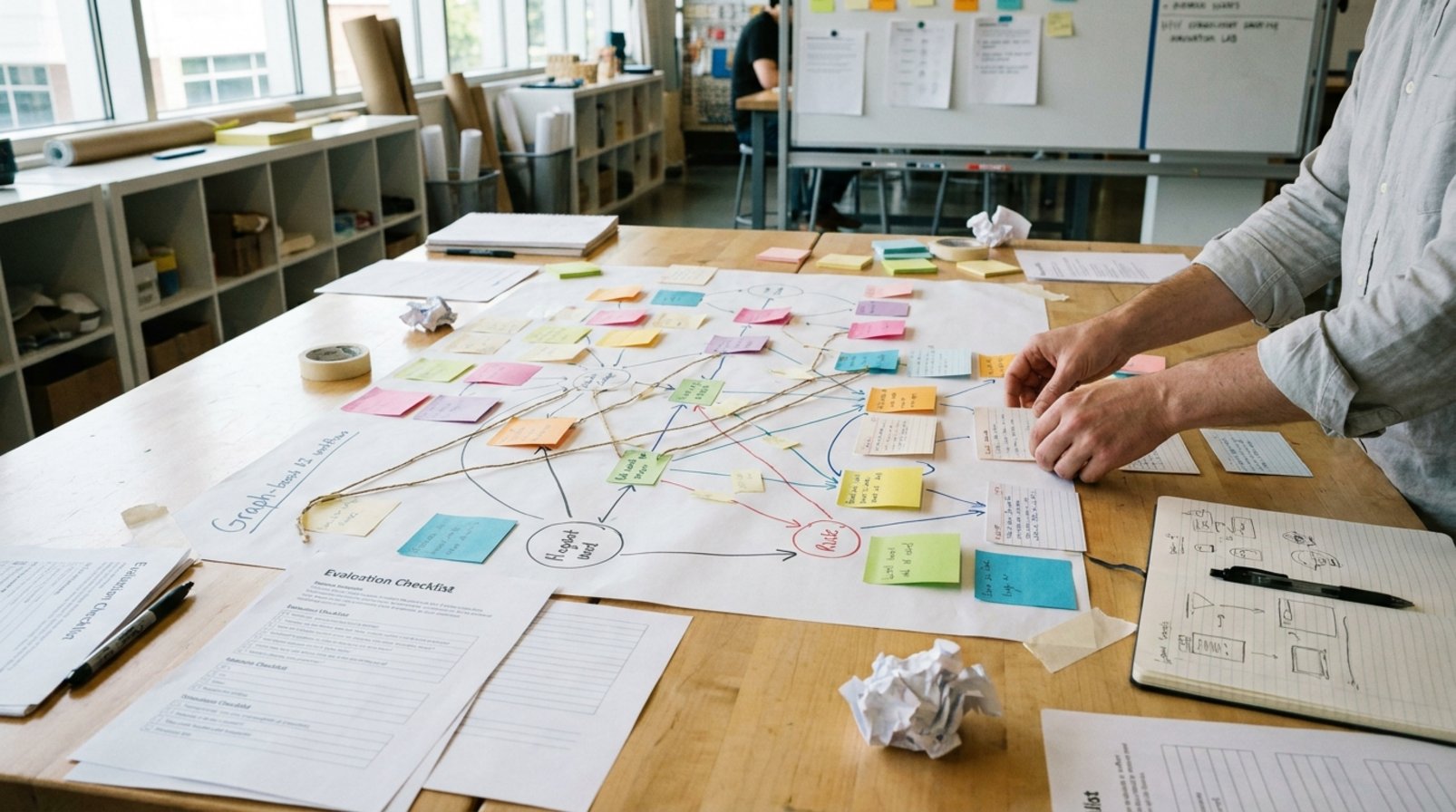
According to a post circulating on social media, Anthropic engineers have just released a free 2-hour workshop on Graph Engineering for agentic systems. What stands out is not only that the material is available for free, but also the accompanying message: “self-improving loops” are gradually becoming the standard, and graph-based architecture is changing how AI systems are built.
The workshop’s content list shows that Anthropic is focusing on highly practical components: from RAG and graphs fundamentals, the concept of state & nodes, to the 3 feedback loops of graph agents, how to evaluate agents with graphs, agent cycles, agentic RAG, and building graph-based evaluation datasets. These are important building blocks if businesses want to move from chatbot experiments to AI systems capable of acting through workflows.
For marketers, this points to a major shift: AI is no longer just a tool for generating content or summarizing information, but is moving toward coordinating steps in workflows such as lead classification, customer support, content optimization based on feedback, or automatically suggesting the next step in the sales funnel.
Source: a post shared on X about Anthropic’s workshop.
Why graph engineering is seen as the foundation for the next generation of AI agents
Unlike building AI as a linear chain of commands, graph engineering emphasizes modeling systems with nodes, states, and the relationships between them. This approach is especially well suited to agentic systems, where AI needs to go through multiple steps, self-check outputs, return to a previous step if needed, and continuously update context.
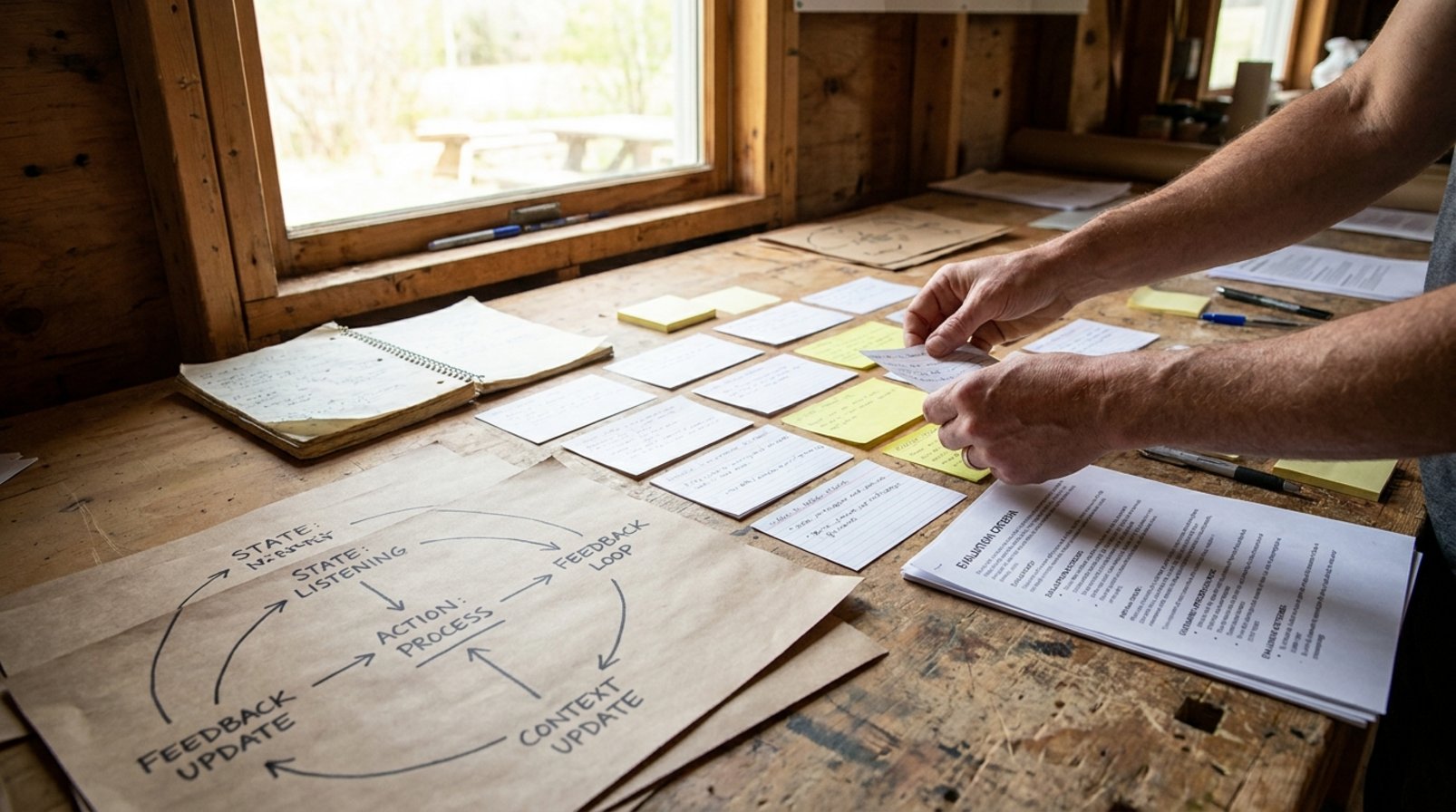
An important signal from Anthropic’s workshop is that agent evaluation should no longer rely on subjective impressions. When a system has multiple feedback loops, businesses need clear measurement frameworks to know whether the agent is truly improving or merely “seeming smart” in a few sample scenarios. This is why evaluation datasets, processing flows, and context governance are becoming just as important as the base model itself.
In terms of application, this trend could directly affect how marketing teams run automation. Instead of using a single AI tool to write articles or reply to customers, businesses can build a multi-layer system: collect data, analyze intent, generate recommendations, check brand criteria, then publish or hand off to a reviewer. This model reduces risk, increases consistency, and is easier to scale.
Source: a post shared on X about Anthropic’s workshop.
Read more: Multi-Loop Agent Workflows Are Proving More Reliable in Deployment
Read more: AI Speaker Opens a New Kind of Advertising
Design the workflow first, then choose agentic AI tools
For Vietnamese businesses, especially marketing, e-commerce, and customer service teams, the agentic AI trend raises two things that need to be done early. First is learning how to design processes before choosing tools: AI is only effective when the workflow, input data, and validation criteria are clearly defined. Second is investing in evaluation and risk management, because the more automated a system is, the more it needs monitoring mechanisms to avoid misinformation or behavior that is not aligned with the brand.
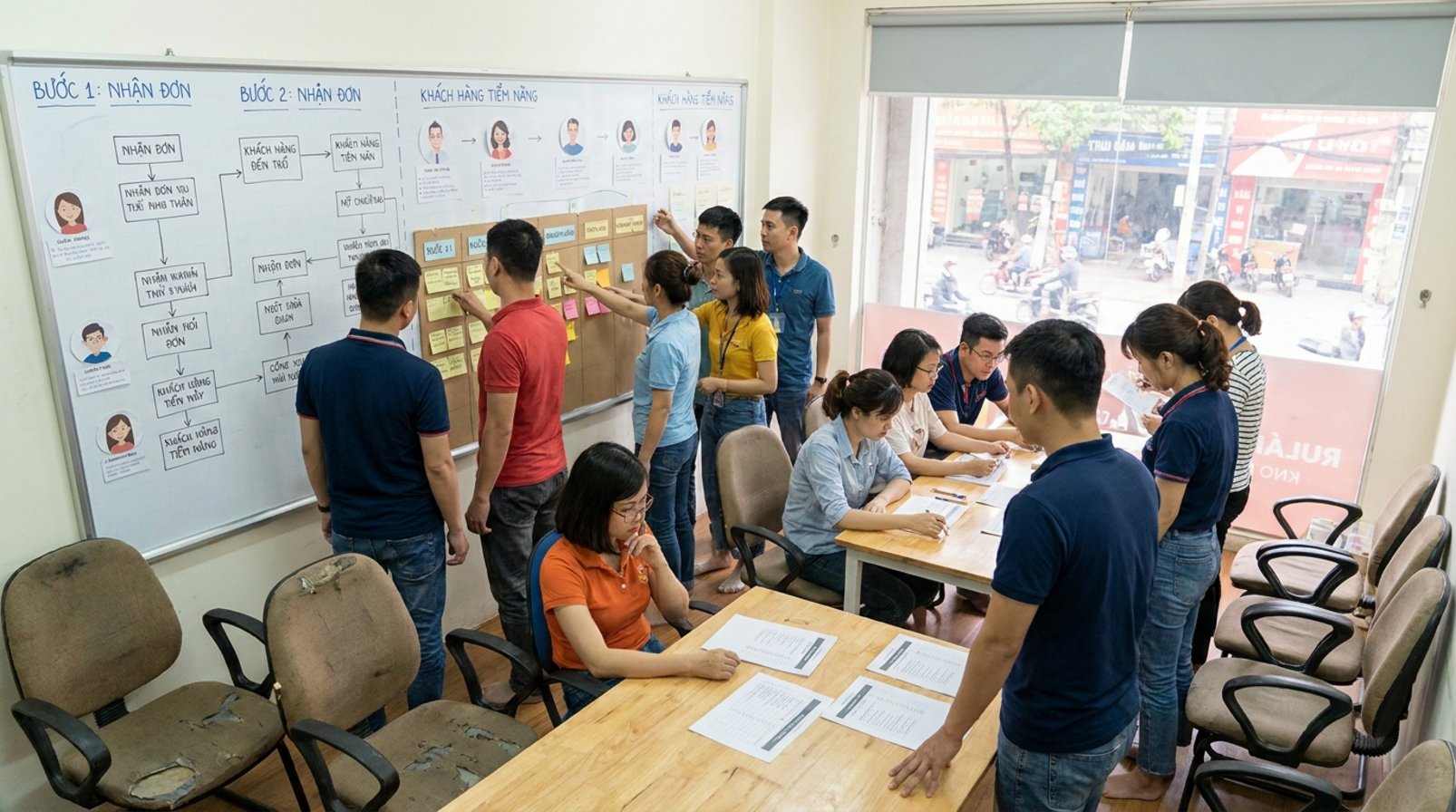
On the opportunity side, this is also a good time for Vietnamese businesses to test small but measurable use cases: helping classify inbox messages, suggesting customer care content, generating campaign summary reports, or building an internal assistant for the marketing team. If done right, the benefit is not only time savings but also the creation of a foundation for an AI infrastructure that can scale in the future.
In short, Anthropic’s free workshop is not just a learning resource, but also a signal that the AI game is shifting into a “build systems” phase rather than a “use features” phase. That is an important lesson for any marketer or business that wants to go the distance with AI.
Reference: a post on X sharing Anthropic’s Graph Engineering workshop.
See more marketing news and guides at https://marketing365.vn.
Follow more updates from Marketing365 to stay up to date with the latest marketing trends.
Read more articles in the same category Động thái AI.
This article focuses on Graph Engineering AI with a perspective for the Vietnamese market.