
Contents
AI race is no longer just about who has the stronger model, but who controls the infrastructure layer, data, workflows, and user habits. For Vietnamese marketers, this is an important signal because the next competitive advantage will lie in the ability to integrate AI into operations, customer care, and content production, rather than simply “trying a new tool.”
Key points
- AI is shifting from a feature race to an ecosystem race and default-standard race.
- Low cost, free, and “use now” are powerful lures, but the real advantage lies in data, distribution, and user behavior.
- Platforms are pushing AI into coding, workflow, search, memory, and advertising, embedding AI deeper into everyday operations.
- Vietnamese businesses need to prepare for platform dependence, data security, and internal integration capability.
From models to ecosystems: Meta's Muse and OpenAI's push
The most notable thing about the current AI wave is how quickly it is expanding from models to ecosystems. Meta launched Muse Spark 1.2 and Muse Code to go deeper into long-horizon programming tasks, while OpenAI continues to expand features for ChatGPT and test ads in Brazil and Mexico; at the same time, Google DeepMind is restructuring leadership roles, showing that AI has become a strategic center rather than a standalone lab [6][14][15][16][17][3].
It is not only the U.S. “giants” either: models and tools from China are also blurring the line between powerful technology and cheap technology. Comments about Grok, Kimi, Qwen, and DeepSeek show that the market is increasingly valuing low-cost models with enough capability to deploy at scale [12][13][6]. At the same time, tools such as MemoryPlugin, Notetaker, and Codex voice mode show AI embedding itself deeply into the work lifecycle: from session memory and voice input to task automation and multi-session collaboration [9][7][22].
From a marketing perspective, this is no longer a race to “launch the fastest model,” but a race to become the default layer in digital work. When AI moves into chat, code, search, advertising, note-taking, and workflow, the platform that keeps users longer will capture better training data, behavior data, and distribution power [3][9][22][23].
Why is the advantage shifting to the platform layer and user habits?
Recent developments show that free is no longer just a “perk,” but a strategy to attract and lock users into an ecosystem. Glenn Beck’s post criticized how people once “paid” Google with data and attention, then warned that free AI could repeat that pattern; at the same time, news that OpenAI is preparing to bring ads into ChatGPT shows that even premium AI products are looking to monetize through traffic and engagement [1][3].

From a product standpoint, AI is moving toward “keeping users in the workflow” rather than just answering questions. Meta’s Muse Code is described as a terminal coding agent handling long-term software tasks; OpenAI’s Codex voice mode lets users speak ideas, start a new session, and continue managing other sessions. The longer users stay inside one platform, the more that platform benefits from contextual data and feature expansion [17][22][16].
This is why the models that are not the “prettiest” can still win in a pragmatic market. Muse Spark 1.2 is highlighted for clear improvements in agentic knowledge work, while MemoryPlugin expands the ability to gather history from multiple tools into a searchable memory store. For marketers, that means victory is no longer about having the best model, but about turning AI into the team’s operating system [6][9][7].
Whoever sets the default standard first sets it for everyone
If you look closely at the sources, one common denominator is the speed at which ecosystems “lock in” standards. Meta keeps rolling out Muse Spark 1.2 and then Muse Code; Google is reorganizing AI leadership roles; and other ecosystems are continuously adding improvements for agents, ads, sessions, and workflows [6][15][16][17][3][5]. In this game, whoever arrives first at the everyday tool layer gains an advantage in shaping how users think, work, and make decisions.
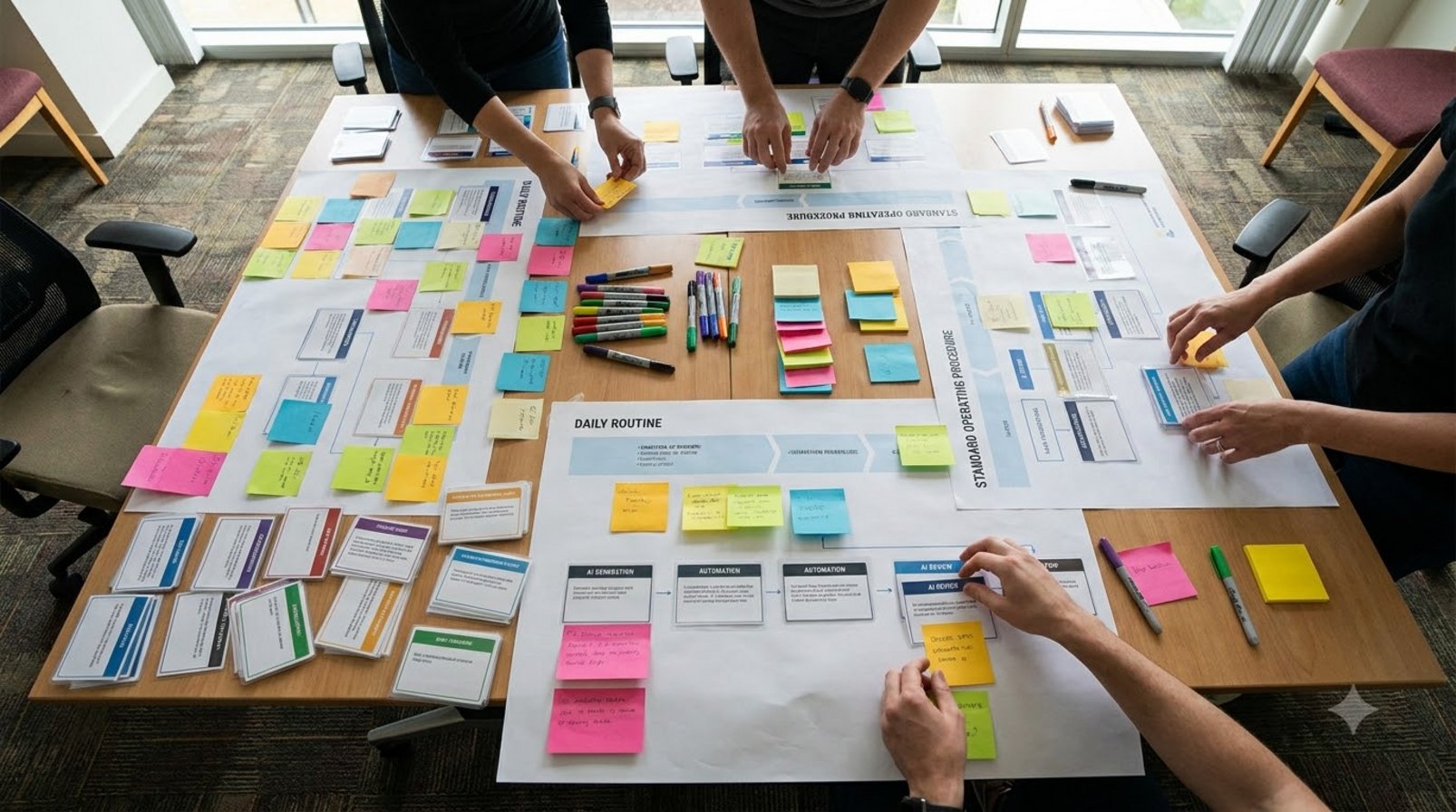
For businesses, the cost of waiting is not just falling behind competitors on one tool, but allowing competitors to accumulate usage data and standardize processes first. Once a team gets used to one platform for note-taking, coding, content analysis, customer management, or workflow automation, switching later becomes very expensive. Moves such as ads in ChatGPT, agent extensions, or multi-tool storage show platforms trying to keep users inside for as long as possible [3][9][17][22].
At the marketing strategy level, this is also a reminder that “putting AI to work” matters more than “running campaigns about AI.” Workflow-support tools and communities sharing use cases such as Community AI Workflow Hub show that the real value lies in concrete application: whoever uses it better will move faster, not whoever talks about AI more [23][7][22].
A view for the Vietnamese market
For Vietnamese businesses, the biggest risk is not that AI becomes too powerful too quickly, but that they become dependent too early on a single platform without the ability to control their own data, workflows, and distribution channels. As AI tools become increasingly “free,” convenient, and deeply integrated, marketers can easily trade away autonomy for deployment speed, just as the comments warning that “free” often comes with another kind of cost suggest [1][9].
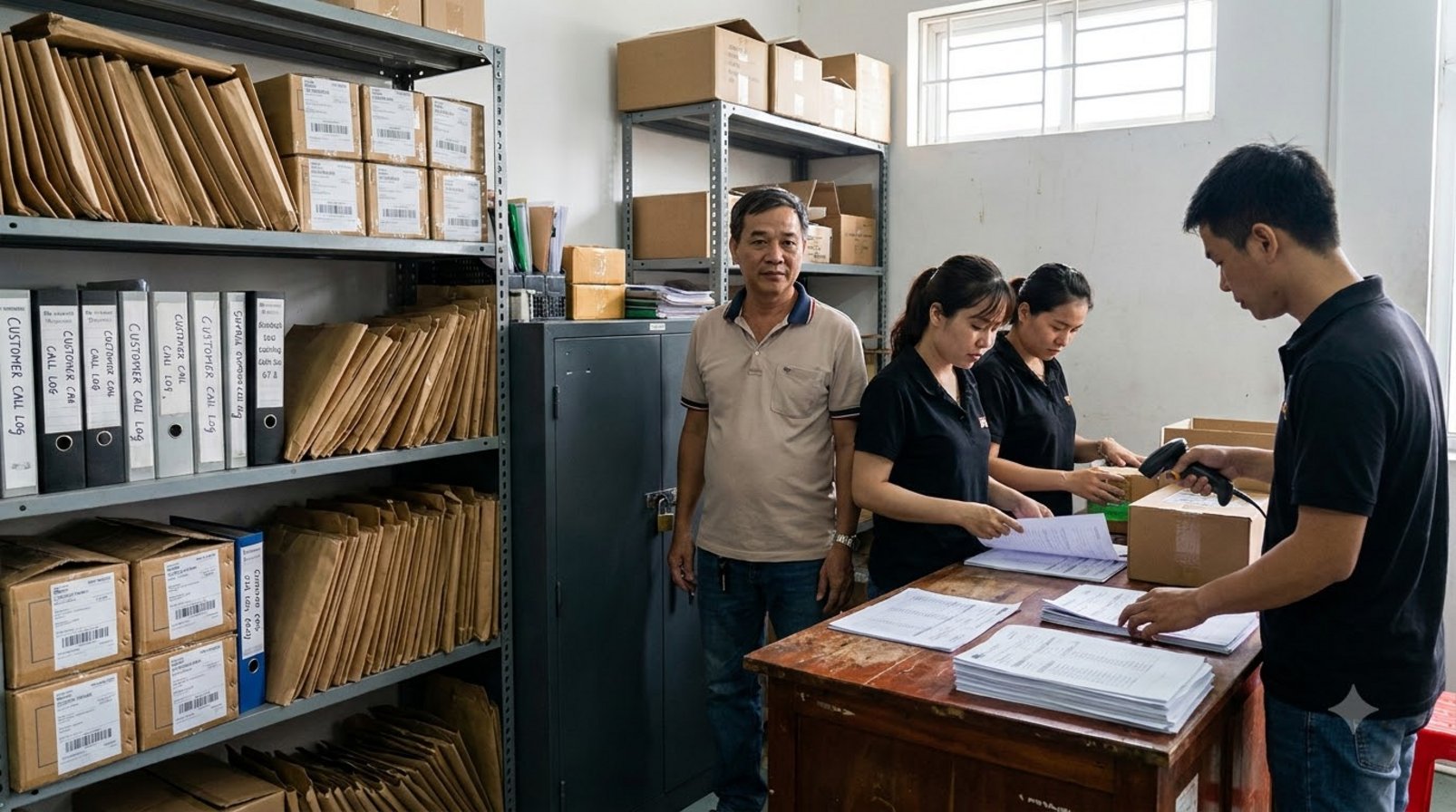
However, the opportunity is also very clear. New models, agents, and workflows are driving major marketing productivity gains if businesses know how to standardize inputs: briefs, customer data, brand documents, sales scripts, content libraries, and approval processes. What Meta, OpenAI, and the builder community are doing shows that AI is not just a creative tool, but an infrastructure layer for organizing work better [16][17][22][23].
In Vietnam, the advantage will belong to teams that know how to integrate AI into CRM, customer care, omnichannel content, and performance reporting, rather than chasing every model update. In other words, the question is not “which model is leading?”, but “has your team built a work system flexible enough to change models without changing the entire process?”
Track which data flows through which AI platform

- Audit every AI touchpoint currently used in marketing, sales, and customer care to know which data is flowing through which platform.
- Standardize prompts, briefs, checklists, and brand documents into a “shared memory” so the team works more consistently across tools.
- Prioritize use cases with direct productivity impact: meeting summaries, draft content creation, lead classification, customer replies, and feedback analysis.
- Set clear security and data-control rules before expanding AI into sensitive workflows.
In short: AI is entering a phase where whoever controls the work ecosystem will control the competitive advantage. For Vietnamese marketers, this is the time to shift focus from “trying AI” to “redesigning how the team operates with AI.”
See more marketing analysis and guides at https://marketing365.vn.
Follow more analysis articles from Marketing365 to stay updated on the latest marketing trends.
Read more articles in the same category AI developments.
References
- When Google first showed up, it was completely free—and we cheered…
- OpenAI is planning to launch ads on ChatGPT in Brazil and Mexico soon…
- Google DeepMind CEO Demis Hassabis announced that he is transitioning…
- Introducing Muse Code (beta), a terminal coding agent built for long-horizon software engineering…
- Meta has released Muse Spark 1.2…
- MemoryPlugin released a macOS app…
- We launched Notetaker today…
- Builders are finding new ways to build out loud with Voice in Codex…
- Blown away by the response to the Community AI Workflow Hub…