Contents
- ChatGPT photo editing in 2026 shows personal photos becoming storytelling material
- What is pulling users into ChatGPT photo editing — and what it means for how marketing teams think about UGC
- “Roast me” caricatures: personalization makes photos more shareable
- Toy-ification: turning real people into collectibles to increase ownership appeal
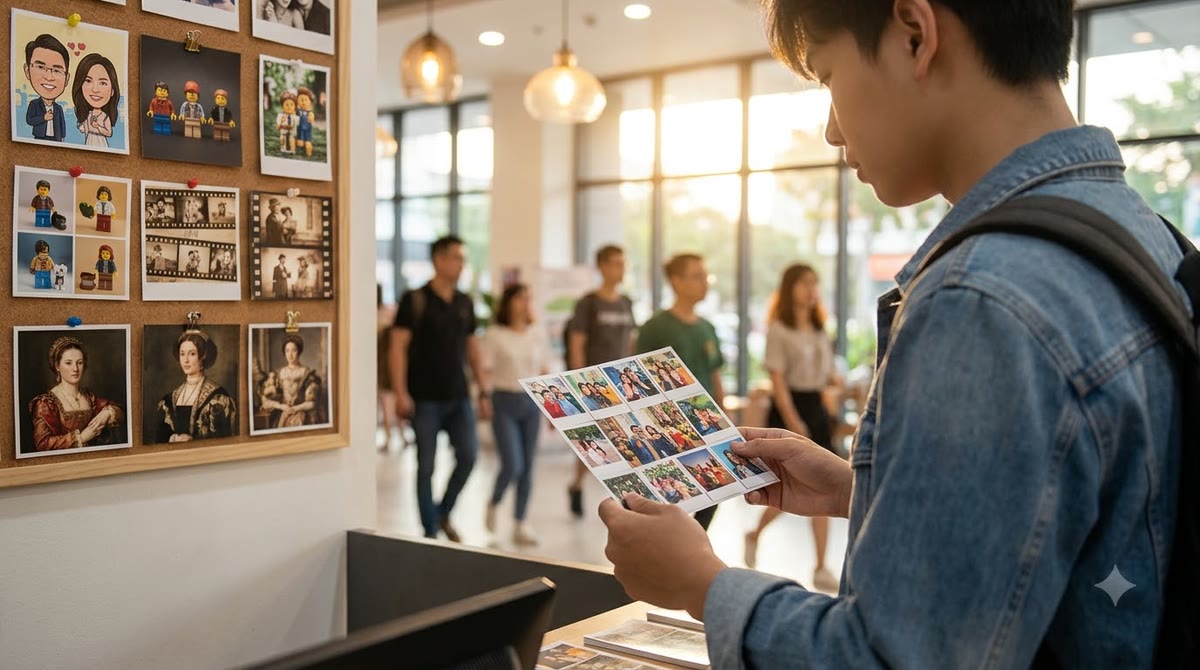
- Anti-AI aesthetic: users are starting to like flaws, film grain, and a sense of reality
- Cinematic history hopping: context-driven storytelling gives content more depth
- Vietnam’s market will read ChatGPT photo editing as a UGC opportunity, not just a beauty trend
- What marketers should do to turn ChatGPT photo editing into a content advantage
- References
In 2026, personal photos on social media are no longer just for preserving moments. With ChatGPT, users are turning selfies into caricatures, toy characters, old film photos, and storytelling collages, and that is an important signal for marketers: visual content is shifting from “beautiful” to “story-driven.”
For the Vietnamese market, this is not just an entertainment trend. It signals a shift in how brands can tap into user-generated content, design UGC, and build visual identity around emotion, memory, and personality.
Key points
- ChatGPT photo editing in 2026 shows that users prefer personalized images over overly polished edits.
- The four standout directions are “roast me” caricatures, toy-ification, anti-AI aesthetic, and cinematic history hopping.
- What these trends share is a shift in focus from filters to storytelling.
- Vietnamese marketers should see this as a signal about UGC, community, and brand expression, not just an AI gimmick.
ChatGPT photo editing in 2026 shows personal photos becoming storytelling material
A TechRepublic article shows a very clear change: users are no longer using AI only to “make photos look better,” but to turn them into a more expressive version of themselves. From the original article 6 Best ChatGPT Photo Editing Trends in 2026 (With Prompts to Try), the four image styles drawing the strongest attention are caricatures, toy-style portraits, intentionally flawed images that resemble old film, and scrapbook-style collages.
For marketers, the key point is this: photos are no longer the final output of editing. They become a “content unit” that can be personalized, remixed, and shared again. When users voluntarily put personal photos into an AI workflow to create another version of themselves, brands gain another layer of emotional data to tell stories with, as long as they know how to keep the boundary between entertainment, identity, and trust.
What is pulling users into ChatGPT photo editing — and what it means for how marketing teams think about UGC
The trends in the source do not stand alone. They all rely on the same mechanism: users like seeing themselves in a new form, but still recognizing that it is them. That is why this set of effects spreads so quickly across X, Instagram, TikTok, Pinterest, and Facebook.
“Roast me” caricatures: personalization makes photos more shareable
The caricature trend is described as a kind of AI “playful roasting” based on personal traits. The sample prompt in the source is: “Create a caricature of me based on everything you know about me.” The appeal is not how closely it matches the original photo, but that AI can push personality to a humorous, sometimes slightly sharp level, while still being distinctive enough that viewers want to tag friends. See the original description at TechRepublic: ChatGPT photo editing trends 2026.
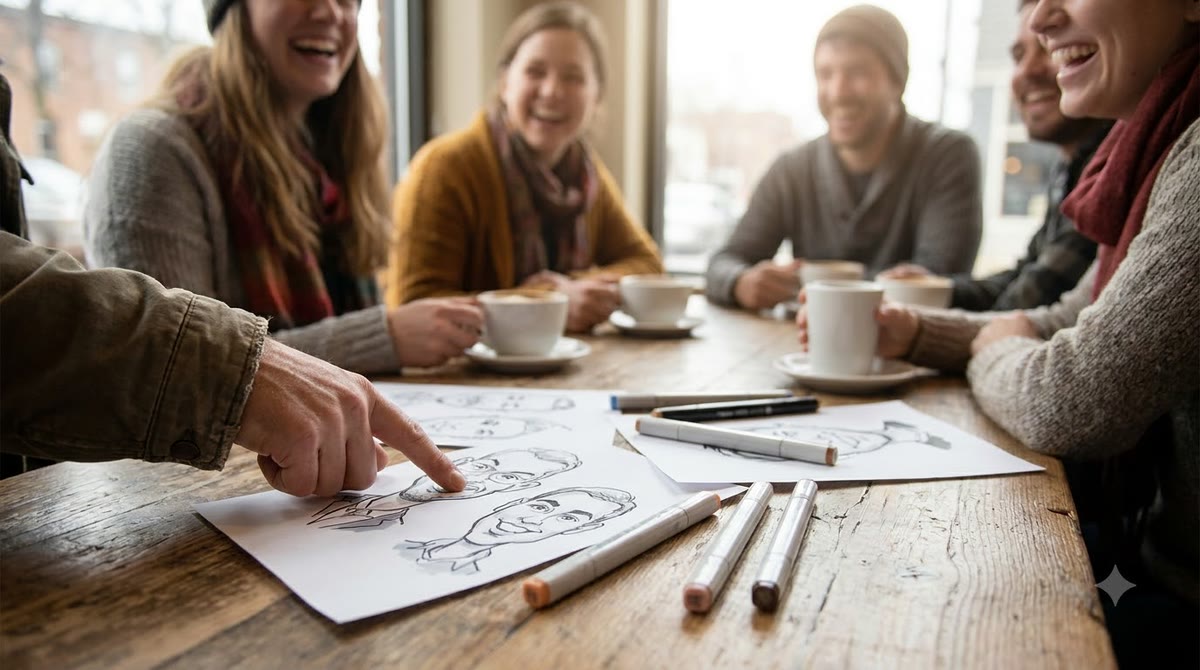
For brands, this is a lesson in interactive UGC. Content that makes users feel “that is so me” is often easier to share than content that only tries to look good. But if brands apply it, the humor has to be handled carefully enough not to cross into a sense of attack.
Toy-ification: turning real people into collectibles to increase ownership appeal
The toy-ification group turns real people into 3D Chibi figures or action figures with display boxes. The source of its appeal is a sense of “main character energy”: everyone wants to see themselves as a collectible version. The sample prompt in the source emphasizes big eyes, neon colors, and cyberpunk-themed packaging, meaning the entire image is designed like a retail product.
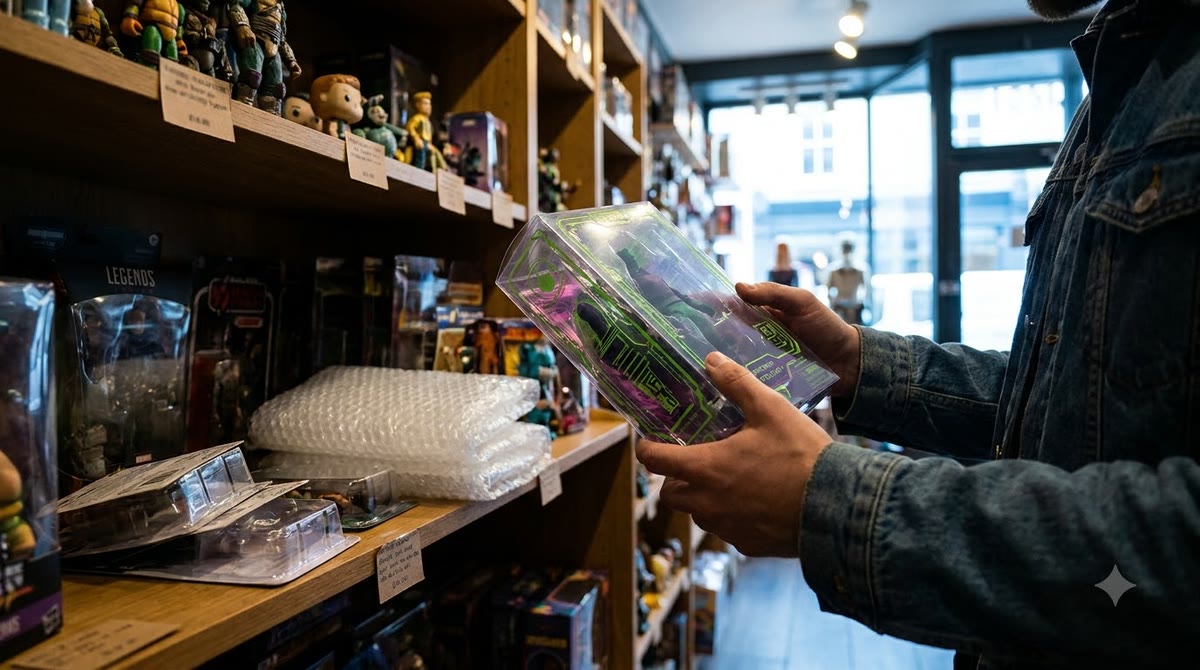
This is a highly notable signal for consumer brands, gaming, toys, fandom, and retail. When someone is willing to turn their photo into a virtual collectible, they are also more willing to engage deeply with a brand-created aesthetic world. In other words, AI is making “self-productization” easier to spread.
Anti-AI aesthetic: users are starting to like flaws, film grain, and a sense of reality
On the other side, the anti-AI aesthetic trend shows that users are getting tired of excessive smoothness. They deliberately add grain, blur, light leaks, and an old-photo feel to make images look more natural. In the source, the sample prompt asks for a sharp photo to be turned into an aged Polaroid with heavy film grain and warm light spilling into one corner.
The valuable point for marketers is the psychology of “too perfect means less real.” When AI makes everything glossy, the new value lies in scratches, softness, and the feeling of not being over-edited. This opens a new aesthetic language for brands: not every image has to be spotless; brands can intentionally create a more everyday feel to build trust.
Cinematic history hopping: context-driven storytelling gives content more depth
The cinematic history hopping group lets users place themselves in a specific era, such as the 1920s, and have AI adjust the lighting, clothing, and materials to match. The source emphasizes that this is a favorite among teachers, storytellers, YouTubers, and Instagram creators because it creates the feeling of “actually being there,” rather than just pasting in a background.
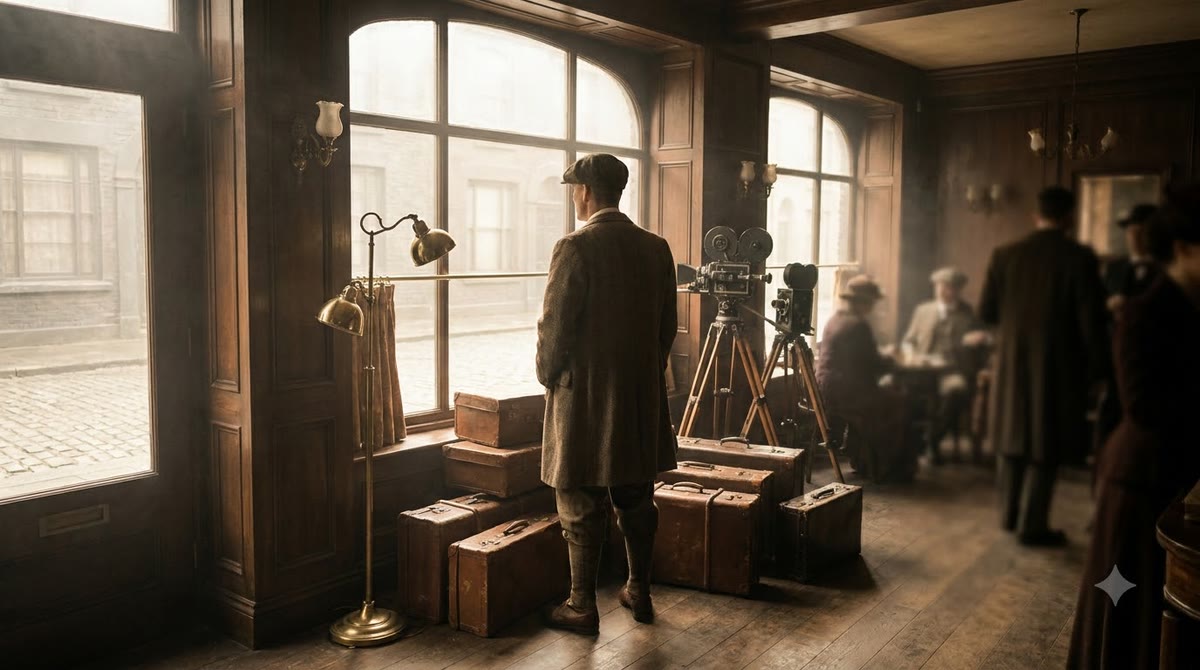
For marketers, this is a form of visual storytelling that can work well in campaigns built around brand history, heritage, fashion, travel, or culture. The key point is that AI does not just create images. It creates context that helps viewers read the story faster.
Vietnam’s market will read ChatGPT photo editing as a UGC opportunity, not just a beauty trend
In Vietnam, visual trends are usually adopted very quickly, but the way they are used is often highly practical. Users like things that are fun, easy to try, and easy to show off online right away. That is why image styles like caricatures, Chibi figures, old film photos, or historical scene inserts all have a chance to spread if the prompt is short, easy to use, and produces a clear result.
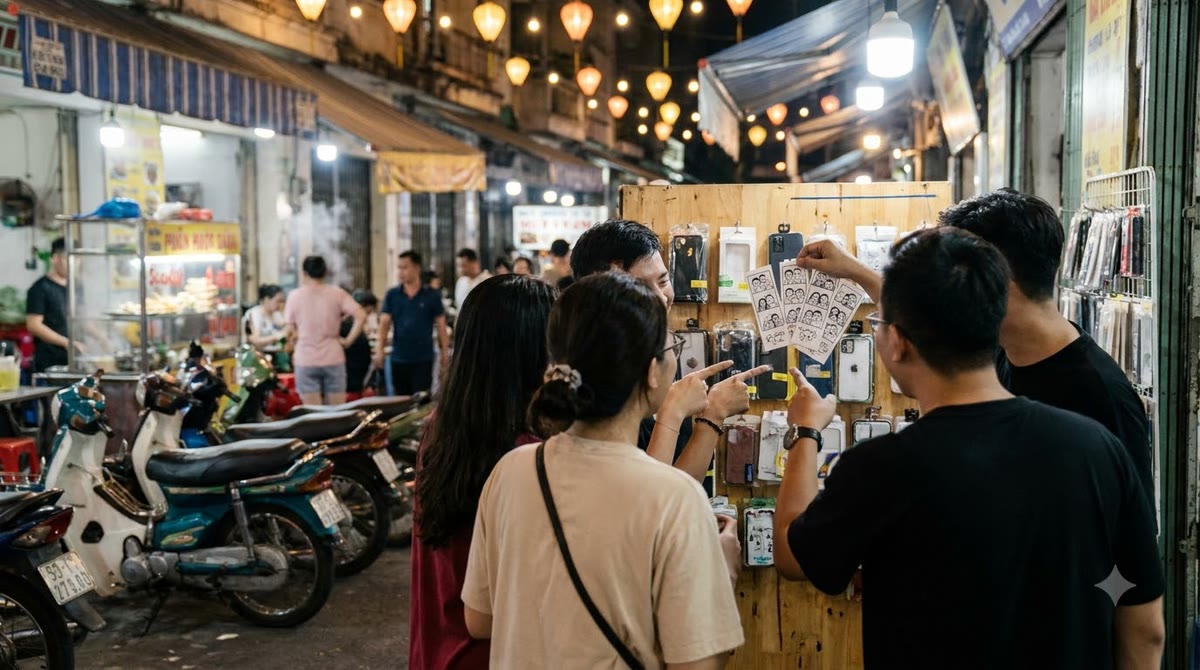
For marketing teams, the structure of the community is what matters. When an AI image trend spreads, it creates countless self-shot, self-made, self-posted versions. That is UGC with low activation cost. Vietnamese brands can learn from this to design mini-campaigns, filter concepts, or prompt challenges, as long as they do not turn them into dry technical contests.
In the Vietnamese market, sensitivity also needs more attention. Caricatures can be fun, but if they touch on appearance, tone, or cultural elements without enough nuance, a brand can easily lose goodwill. Put simply: Vietnamese users prefer intelligence and charm over technological showmanship.
What marketers should do to turn ChatGPT photo editing into a content advantage
- Design prompts around brand personality, not just visual effects.
- Prioritize content formats that are easy to reshare: caricatures, collectibles, film looks, storytelling collages.
- Set clear boundaries for humor to avoid offending users with their own portraits.
- Test small UGC concepts first, then scale into larger campaigns if users respond well.
The deeper point of this trend is a shift in creative thinking: photos are no longer just finished products, but inputs for interaction. When AI makes photo transformation so easy, the competitive advantage is not in “knowing how to use the tool,” but in understanding how users want to see themselves.
That is the fastest lesson Vietnamese marketers should take from the 2026 ChatGPT photo editing craze: technology is only the medium. Winning content is content that connects with the feeling of being recognized, retold, and shared.
See more marketing analysis and how-to guides at https://marketing365.vn.
Follow more analysis from Marketing365 to stay updated on the latest marketing trends.
Read more articles in the Digital Trends category.