
Contents
- 552B and 1.5B show how new AI models are widening the options
- New AI model capabilities are reaching marketing tool selection
- AI model competition is shifting from brand names to three bills to pay
- GPT-6 Astra rumors are not enough to justify a model purchase
- Vietnamese customer data will decide whether new AI models are worth using
- Test real workflows before switching AI models or increasing budgets
- References
The AI model race is becoming less dependent on who has the biggest name. Examples of more capable models, smaller on-device models, and tools priced by performance show buyers have more ways to compare options by workflow. For Vietnamese marketers, this shift matters because it expands room for experimentation, but it also forces teams to measure total cost, accuracy, and moderation work instead of looking only at benchmark scores.
Key points
- Large models are no longer the only choice for every marketing task.
- Smaller, more versatile, on-device models can reduce the number of tools that need to be stitched together.
- Workflow-based pricing is gradually shifting bargaining power toward buyers.
- Vietnamese marketers need to test with real data before switching tools or increasing budgets.
552B and 1.5B show how new AI models are widening the options
Six developments in the source data point in the same direction: AI is being packaged around specific work capabilities, not just model size. DeepSeek introduced V4.1-Flash as the smallest model in a new architecture, with image understanding and a focus on higher speed and throughput; another post assigned this model a scale of 552B parameters and claimed it outperformed V4-Pro-0813 on most benchmarks (DeepSeek; MTS). These claims need independent verification, but they still show that the competitive standard is shifting toward usage efficiency.
At the other end, the AuK data describes a 1.5B model handling many audio tasks through instruction, from text-to-speech and voice cloning to denoising and speaker separation. Accio was introduced through an e-commerce test in which the cost for 107 tasks was about 3.69 USD, compared with 9.27 USD for Codex and 9.51 USD for Claude Code (David Hendrickson; Jayden). These are figures reported by the sources, not independently verified test results.
New AI model capabilities are reaching marketing tool selection
The update block below records only the features, figures, or documents directly stated in the sources. Unverified information is separated in the section that follows.
DeepSeek-V4.1-Flash: fewer trade-offs between speed and processing power
DeepSeek-V4.1-Flash is described as a model with native visual understanding, faster inference speed, and higher throughput in a new architecture. For marketing teams, the key question is whether it can handle text briefs, product images, and internal documents in the same workflow. The claim about 552B parameters and benchmark results comes from another post, so it should not be used directly to predict cost or quality for enterprise accounts (DeepSeek source; MTS source).
AuK 1.5B: combining multiple audio tasks into one instruction workflow
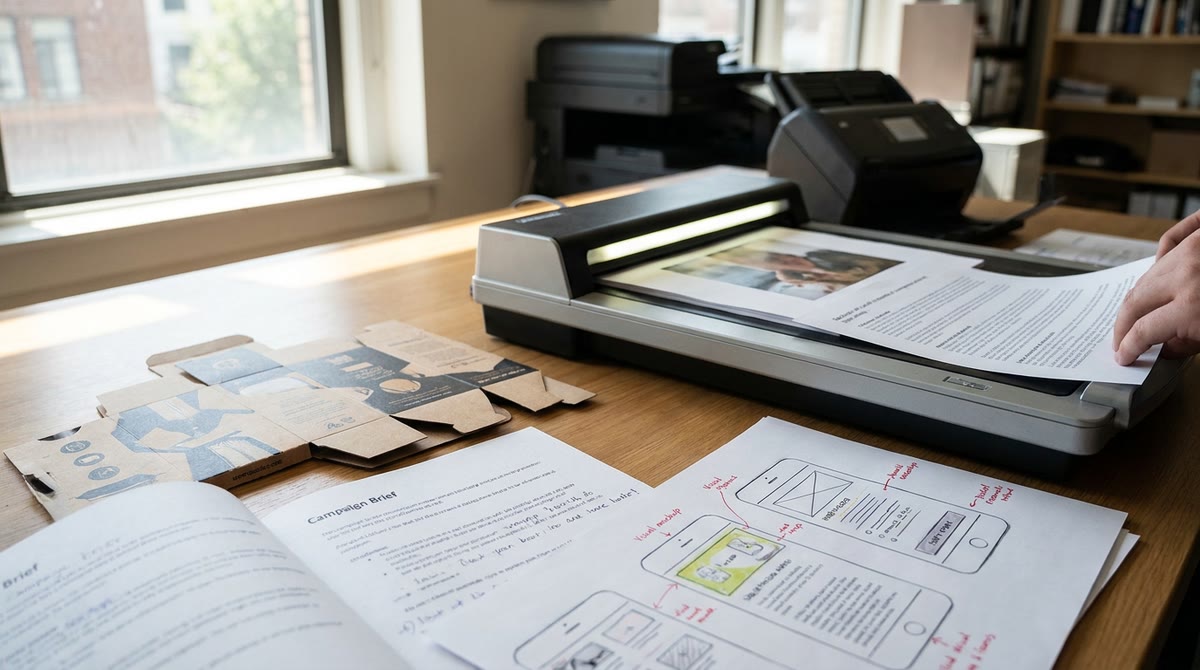
AuK is introduced as an open-source model under the MIT license, with weights and code, and support for CLI, Gradio, and ComfyUI. It handles tasks that often have to be split across multiple tools, such as voice cloning, emotion shifting, pitch shifting, denoising, and speaker separation. AuK-Flash is described as a distilled version that needs four inference steps and is 4.5 times faster under Tencent’s comparison conditions. However, the reference runtime still loads Qwen2.5-Omni-3B and VAE, so 1.5B is not the full amount of capacity that must be prepared (AuK source).
Accio: the cost of 107 tasks becomes the tool-selection criterion
Accio is described as able to generate product listings from a prompt, including positioning, SEO titles, selling points, descriptions, keywords, and pricing suggestions. The test recorded a total cost of about 3.69 USD for 107 tasks, lower than the two comparison figures cited at 9.27 USD and 9.51 USD. Marketers should treat this as a signal to build their own workflow cost table, not as proof that the tool is always cheaper for every account or every type of task (Accio source).
AI model competition is shifting from brand names to three bills to pay
Lower running costs are moving bargaining power back to buyers
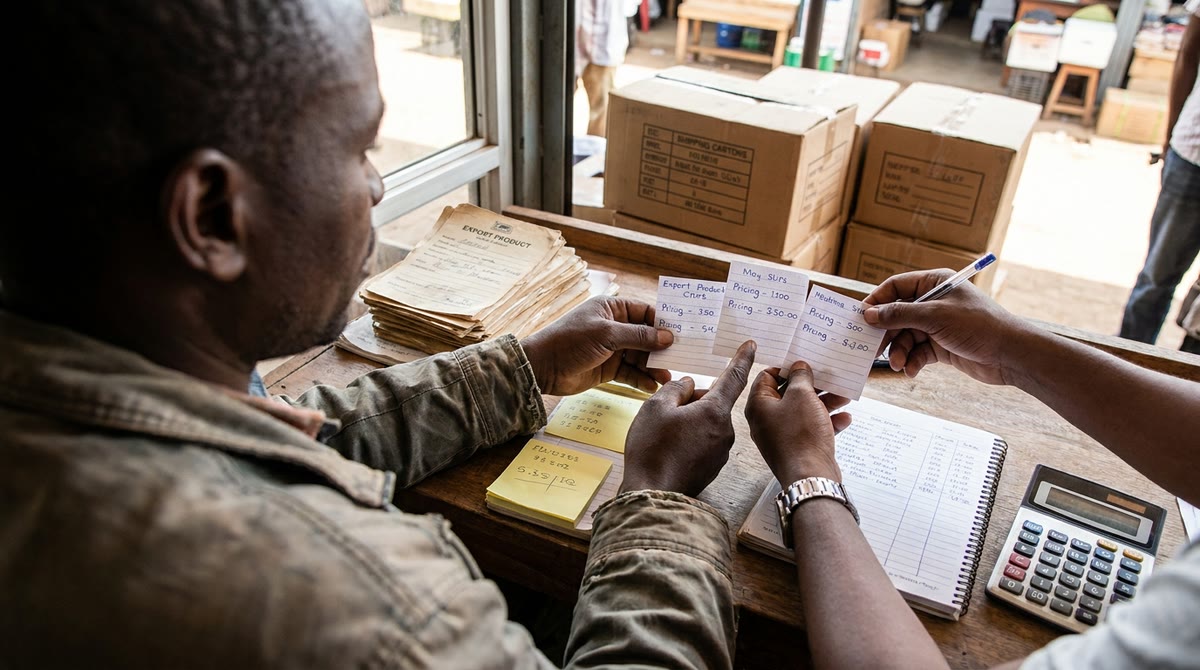
Accio offers a way to compare by the cost of completing 107 tasks, while AuK shows that a small model can replace an audio-tool chain in some workflows. These two examples change the buying question: instead of asking which model is most famous, marketing teams can ask how much each output costs, how many extra tools are needed, and how many hours of checking are required. When tools publish code or support local deployment, businesses gain more testing options, even if they must also count server, integration, and maintenance costs.
Multitasking and agentization shift value to the complete workflow
DeepSeek emphasizes visual understanding, speed, and throughput; AuK combines multiple audio operations; and the Termix description suggests an agent can have an identity, take jobs, execute them, be verified, receive payment, and accumulate reputation (Papy). These three directions meet at one point: value lies not in a single answer, but in the number of work steps completed and verified. Buyers can therefore push vendors to prove outputs, logs, and process costs instead of just demonstrating the model.
GPT-6 Astra rumors are not enough to justify a model purchase
Is GPT-6 Astra already ready for autonomous work?
A personal post describes GPT-6 Astra as OpenAI’s flagship model, with the ability to control a computer, browse the web, and handle specialized tasks. The post is also tied to a 1win giveaway campaign. This is a third-party account’s story and promotional content; no official confirmation from OpenAI is included in the provided data. What is usable: marketers should treat this only as a signal to watch, and should not put the model name into budgets, data workflows, or customer commitments before there is a product page, API documentation, and test results that can be compared (source post).
Vietnamese customer data will decide whether new AI models are worth using
Vietnamese businesses cannot simply copy the comparisons above into purchasing decisions. English e-commerce listings, different voice tones, and local product data can produce results that differ from public benchmarks. With AuK, Vietnamese language, proper names, punctuation, and voice usage rights need to be checked. For models that can browse the web or act on their own, customer data must be restricted and every step recorded so the responsible person can review it.
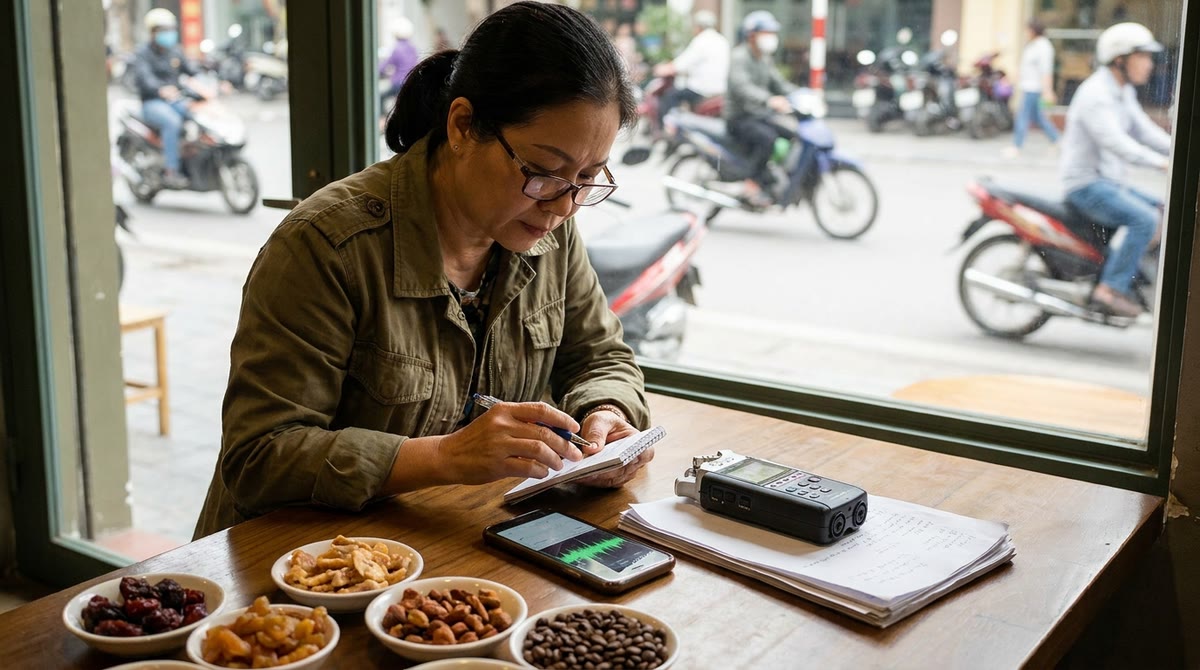
Bargaining power only truly increases when the marketing team has its own comparison data. A small test sheet covering cost per output, completion time, correction rate, factual errors, and hours of moderation will be more useful than a general ranking. This approach also helps distinguish models that are cheap on paper from tools that are cheap after fully accounting for staff effort.
Test real workflows before switching AI models or increasing budgets
- Choose three workflows with clear outputs, such as product listings, ad variations, and audio processing for short videos.
- Run the same Vietnamese dataset through the current tool and the new tool; record cost, time, errors, and the number of revision rounds.
- Set thresholds for what the machine may do on its own, especially with customer data, published content, and actions in ad accounts.
- Expand only after the reviewer confirms the output meets requirements and the actual total cost is lower than the old option.
See more marketing analysis and how-to content at https://marketing365.vn.
Follow more analysis from Marketing365 to stay updated on the latest marketing trends.
Read more articles in the same category AI Developments.
References
- Introducing DeepSeek-V4.1-Flash
- DeepSeek-V4.1-Flash benchmark claim
- AuK 1.5B audio model overview
- Accio e-commerce workflow cost comparison
- Termix agent marketplace workflow
- GPT-6 Astra claim and giveaway post