Contents
- Physical AI exposes the gap between technology demos and usable value
- Changes in humanoid robots and Physical AI are reshaping how marketing teams talk about value
- Physical AI is changing the efficiency benchmark from attention to execution
- Vietnam will read Physical AI through productivity, automation, and manufacturing
- What to do to sell Physical AI more convincingly
- Analysis, Global Forum on Mechanical Engineering 2026 Robotics Shaping Tomorrow’s Industrial Ecosystem with Physical AI, https://www.businesskorea.co.kr/news/articleView.html?idxno=276445
- References
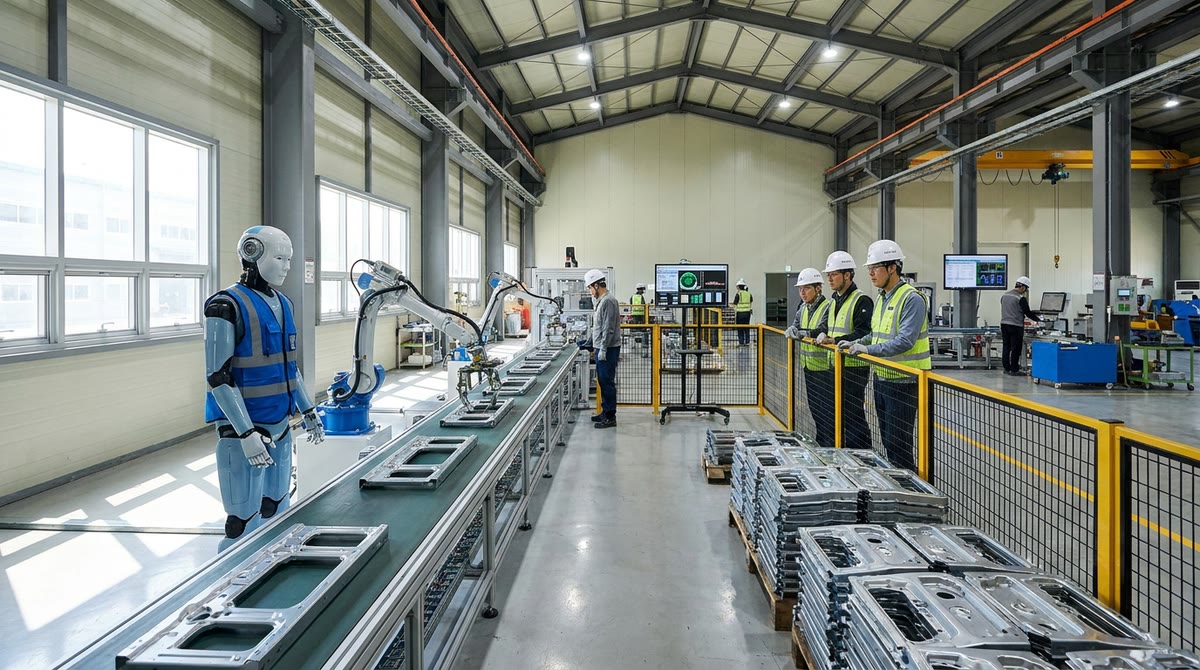
Physical AI is moving from the lab to the factory floor, and that changes how marketers view AI value: it is no longer enough to stop at demos or interactions, but robot and machine performance must be proven in real environments. For Vietnamese businesses, this is not just a technology story for manufacturing; it is also a test of storytelling, solution selling, and performance measurement when AI touches real operations.
Key points
- Physical AI is pulling the AI game into a space with real tasks, real constraints, and real costs.
- Humanoid robots like KAIROS V0.7 show that value does not lie in the performance, but in the ability to work in industrial environments.
- Marketers cannot just talk about “AI breakthroughs”; they must tie messaging to productivity, safety, and deployability.
- In Vietnam, the opportunity lies in positioning solutions for manufacturing, logistics, and automation businesses.
Physical AI exposes the gap between technology demos and usable value
Both sources revolve around the same point: Physical AI is AI with a physical body that can sense, understand, and act in the real world. EurekAlert! describes this as the central topic of the Global Forum on Mechanical Engineering 2026, where experts from business, academia, and research discuss the future of the industrial ecosystem. Businesskorea adds context about the event in Seoul and KIMM’s unveiling of KAIROS V0.7, an upgraded Korean AI humanoid robot.
What matters for marketers is this: once AI can move, manipulate, and respond in physical environments, buyers will ask less about “how smart is AI” and more about “what can AI actually do.” Selling technology must therefore shift from feature-description language to language that describes tasks, risks, and deployment costs.
That is why Physical AI is not just a branch of robotics. It is a new standard for testing whether AI creates operational efficiency or only stage presence.
Changes in humanoid robots and Physical AI are reshaping how marketing teams talk about value
The updates here are not a list of events, but a way to show what has been announced and why it requires a different marketing interpretation in industrial marketing. Both sources show that the focus is now on humanoid robots, Physical AI, and the industrial ecosystem around them.
KAIROS V0.7: the message must center on tasks, not the robot’s “cool factor”
KIMM introduced KAIROS V0.7 as an upgraded Korean AI humanoid robot, while EurekAlert! placed it in the context of an international forum on Physical AI. The important detail is not that the robot “looks advanced,” but that it is being seen as part of the future industrial ecosystem. A robot body only matters when it serves real tasks, from physical manipulation to interaction in production environments. Source: Businesskorea.
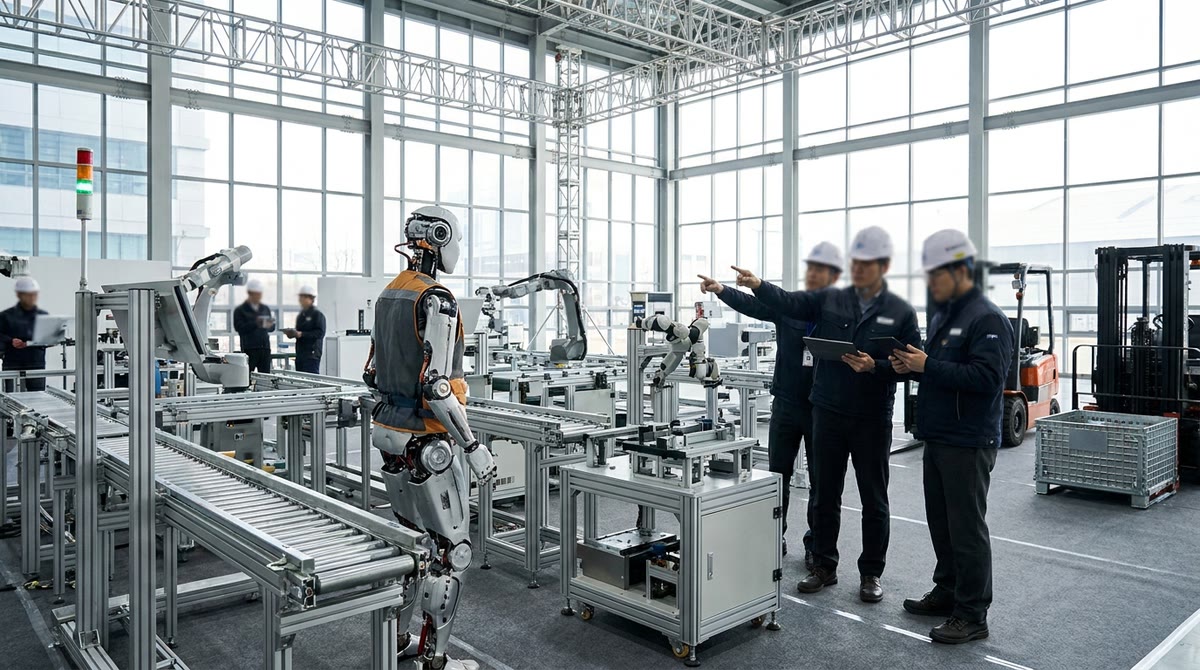
The 2026 mechanical engineering forum: marketing teams have to sell an ecosystem, not a single demo
EurekAlert! says the forum brings together industry, academia, and research to discuss the direction of Physical AI. That setup shows that the value of the technology does not lie in a standalone demo, but in its ability to plug into equipment chains, workflows, and industrial standards. For marketing teams, that means the message has to go beyond “this product has AI” to “how does this AI integrate, what friction does it reduce, and what output does it create?” Source: EurekAlert!.
Physical AI is changing the efficiency benchmark from attention to execution
Both sources signal a deeper shift in how technology is evaluated: when AI enters the physical world, the important metric is no longer reach or noise, but execution. This is where marketing has to work more closely with product, engineering, and sales to turn promises into measurable indicators.
Understanding and acting in the real world: KPIs must be tied to specific work
Physical AI is described as technology that enables AI to perceive, understand, and act through robots and machines. That definition brings a new measurement system with it: it is no longer enough to stop at video views or interested leads. Businesses need KPIs tied to specific work, such as which tasks have been automated, which errors have been reduced, or how much a process step has been shortened. Both sources point to the same logic: if AI cannot touch real work, then the report is just a communications story. Source: EurekAlert! and Businesskorea.
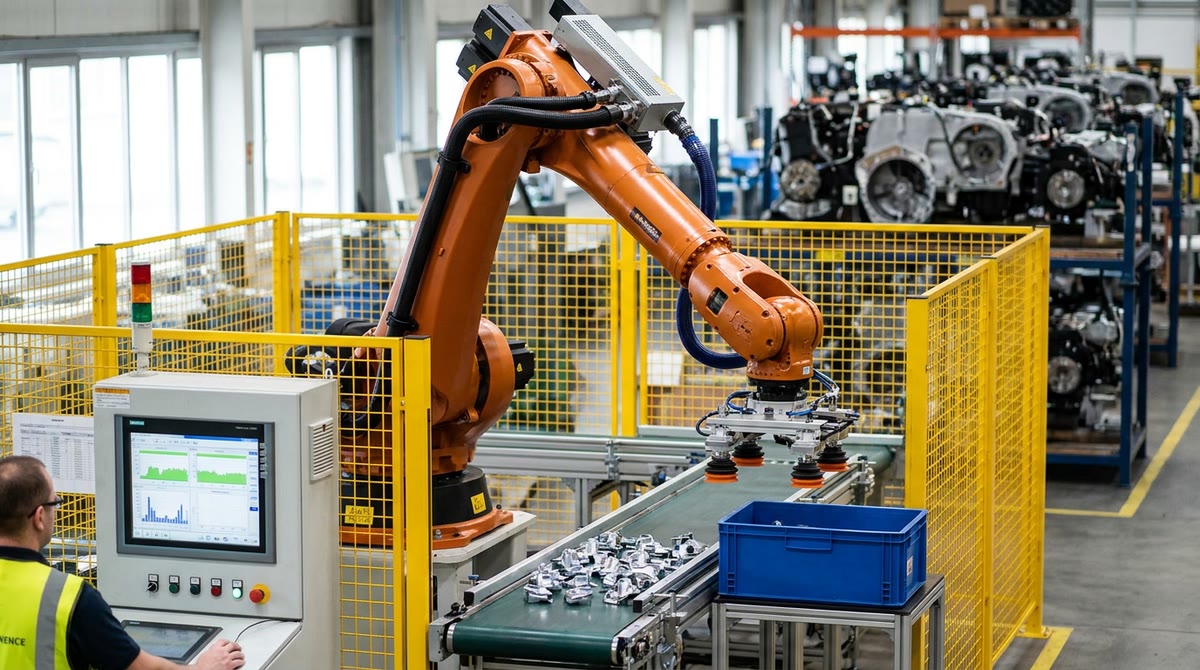
The industrial ecosystem: value lies in deployability, not in technology promises
The forum in Seoul brings together multiple specialist groups because Physical AI only matters when it can enter the industrial ecosystem. This changes how marketers report: instead of pushing a message about a distant “robot future,” they need to prove how ready the solution is, what systems it needs to integrate with, and how well it can withstand the operating environment. For B2B brands, this is when dashboards, case studies, and proof points become more important than technology slogans. Source: Businesskorea.
Vietnam will read Physical AI through productivity, automation, and manufacturing
In Vietnam, Physical AI is not yet a mainstream story like chatbots or image generation. But for manufacturing, logistics, electronics, and mechanical engineering businesses, it could become a new language for talking about productivity and labor shortages. The key point is that local marketers are often drawn into telling an “advanced AI” story, while B2B buyers care about ROI, deployment durability, and maintainability.
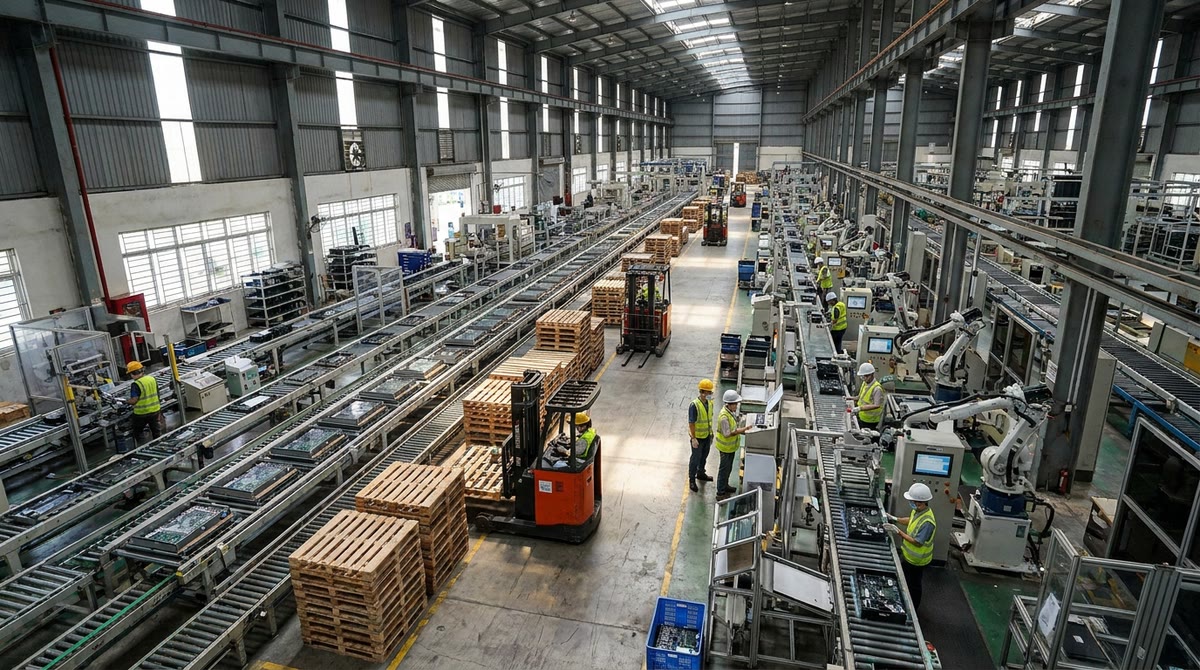
So the lesson from the two sources is not to chase humanoid robots as a technology symbol. The lesson is that if AI can step into a physical environment, the message for the Vietnamese market must also step out of vague descriptions. Businesses need to translate Physical AI into very concrete benefits: fewer handling errors, more stable production, 24/7 operations support, or filling gaps in hard-to-hire jobs.
For Vietnamese marketers, this is the moment to connect the AI story with the operational goals of the industry, instead of using AI as decorative jargon.
What to do to sell Physical AI more convincingly
- Link every AI message to a real task in a factory, warehouse, or service line.
- Shift KPIs from interest levels to deployment metrics: tasks, errors, time, and cost.
- Use case studies and proof points instead of vague descriptions of “innovation.”
- Prepare a question set for sales: what needs to be integrated, what infrastructure is required, and what operational risks exist.
Analysis, Global Forum on Mechanical Engineering 2026 Robotics Shaping Tomorrow’s Industrial Ecosystem with Physical AI, https://www.businesskorea.co.kr/news/articleView.html?idxno=276445
Global Forum on Mechanical Engineering 2026 Robotics Shaping Tomorrow’s Industrial Ecosystem with Physical AI
Businesskorea
See more marketing analysis and how-to content at https://marketing365.vn.
Follow more analysis from Marketing365 to stay updated on the latest marketing trends.
Read more articles in the same category at Digital Trends.
References
- EurekAlert! — Global Forum on Mechanical Engineering 2026 Robotics Shaping Tomorrow’s Industrial Ecosystem with Physical AI
- Businesskorea — KIMM Unveils Physical AI Future at 2026 Global Forum