Contents
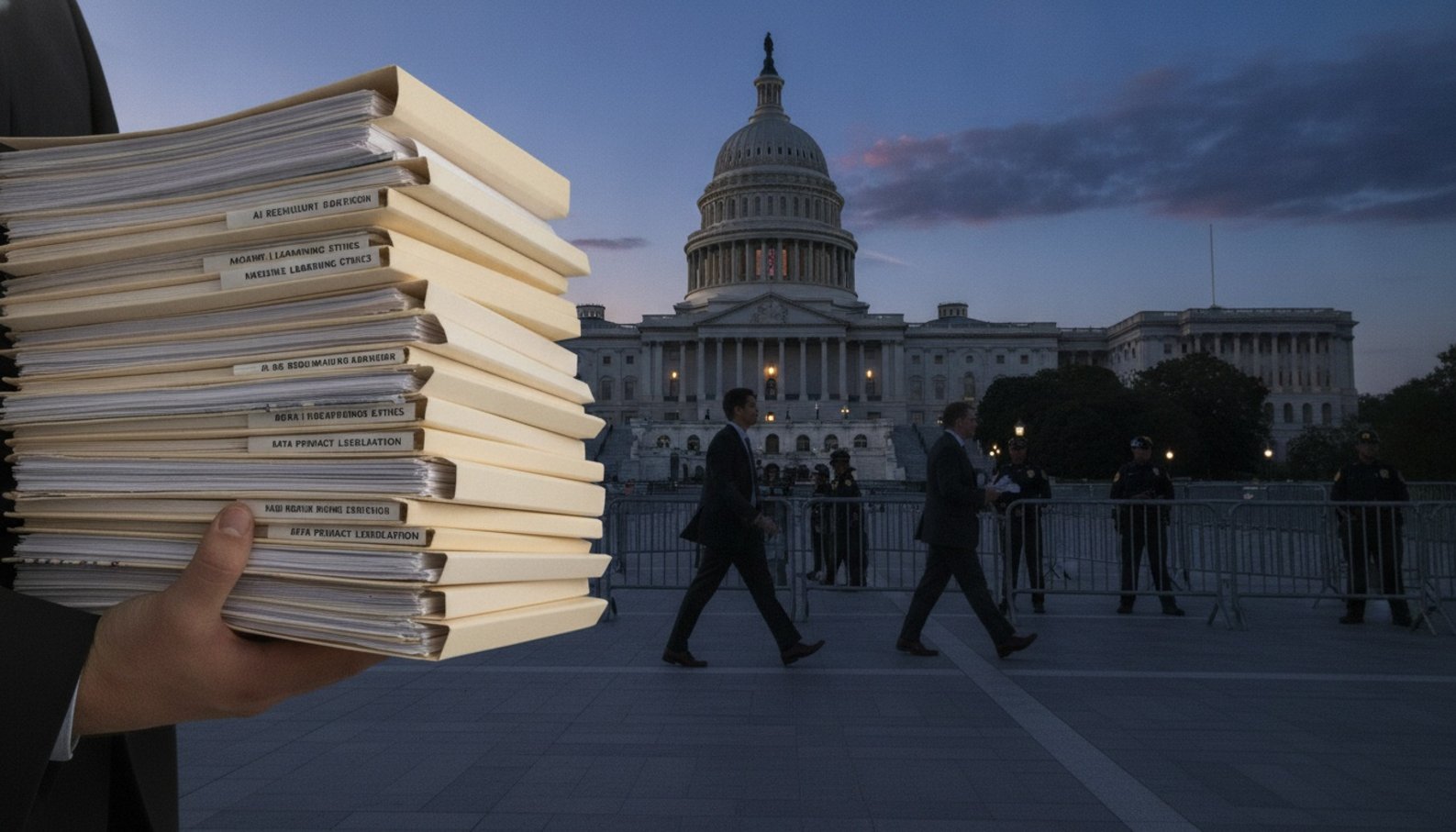
News that OpenAI is reportedly considering ceding 5% of its equity to the US government is drawing attention not only from the tech industry, but also from marketers and advertisers. As advertising becomes increasingly dependent on AI for content creation, performance optimization, and personalization, any shift in the relationship between AI “giants” and the US government could ripple across the global ecosystem.
From a market perspective, this story shows that AI is no longer a purely technological or user-driven race, but has entered a stage where it is strongly shaped by policy, public interest, and political pressure. That means brands, agencies, and advertising platforms in Vietnam need to keep a close eye on both the technology and the governance context around it.
Key points
- OpenAI is reportedly discussing a plan to give 5% of its equity to the US government to ease political pressure in Washington.
- The move is seen as a way to “share the benefits” of the AI boom while improving relations between AI companies and the Trump administration.
- The news comes as Washington increases scrutiny of AI companies over security concerns and policies affecting foreign users.
- For the advertising industry, the development suggests AI platforms may face more regulatory and political influence than before, affecting product strategy and tool deployment.
OpenAI weighs a “stake-sharing” move to ease pressure from Washington
According to reports from CNBC, CNN, and The Guardian citing the Financial Times, OpenAI is said to be in the early stages of discussing whether the US government could hold a 5% stake in the company. The goal of the proposal is to reduce backlash from Washington and improve relations with the Trump administration.
What stands out is that this proposal is not simply financial. In the approach described, Sam Altman argues that allowing the American public to have a “share of the benefits” from AI achievements is a fairer way to distribute value. In other words, this is an attempt to turn the debate over AI power into a story about sharing social benefits.
The sources also say the idea is not limited to OpenAI, but could be considered in a broader context involving other AI companies. However, it is still unclear whether Anthropic, Google, or Meta would be willing to pursue a similar structure.
From a communications standpoint, this is a textbook example of how AI companies today must manage not only products and growth, but also the “political narrative” surrounding them. For advertising brands, the lesson is clear: the bigger the technology, the higher the pressure for transparency and social responsibility. Source: CNBC, CNN, The Guardian.
The AI industry faces growing regulatory pressure
Reports show OpenAI’s proposal comes as Washington steps up oversight of US AI companies. The Guardian reported that last month Anthropic temporarily paused its latest model after the government requested restrictions on access for foreign citizens on national security grounds; the company was later said to have restored customer access to the model.
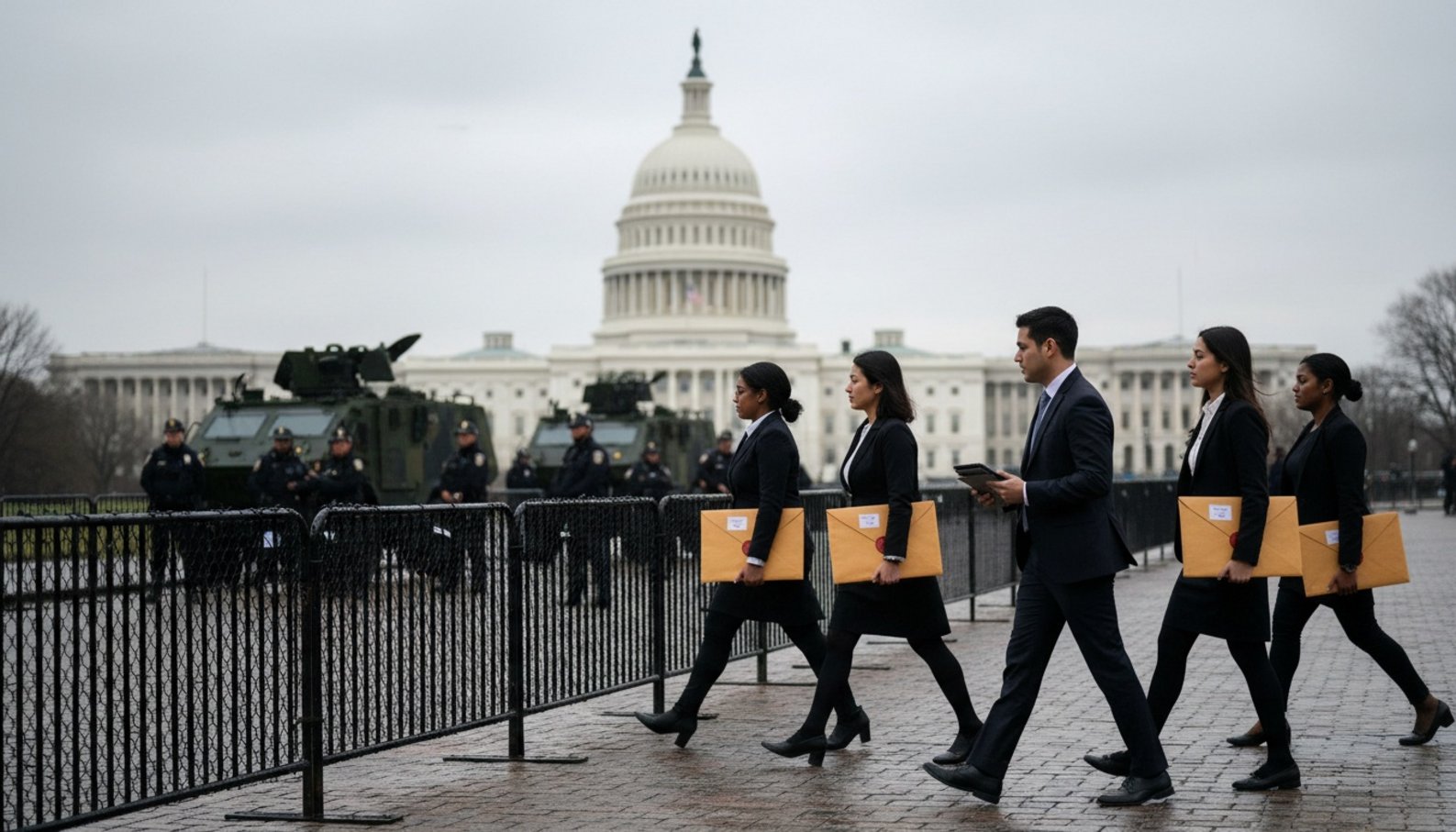
This detail shows that legal and political risks for the AI industry are escalating. As AI models are increasingly used in consumer products, search, content production, and ad automation, any regulatory change could directly affect the speed of new feature rollouts, usage costs, and access rights across markets.
For advertisers, this is a reminder that AI is no longer a tool you can simply plug in and use in every situation. Platforms may have to adapt to security requirements, compliance rules, and usage limits by country or user group. This is especially important for teams building workflows for content creation, media buying, and data analysis based on general-purpose AI models.
From a brand communications perspective, companies providing AI tools need to prepare for tighter oversight scenarios: data transparency, clear terms of use, content risk controls, and coordination mechanisms with regulators. Source: The Guardian, CNN.
What does this mean for advertising and marketers?
Read more: OpenAI, Palantir and the AI Cost Question: A New Signal for Ads
Read more: Content Marketing's New Race: What Gap, OpenAI and Lowe's Signal for Marketers
For marketers, the OpenAI story is not just a tech or political headline. It reflects a bigger reality: the AI infrastructure powering advertising is gradually becoming a strategic issue, influenced by investment, regulation, and public opinion.

In the short term, marketing teams may not see immediate changes in content creation tools or campaign optimization platforms. But in the long run, the fact that a major AI provider must balance growth with political pressure could affect how it launches products, expands into markets, or decides which features to prioritize first.
This is especially important in digital advertising, where AI is playing a major role in copywriting, image generation, budget allocation, conversion forecasting, and message personalization. As AI providers come under tighter scrutiny, brands should diversify their tools rather than rely entirely on a single platform.
AI will face tighter governance and Vietnamese businesses need less dependence on big platforms
In Vietnam, the direct impact may not appear immediately, but OpenAI’s signal suggests the local advertising market needs to prepare for a phase in which AI is governed more tightly, not only by technology but also by politics and international data security. Businesses should prioritize controlled AI workflows, especially when it comes to customer data, sensitive content, and account access rights.

For agencies and brand teams, this is also a good time to reassess how dependent they are on a few major AI platforms. A more sustainable strategy would be to combine multiple tools, maintain backup options, and keep human expertise in key areas such as strategy, core creative direction, and quality control.
Looking further ahead, as AI becomes increasingly tied to benefit-sharing debates and policy pressure, Vietnamese brands should closely monitor how platforms adjust their products in each market. That will directly affect the pace of innovation in advertising, SEO, content creation, and data analysis over the coming year.
See more marketing news and guides at https://marketing365.vn.
Follow more updates from Marketing365 to stay on top of the latest marketing trends.
Read more articles in the same category Digital Trends.
This article focuses on OpenAI 5% cổ phần with a perspective for the Vietnamese market.
References
- CNBC — OpenAI proposes 5% stake to Trump administration to ease Washington pressure: Report
- CNN — OpenAI in talks to give Trump administration a 5% stake in the company, FT reports
- The Guardian — OpenAI ‘in early talks to give 5% stake to US government’