Contents
- Claude Sonnet 5: Anthropic pushes “agentic AI” capabilities
- California teams up with Anthropic: AI moves deeper into public services
- Trump administration eases restrictions on Anthropic’s most powerful AI models
- Why does this matter for the language model race?
- Autonomous AI agents will reshape marketing and SEO
- References
AI development is entering a new phase: more powerful models, stronger autonomous task capabilities, and increasingly visible public policy intervention. For Vietnamese marketers, this is affecting not only everyday work tools but also how businesses govern data, run content operations, and prepare for automation at scale.
Key points
- Anthropic launched Claude Sonnet 5 with the ambition to significantly upgrade autonomous task execution, reasoning, coding, and tool use.
- California announced a partnership with Anthropic to test AI in the public sector, emphasizing a “responsible and transparent” approach.
- The U.S. administration has eased restrictions related to Anthropic’s most powerful AI models, signaling how quickly the regulatory landscape is changing.
- Together, these stories reflect two parallel trends: model capabilities are accelerating, while AI governance frameworks are continuously tightening and loosening.
Claude Sonnet 5: Anthropic pushes “agentic AI” capabilities
In its latest announcement, Anthropic introduced Claude Sonnet 5 as the most “autonomous task” Sonnet version yet. According to the company, the model can plan, use tools such as browsers and terminals, and operate independently at a level previously seen only in larger and more expensive models a few months ago.
What stands out is that Sonnet 5 is positioned as a step toward narrowing the gap with Anthropic’s Opus line. The company says Sonnet 5’s performance comes close to Opus 4.8 at a lower price point, while also delivering clear improvements in key areas such as reasoning, tool use, coding, and knowledge work. For the marketing community, this signals that mid-tier models are moving very quickly toward being good enough for content assistants, data analysis, quality checks, and workflow automation.
Source: Anthropic, “Introducing Claude Sonnet 5”.
California teams up with Anthropic: AI moves deeper into public services
Alongside the model capability race, Anthropic also appears in a notable public-policy agreement in the U.S. California Governor Gavin Newsom announced that the state has signed a partnership with Anthropic to help government agencies use AI more responsibly, improve public services, expand workforce training, and increase efficiency and user-friendliness for residents.
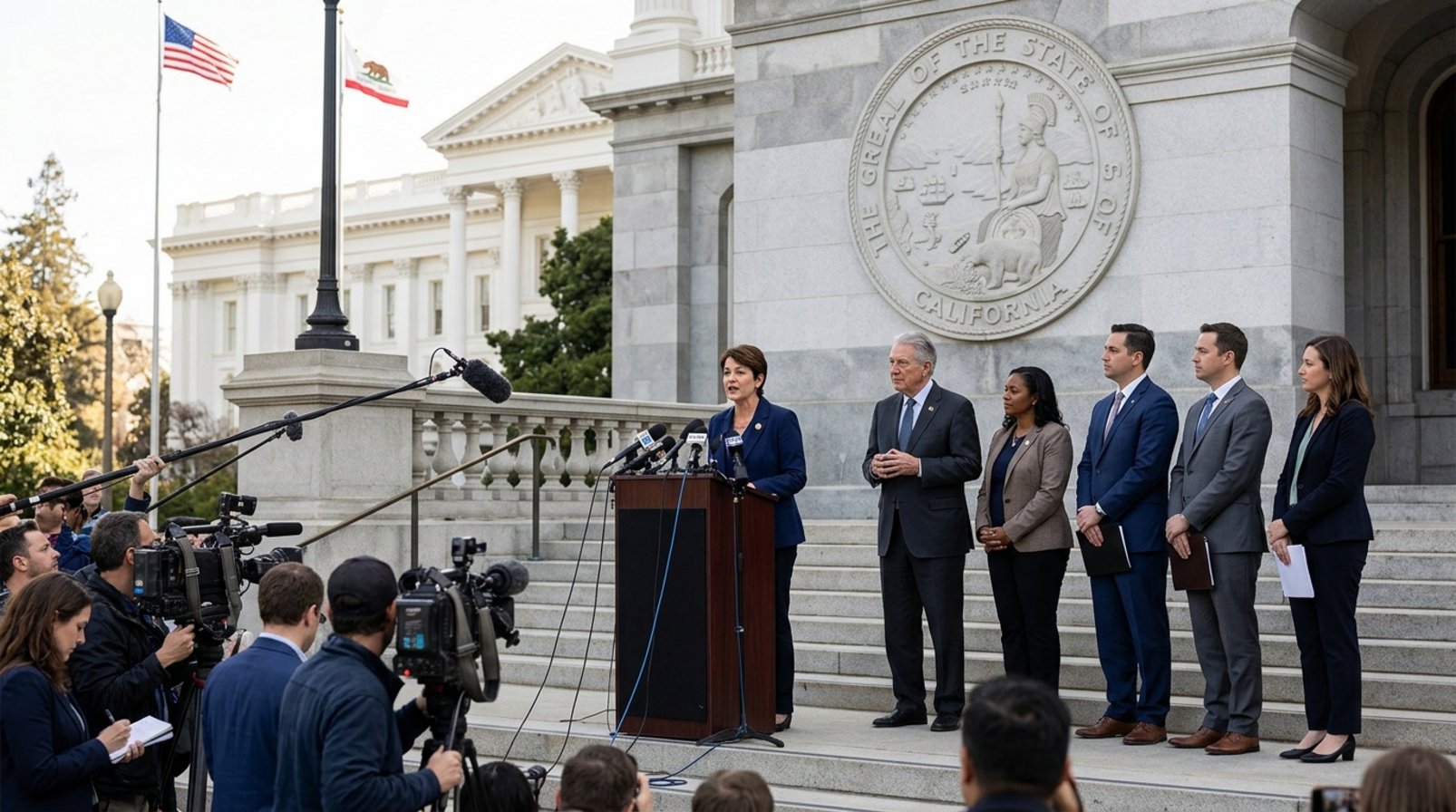
The California administration’s statement emphasizes that AI is not meant to replace people in government, but to help employees process tasks faster and solve problems more effectively. This is a highly relevant approach to watch because it shows AI being introduced into an environment with high demands for transparency, accountability, and safety standards. For businesses, especially large brands, this suggests that AI deployment will increasingly require a clear governance framework rather than simply chasing speed.
Source: California State Portal, Governor Gavin Newsom’s announcement of the partnership with Anthropic.
Trump administration eases restrictions on Anthropic’s most powerful AI models
On the other side, the regulatory environment in Washington continues to show rapid change. According to international reports, the Trump administration has lifted restrictions related to Anthropic’s most powerful AI models, a move seen as easing tensions between the company and the White House.
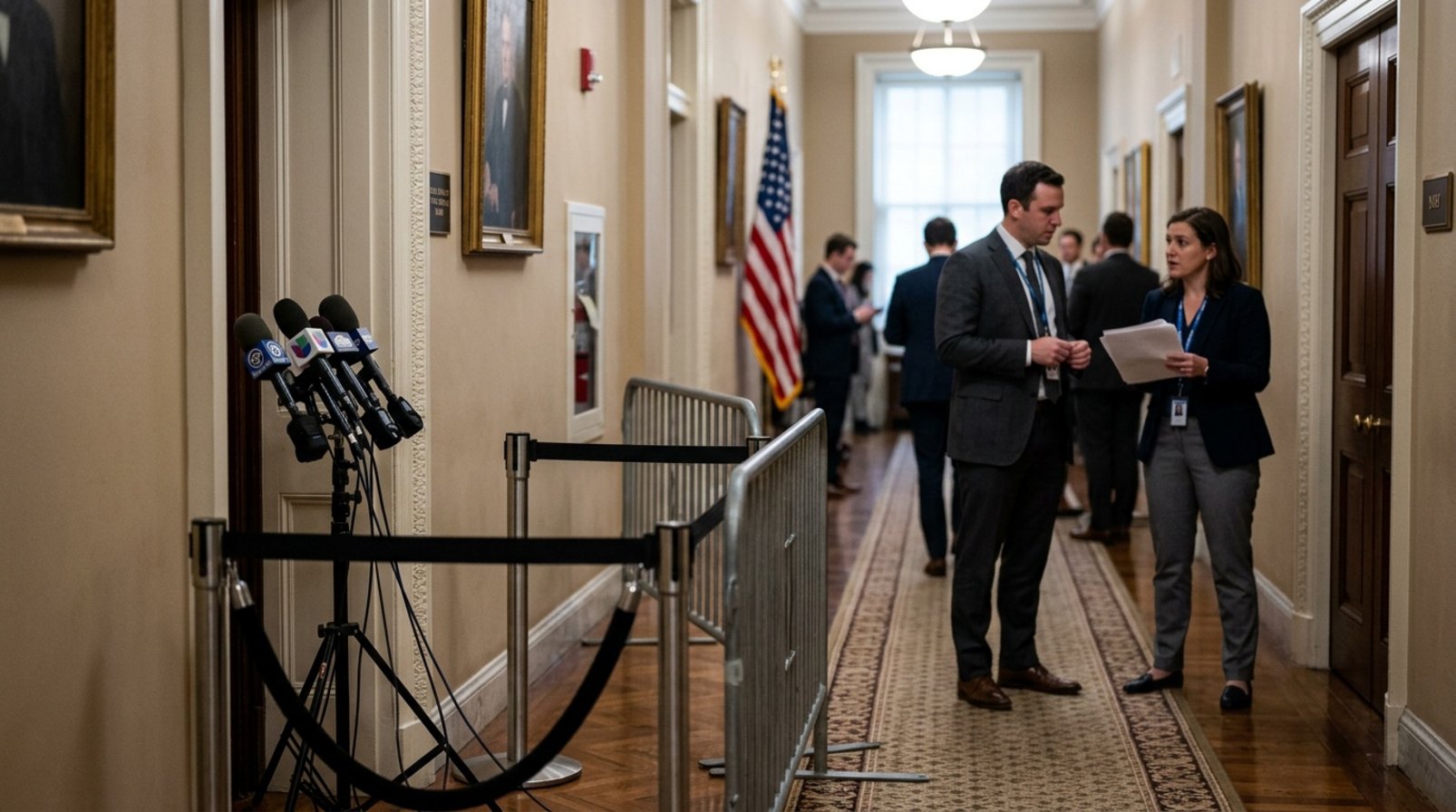
Although international outlets use different names for these models, the key point to note is that access to and operation of powerful AI systems are heavily influenced by government regulation. When some barriers are removed, the models can return to normal operation and be deployed more broadly. For marketers, this is a reminder that the AI tool ecosystem depends not only on technology, but also on policy decisions and the relationship between companies and regulators.
Source: Politico; The New York Times; Reuters.
Read more: How Content Marketing Is Shifting Toward Distribution and Trust
Read more: Content Marketing Is Shifting to Distribution Logic
Why does this matter for the language model race?
The picture from these three stories shows a fairly clear trend: AI models are no longer judged only by benchmark scores, but also by their ability to act autonomously in real workflows. Claude Sonnet 5 is described by Anthropic as a model that can work more like a true digital assistant, rather than simply answering questions.
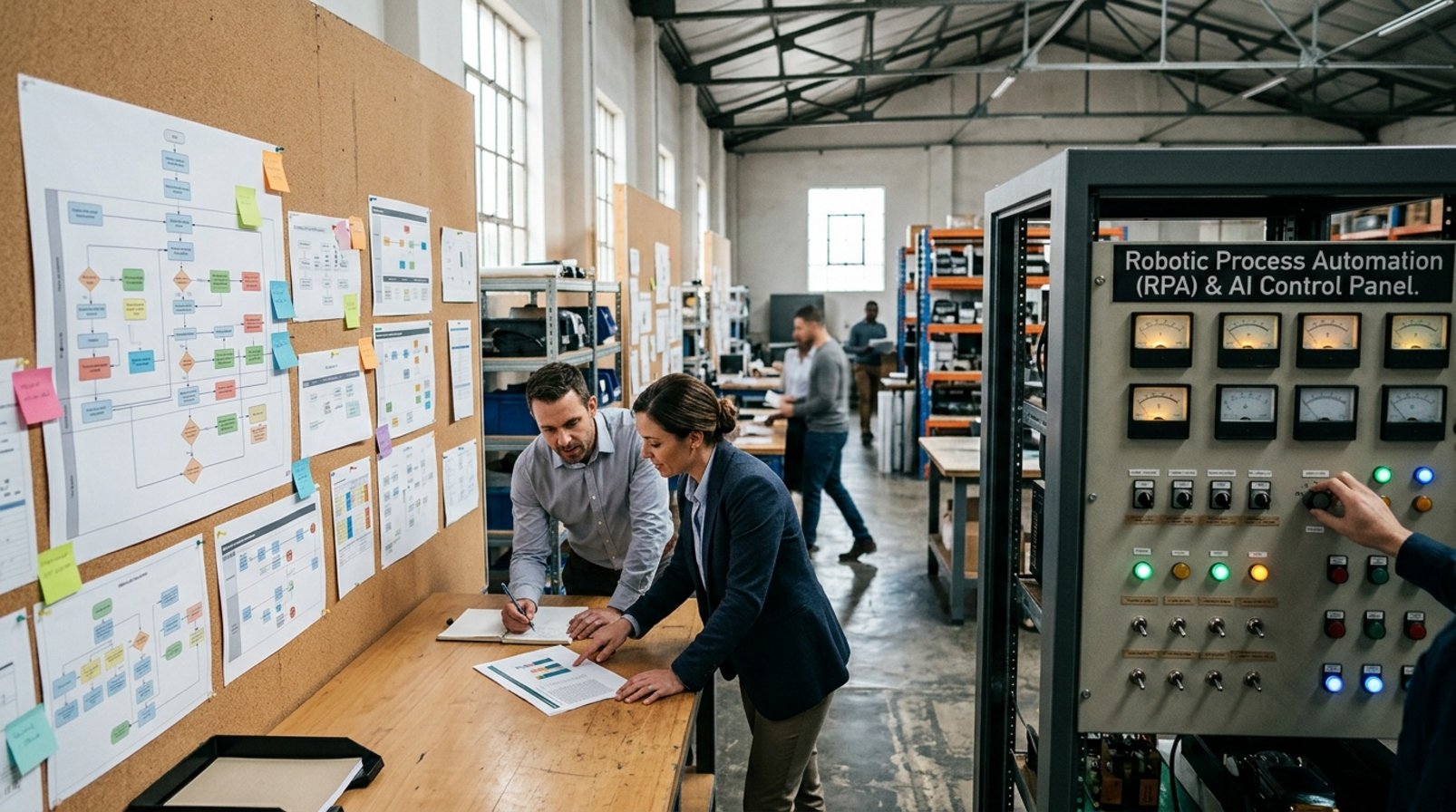
At the market level, this usually leads to two consequences. First, businesses can experiment with deeper automation in content operations, market research, customer support, and campaign testing. Second, competition among AI providers will increasingly revolve around reliability, controllability, and how well the tools fit enterprise customers’ internal policies. In other words, being “more powerful” is not enough; AI must also be easy to control, easy to comply with, and easy to integrate.
Source: compiled from Anthropic and international reports on AI policy.
Autonomous AI agents will reshape marketing and SEO
For Vietnamese businesses and marketers, this news flow suggests three practical takeaways. First, closely monitor autonomous-task-capable models, as these are the tools most likely to significantly affect the productivity of marketing, SEO, content, and customer care teams. Second, when applying AI to workflows, businesses should quickly establish data-use principles, review outputs, and clearly assign responsibility. Third, international policy changes may indirectly affect which tools are widely available, how much they cost, and how they are integrated.
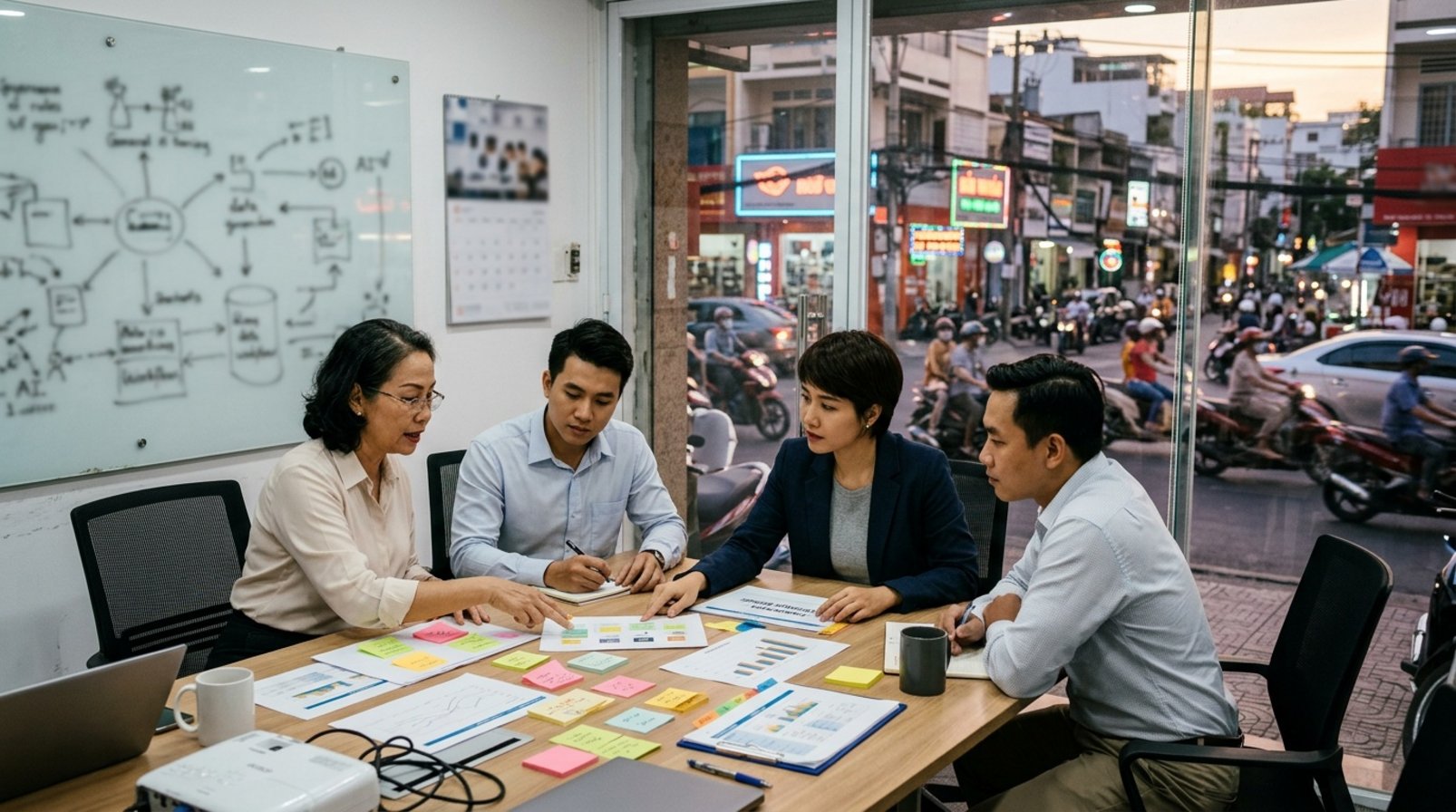
In the short term, the key lesson is not to chase every new release, but to choose the right touchpoints where AI can reduce repetitive work, speed up analysis, and improve decision-making quality. In a market like Vietnam, where digital transformation demand is rising quickly but data governance standards still vary across industries, a cautious yet flexible approach will be the more sustainable advantage.
Explore more marketing analysis & guides at Marketing365.
Follow Marketing365 for ongoing marketing analysis.
Read more articles in the same category Digital Trends.
References
- Anthropic — Introducing Claude Sonnet 5
- California State Portal | CA.gov — Governor Newsom announces a first-of-its-kind partnership, providing Anthropic tools to state agencies and improving services for Californians
- Politico — Trump lifts limits on Anthropic’s Fable and Mythos models
- The New York Times — U.S. Lifts Restrictions on Anthropic’s Most Powerful A.I. Models
- Reuters — US removes curbs on Anthropic’s latest Fable and Mythos AI models