
Contents
Firecrawl is a tool (API) that collects website content and converts it into clean Markdown or JSON data for use in AI applications. It can handle JavaScript-powered dynamic pages and returns streamlined content ready for language models.
Key points
- Turn any website into clean Markdown/JSON for AI with just one API call.
- Handles JavaScript-rendered pages, pagination, and full-site crawling.
- Available as both a self-hosted open-source version and a paid cloud version.
- Useful for marketers: gather competitor data, build a knowledge base for chatbots, and aggregate content for RAG.
- Requires some API knowledge; always respect copyright and terms when crawling.
If you have ever wanted to “dump” an entire competitor website, a series of blog posts, or a product pricing table into ChatGPT for analysis, you will quickly hit a wall: modern websites are full of JavaScript, pop-ups, and messy structures that AI models cannot read directly. Firecrawl was built to solve exactly that problem. It is a tool that is being talked about a lot in the AI app-building world, and for marketers automating market research, it is well worth exploring. If you are just getting started with tools like this, check out the AI Guide section to build a foundation first.
What is Firecrawl?
Firecrawl is an open-source project (with more than 142,000 stars on GitHub, written in TypeScript) that provides an API for searching, crawling, and interacting with the web at scale. Simply put: you give it a URL or even an entire domain, and Firecrawl automatically navigates the pages, processes JavaScript, filters out the noise, and returns clean content in Markdown or structured data — a format that large language models like GPT or Claude can “digest” immediately.

What sets it apart from traditional crawlers is that Firecrawl is designed “AI-first”: the output is optimized to go straight into an AI pipeline, without you having to manually clean up HTML.
Main uses
Firecrawl is built around a few core functions. Scrape: extract a single page into clean Markdown. Crawl: scan an entire website and all of its subpages. Search: search the web and return results along with extracted content. And Extract: pull structured data (prices, product names, contact emails…) according to a schema you define. All of these can handle JavaScript-heavy dynamic pages — something older tools often fail at.

What can it be used for in marketing?
For marketers, Firecrawl opens up many practical automation scenarios. You can crawl an entire competitor blog to analyze content strategy, compile market pricing and product features, or gather dozens of articles as raw material for keyword research. Combined with AI, clean data from Firecrawl can be turned into trend summaries, competitive analysis, or automated content ideas.
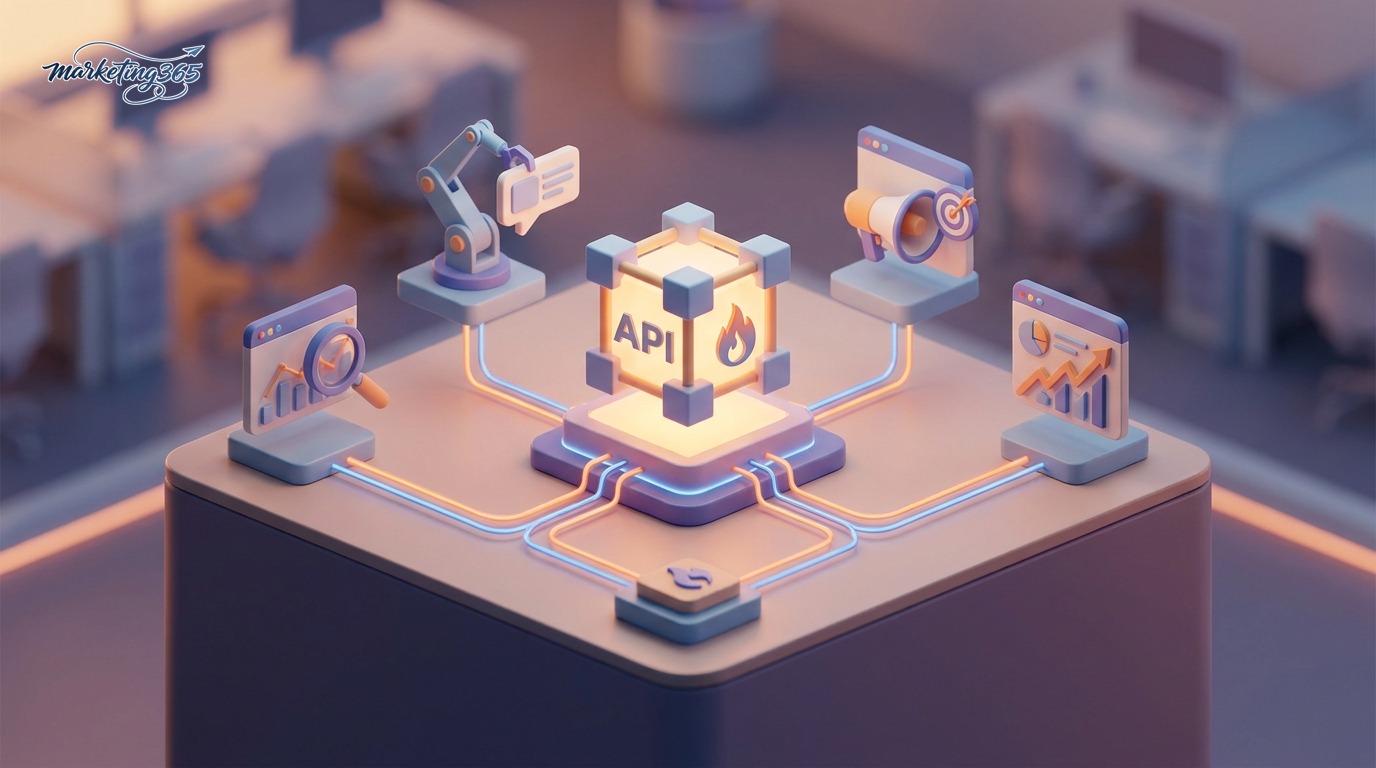
It is also an ideal building block for automation-driven content marketing workflows, or for feeding data into the AI marketing tools you already use. For example: automatically scan 10 industry news sites every morning, summarize them, and send the results to the whole team in Slack.
How to get started
There are two paths. The fastest is to use Firecrawl’s cloud service: sign up for an account, get an API key, and call the API directly — with libraries available for Python and Node.js, plus a free tier to try it out. If your team has developers and wants full control over data, you can self-host the open-source version with Docker. Firecrawl also integrates with platforms like n8n, Zapier, and LangChain, so even marketers who are not comfortable with code can build automation flows using no-code tools.

Read more: OpenHands: The AI Agent That Writes Code for Marketers
Pros and cons
- Pros: Clean Markdown output, optimized for AI, saving a lot of data-cleaning time.
- Pros: Handles dynamic JavaScript pages well, where crawlers often fail.
- Pros: Open source, with self-hosting available to control costs and data.
- Cons: Requires some technical knowledge (API key, API calls) if you are not using no-code tools.
- Cons: The cloud version charges by page volume; large crawls can get expensive.
- Cons: You must respect the terms and copyright of the website being crawled to avoid legal risks.

Verdict: is it right for you?
Firecrawl is a great fit if you are a data-driven marketer who likes automating market research and has already built, or is about to build, AI workflows for content collection. On the other hand, if your work stops at writing occasional articles and does not involve automation, this may be a bit of an overkill tool. For teams looking to scale research, it is one of the strongest and most worthwhile solutions to try right now. To stay updated on similar tools, do not miss the AI Updates section.

See the full details and documentation in the official repository: github.com/firecrawl/firecrawl.
Note: This article should be reviewed by an editor (human review) before publication.
Frequently asked questions
What is Firecrawl used for?
Firecrawl collects content from websites and converts it into clean data (Markdown/JSON) for AI. Marketers often use it to build data stores for chatbots, analyze competitors, or aggregate content for RAG systems.
Is Firecrawl free?
Firecrawl has an open-source version you can install and use for free, as well as a paid cloud version based on usage if you do not want to run the infrastructure yourself.
How is Firecrawl different from a regular crawler?
The difference is that Firecrawl returns cleaned content that is ready for LLMs, and it can handle JavaScript-powered dynamic pages — something many older crawlers do not do well.
Do you need programming knowledge to use Firecrawl?
Yes, you need to know the basics of calling APIs to integrate Firecrawl into a workflow. If you are not comfortable with technical tasks, you should ask someone experienced for help or use no-code platforms that support Firecrawl.