Contents
OpenHands (from All-Hands-AI) is an open-source, AI-driven software development platform with more than 78,000 GitHub stars and is written mainly in Python. It is an AI agent that can write code, run commands, browse the web, and fix bugs based on instructions you describe in natural language. For technically minded marketers, OpenHands helps you build small tools yourself without waiting for the dev team, but AI-generated results always need to be reviewed by someone with expertise.
Key points
- OpenHands is an open-source software development AI agent from All-Hands-AI, free to use, with more than 78,000 GitHub stars.
- It does more than suggest code: it actually acts by creating files, running programs, checking results, and adjusting itself.
- It runs in a secure sandbox environment and can connect flexibly to multiple language models.
- Marketing use cases: writing scripts to collect report data, building landing pages to test ideas, automatically renaming files, and pulling campaign metrics via API.
- AI-generated results can be wrong and must be checked by an expert before real use.
Imagine having an “AI programmer” on standby at all times: you describe what needs to be done in words, and it writes the code, fixes bugs, and completes the technical task. That is OpenHands — an AI agent that automates software development work. For marketers, it opens the door to building small tools without waiting for the dev team. If you’re interested in this topic, see more in the AI marketing tools category.
What is OpenHands?
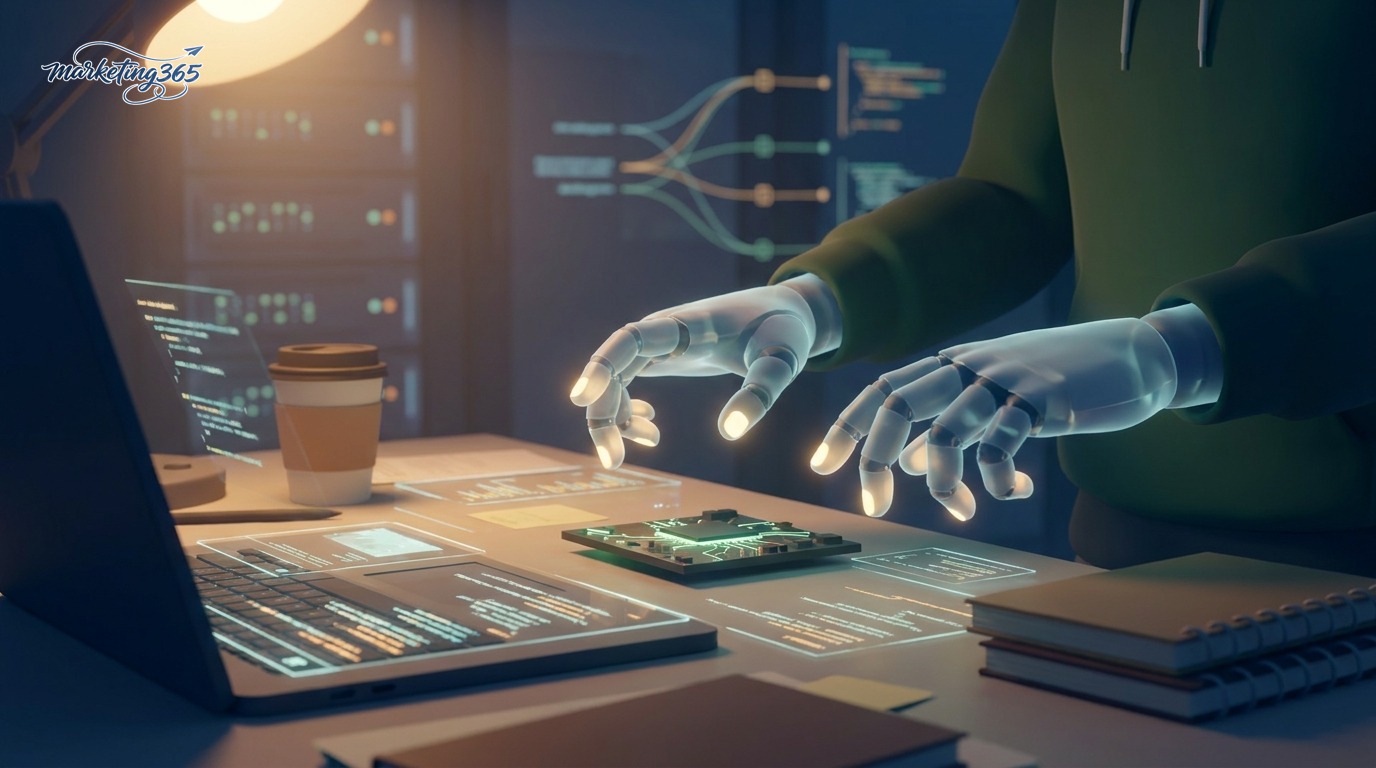
OpenHands (from All-Hands-AI) is an open-source platform for “AI-Driven Development” — software development led by AI. The project has more than 78,000 stars on GitHub and is written mainly in Python. In essence, OpenHands is an AI agent capable of doing the kinds of things a programmer does: writing code, running commands, browsing the web, fixing bugs, and carrying out technical tasks based on instructions you give in natural language.
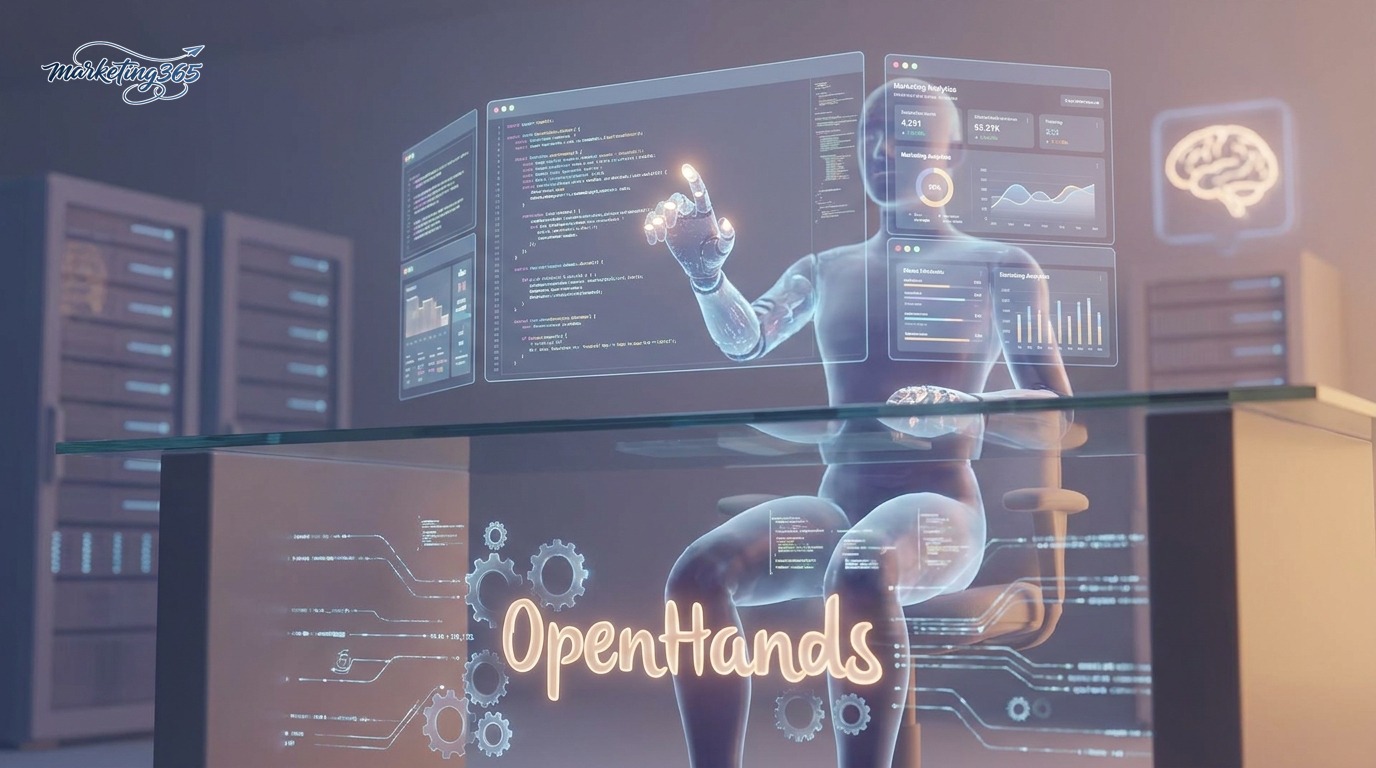
Unlike a chatbot that only suggests code for you to paste, OpenHands can actually act in a working environment: creating files, running programs, checking results, and adjusting itself. It is more like a technical collaborator than a question-answering assistant.
Main uses
OpenHands takes instructions in plain language and turns them into concrete actions: building a small feature, writing an automation script, processing and transforming data, fixing bugs in an existing project, or quickly building a prototype. It can run in a safe sandbox environment, connect to different language models, and is suitable for repetitive tasks that people would rather not do manually.
What can marketers use it for?
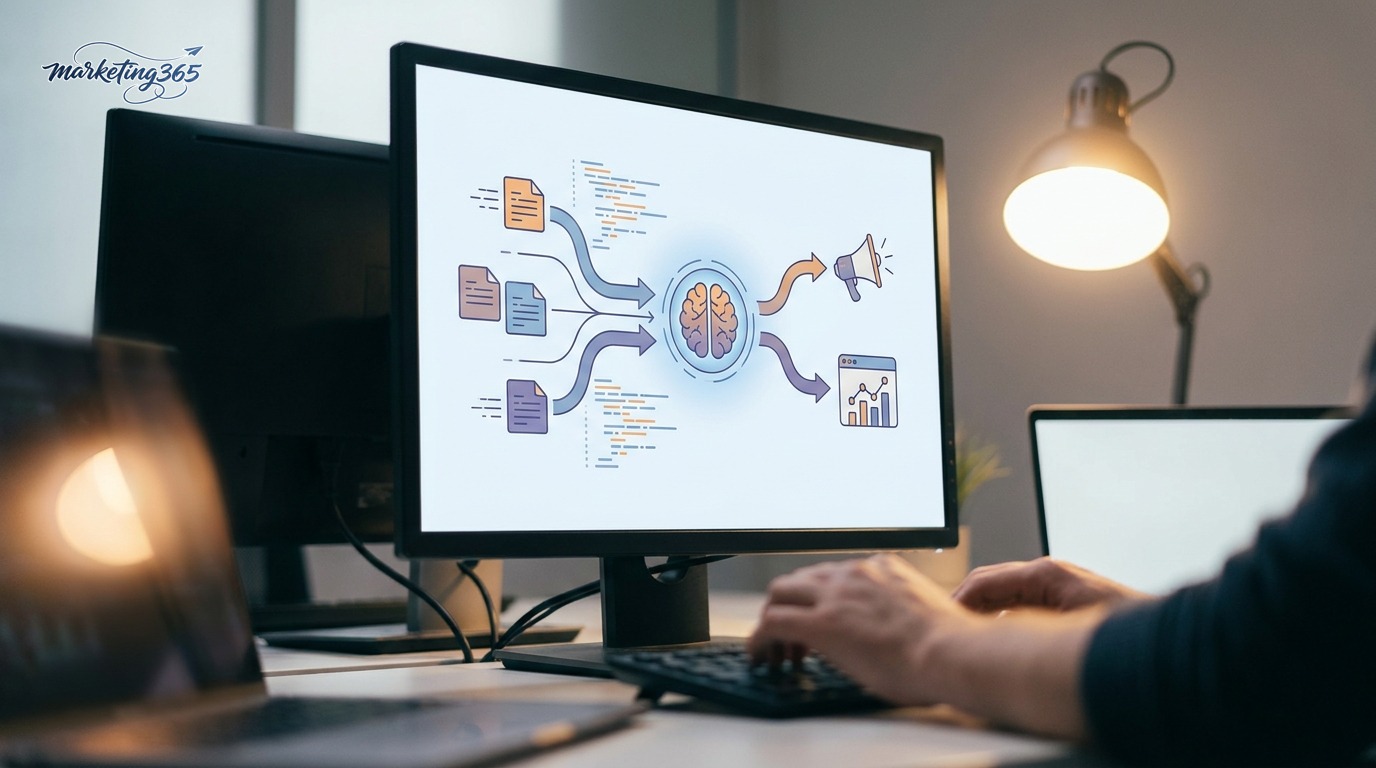
This is a technical tool, so for marketers its biggest value is the ability to “build small tools yourself” without having to wait in line for the dev team. For example: ask OpenHands to write a script that gathers data from multiple report files into a summary table; build a simple landing page to test an idea; create a tool that automatically renames and organizes batches of content files; or write a script that calls an API to pull campaign metrics into one place.
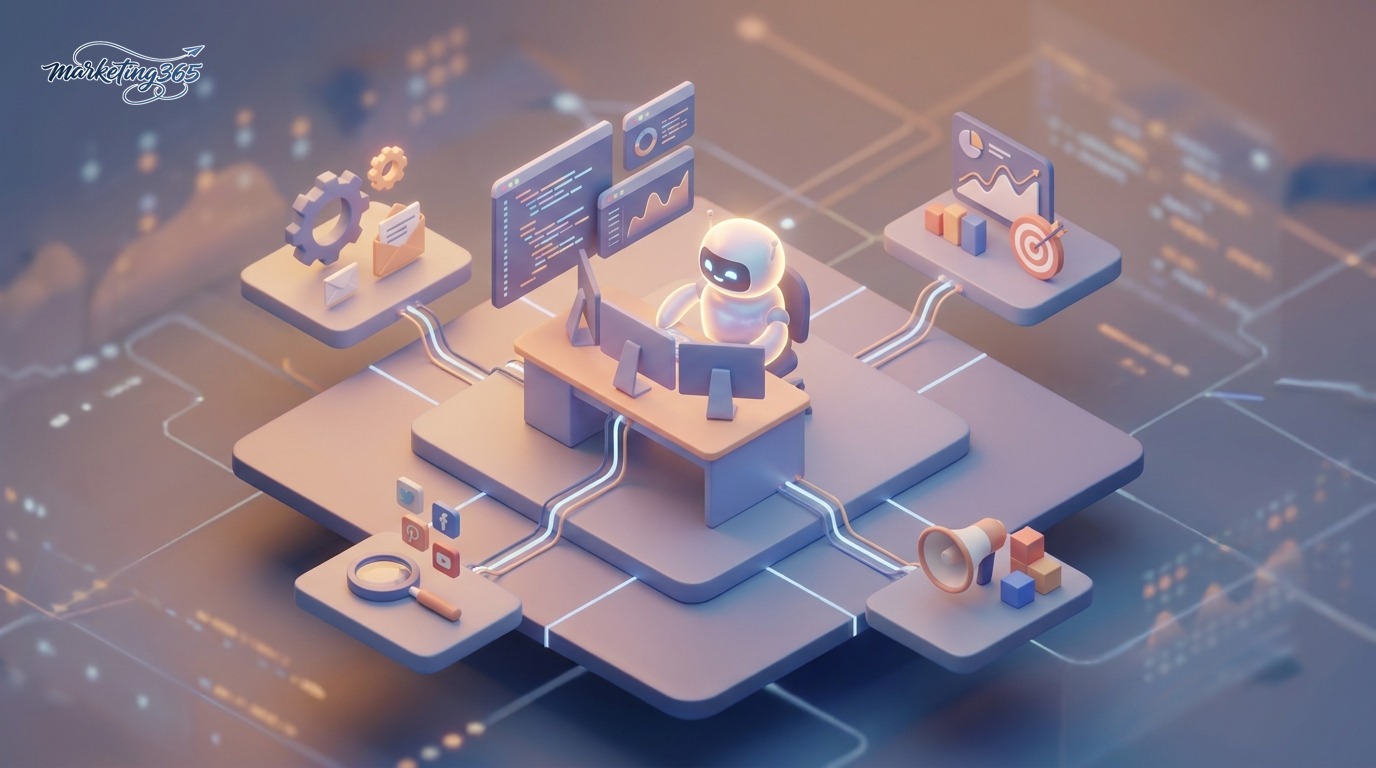
For those working in marketing automation, OpenHands can help build and adjust automation logic faster. Combined with data from analytics and content marketing workflows, a marketer with “some technical knowledge” can solve many small tasks that previously depended entirely on developers. Even so, AI-generated results always need to be checked by an expert before real use.
How to get started
OpenHands is usually installed via Docker and needs to connect to a language model (through an API). After installation, you assign tasks to the agent by describing the job clearly and in detail — the more specific you are, the better the result. If you’re not technically inclined, the safest approach is to start with a small, low-risk task (for example, processing a sample data file) in a test environment, and always have someone review the code before using it in real work. The GitHub repository includes installation instructions and full documentation.
Read more: Repo AI/Agent Drawing Attention: OthmanAdi’s planning-with-files
Pros and cons
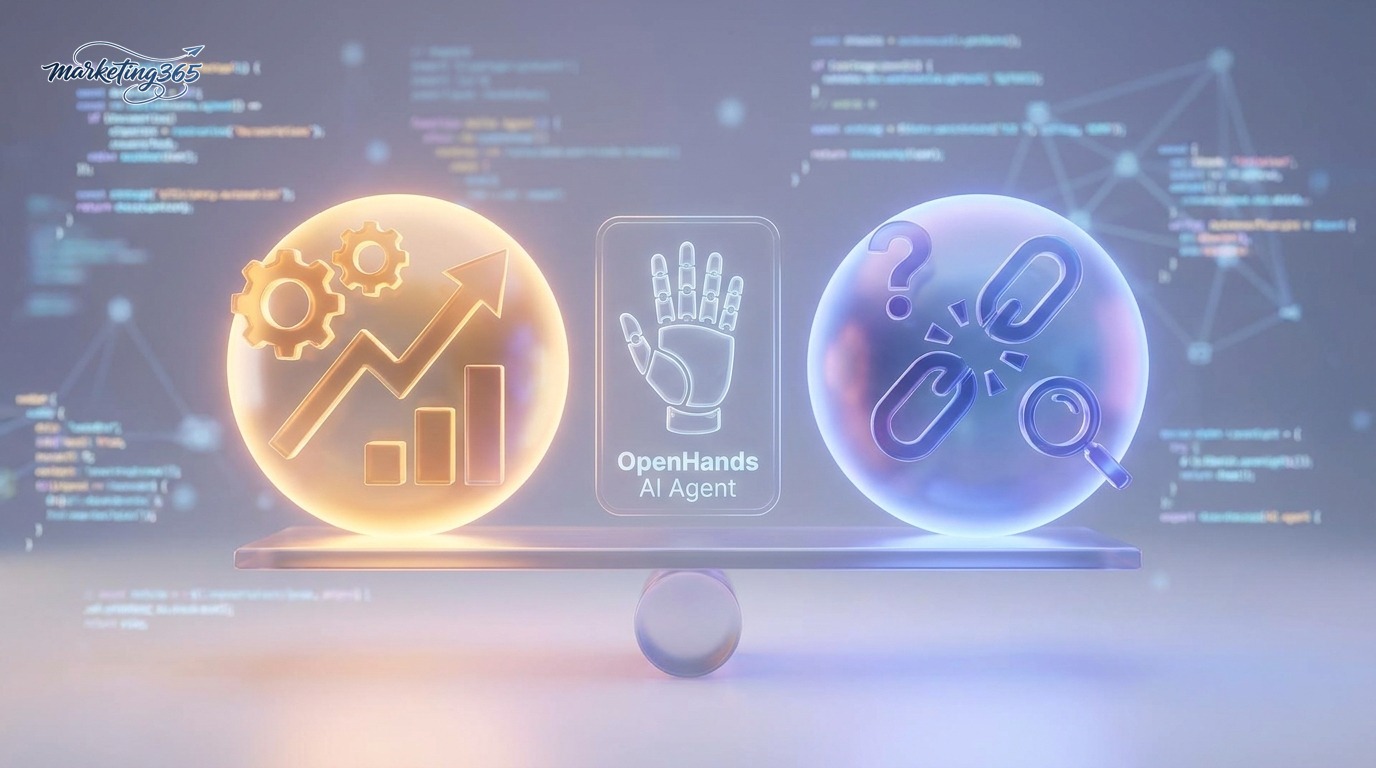
- Pros: Free, open source, and backed by a very large community (78k+ stars); can automate many technical tasks and save time; lowers the barrier for non-experts to build small tools themselves; runs in a secure sandbox and lets you flexibly choose an AI model.
- Cons: Requires technical setup knowledge (Docker, API) to get started; AI-generated results can be wrong and must be reviewed by an expert; language model usage costs can rise if used heavily; cannot replace programmers for complex, important projects.
Verdict: is it right for you?
OpenHands is well worth trying if you are a marketer with technical thinking, or if your team wants to speed up small tasks without using up valuable dev resources. For people with no technical background at all, the learning curve is a bit steep — so it is best to start with a tech-savvy colleague. Overall, this is one of the standout tools in the trend toward AI agents that do the work themselves, and getting familiar with it early will give you a clear advantage over the next 1-2 years.
See details and official documentation in the source repository: All-Hands-AI/OpenHands on GitHub. Note: this article is compiled from publicly available project information and should be reviewed by an expert (human review) before being applied to real work.
Frequently asked questions
How is OpenHands different from a chatbot that suggests code?
A chatbot only suggests code for you to paste, while OpenHands actually acts in a working environment: creating files, running programs, checking results, and fixing itself. It is more like a technical collaborator than a question-answering assistant.
Can marketers without technical skills use OpenHands?
The initial learning curve is a bit steep because it requires Docker installation and API connection. The safest approach is to start with a small, low-risk task in a test environment, ideally with a tech-savvy colleague.
Does using OpenHands cost money?
OpenHands itself is free and open source, but it needs to connect to a language model via API, and model usage costs can increase if you use it heavily.
Can OpenHands replace programmers?
No. OpenHands speeds up small tasks and repetitive work, but it cannot replace programmers for complex, important projects; and every result still needs to be reviewed.