
Contents
- What is ChatGPT, and why does it remain at the center of the AI race?
- How to use ChatGPT more effectively: it’s not just about typing a prompt and waiting
- When ChatGPT can do more: from writing to research, planning, and personalization
- Privacy is becoming the new battleground in AI competition
- Consumer AI is facing a backlash: rapid growth, but trust does not come naturally
- Vietnamese brands need rules on data, prompts and fact-checking before scaling ChatGPT
- References
ChatGPT and the current generation of AI tools have moved past simple question-answering into research, content creation, analysis, automation, and personalization. For Vietnamese marketers, the strategic question is no longer whether to adopt AI, but how to use it faster, more accurately, and more safely than competitors.
Key points
- ChatGPT has evolved from a question-answering chatbot into a multitasking AI assistant that supports writing, analysis, and planning.
- New AI tools are emphasizing privacy and data control, signaling a clear business need.
- Effective AI use depends heavily on how you ask questions, choose models, and combine them with work tools.
- Consumer AI trends are being challenged by cost, trust, and real-world usefulness.
What is ChatGPT, and why does it remain at the center of the AI race?
ChatGPT is a chatbot released by OpenAI, functioning as a conversational tool that can generate natural, human-like responses. According to Built In, ChatGPT is built on large language models and can handle a wide range of tasks such as answering questions, writing content, generating images, and assisting with programming.
What stands out is that ChatGPT is no longer seen as just a simple Q&A chatbot. In recent stages, it has been regarded as a versatile AI platform that can take part in many steps of daily work. For marketers, this means ChatGPT can help brainstorm campaign ideas, draft briefs, write PR drafts, summarize market research documents, or assist with initial data processing. (Source: Built In)
How to use ChatGPT more effectively: it’s not just about typing a prompt and waiting
A guide from Geeky Gadgets emphasizes that beginners should treat ChatGPT as a collaborative assistant rather than a generic “ask and answer” tool. Understanding how to use the interface, choose the right model, and make use of the prompt box will determine output quality.

In practical terms, ChatGPT can be used to outline content, edit drafts, analyze uploaded files, and build structured plans for complex projects. The source also points to a trend of integrating ChatGPT with platforms like Gmail or Slack to automate workflows. For marketers, this is an important signal: efficiency does not come only from “having AI,” but from designing workflows where AI supports the right steps. (Source: Geeky Gadgets)
When ChatGPT can do more: from writing to research, planning, and personalization
Read more: SEO in the AI Era: What Vietnamese Marketers Should Prepare For
The Times of India describes ChatGPT in 2026 as an AI assistant with far broader capabilities than in its early stages. According to the article, the tool can research information, reason through complex problems, generate images, analyze documents, support software development, and automate repetitive tasks. When memory is enabled, it can also retain some user preferences across conversations.

This reflects a major shift in AI usage behavior: users no longer just need fast responses, but also consistency and the ability to “learn” from work context. For content, communications, and brand teams, this is an opportunity to reduce time spent on repetitive tasks such as outlining, consolidating insights, or creating content variations for different customer groups. (Source: The Times of India)
Privacy is becoming the new battleground in AI competition
ZDNET highlights another direction in the AI market: competition is not only about model capability, but also about how user data is protected. The article on Proton Lumo 2.0 describes a privacy-first AI assistant in the European style, emphasizing tighter data locking and better control over personal information.

This is especially noteworthy for businesses and marketing teams that often handle customer data, internal documents, and unpublished content. When AI is introduced into workflows, the question is not only “what can it do?” but also “where will the data I enter go?” In practice, marketers need to clearly classify which documents can be entered into public AI tools and which must use internal systems or solutions with stronger security commitments. (Source: ZDNET)
Consumer AI is facing a backlash: rapid growth, but trust does not come naturally
A commentary on Medium argues that consumer AI is entering a more difficult phase: the public is becoming more cautious, while businesses are beginning to realize that AI costs and real-world effectiveness do not always match initial expectations. Although this is an opinion piece, it accurately reflects the broader market context: early excitement is giving way to a phase of value verification.
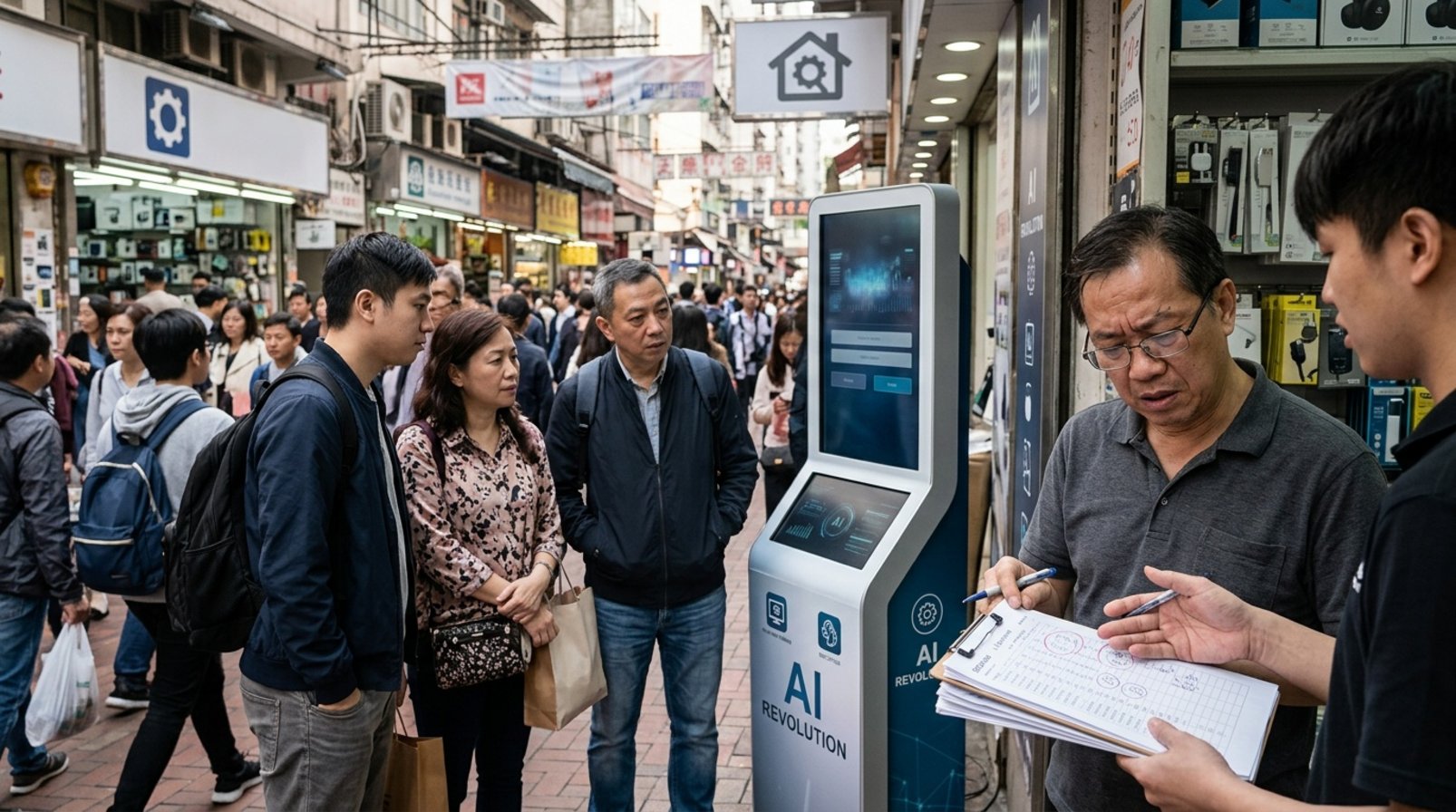
For marketers, this is an important reminder. Users are not persuaded by the message “AI for everything,” but by applications that are genuinely useful, transparent, and time-saving. The AI media brands that succeed are often those that clearly explain outputs, limitations, safety levels, and specific benefits for end users. (Source: Medium)
Read more: AI Search Is Rewriting SEO: What Vietnamese Marketers Should Prioritize Now
Vietnamese brands need rules on data, prompts and fact-checking before scaling ChatGPT
In Vietnam, ChatGPT and similar AI tools are being adopted more widely in marketing, sales, customer service, and content operations. However, lessons from international sources show that businesses should not focus only on “new features,” but should build controlled AI usage capabilities: choosing the right tools, defining which data may be entered, and training teams on how to write prompts, verify facts, and edit outputs.

For Vietnamese brands, the biggest opportunity right now lies in using AI to speed up content production, analyze customer feedback, and personalize experiences. But sustainable advantage will come from combining AI with local market understanding, brand voice, and rigorous fact-checking standards — factors that AI alone cannot yet replace.
Note: This article synthesizes international sources cited in the input data, has been rewritten in an original journalistic style, and does not reflect the full views of each publishing organization.
Explore more marketing analysis & guides at Marketing365.
Explore more marketing analysis & guides from Marketing365.
Read more articles in the same category Digital Trends.
References
- Built In — What Is ChatGPT? Key Facts About OpenAI’s Chatbot.
- ZDNET — Want a private ChatGPT alternative? How Proton’s Lumo 2.0 locks down your data, EU style
- Medium — The Death Of Consumer AI Is Coming
- Geeky Gadgets — How to Use ChatGPT for Beginners : Writing, File Analysis, Plans and More
- The Times of India — 10 incredible things ChatGPT can do in 2026 that most users don’t know