
Contents
- Codex and the trend of using AI as a personal “morning briefing”
- Elon Musk continues to pull the AI debate toward social policy
- NVIDIA emphasizes infrastructure as the foundation of the new AI wave
- NVIDIA stresses infrastructure as the foundation of the new AI wave
- What Vietnamese marketers should do
- References
As of July 2026, AI continues to show that it is not just about models or technology, but about how users organize information, how businesses position strategy, and how countries frame their development ambitions. For Vietnamese marketers, these signals — coming from very different angles — point to one thing: AI is moving into everyday life, policy, and infrastructure, and with it the customer journey, content distribution, and internal data organization that brands depend on.
Codex and the trend of using AI as a personal “morning briefing”
According to Greg Brockman, Codex is being used to create a personalized digest every morning. One user described the experience as having a “personal newspaper” made up of unread emails, work calendar, surf reports, and news, with the simple goal of helping them avoid picking up their phone too early in the day.
The notable point here is not that AI “knows how to read news,” but that it is being used to organize information around each individual’s lifestyle habits. For marketers, this is an important signal: AI’s value is not only in content creation, but also in its ability to personalize experiences, reduce noise, and deliver information at the moment users need it.
If this trend continues, brands will need to think more about how their content appears in AI-generated summary layers, rather than optimizing only for websites or traditional social media.
Source: Greg Brockman (@gdb) on X; quoting a post by @doooyle.
Elon Musk continues to pull the AI debate toward social policy
In another post, Elon Musk said that benefits such as cash and housing are a “massive financial forcing function” that draws illegal immigrants to the U.S. and Europe. This comment is not directly about AI, but it reflects a type of debate that is becoming increasingly common around technology, labor, and public policy: when technology changes productivity and resource allocation, the social issues that come with it are often pushed to the forefront more quickly.
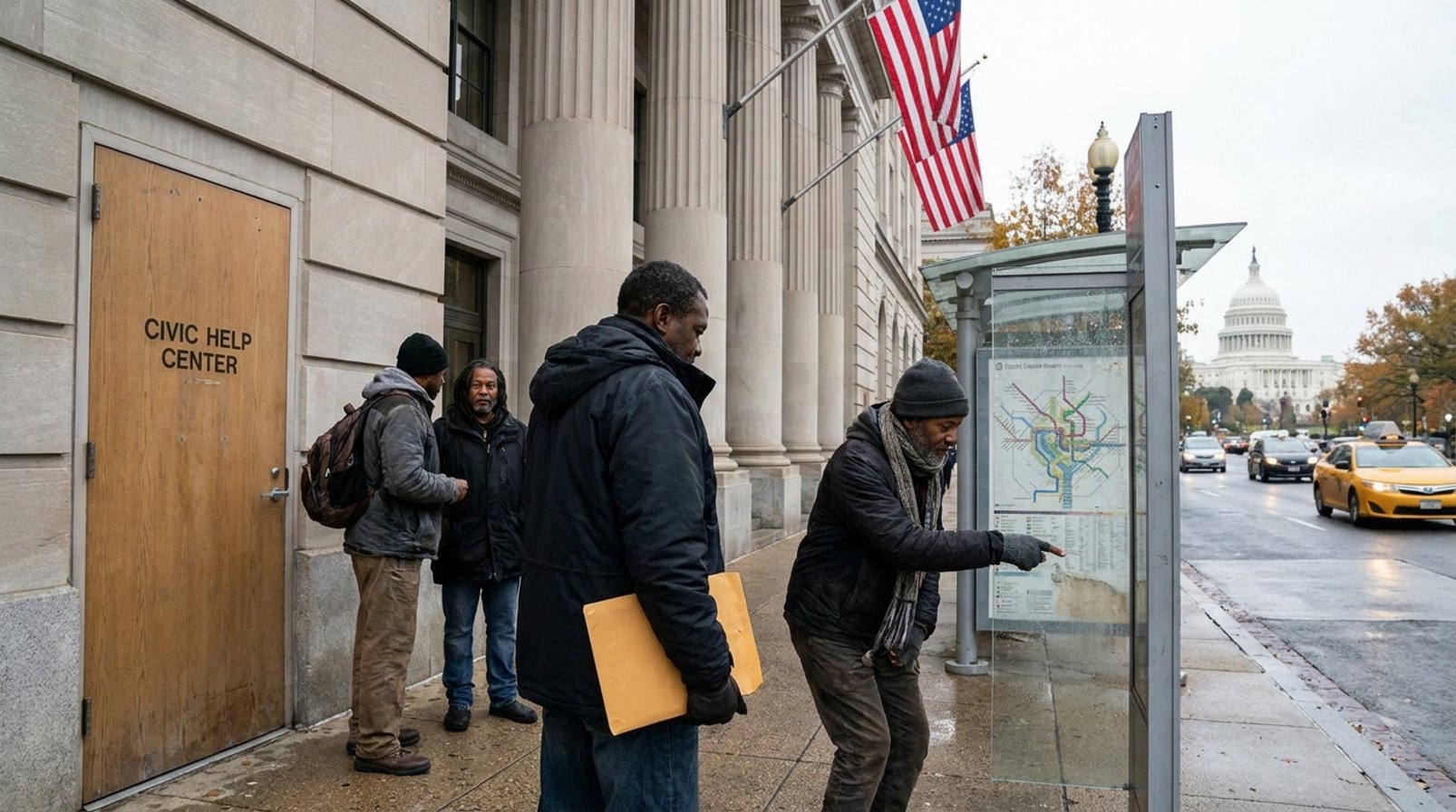
For the marketing and communications industry, this is a reminder that technology topics rarely stand alone. They are often tied to larger debates about the economy, immigration, welfare, jobs, and governance capacity. Brands therefore need to be careful when joining the conversation: the message must be clear, grounded in data, and avoid getting pulled into distracting statements if the proper context is missing.
Source: Elon Musk (@elonmusk) on X; quoting a comment from @JoelWBerry.
NVIDIA emphasizes infrastructure as the foundation of the new AI wave
NVIDIA posted a message saying that America is “a nation of builders” and has built railroads, power grids, factories, semiconductors, and the internet over the past 250 years; now, America is building again. This wording places AI in the same story as industrial infrastructure, no longer just as an invisible software layer.
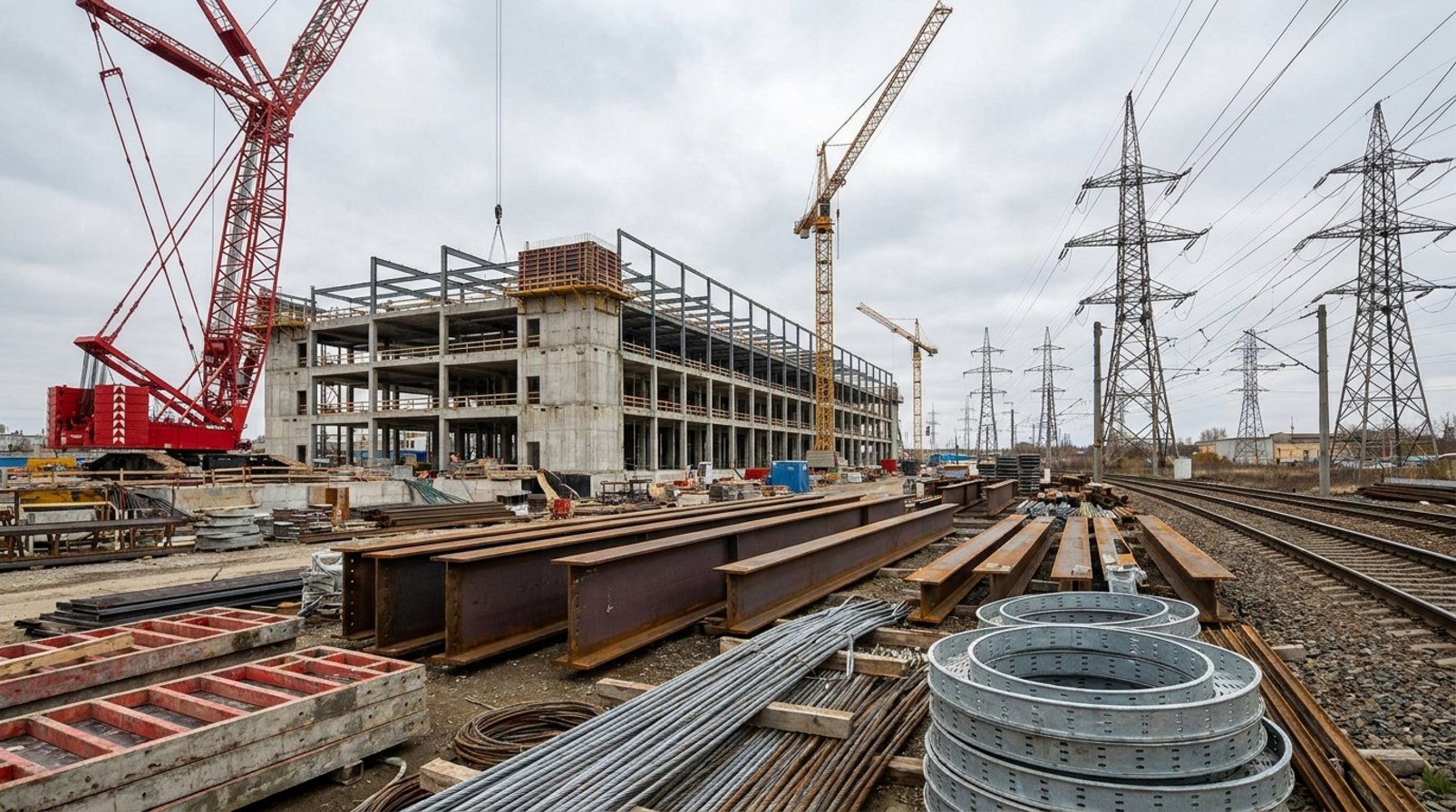
This is especially noteworthy for B2B, technology, and digital infrastructure marketers. As AI enters the scaling phase, the race is not only about which model is smarter, but also about who has the chip supply chain, data centers, power, technical talent, and partner ecosystem strong enough to deploy it in practice.
NVIDIA’s message also shows how major tech companies are building their brand story: AI is no longer a distant future, but a project that is being built right now.
Read more: Why AI is becoming an infrastructure cost, not just a tool, for marketing teams
Read more: AI, GPT-5.6 and the Digital Infrastructure Wave: What Marketers Should Watch
Source: NVIDIA (@nvidia) on X.
NVIDIA stresses infrastructure as the foundation of the new AI wave
For Vietnamese marketers, the three signals above point to one common theme: AI is shifting from a “testing tool” to an “experience infrastructure” and a “decision infrastructure.” That means businesses should not only ask what AI can do, but also how AI is changing the customer journey, content distribution, and internal data organization.

At the operational level, small but practical applications such as personalized newsletters, context-based information summaries, or workflow automation can deliver very clear results. At the strategic level, technology and B2B brands in Vietnam need to prepare a story around infrastructure capability, security, data, and real deployment capacity, because these will become increasingly important criteria when customers evaluate AI solutions.
In short, the current AI wave does not just demand better content; it also demands smarter storytelling, more context, and a tighter connection to real-world value.
What Vietnamese marketers should do
- Start with small, practical use cases such as personalized newsletters, context-based summaries, and workflow automation that deliver clear results.
- Think about how your content appears inside AI-generated summary layers, not just on websites or traditional social feeds.
- Be careful when joining tech-adjacent public debates: keep messaging clear, data-grounded, and framed with proper context.
- For B2B and tech brands, prepare a story around infrastructure capability, security, data, and real deployment capacity — increasingly the criteria customers use to evaluate AI solutions.
In short, for Vietnamese brands the practical takeaway is to treat AI as experience and decision infrastructure — and to invest early in the data, content, and capabilities that make that infrastructure work.
See more marketing news and guides at https://marketing365.vn.
Follow more updates from Marketing365 to stay up to date with the latest marketing trends.
Read more articles in the same category AI developments.
This article focuses on latest AI news with a perspective for the Vietnamese market.
References
- Codex for making a personalized daily digest
- Free money, housing, etc acts as a massive financial forcing function to draw illegals to America and Europe
- America is a nation of builders… Now, America is building again.