
Contents
- Apple sues OpenAI: when the AI race moves onto trade secret territory
- OpenAI’s new model saves more than 54% of tokens: a positive signal for content automation
- News organizations continue to ask the court to penalize OpenAI in the AI copyright battle
- Copyright, security and content moderation become conditions for using AI
- Feed AI only material you hold rights to
- References
As of July 2026, the developments involving OpenAI and Apple show how quickly AI is changing on both the technological and legal fronts: from trade-secret disputes and new model efficiency to mounting copyright pressure from news publishers. These moves matter because they are reshaping the rules around data and content. For Vietnamese marketers, this is not just a tech story: it directly affects content creation, the use of AI in workflows, and copyright risk management.
Key points
- Apple has sued OpenAI, accusing its rival of stealing secrets related to products still under development.
- OpenAI says its new model saves more than 54% of tokens in agentic coding tasks, suggesting costs and productivity could improve.
- Several news organizations continue to push the court to impose sanctions on OpenAI in a large-scale AI copyright dispute.
- For marketers, the focus is on controlling data sources, content copyright, and efficiency when integrating AI into content production.
Apple sues OpenAI: when the AI race moves onto trade secret territory
The New York Times reported that Apple filed a lawsuit against OpenAI on July 10, accusing the company behind ChatGPT of stealing secrets about products still in development. The move pushes the relationship between the two tech giants from product competition into a direct legal confrontation.
For the content and marketing market, the lawsuit is an important reminder: internal data, intellectual property, and product testing processes are no longer just a legal team’s concern. In the AI era, any content fed into a model, tool, or third-party system needs tighter control.
Source: The New York Times.
OpenAI’s new model saves more than 54% of tokens: a positive signal for content automation
CNBC quoted Sam Altman as saying that OpenAI’s latest model is 54% more efficient in terms of tokens for agentic coding tasks. While the technical details still depend on the use case, the main message is clear: AI is moving closer to doing more with fewer resources.

For marketers, especially teams using AI to draft copy, optimize SEO, create briefs, or support multichannel content production, token efficiency is often tied to operating costs. A more efficient model could help scale experimentation, but it also increases pressure to standardize review processes to avoid overreliance on automated output.
Source: CNBC.
News organizations continue to ask the court to penalize OpenAI in the AI copyright battle
AP News reported that news outlets are calling on the judge to impose sanctions on OpenAI in a high-risk copyright dispute. This is part of a broader legal battle in which publishers and AI companies are fiercely debating how news data can be used to train models.
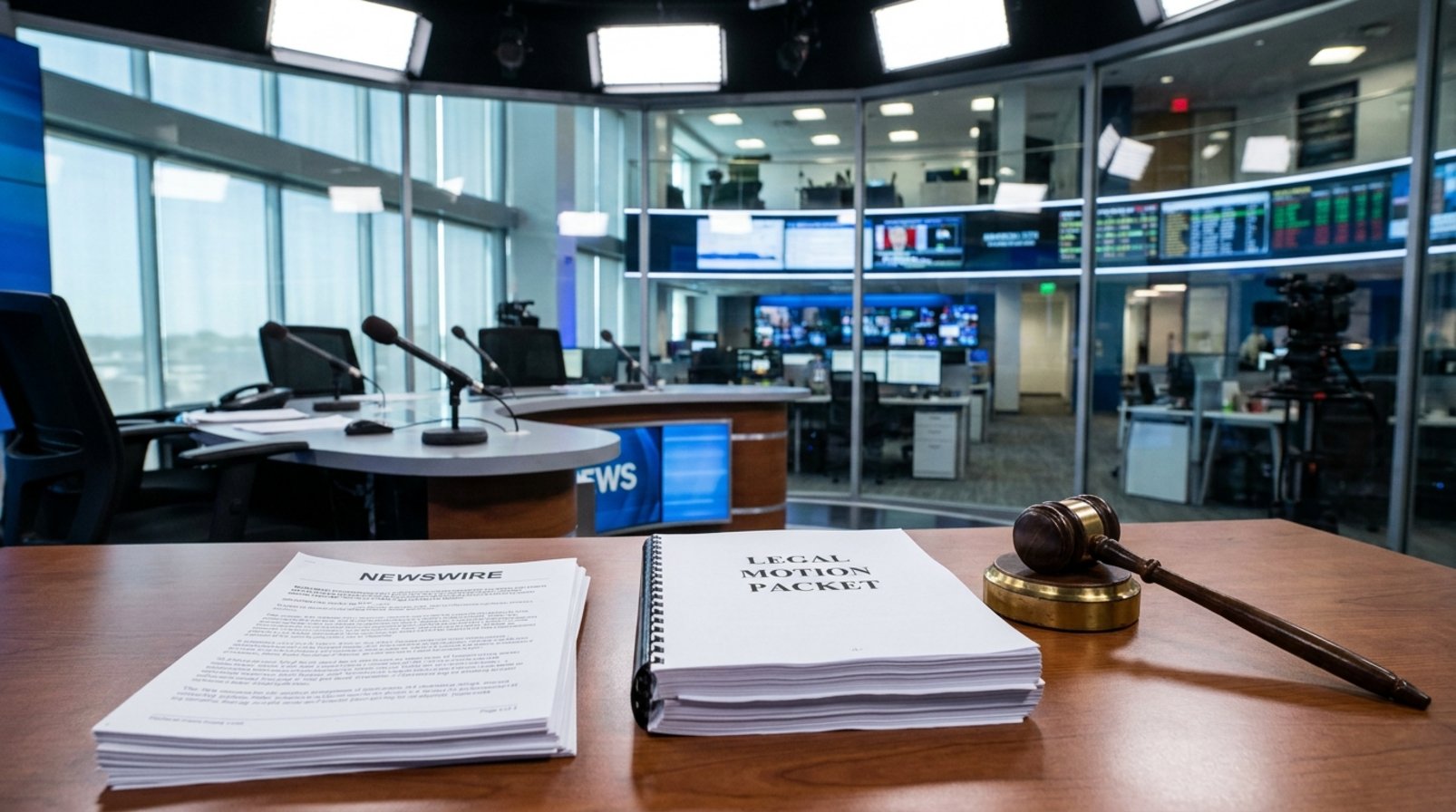
For content marketers, this development shows that standards for using digital assets are tightening. If a business uses AI to summarize, reinterpret, or restructure content, it needs to carefully check the source material, image usage rights, quotations, and editorial workflow to reduce infringement risk.
Read more: Legal pressure on OpenAI: data, copyright and risk for marketers
Source: AP News.
Copyright, security and content moderation become conditions for using AI
These three stories show that AI in marketing is not just about boosting productivity. As tools become more powerful, copyright, data security, and content review processes become even more important. For Vietnamese businesses, the safe approach is to clearly segment data, define which inputs are allowed for AI, and always include a human editing step before publishing.

In the short term, marketers can take advantage of AI efficiency improvements to test more content formats at lower cost. But in the long run, the competitive edge will belong to teams that know how to combine AI with editorial skill, legal awareness, and consistent brand thinking, rather than relying entirely on the tool.
Feed AI only material you hold rights to
- Review the data and materials fed into AI tools; use only content with clear usage rights to reduce copyright-dispute risk like the publishers’ case against OpenAI.
- Add a human editing step before publishing any AI-assisted content, instead of relying entirely on automated output.
- Use more token-efficient models to test more content formats at lower cost, but tie each experiment to a concrete performance metric.
- Segment internal data and define which inputs are allowed for AI, protecting trade secrets and intellectual property.
Overall, this wave of legal and technological change shows that the long-term edge belongs not to the team that uses AI the most, but to the one that combines AI with editorial skill, legal awareness, and consistent brand thinking.
See more marketing news and guides at https://marketing365.vn.
Follow more updates from Marketing365 to stay up to date with the latest marketing trends.
Read more articles in the same category Digital Trends.
This article focuses on content marketing AI with a perspective for the Vietnamese market.
References
- The New York Times — Apple Sues OpenAI, Accusing It of Stealing Company Secrets
- CNBC — OpenAI’s newest AI model is 54% more token efficient on agentic coding, Altman tells CNBC
- AP News — News outlets urge a judge to sanction OpenAI in a high-stakes AI copyright fight