Contents
World Cup 2026 is not just a race on the pitch, but also a major test for the global sports advertising ecosystem. For Vietnamese marketers, developments such as surging CPMs, scarce inventory, and how broadcasters choose to monetize every minute of airtime are signals worth watching to understand how the premium market works in peak season.
Key points
- CPMs for World Cup 2026-related advertising have risen sharply in many markets, but the increase varies by channel and segment.
- Hydration breaks have become new “inventory,” creating additional ad space during matches and driving up commercial value.
- Fox and Telemundo are pursuing two opposite strategies: maximizing ad sales revenue and prioritizing the viewer experience.
- What happens at World Cup 2026 shows the increasingly clear shift between broadcast rights, sponsorship, and programmatic advertising in live sports.
CPMs are surging, but not every market is the same
According to Portada, in football-mad countries such as Mexico, programmatic ad prices for display, video, CTV and DOOH have risen at least 3 to 4 times compared with pre-World Cup levels. This is a direct result of soaring demand around football content, especially during key moments of the tournament.
In the U.S., the picture is more complex. Vicente Navarro, Managing Partner at GotDigital, said the CPM increase is real but is happening more by industry group and channel than as a broad-based rise like in Mexico. He cited World Cup inventory CPMs on streaming at around 60-120 USD, while hydration break placements could reach 65-100 USD. By contrast, Gustavo Landivar, CEO of Multicultural Web Media, said he has not seen a significant increase in programmatic CPMs because inventory supply is abundant and many budgets have shifted to Telemundo, where sponsorship packages and streaming deals are being fully leveraged.
This difference shows something very important: in premium media, price depends not only on audience size but also on how inventory is “packaged” and distributed. When sponsorships and direct buys absorb the most attractive placements, the remaining programmatic inventory may not rise evenly in price.
Hydration breaks: from sports pauses to a new ad inventory
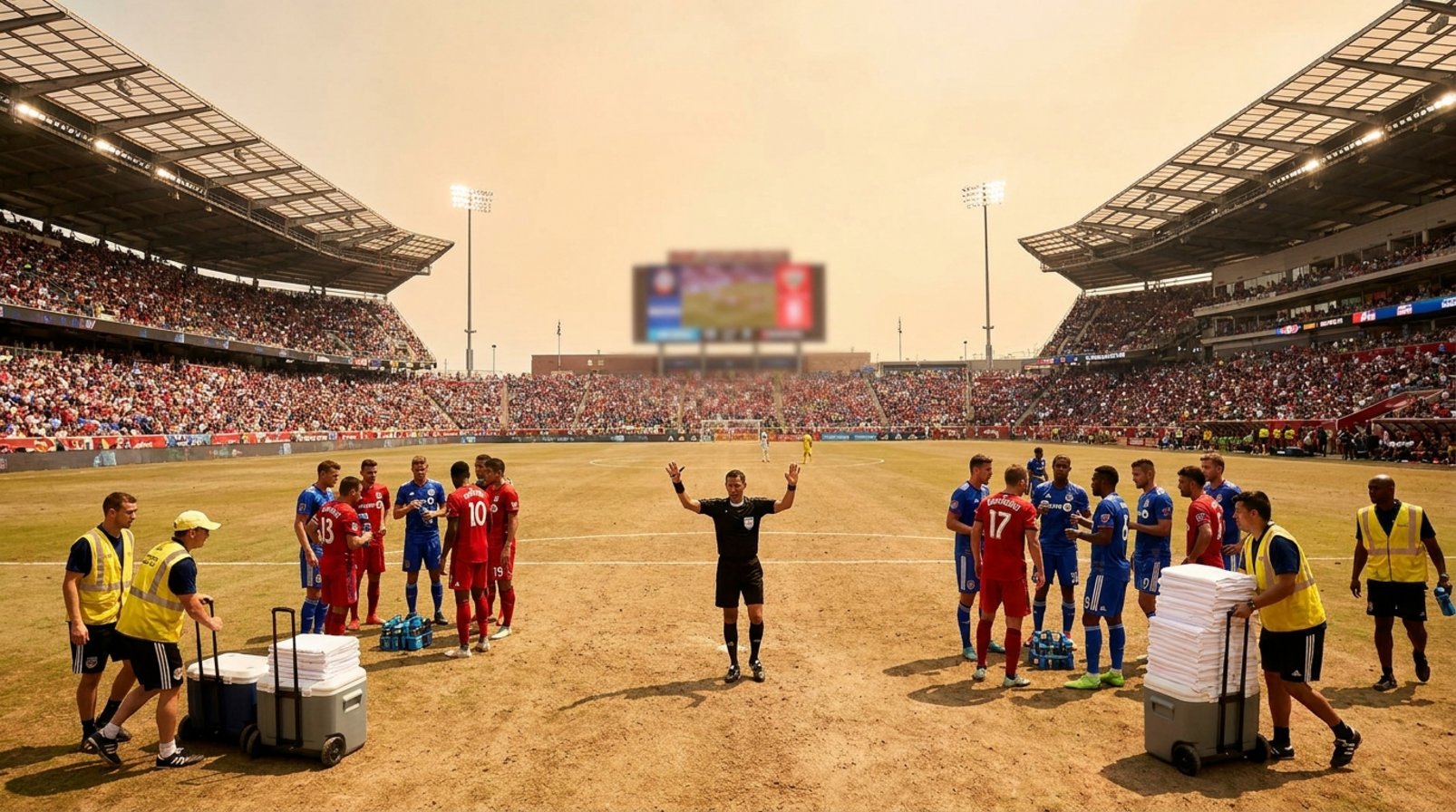
Hydration breaks are becoming one of the most notable monetization points of World Cup 2026. Although they are seen as necessary in the hot conditions in the U.S., many viewers have booed these pauses, arguing that they disrupt the rhythm of the match and reflect the increasingly dense commercialization of football.
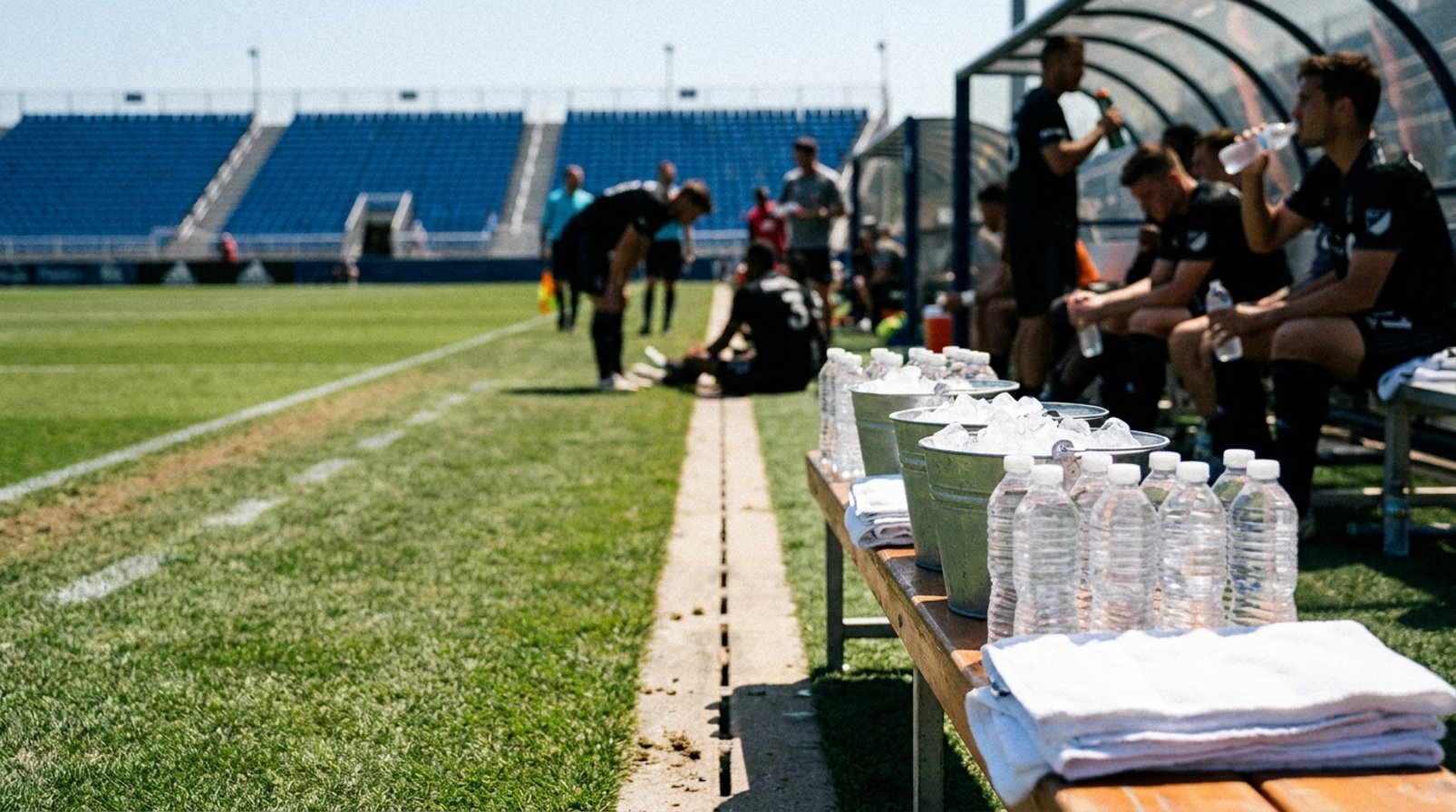
The key point is that each hydration break has created about two minutes and ten seconds of new inventory in each half across all 104 matches, something football has never had before. For broadcasters and streamers, this is a completely new monetization opportunity. In fact, according to a source cited by Portada, revenue from 30-second spots throughout the tournament could exceed 500 million USD, more than Fox paid for the entire rights package.
This reflects a familiar trend in sports media: as broadcast rights become more expensive, broadcasters must find every possible “gap” to increase revenue. For marketers, the lesson is that new ad insertion points in live sports are often highly valuable because they are rare and hard to replace.
Fox and Telemundo: two ways to monetize the same moment
Fox and Telemundo are taking very different approaches to hydration breaks. Fox prioritizes maximizing ad value in every time slot, accepting the risk of greater viewer frustration. Telemundo, meanwhile, is not selling all of this break time as traditional inventory, but instead keeps the match feed running for replays and commentary rather than inserting spots.
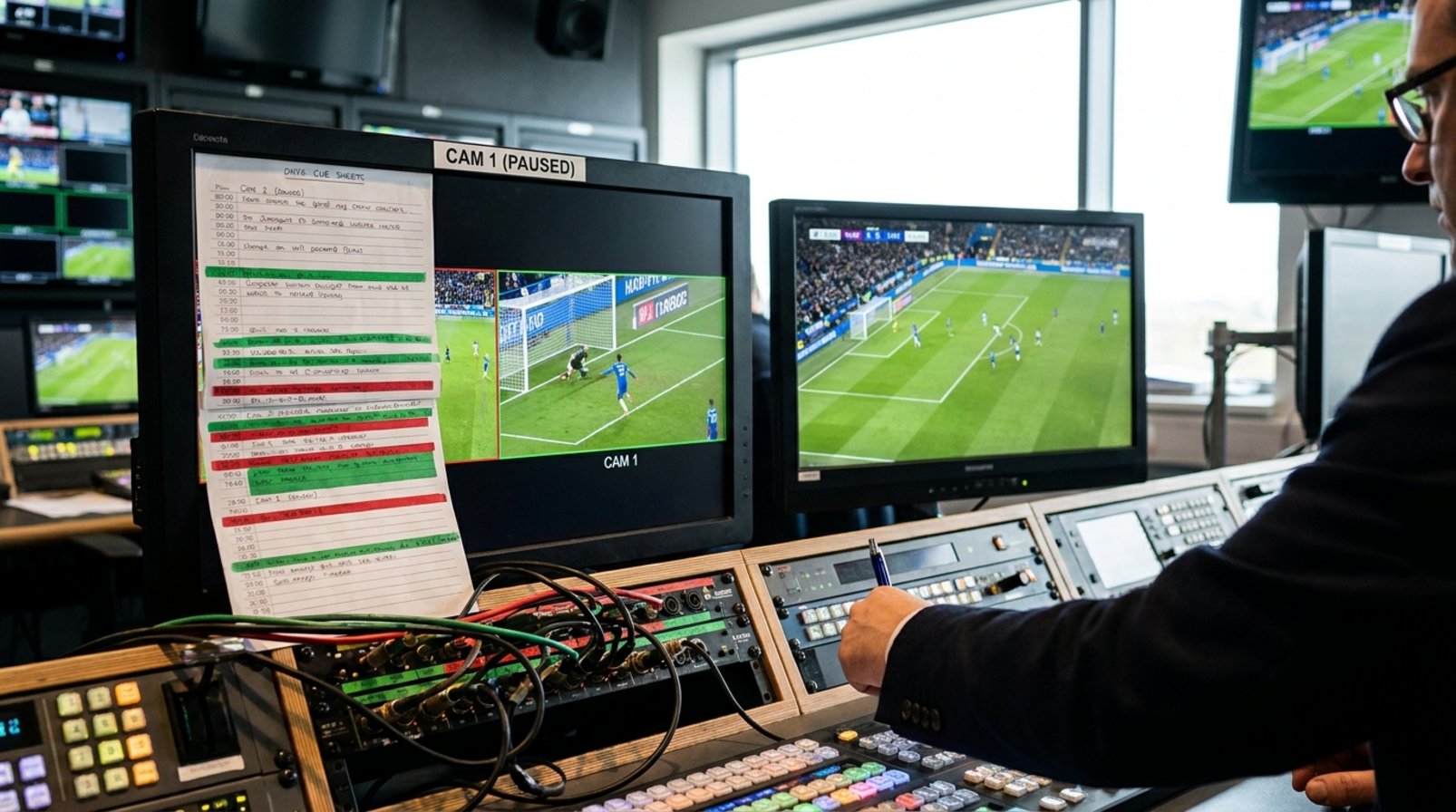
For Telemundo, this is not randomly wasted inventory but a deliberate choice to prioritize the viewer experience. Even so, Vicente Navarro said the network is “leaving money on the table” during the period of highest demand from this audience segment, even though it is still selling branded L-frames during the break.
Read more: Social Media 2026: Nonprofits, World Cup and AI Shape the Game
This comparison is especially noteworthy: one side is maximizing short-term revenue, while the other is building goodwill and long-term brand preference. In live sports, selling more inventory is not always the best decision if it hurts the viewing experience.
Live content ads are shifting from buying spots to buying context and scarcity
For Vietnamese marketers, World Cup 2026 shows that advertising in major live events is shifting from “buying spots” to “buying context” and “buying scarcity.” As inventory tightens, the value of sponsorships, branded placements, L-frames and custom activations will rise faster than mass-market advertising.
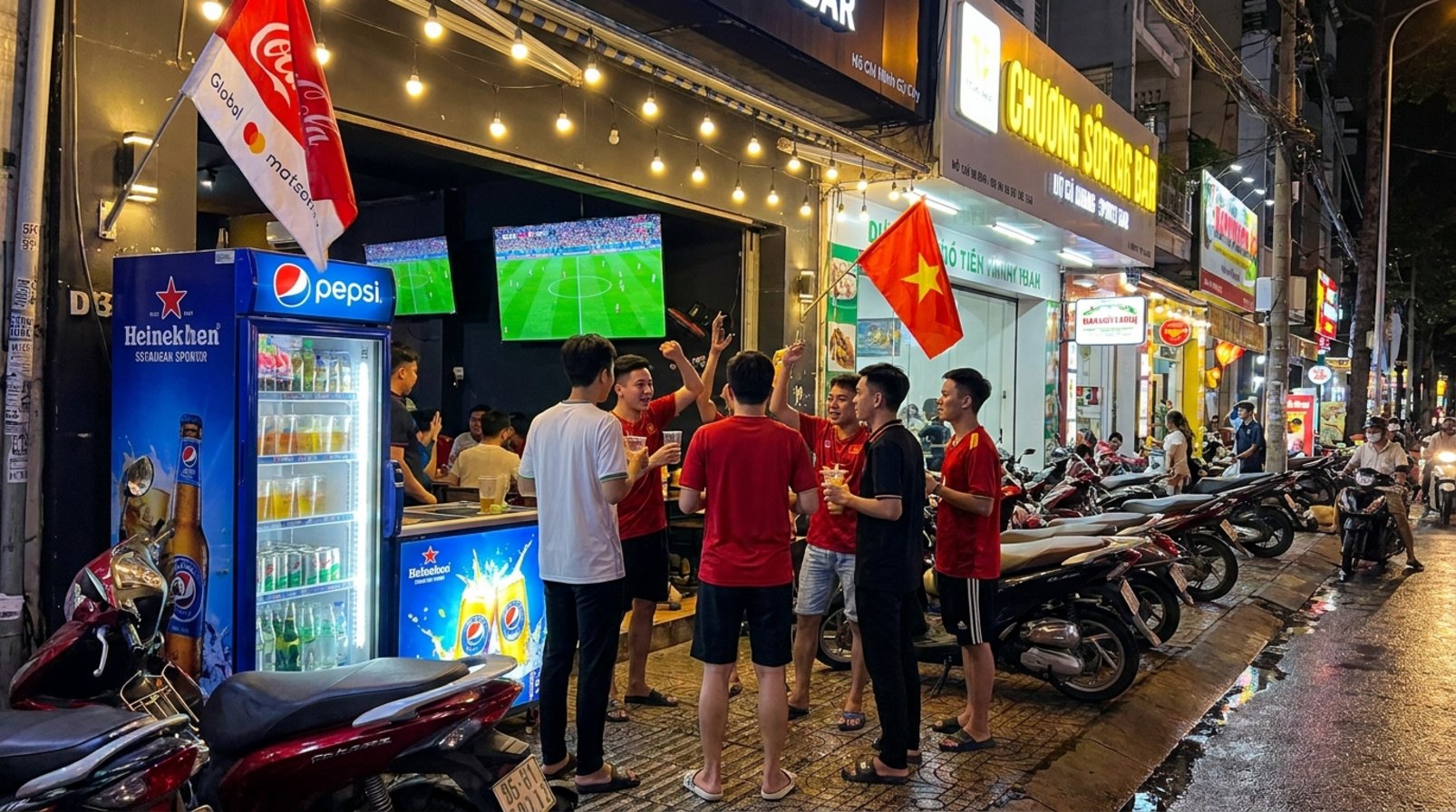
This is especially useful for brands targeting young men, sports fans or multicultural audiences. Instead of simply chasing low CPMs at scale, businesses can consider allocating budgets to high-intent viewing moments, where attention and brand recall are stronger.
From a strategic perspective, the Fox-Telemundo story also reminds Vietnamese brands that media effectiveness is not just about reach and frequency. In many cases, the viewer experience, contextual fit and the originality of how a brand appears in front of the audience are what determine whether it will be remembered.
Portada shows that World Cup 2026 is not merely a sports stage, but also a laboratory for premium advertising. For marketers, especially those working in social, video and sponsorship, this is the time to observe how the monetization of live content is changing so quickly.
Source: Portada-online.com, article “The World Cup So Far: Nine Critical Marketing Insights According to Experts in the Portada Network”.
See more marketing news and guides at https://marketing365.vn.
Follow more updates from Marketing365 to stay up to date with the latest marketing trends.
Read more articles in the same category Digital Trends.
This article focuses on World Cup 2026 advertising with insights for the Vietnamese market.