Contents
- When sponsorship is no longer measured by logo reach
- Hydration breaks: a visibility opportunity, but also a perception risk
- Brands that blend into the fan experience will have the advantage
- Authenticity: the advantage of brands with a natural place
- World Cup 2026 shows social-first must follow real fan emotions
- References
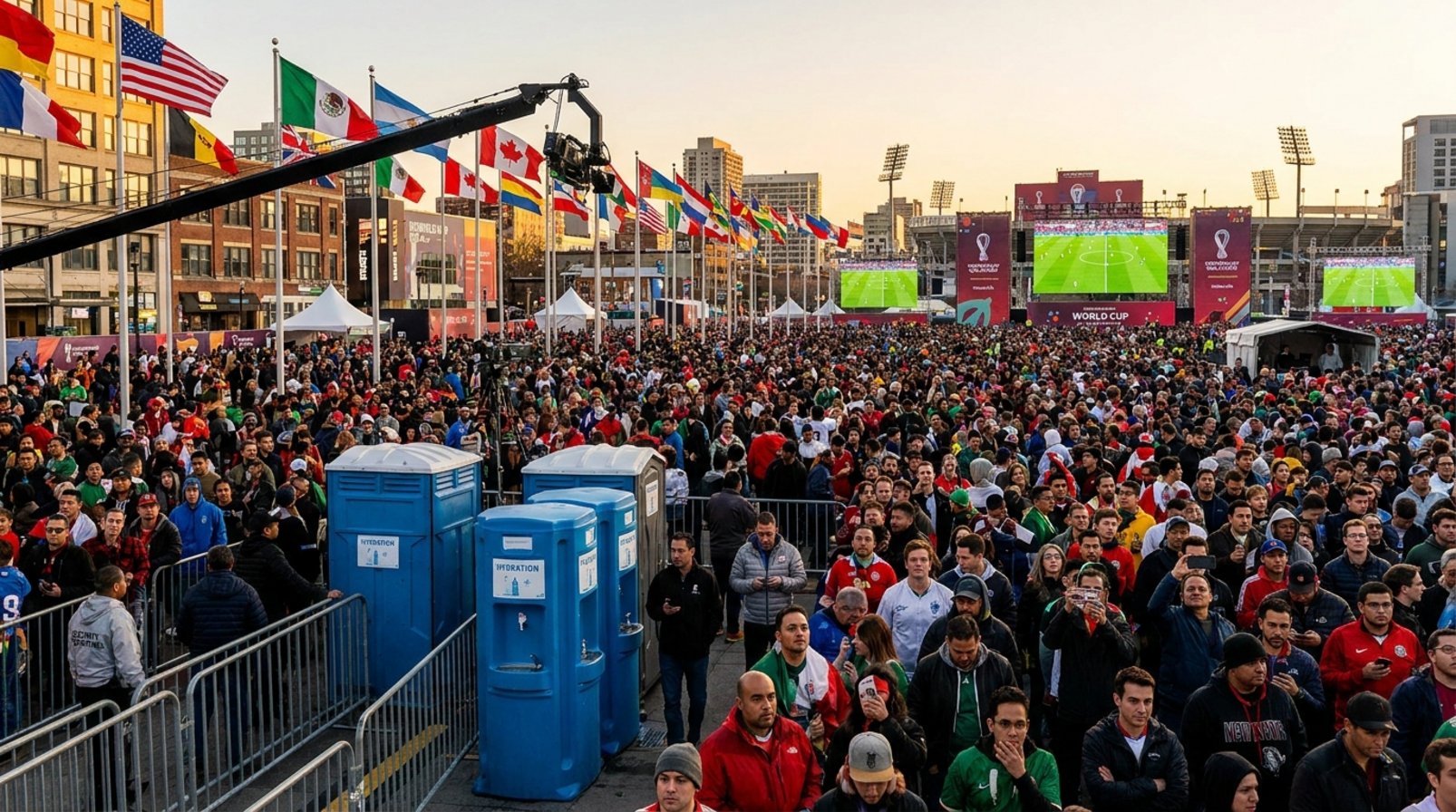
World Cup 2026 is not only the world’s biggest football stage, but also becoming an important test for the sports marketing industry. For Vietnamese marketers, the key issue is not where a brand appears, but how it appears so that fans accept it and spread it naturally on social media.
Developments at the tournament show a new reality: the value of sponsorship is no longer measured simply by logo reach, but by cultural relevance, the ability to join the conversation, and the positive perception of audiences. This is a lesson that is very close to the social media context in Vietnam, where users respond quickly, comment strongly, and can turn a campaign into a trend or a crisis within just a few hours.
Key points
- World Cup 2026 shows that effective sponsorship must create cultural value, not just visual presence.
- Social media is deciding how audiences interpret sponsorship activities, especially controversial moments.
- Brands that are “right for football” often win thanks to their naturalness and how well they blend into the fan experience.
- The lesson for Vietnamese marketers is to prioritize content, community, and authenticity rather than just buying visibility.
When sponsorship is no longer measured by logo reach
According to a source from Retail Merchandiser Magazine, World Cup 2026 is forcing the sports marketing industry to redefine the criteria for sponsorship success. In the past, brands could see stadium billboards, TV logos, or exclusive sponsorship rights as the goal. But in the social media era, what audiences remember is often not the signage, but the emotions, debates, and content they share.
The biggest difference in this World Cup is that content consumption behavior has changed. Fans do not just watch 90 minutes of football; they also scroll through social media, cut clips, make memes, react to controversial situations, and carry the story across multiple platforms. Therefore, brands that want to win cannot just appear on television; they must be able to enter the flow of community discussion.
Hydration breaks: a visibility opportunity, but also a perception risk
The clearest example is the mandatory hydration breaks in the tournament. Officially, these are a measure to protect players from the extreme heat in North America. However, in the eyes of many fans, especially in Europe and South America, these pauses create suspicion that commercial factors are interfering with sporting reasons.
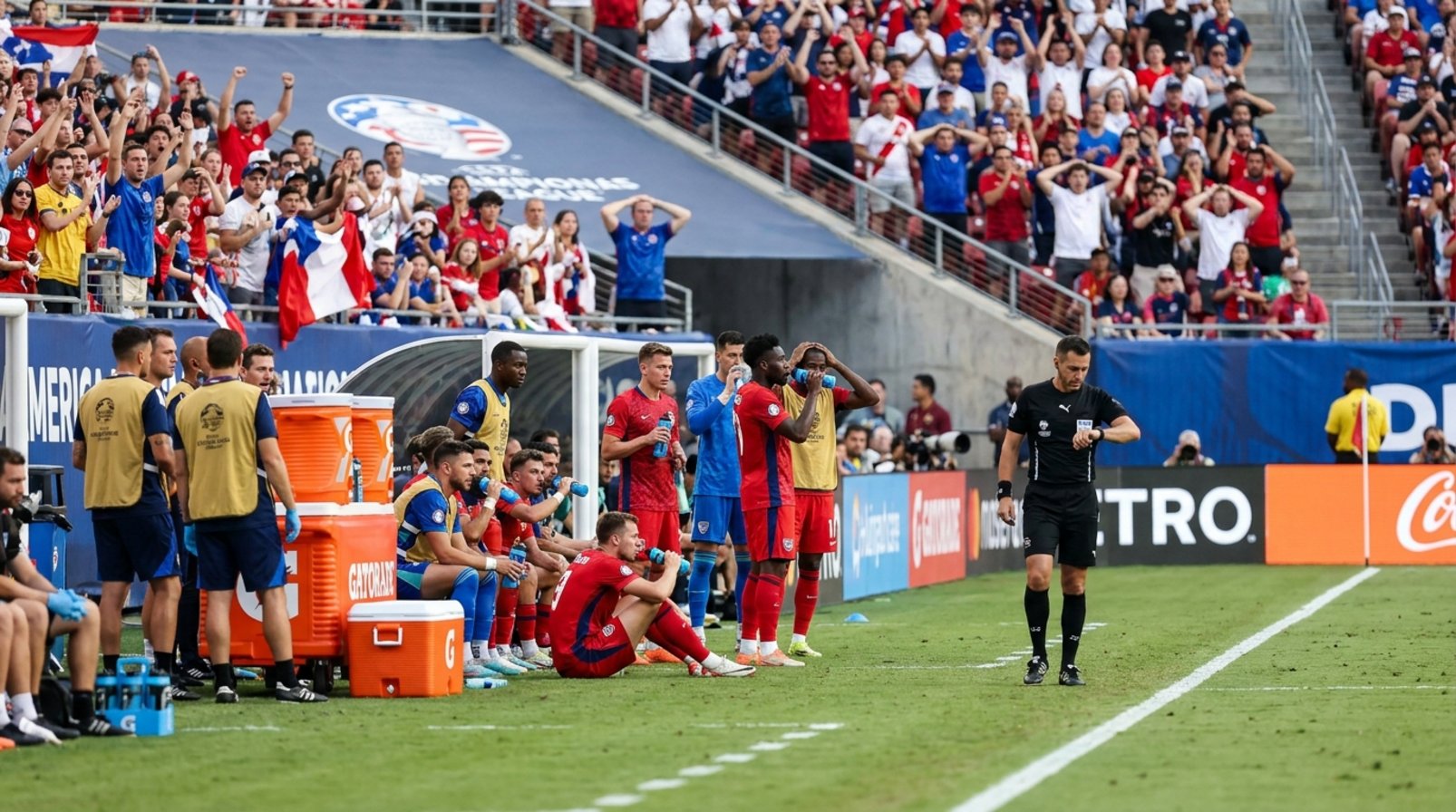
For Gatorade, a brand closely tied to these moments, this is a double-edged sword. On one hand, the brand enjoys very high visibility and is directly associated with professional athletes and elite competition. On the other hand, that very frequent presence pulls the brand into debates about the commercialization of football. On social media, videos of fans reacting to these breaks spread widely, making Gatorade’s image linked not only to “sports energy” but also to a divisive moment.
This reminds marketers that broad reach does not mean broad goodwill. When audiences have the power to reinterpret a message from their own perspective, brands need to prepare perception management plans, not just focus on placement.
Brands that blend into the fan experience will have the advantage
Also according to the source article, Coca-Cola is an example of a less polarizing approach: instead of trying to dominate the media space, the brand focuses on shared emotions, moments of gathering, and the experience of cheering together. This is a suitable approach for the World Cup, where community connection often carries more persuasive power than direct promotion.
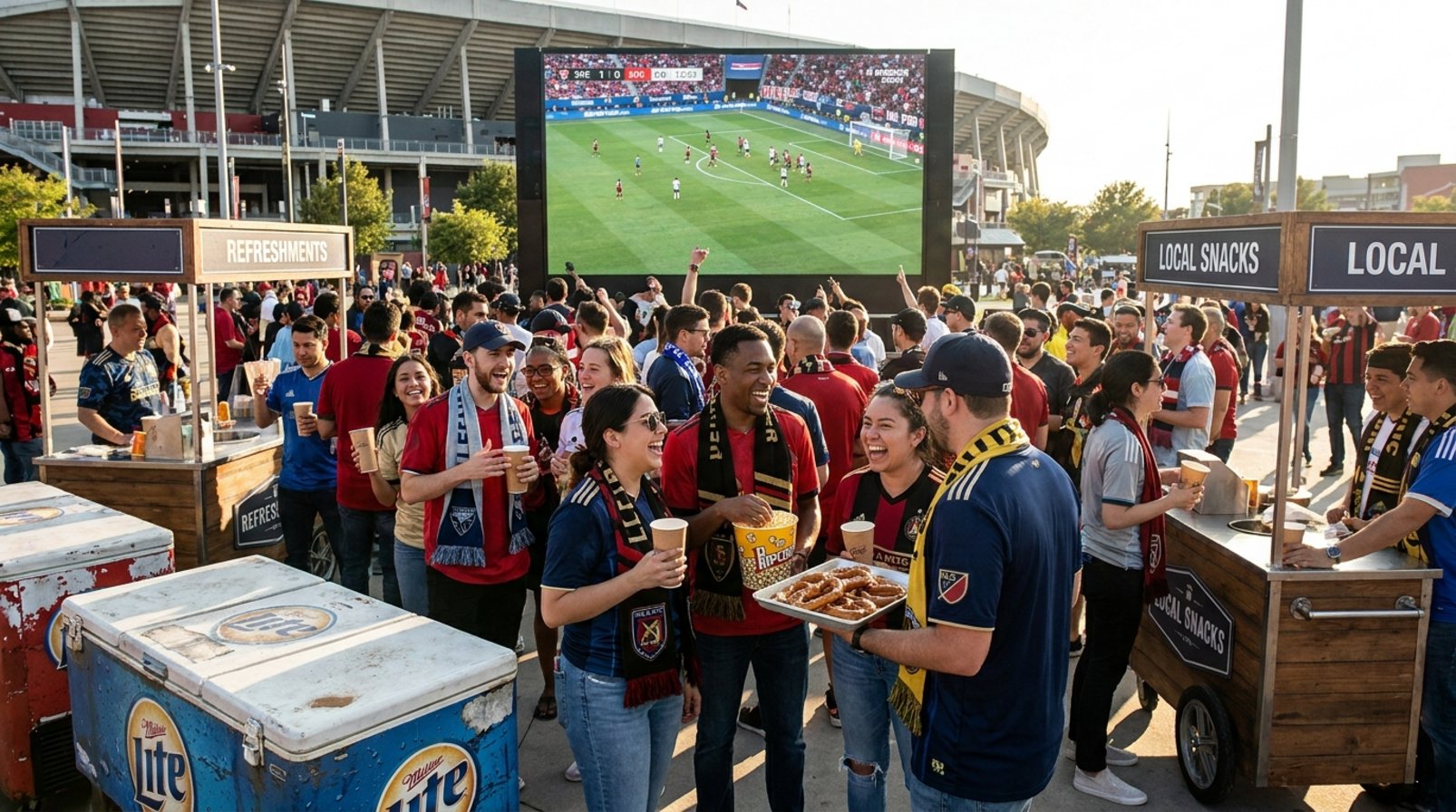
McDonald’s takes a different direction, but with the same logic: integrating the tournament into the brand’s digital ecosystem through offers, loyalty benefits, and community football activities. Instead of just “placing a logo,” the brand creates repeated touchpoints throughout the season. This approach is notable because it turns a major event into a series of ongoing interactions rather than a short-lived media hit.
The overall trend here is that the most effective campaigns do not interrupt the fan experience. Instead, they find ways to become part of it. With social media, this matters even more because fans tend to reward brands that “go along with them” and punish brands that try to impose a message too strongly.
Authenticity: the advantage of brands with a natural place
Read more: Why World Cup 2026 Is a Marketing Power Move, Not Just a Sports Event
Read more: Social Media 2026: Nonprofits, World Cup and AI Shape the Game
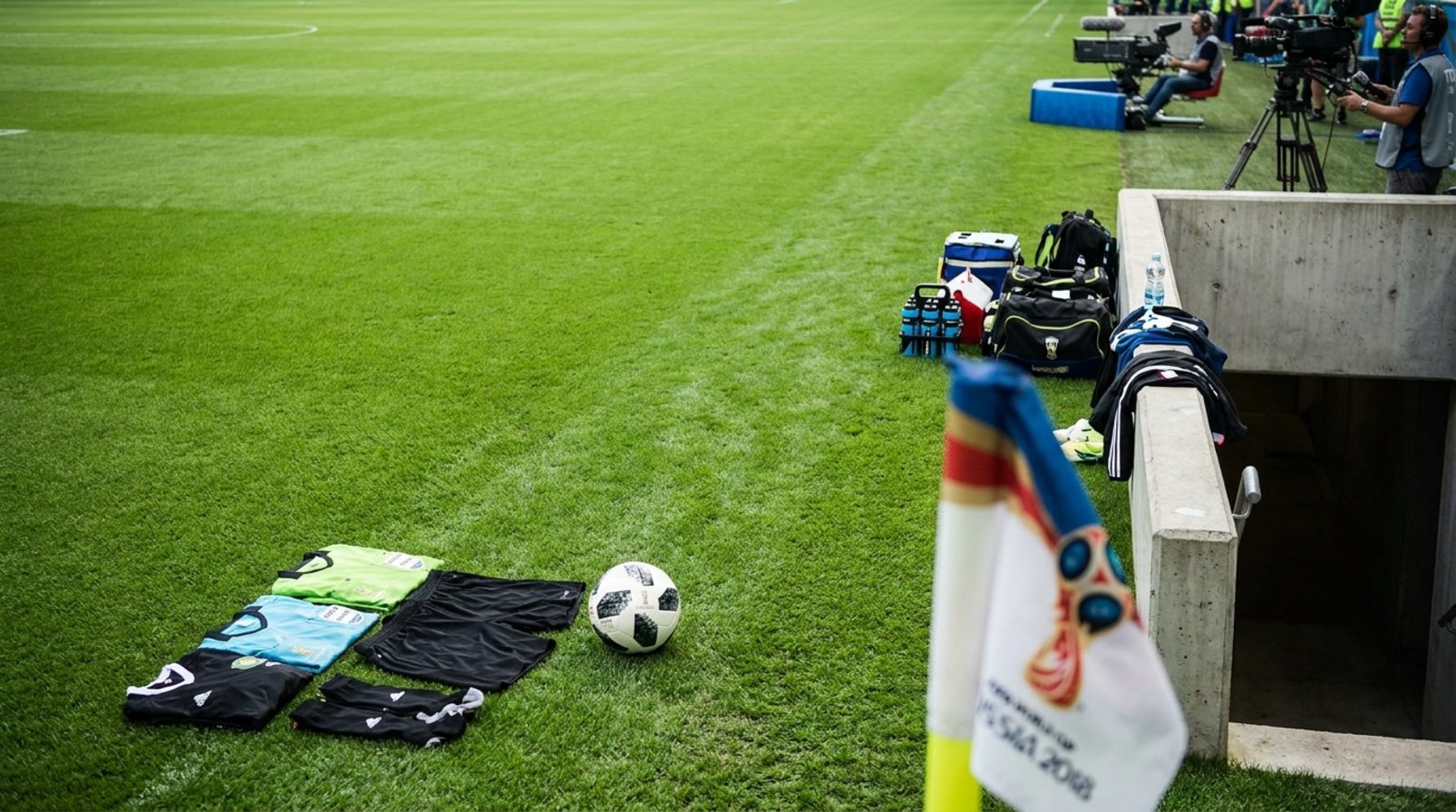
Adidas is seen as one of the biggest beneficiaries because its presence is almost woven into the structure of the tournament. As the official match ball supplier, referee kit provider, and equipment partner for many national teams, Adidas appears throughout the matches without needing to force attention. Every goal, every slow-motion replay, and every trophy lift inadvertently reinforces the connection between the brand and elite football.
By contrast, Nike has very strong reach thanks to stars such as Kylian Mbappé, Vinícius Júnior, and several England players, but its spread depends heavily on the form and results of each individual. This shows that athlete-based sponsorship can create strong bursts on social media, but its stability is often lower than a tournament-wide integration model.
This is why “authenticity” is becoming increasingly important. Fans today can quickly tell which brands truly belong to sports culture and which are simply trying to latch onto a hot tournament. Recognition no longer comes from spending more, but from having a natural, long-term connection that adds value to the viewer experience.
World Cup 2026 shows social-first must follow real fan emotions
For Vietnamese marketers, the World Cup 2026 story is a very clear reminder of how to do social-first marketing during peak sports, music, or entertainment seasons. In Vietnam, users on Facebook, TikTok, YouTube Shorts, and fan communities react in real time; just one subtle misstep can make a campaign become a meme or be labeled as “trying too hard.”
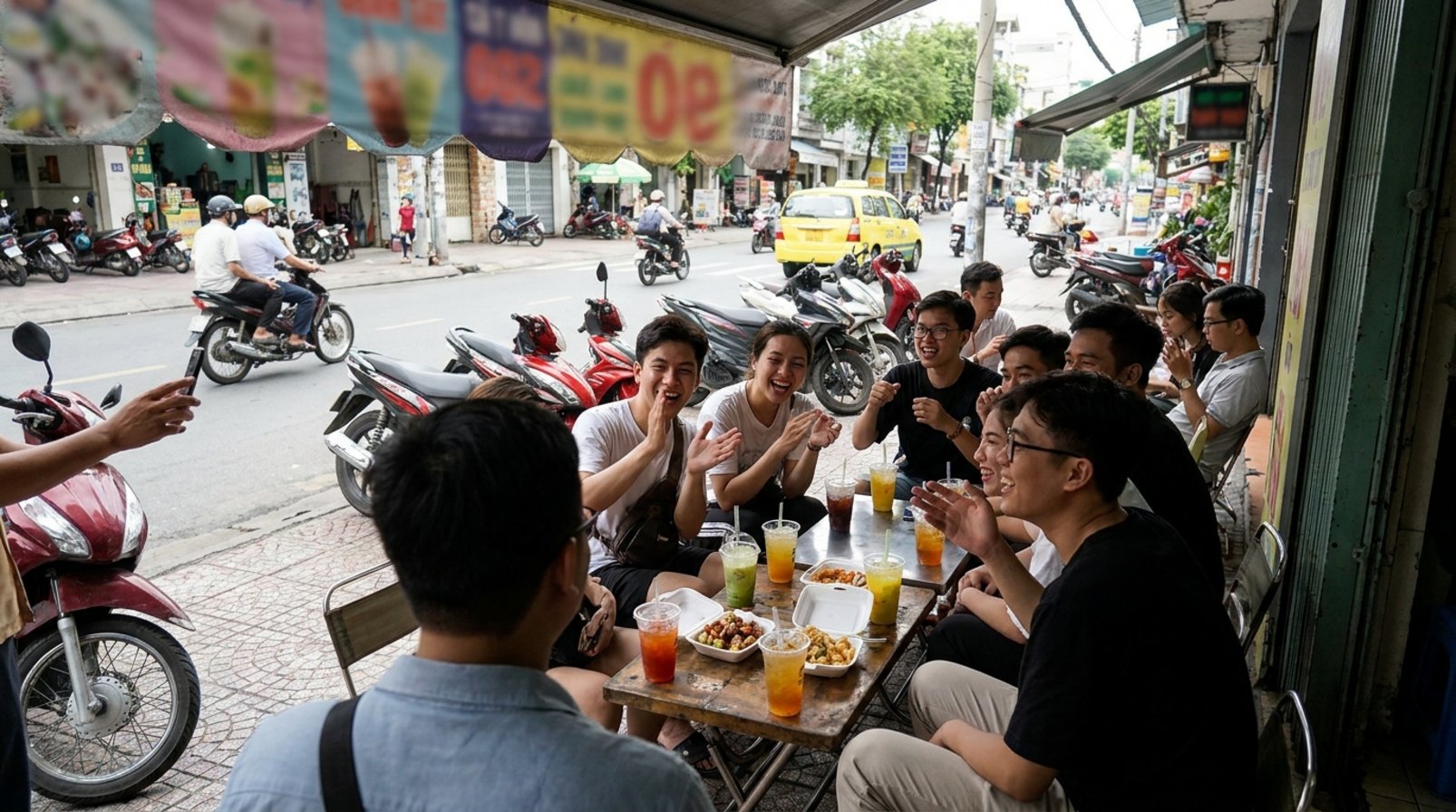
Therefore, instead of focusing only on sponsorship or visibility bookings, brands should design content that taps into the real emotions of fans, can trigger natural sharing, and is ready to engage in two-way dialogue. The biggest lesson from World Cup 2026 is not “where must we be present,” but “how must we be present so viewers want to mention us.”
In an environment where attention competition is becoming increasingly fierce, the brands that understand fan logic, respect the community experience, and build cultural relevance will have a much more durable advantage than those simply chasing short-term reach.
See more news and marketing guides at https://marketing365.vn.
Follow more updates from Marketing365 to stay up to date with the latest marketing trends.
Read more articles in the same category Digital Trends.
This article focuses on World Cup 2026 sports marketing with a perspective for the Vietnamese market.