Contents
As of mid-2026, winning on social media takes more than budget: the brands that turn a cultural moment into organic conversation, read the right metrics, and follow shifting audiences tend to outperform campaigns that rely on spend alone. For marketers, this matters because reach and trust now come from cultural relevance and disciplined measurement, not just paid placement.
The World Cup Is Not Just a Stage for Official Sponsors
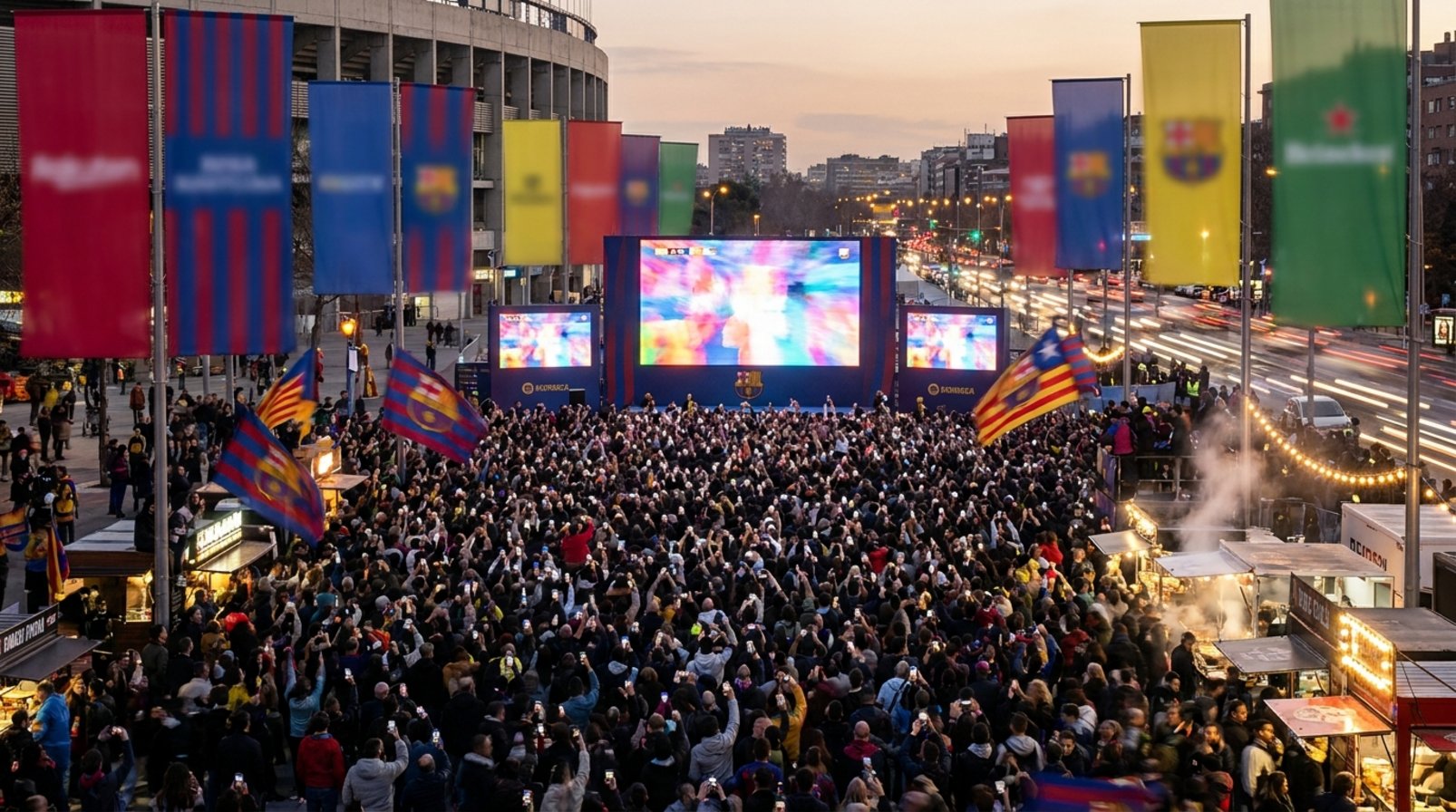
CNBC reported that during this year’s World Cup season, many brands that achieved strong reach and conversation were not the tournament’s official sponsors. Alongside familiar names such as Adidas, Coca-Cola, and Qatar Airways, brands like Levi Strauss & Co., Taco Bell, and Buc-ee’s also drew attention thanks to creative marketing and their ability to generate organic effects on social media.
The key point in this story is not about “beating” the official sponsors, but about how social media has changed the way a brand is perceived during a major cultural moment. When users share, comment, and turn content into a collective conversation, reach sometimes comes more from the idea and cultural relevance than from exclusive sponsorship rights.
For brands, the lesson is to build content flexible enough to join the social conversation around an event, rather than simply relying on a logo appearing in an official placement.
Source: CNBC
When Everything Can Be Measured, the Problem Is No Longer a Lack of Data
Performance Marketing World, in its Cannes Lions Live coverage, highlighted a question that is being widely discussed in the industry: what happens when we can measure almost everything? This is a topic very close to social media marketing, where engagement, distribution, conversion, and cost metrics can be tracked almost continuously.
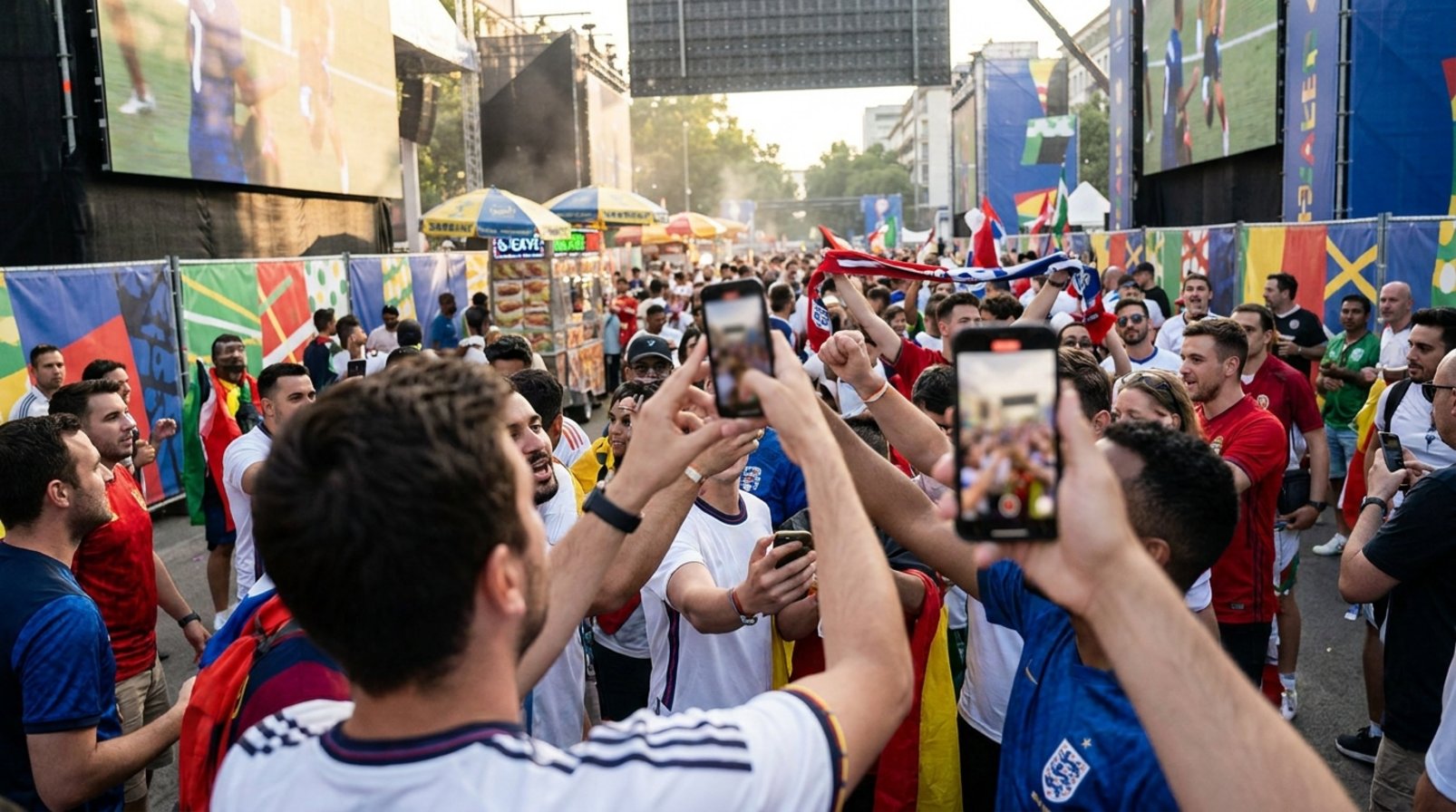
The issue now is no longer simply whether data exists, but which data should be used to make decisions. When platforms provide too many metrics, marketers can easily fall into the trap of optimizing for short-term vanity numbers instead of evaluating the true effectiveness of a campaign. A piece of content may generate many views but fail to build brand affinity; conversely, a quieter campaign may create lasting awareness and trust.
As social media becomes more deeply integrated with performance marketing, businesses need a clear measurement framework: what is the campaign goal, which metric accurately reflects that goal, and which data truly helps improve both creative effectiveness and budget allocation.
Source: Performance Marketing World
Social Audience Growth Remains the Foundation of the Content Race
Statista data on year-on-year growth in users across social media platforms shows that the overall picture is still one of audience expansion. Although each platform grows at a different pace, the broader trend reflects a simple reality: social media remains a critical space for brands to reach new users, maintain presence, and build communities.

Read more: How AI, Transparency and Visible Metrics Are Reshaping Social Media for Marketers
Read more: Social Media Is Less “Social”: What Brands Should Do Beyond the Feed
This explains why major brands continue to experiment with new formats, creator collaboration, short-form content, and interactive experiences. As audiences keep shifting and fragmenting across platforms, the competition is not only for feed placement, but also for attention within an increasingly crowded ecosystem.
For marketers, user growth does not automatically mean performance growth. But it does show that there is still significant room for good content, especially for brands that know how to combine data analysis, platform-appropriate creativity, and the ability to activate community discussion.
Source: Statista
Implications for the Vietnamese Market
The three signals above suggest several clear implications for Vietnamese marketers. First, during peak seasons such as the World Cup, shopping festivals, or major entertainment events, the brands that “catch the cultural wave” better will have a greater chance of achieving viral effects than campaigns that rely on budget alone.
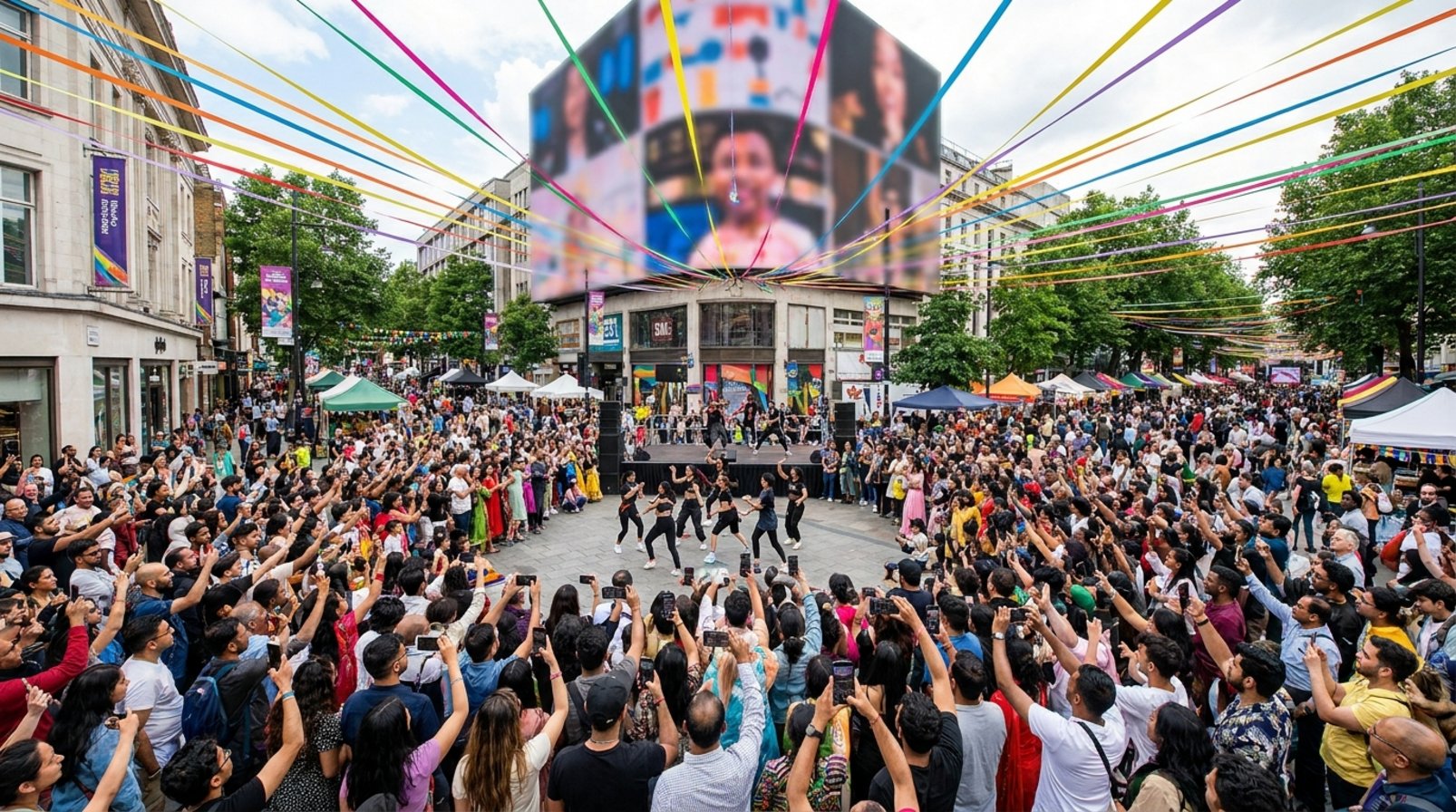
Second, social media measurement needs to move from “many metrics” to “the right metrics.” Businesses should clearly define the goal of each campaign: awareness, engagement, consideration, or conversion, and then choose the appropriate KPI instead of chasing likes or views alone.
Third, as audiences become more dispersed, Vietnamese brands need to invest in a multi-platform content system while still maintaining a consistent message. The advantage does not lie in being everywhere, but in appearing at the right time, in the right format, and in the right context.
In short, social media marketing is entering a phase where creativity, data, and cultural understanding must work together. This is the time for brands not only to “go live,” but also to create real value in the community conversation.
Explore more marketing analysis & guides at Marketing365.
Follow more updates from Marketing365 to stay on top of the latest marketing trends.
Read more articles in the same category Digital Trends.
References
- The brands winning with World Cup advertising may not be the sponsors — CNBC
- Global social media platforms YoY audience growth 2026| Statista
- Cannes Lions Live Day 3: What happens when we can measure everything? — Performance Marketing World