
Contents
- The AI election controversy: a story that needs a fact-checking lens
- GPT-5.6 and the possibility of closer U.S. government scrutiny
- Pi Network pushes the “vibe coder” community ahead of Pi2Day
- Power semiconductor component prices rise: a new signal from AI demand and energy infrastructure
- Move from quick AI tests to trustworthy content and fallback plans
- References
As of July 2026, AI signals show the technology is no longer just a product story, but one shaping policy, developer communities, and hardware supply chains at the same time. For Vietnamese marketers, this landscape is worth watching because it directly affects how content is built, which platforms are chosen, and how digital infrastructure costs may evolve.
The AI election controversy: a story that needs a fact-checking lens
A social media post that went viral made a series of very strong allegations about election fraud, including references to AI as a tool for creating “fake voters,” along with a range of details about servers, data, and imminent arrests. However, the content came from a personal account on X and included many serious claims without independent verified sources attached.
From a communications perspective, this is a classic example of how AI is often pulled into sensational narratives. The key issue is not whether to believe it immediately, but how to check sources, cross-verify, and avoid amplifying information that has not been substantiated. For marketers, especially in sensitive sectors such as finance, politics, or technology, the lesson is clear: the “hotter” the content, the stricter the verification process must be.
Source: Mr. Pool on X.
GPT-5.6 and the possibility of closer U.S. government scrutiny
According to a post citing Axios, Sam Altman met with U.S. Commerce Secretary Howard Lutnick to discuss GPT-5.6, and the U.S. government was reportedly considering intervention because the model’s capabilities were described as “Mythos-like.” The cited source also said OpenAI had sought to launch GPT-5.6 before another product was banned.

While the specific details still need to be tracked through the original reporting source, the broader signal is clear: each new generation of large AI models is not only a race on features, but also a race on the level of oversight. This has a direct impact on the marketing market, because businesses are often the first group to test new AI tools for writing content, analyzing data, automating customer care, or supporting ad creative. If a model is delayed because of policy or safety concerns, a company’s AI integration plans will have to adjust accordingly.
Source: Andrew Curran on X, citing Axios.
Pi Network pushes the “vibe coder” community ahead of Pi2Day
Pi Network is calling on users to join a campaign for the “vibe coder” community ahead of Pi2Day on 28/6. The project’s message is quite clear: those who already have prototypes or apps built with AI platforms can connect their applications to the Pi ecosystem, thereby gaining access to a larger user base as well as existing infrastructure for payments, identity, and advertising.
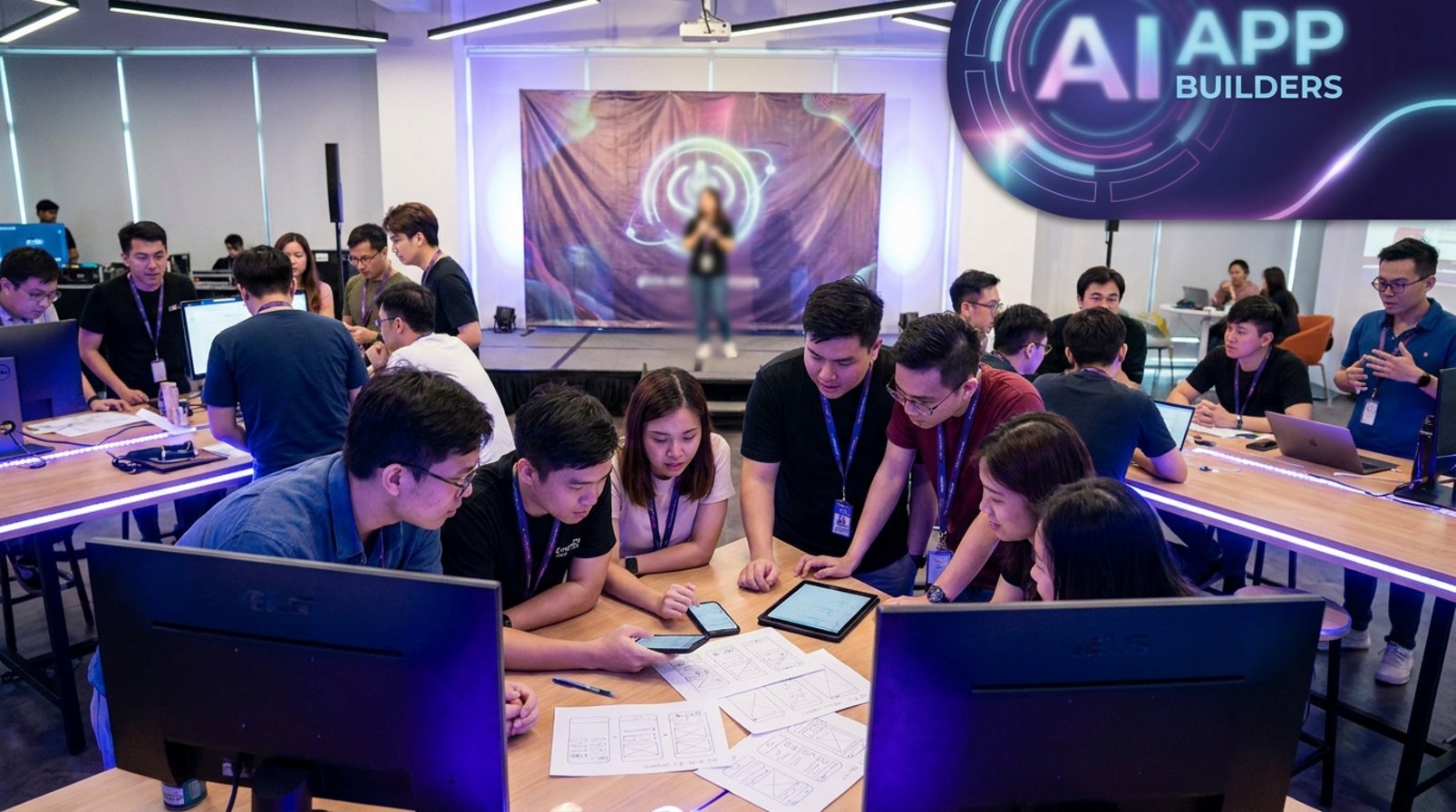
Strategically, this is how a Web3/AI ecosystem tries to persuade developers with infrastructure benefits rather than slogans alone. For marketers, the noteworthy point is that the “community-led growth” trend remains strong: technology products that want to scale quickly often need a creative community around them, not just a press release. If Vietnamese businesses are building digital products or creating content about AI, Pi’s story shows that clearly communicating real-world utility to developers is far more persuasive than vague descriptions of the future.
Source: Pi Network on X.
Power semiconductor component prices rise: a new signal from AI demand and energy infrastructure
An analysis on X says some power semiconductor manufacturers in China are raising prices, with increases reported in the 10%–15% range for certain product lines. The post also cited information that demand from AI data centers, energy systems, and electric vehicles is playing a larger role than simple cost pressures in this wave of price increases.
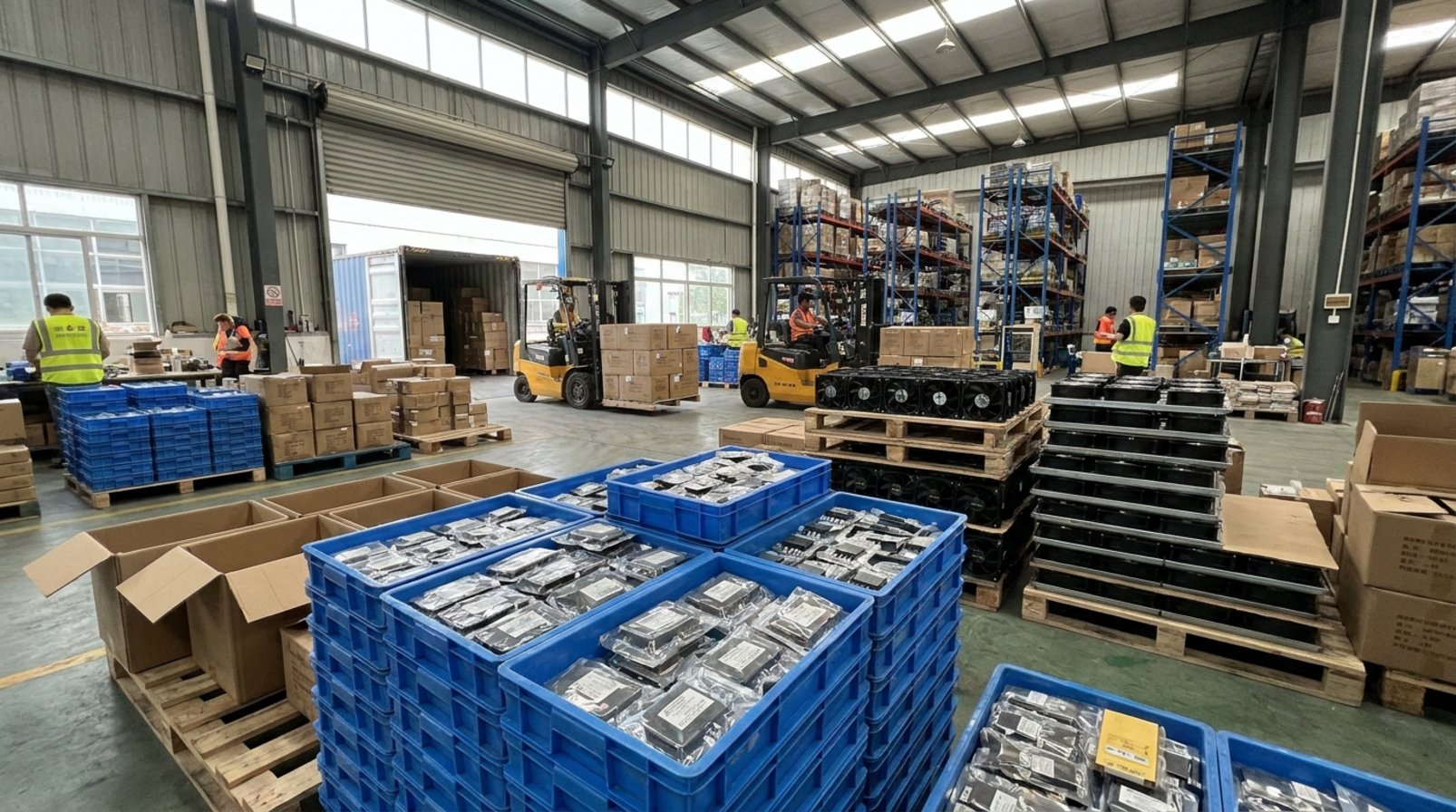
If that is correct, it is an important signal for the entire technology value chain: AI is not only driving demand for software and services, but also creating pressure on hardware, raw materials, and high-power electrical equipment. For B2B marketers, especially in industrial, energy, and electronics sectors, this is a good time to closely follow the “AI infrastructure” story because it opens up new content themes, from data center optimization to power consumption and operational efficiency.
Source: Serenity on X, citing Digitimes.
Move from quick AI tests to trustworthy content and fallback plans
The common thread across these 4 stories is that AI is moving into three very different layers of impact: public trust, regulatory policy, and physical infrastructure. For Vietnamese businesses, this suggests several practical directions.

- First, AI content should prioritize credibility and explainability, rather than simply chasing trends.
- Second, when testing new AI tools, marketing teams should have a backup plan in case a model or platform comes under tighter control.
- Third, for B2B brands, it is worth starting to build content around AI infrastructure, computing, energy, and supply chains, because these topics will only become more relevant.
- Fourth, ecosystems with strong developer communities remain worth watching if a brand wants to reach early users and builders.
In short, AI is not just a content creation tool. It is becoming a variable that affects communications, risk management, and product strategy across many industries in Vietnam.
Explore more marketing analysis & guides at https://marketing365.vn.
Follow more analysis & guides from Marketing365.
Read more articles in the same category AI developments.
This article focuses on AI news with a perspective for the Vietnamese market.