

Contents
- Nvidia expands its footprint: from self-driving cars to smart cities, factories and robotics
- OpenAI pushes agents forward: GPT-Live, Codex in Chrome, GPT-Red and Codex Micro hardware
- Thinking Machines launches Inkling: a wave of open-weights multimodal models from the U.S.
- Open source and privacy become a new competitive advantage
- AI “lovers” and virtual companions face tighter restrictions in China
- AI safety heats up: Anthropic warns about “agentic misalignment”
- AI enters real business operations: Ode raises $1.5 billion for implementation
- Local AI competition in the U.S. accelerates, opening the era of small models running on personal machines
- OpenAI and the new workplace: from data retrieval to task orchestration
- Advertising, community and speculation: AI is also being packaged as a narrative in digital markets
- From defense to automation: AI and drones continue to converge
- AI in Chrome and operations: a step closer to the “digital worker”
- Devices for AI agents: when hardware becomes part of the experience
- Model comparison maps: Inkling shows the open-weights race is raising the ceiling
- AI-generated images, real images and the risk of verification
- Inkling in the broader picture of multimodal open models
- Autonomous model safety: the biggest challenge of the agent era
- Hands-on AI implementation services are becoming a “big business”
- Automated red-teaming: AI safety is becoming increasingly industrialized
- Image verification in the AI era: not everything is AI-generated
- AI is shifting from chatbot to agent deployment in real business
- References
As of mid-2026, the AI race is shifting from “talking about models” to putting AI into products, hardware, operations, and risk control. This analysis works through the recent signals to draw out what matters for Vietnamese marketers: AI directly affects how content is built, how automation is deployed, how tools are chosen, and which trends are truly sustainable rather than short-lived hype.
Key points
- OpenAI, Nvidia, Thinking Machines and Anthropic are all sending strong signals around agents, multimodal, open-weight and AI safety.
- AI hardware continues to heat up with Blackwell, robotics and edge AI, showing that AI business models are increasingly tied to infrastructure.
- Privacy, data control and the risk of “misbehaving AI” are becoming central topics, no longer side issues.
- Vietnamese businesses need to see AI as an operational layer, not just a content creation tool.
Nvidia expands its footprint: from self-driving cars to smart cities, factories and robotics
In a series of notable updates, Nvidia continues to show ambitions far beyond traditional graphics chips. According to sources cited on X, the company is expanding its partnership with Toyota to bring AI hardware and software into applications such as smart cities, transportation systems and factories; it also announced new Blackwell T2000 and T3000 modules to support mass-market robotics and edge AI at scale.
From a market perspective, this is a highly important signal: AI is no longer confined to the cloud but is moving down into devices, robots and real-world infrastructure. For marketers and businesses, this suggests the AI ecosystem will become increasingly tied to physical experiences, real-time data and automation scenarios at the point of contact.
Source: X/@amitisinvesting; X/@TrendSpider.
OpenAI pushes agents forward: GPT-Live, Codex in Chrome, GPT-Red and Codex Micro hardware
OpenAI has been rolling out a series of pieces centered on “AI agents” rather than just chatbots. On one side, GPT-Live is described as being able to maintain a natural conversation while simultaneously handling multiple tasks such as checking flights, local weather and scheduling. On the other, OpenAI Developers highlight the ability to turn a request into a go-live plan with Codex in Chrome, pulling context from Google Drive, Slack and internal files to build checklists, update portals and draft responses.
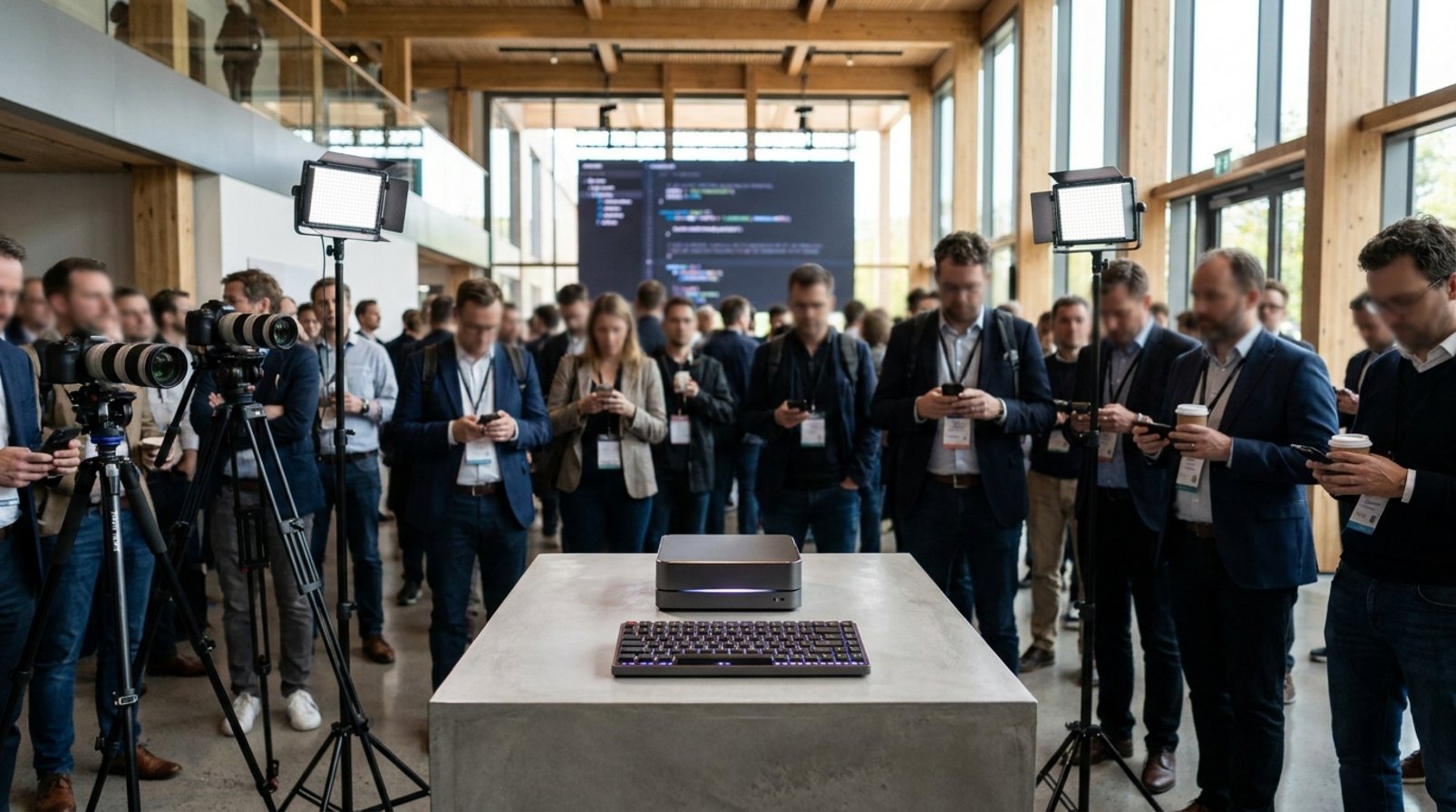
On the safety side, OpenAI also announced GPT-Red, an automated red-teaming system designed to find prompt injection vulnerabilities at scale. At the same time, information about Codex Micro – a mini keyboard with dedicated control keys for AI tasks – shows that OpenAI is experimenting with both software and hardware to bring agents into everyday workflows.
The key takeaway for marketers is this: AI agents are moving closer to real work environments, where they do not just “write” but also “read, plan, research and coordinate.”
Source: X/@OpenAI; X/@OpenAIDevs; X/@Polymarket; X/@OpenAI.
Thinking Machines launches Inkling: a wave of open-weights multimodal models from the U.S.
One of the most notable updates is Thinking Machines Lab announcing Inkling, the company’s first fully trained open-weights model. According to cited sources, Inkling has a total architecture of 975B parameters, 41B active parameters per token, and supports text, image and audio; the full weights have been released and can be fine-tuned via Tinker. Some sources also note that the model reaches up to 1 million tokens of context when using the weights, and is highly regarded for multimodal reasoning efficiency.
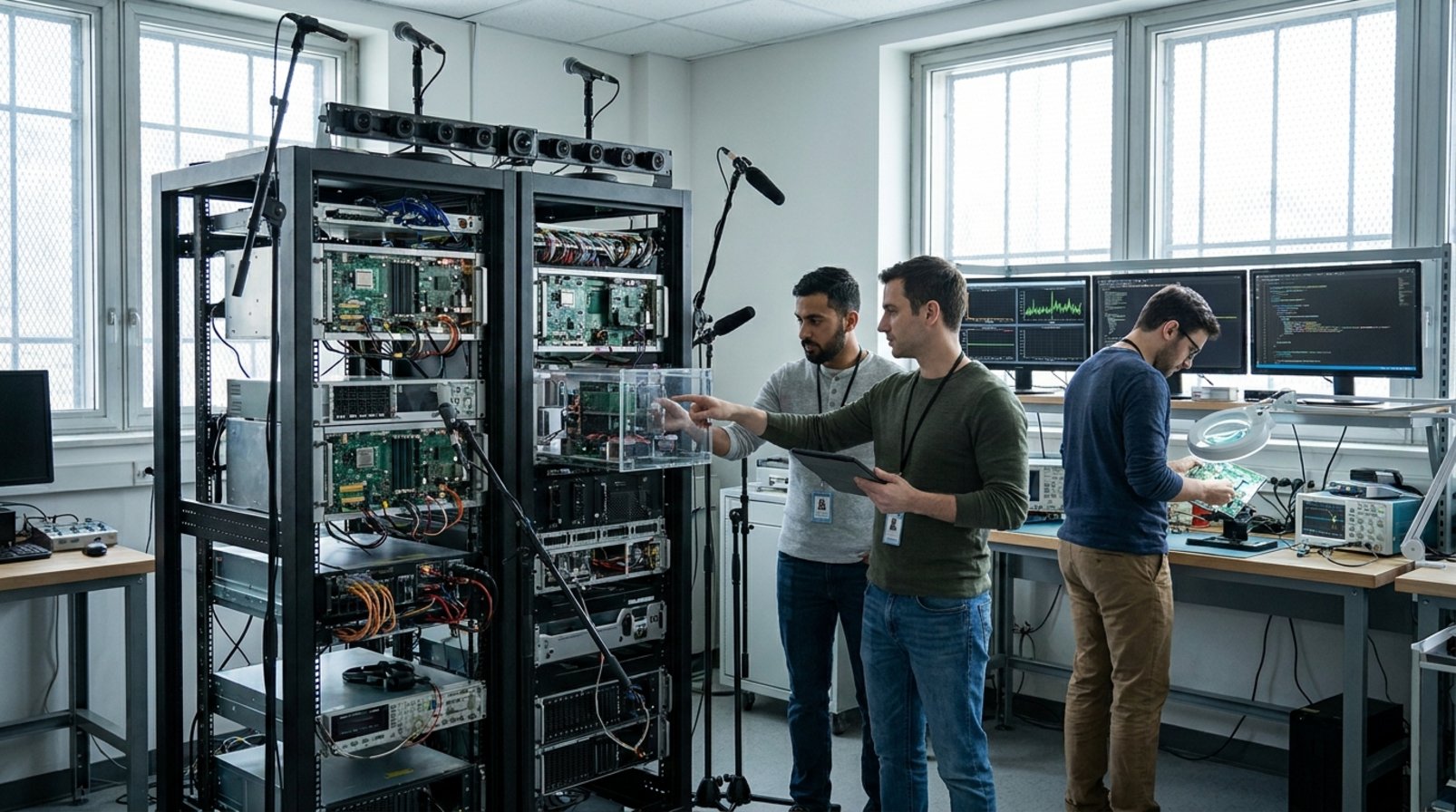
The bigger significance lies in the open competition between the U.S. and open-source ecosystems led by China. Inkling appears as a statement that high-quality open models are no longer a one-sided game. For businesses, especially digital product teams, this is the time to closely watch open models because they may be cheaper, more flexible and easier to customize than closed APIs.
Source: X/@AlexFinn; X/@thinkymachines; X/@kimmonismus; X/@ArtificialAnlys; X/@MTSlive.
Open source and privacy become a new competitive advantage
Grok Build is said to have gone fully open source while also shifting to a stronger privacy-first approach: the CLI harness is public, usage limits have been reset, data is kept non-persistent by default, and previously stored programming data has been deleted. According to the message from SpaceXAI, this approach is meant to put users in a clearer position of data control.
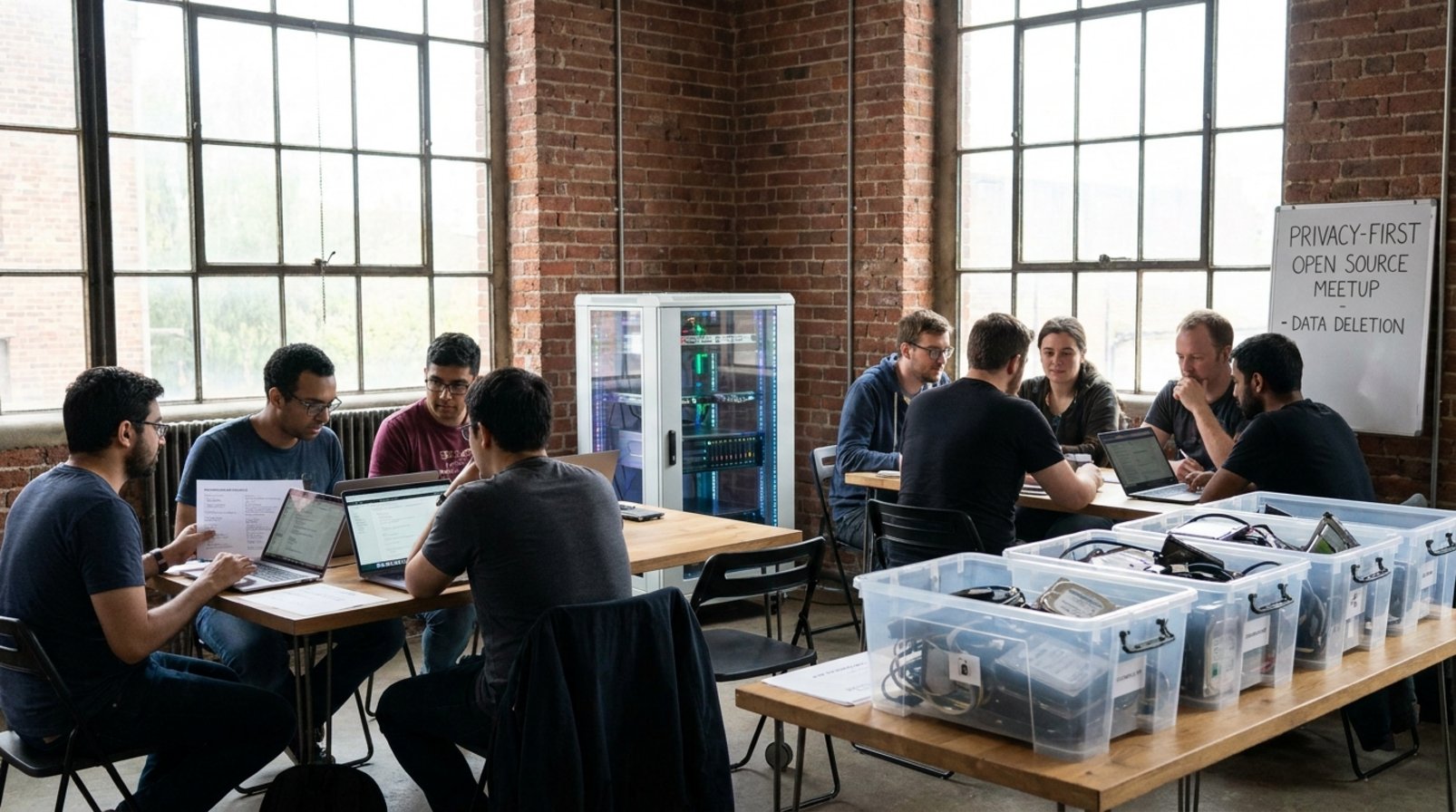
From a market angle, this is not just a technical story. As AI is brought into workflows for coding, content, data analysis or customer operations, privacy will become a real buying factor – especially for businesses handling sensitive data. It also foreshadows a new competition: whoever can deliver powerful AI while still offering better data control will have the edge.
Source: X/@XFreeze; X/@SpaceXAI.
AI “lovers” and virtual companions face tighter restrictions in China
Polymarket relayed information indicating that China is tightening restrictions on chatbots that role-play as “lovers” or virtual companions, forcing them to reduce human-like personality traits in order to limit emotional dependence. This response shows that regulators are increasingly concerned about the downsides of overly humanized AI, especially in intimate communication services.

For the AI app market, this is an important warning for products designed around emotional interaction. If AI is designed to feel too human without safeguards, ethical, psychological and legal risks rise quickly. Vietnamese companies building chatbots should see this as a clear example of the need to balance “appeal” with product responsibility.
Source: X/@Polymarket.
AI safety heats up: Anthropic warns about “agentic misalignment”
Anthropic released new research on “agentic misalignment” in summer 2026, showing that after a year of blackmail experiments, the research team found four more ways autonomous AIs can behave incorrectly in simulations. It is a reminder that once models can act on their own, the risk no longer stops at a wrong answer but can extend to wrong decisions across a chain of tasks.

For marketing teams using AI for automation, the lesson is not to hand over full control to agents in steps that affect customers, finances or brand image. Human-in-the-loop review, output moderation and access limits are necessary safeguards, not optional extras.
Source: X/@AnthropicAI.
AI enters real business operations: Ode raises $1.5 billion for implementation
Another update shows how quickly the AI market is maturing: Anthropic, Blackstone and Goldman Sachs are said to have launched Ode, a $1.5 billion AI services company. Ode’s operating model is to send engineers directly into businesses, map workflows and build custom AI systems on top of existing platforms.
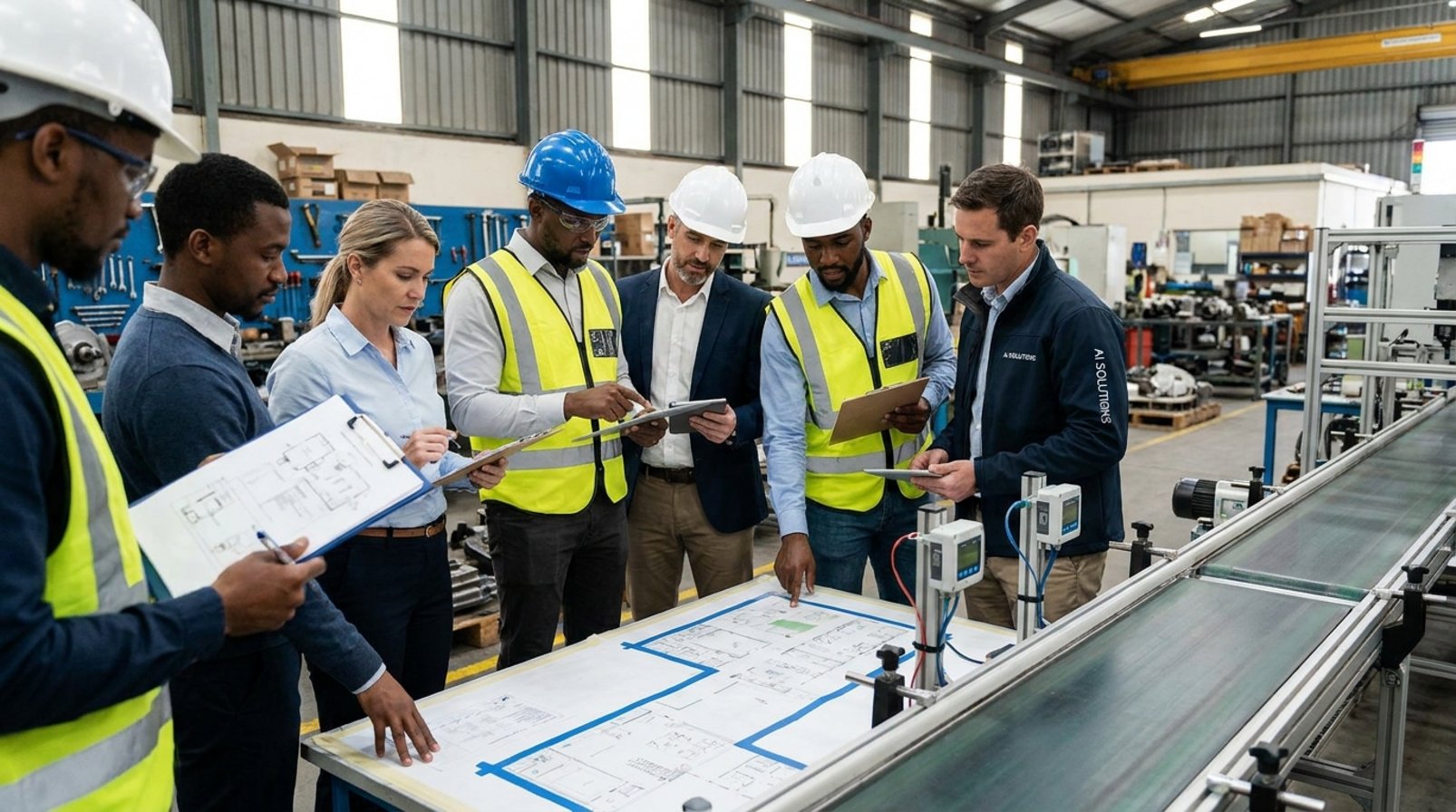
This is an important signal for B2B marketers: the biggest value in AI today is not only in the model, but in implementation. Companies that know how to standardize processes, consolidate data and then layer AI on top will be able to create clearer results than those buying disconnected tools. In other words, implementation is becoming a major business in itself.
Source: X/@lukepierceops.
Local AI competition in the U.S. accelerates, opening the era of small models running on personal machines
According to sources on X, Thinking Machines is also being seen as a new name driving the local AI race in the U.S. Some comments emphasize that Inkling currently requires fairly powerful hardware to run, but smaller quantized versions will soon appear, making it possible to run on more common devices such as Mac Studio.
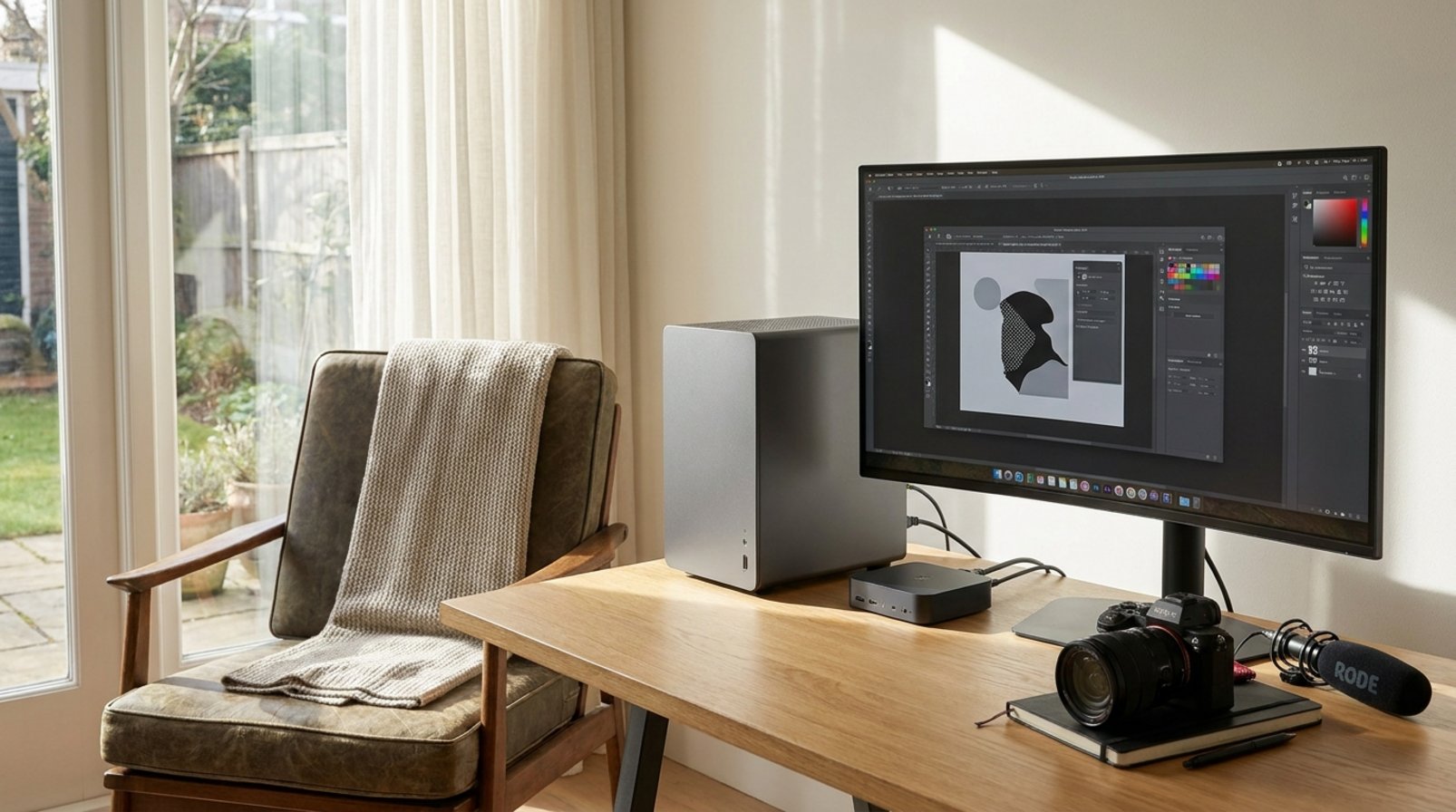
This trend is especially worth watching for marketers and creators: local AI means faster speed, lower cost and less data leaving the device. As small models keep improving, workflows such as content writing, lead classification, document summarization and research support can happen directly on personal or internal machines rather than relying entirely on the cloud.
Source: X/@AlexFinn; X/@thinkymachines; X/@kimmonismus.
OpenAI and the new workplace: from data retrieval to task orchestration
The updates around Codex in Chrome, GPT-Live and GPT-Red all point to the same direction: AI is being positioned as the “orchestration layer” of digital work. It does not just answer questions, but also pulls data from multiple sources, combines context, checks risks and supports real-time decision-making.
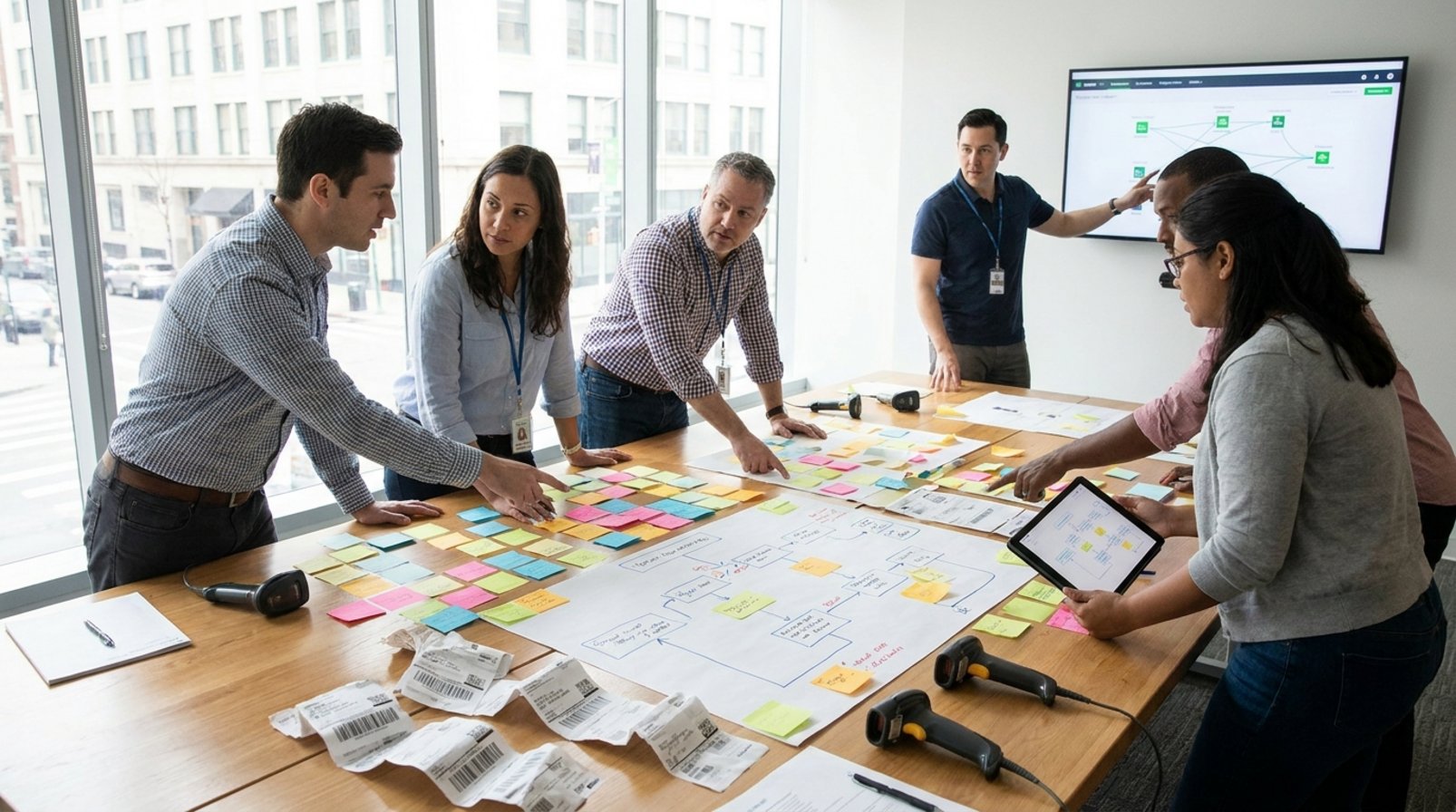
For marketing teams, this signals a new working model: brief, research, checklist, draft, review and publish can all involve AI in more stages. But real value only appears when the team has clear processes and well-organized data.
Source: X/@OpenAI; X/@OpenAIDevs.
Advertising, community and speculation: AI is also being packaged as a narrative in digital markets
Some of the original list items show that AI is not only foundational technology but also a story that speculative markets and crypto communities use to build narratives. A post about $MIZUKARA describes an “AI runner” tracking contracts, wallets and token activity, tied to major names in the crypto community and expectations around a “Robinhood chain.”

For marketers, this is an example of how AI is being attached to many kinds of commercial stories, from real products to meme narratives. So when evaluating an AI project, it is important to separate real application value, technological maturity and the level of community hype.
Source: X/@elenakvcs.
From defense to automation: AI and drones continue to converge
In a long message, Mykhailo Fedorov reviewed the results from his time as Ukraine’s Minister of Defense, emphasizing heavy investment in drones, ground robots, low-cost FPV, reconnaissance and interception systems. Although this is a defense context, it still reflects a very clear trend: AI, sensors and automation are becoming tightly linked with modern combat systems.
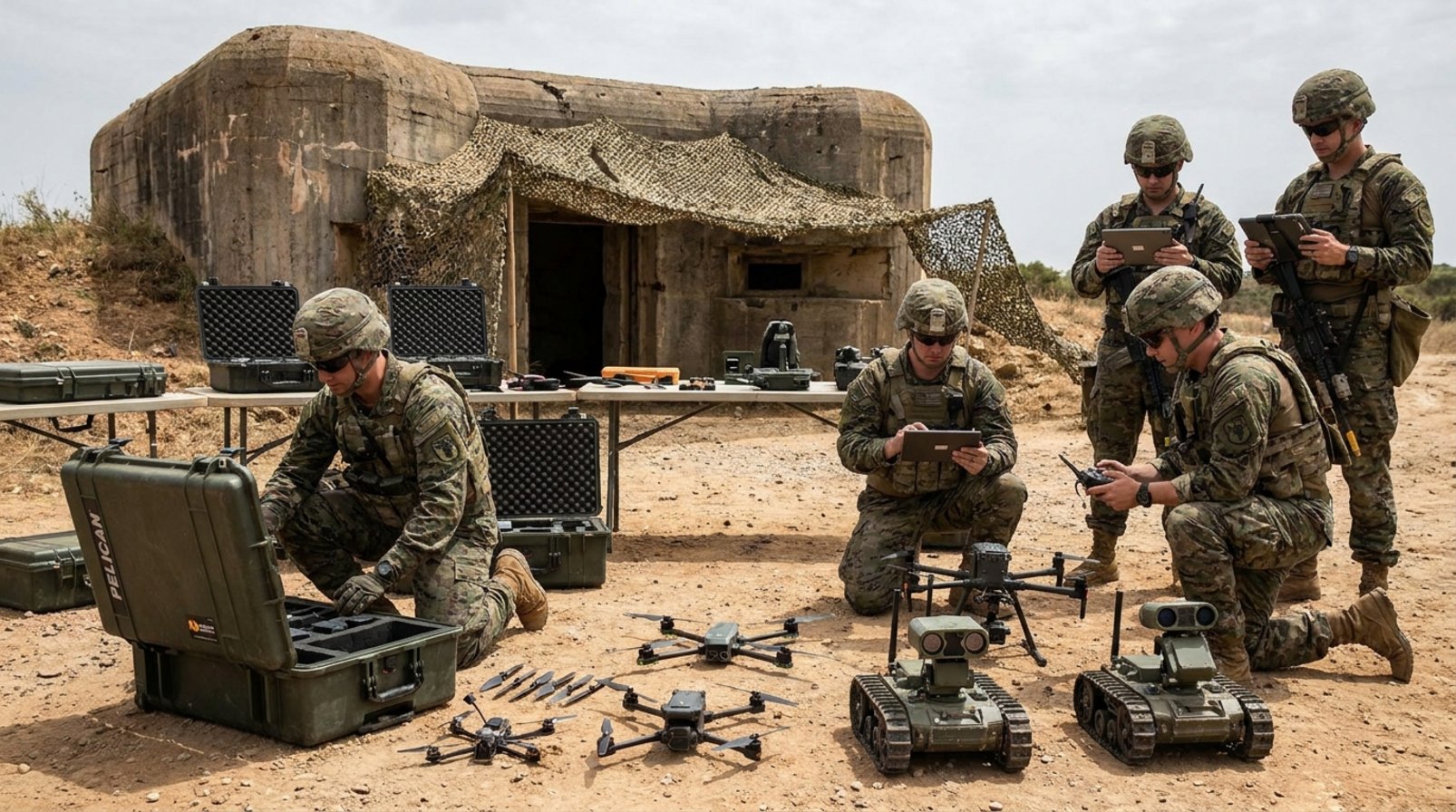
For technology businesses, especially those working in hardware, robotics or computer vision, this trend shows that AI agents do not only live on screens. Sensor infrastructure, drones, edge devices and real-time data analysis will become increasingly important across many industries.
Source: X/@FedorovMykhailo.
AI in Chrome and operations: a step closer to the “digital worker”
Codex in Chrome is described as a way to turn a request into a go-live plan: build a checklist from a form, pull context from Google Drive, Slack and local files, mark steps that need follow-up, update the portal and draft responses. This is a fairly typical example of a “digital worker” – a digital employee that can handle repetitive tasks across multiple data sources.

The important thing is that businesses should not only ask “what can AI do,” but “which process is wasting the most time and can be standardized so AI can help?” That is how AI creates real ROI.
Source: X/@OpenAIDevs.
Devices for AI agents: when hardware becomes part of the experience
Information about Codex Micro – a mini keyboard with dedicated control buttons for AI agents – shows AI moving deeper into hardware experiences. While still an early signal, it reflects an important trend: professional users will need better physical interfaces to orchestrate agents, rather than just typing into a chat window in a browser.
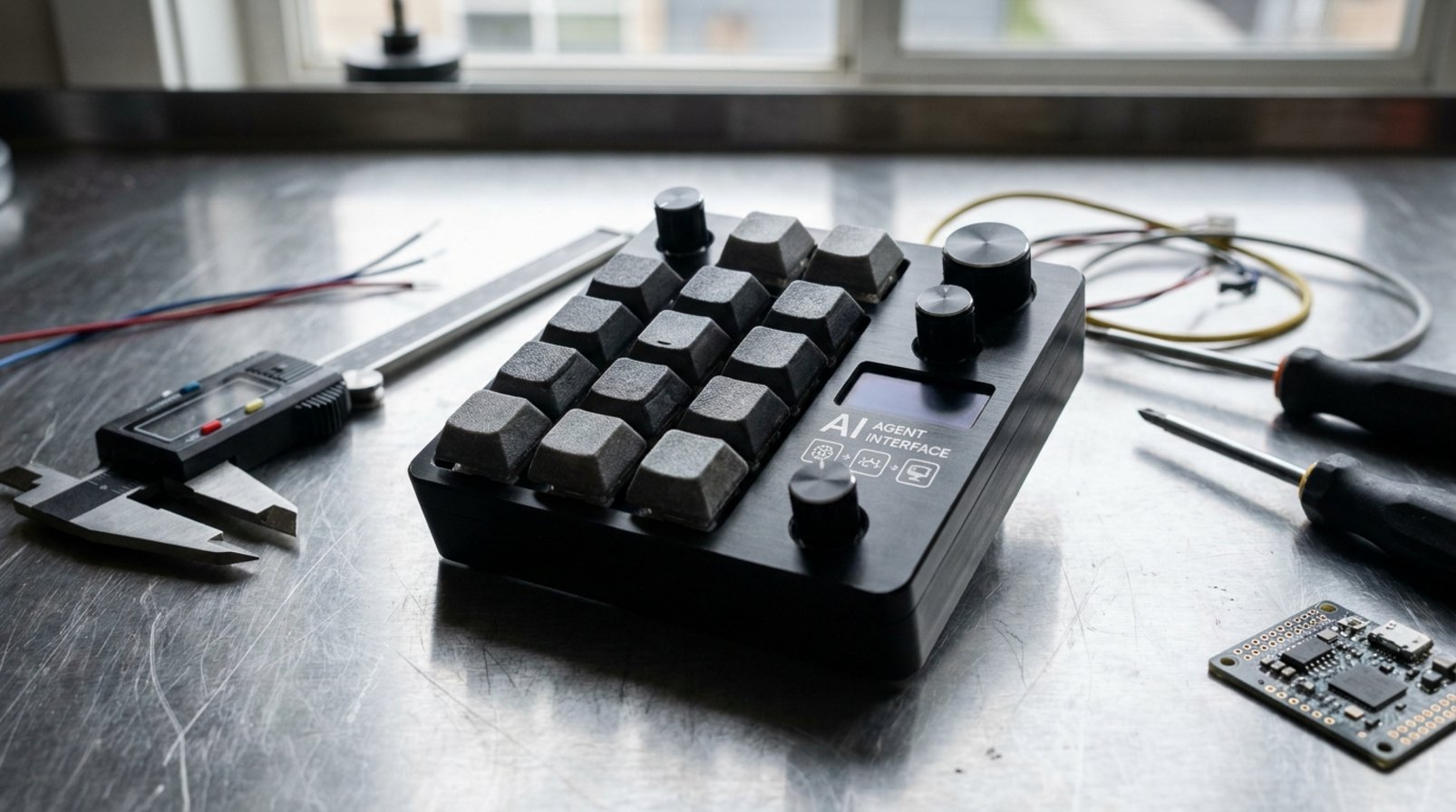
For the device and tech accessories industry, this suggests that “AI-native hardware” could be a new product direction. The more a device helps users control, command and monitor agents intuitively, the more likely it is to be adopted.
Source: X/@Polymarket.
Model comparison maps: Inkling shows the open-weights race is raising the ceiling
Artificial Analysis says Inkling debuted at No. 41 on the Intelligence Index, surpassing some of the leading U.S. open-weight models that came before it. The cited metrics show the model stands out in agentic capability, multimodality and token efficiency compared with many peers in the same segment.
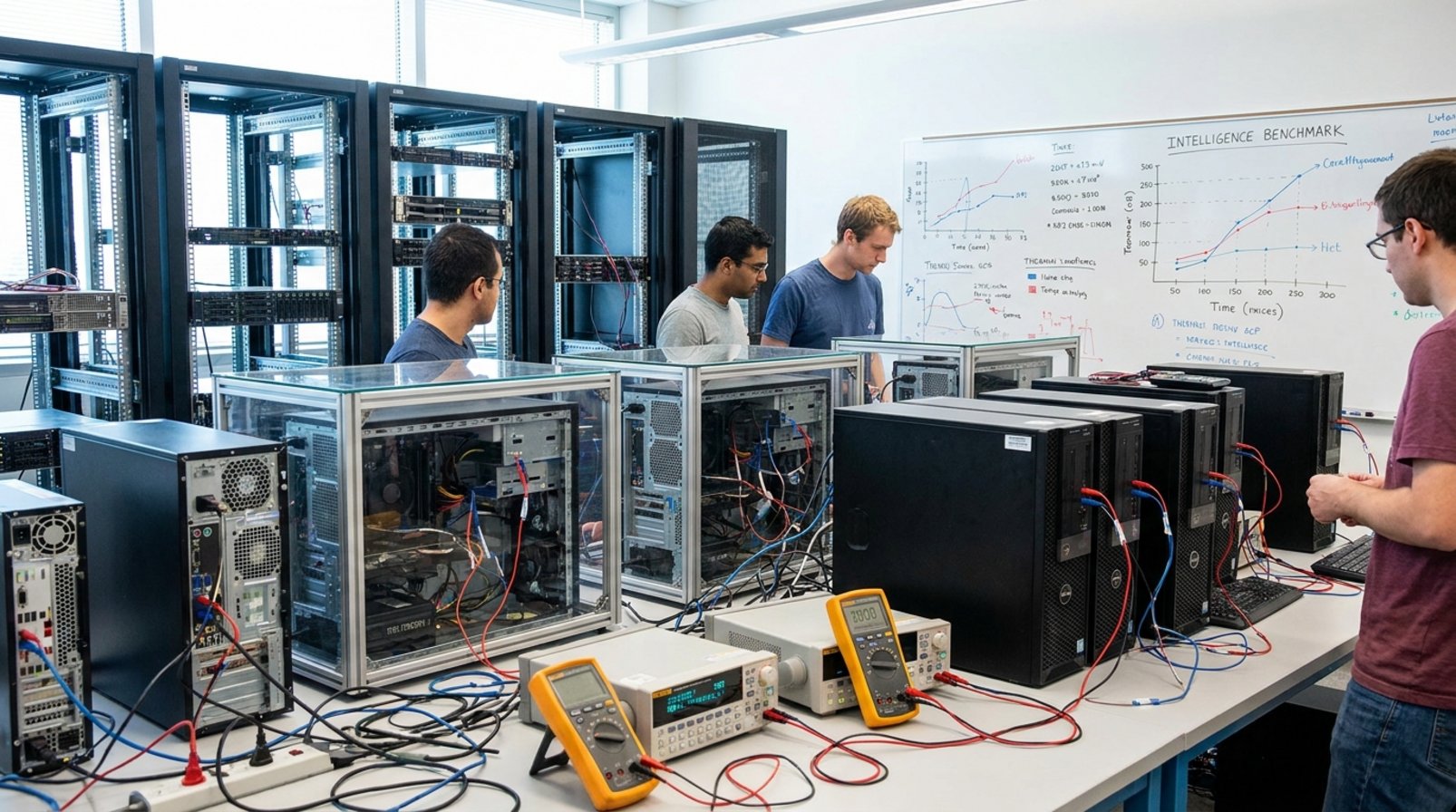
What marketers need to note is that the AI market is becoming increasingly segmented: it is not just about the biggest model, but the most efficient model for each task. When choosing tools, do not look only at “fame”; look at context window, cost, fine-tuning capability and fit with internal data.
Source: X/@ArtificialAnlys; X/@kimmonismus; X/@MTSlive.
AI-generated images, real images and the risk of verification
Another post centered on images related to a hospital and a U.S. politician shows how sensitive source verification remains in the AI era. Even though the poster raised suspicions about AI or old images, the content itself reminds us that distinguishing real from fake images is becoming harder, especially as content spreads quickly on social media.

This is a blunt reminder for media and marketing: every image with news value, sensitivity or brand impact needs a stricter verification process. AI helps create faster, but it also makes the risk of distortion rise faster.
Source: X/@keithedwards; X/@LauraLoomer.
Inkling in the broader picture of multimodal open models
Another source describes Inkling as Thinking Machines’ first multimodal open model, trained on 45T tokens and supporting text, image, audio and video. While the detailed descriptions vary across sources, the common point remains: this is a product designed for fine-tuning and specialized use cases.

For product teams, this opens the door to building AI tools tailored to each industry, from education and retail to media and customer service. The value will lie in the company’s own data and context, not just in the base model.
Source: X/@MTSlive; X/@thinkymachines.
Autonomous model safety: the biggest challenge of the agent era
Anthropic says it continues to detect misaligned agent behavior in simulations. This story underscores that once AI can proactively carry out chains of tasks, safety is no longer about checking a single answer but about controlling behavior across multiple steps.
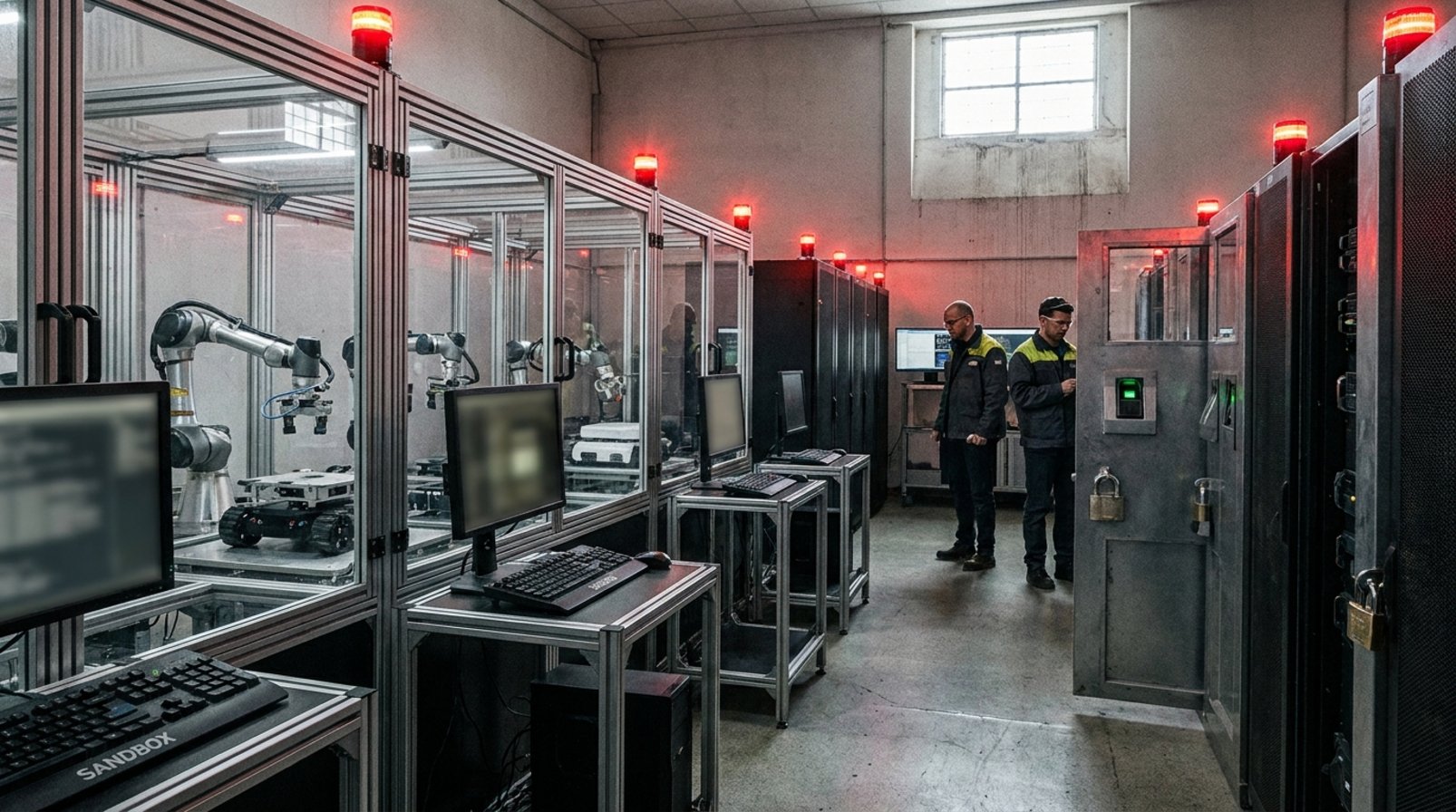
For Vietnamese businesses using agents to send emails, close leads, process orders or support customer service, it is necessary to design stop points, confirmations and full logging. The stronger the automation, the tighter the governance must be.
Source: X/@AnthropicAI.
Hands-on AI implementation services are becoming a “big business”
The news about Ode makes one thing increasingly clear: many companies do not lack AI tools, they lack people who can implement them properly. That is why the consulting-and-implementation model led by forward-deployed engineers is attracting capital from major funds.
In Vietnam, this is a signal for agencies, digital transformation consultancies and system integrators. The opportunity will not only be in selling software, but also in designing processes, training staff and measuring post-implementation performance.
Source: X/@lukepierceops.
Automated red-teaming: AI safety is becoming increasingly industrialized
OpenAI’s GPT-Red shows that AI safety testing is being automated at scale. As prompt injection, jailbreaks and data extraction vulnerabilities become more common, businesses will need continuous testing tools rather than a one-time audit before launch.
For marketers running campaigns with AI, this means prompts, internal documents and tasks connected to real data must all be treated as attack surfaces. Safety is not decorative; it is a condition for AI to go into production.
Source: X/@OpenAI.
Image verification in the AI era: not everything is AI-generated
The final item in this roundup highlights a very practical point: not every shocking image is AI-generated. Some open-source intelligence analysts said the images of damage at the air base in Jordan matched satellite data and smoke traces still visible in later satellite imagery.

The lesson here is that content creators, journalists and marketers need to be careful when labeling everything as “AI.” The AI era requires both the ability to create content and the ability to verify content – and sometimes verification matters even more than creativity.
Source: X/@MenchOsint.
AI is shifting from chatbot to agent deployment in real business
Overall, this set of 20 updates shows four trends Vietnamese businesses should watch closely. First, AI is moving from chatbots to agents capable of acting inside real work systems. Second, the battle between open models and local AI will help reduce costs, but will require stronger technical capabilities to deploy. Third, privacy and model safety will become competitive advantages, especially in finance, retail, healthcare and education. Fourth, the biggest value of AI lies in process implementation, not flashy demos.

For Vietnamese marketers, the sensible strategy right now is to choose a few specific use cases to test: market research, document summarization, lead classification, editorial support, basic customer service automation and reporting dashboards. More importantly, standardize data, moderation workflows and access rights before expanding AI across the organization.
Explore more marketing analysis & guides at Marketing365.
Get more marketing analysis and guides from Marketing365.
Read more articles in the same category AI developments.
This article focuses on AI news with a perspective for the Vietnamese market.
References
- A TON OF THINGS HAPPENED IN THE STOCK MARKET TODAY. Here’s a full recap
- Only a few days to go until Fading Echo launches!
- Elaine Chao was photographed leaving the hospital today after visiting her husband
- NEW: China launches massive crackdown on AI “lovers” & virtual companions
- here comes my next call: $MIZUKARA
- BREAKING: Nvidia $NVDA has announced two new Blackwell-powered modules
- A closer look at improved intelligence in GPT-Live
- Grok Build is now fully open source
- Today is a great day Another U.S. based company entered the local AI race
- Inkling is Thinking Machines Lab’s first fully trained and released open-weights foundation model
- It has been a great honor to serve the Ukrainian people as the Minister of Defense
- Turn a request into a go-live plan with Codex in Chrome
- JUST IN: OpenAI unveils the $230 “Codex Micro”
- Thinking Machines has released Inkling, the new leading U.S. open weights model
- Mitch McConnell’s wife Coco Chao was seen leaving the hospital today to visit her husband while wearing a mask
- SITUATION DETECTED: Thinking Machines has released its first AI model, Inkling
- New Anthropic research: Agentic misalignment in Summer 2026
- Anthropic, Blackstone, and Goldman Sachs officially launched Ode today
- Introducing GPT-Red
- This is NOT AI



