
Contents
- OpenAI brings PR Chat and direct code editing to Codex
- Moonshot AI’s Kimi K3 draws attention in coding and agent models
- Gemini 3.5 Pro is delayed again, putting more pressure on Google in the AI race
- Kimi K3 is seen as a reminder that the AI gap between the US and China is narrowing
- Google NotebookLM is renamed Gemini Notebook
- It’s not just Google and Moonshot: the race to launch new models is heating up
- OpenAI still keeps the momentum with its product roadmap and “self-disrupt” culture
- Open source and open weights remain a major trend in 2026
- Practical AI courses are increasingly tied to Codex, inference, and multi-agent workflows
- Grok 4.5 expands in Europe after clearing regulatory hurdles
- Google faces stronger market reaction over its slow pace on Gemini 3.5 Pro
- GPT-5.6 Sol Pro shows how fast benchmark evolution is moving
- OpenAI is rebuilding Codex in a way few companies can: self-disrupt, then reunify
- The open source story: not just idealism, but economics and data control
- Practical AI learning is becoming more closely tied to hardware and inference speed
- Grok 4.5 opens in Europe, showing that regulation is shaping AI expansion
- Google continues to delay Gemini 3.5 Pro to prioritize coding improvements
- DeepSeek V4 Flash on DGX Spark shows inference performance keeps improving
- Google still faces a big question: is it missing internal targets?
- Gemini 3.5 Pro is later than expected, making the flagship race even tighter
- AI has entered sports racing too: OpenAI and RaceTek talk about racing data
- Muse Spark 1.1 expands to US developers via OpenRouter
- AI is shifting from a smartness race to faster, cheaper integration and deployment
- References
The global AI landscape in 2026 shows competition accelerating across three layers: foundation models, developer tools, and deployment infrastructure. For Vietnamese marketers, this is not just a technology story but a direct signal about content production costs, workflow automation, and how "open" AI platforms may become in the near future.
Key points
- Moonshot AI launched Kimi K3 with ambitions to compete in the strong-model segment for coding and agentic tasks.
- Google was reported to have delayed Gemini 3.5 Pro again because it has not yet met internal performance targets, especially in coding.
- OpenAI continues to expand Codex, while Google, xAI, and Meta are also constantly updating products for developers.
- The standout trend is that AI is entering a phase of competition based on release speed, cost, and the ability to integrate into real-world workflows.
OpenAI brings PR Chat and direct code editing to Codex
OpenAI said Codex now includes PR Chat, allowing users to ask directly about a pull request in the exact work context. It also adds the ability to receive feedback, view the suggested patch directly in the interface, and accept, edit, or reject changes without leaving Codex. This is a fairly clear step toward turning AI from a “suggestion tool” into a “digital colleague” in the code review process.
For product teams and marketers working with dev teams, the notable point is that AI is moving deeper into the internal collaboration loop, not just stopping at drafting or answering questions. When models are placed directly in the workflow, the value lies in faster decision-making and reduced operational friction. Source: OpenAI Developers on X.
Moonshot AI’s Kimi K3 draws attention in coding and agent models
Moonshot AI has announced Kimi K3, a model introduced with very large scale, a one-million-token context window, native multimodal support, and optimization for long-form coding as well as self-operating workflows. According to the publisher’s description, Kimi K3 is available on Kimi Work, Kimi Code, and Kimi API; the open weights are expected to be released on 27/7/2026.

This is one of the strongest signals yet that Chinese labs are accelerating in frontier models, especially in the agentic coding segment. For businesses, this means model selection will increasingly depend on performance for specific tasks and total deployment cost, rather than just the brand names of a few major providers. Source: reposts from Kimi_Moonshot, Artificial Analysis, and market commentary on X.
Gemini 3.5 Pro is delayed again, putting more pressure on Google in the AI race
Multiple sources on social media and in international media say Google’s Gemini 3.5 Pro has been pushed back again, this time because it has not met internal performance targets. The most frequently mentioned concerns center on weaknesses in coding, while the new release date has still not been confirmed. Some posts also noted that Alphabet shares fell sharply during the day amid concerns that Google is falling behind competitors.

Not all of the rumors can be verified, but the market message is quite clear: in AI, delaying a flagship product can quickly erode expectations. For marketers, the lesson is that brand credibility in the AI era comes not only from company scale, but also from launch cadence and how well real user expectations are met. Source: Bloomberg updates reposted on X, along with other market roundups.
Kimi K3 is seen as a reminder that the AI gap between the US and China is narrowing
Many comments in the AI community say Kimi K3 has come very close to leading Western models on coding and agent tasks benchmarks, with some even placing it in the competitive range of Claude Opus 4.8. While benchmarks cannot replace real-world testing, Moonshot AI’s product pace is creating a strong sense that the race is no longer one-sided.

What stands out for businesses is that “iteration speed” is becoming a core competitive advantage. When a lab can keep releasing new flagships, pressure on price, scalability, and product flexibility rises across the market. Source: roundups and commentary from Hedgie, Artificial Analysis, Chubby, and related posts.
Google NotebookLM is renamed Gemini Notebook
Google is said to have renamed NotebookLM to Gemini Notebook and is preparing to bring integration into Google Search in the near future. In addition, the Collections feature, meaning content management folders, is also planned for launch. If this roadmap is accurate, Google is continuing to reposition its knowledge-work tools around the Gemini brand.

For marketers, this signals that AI-powered note-taking, search, and knowledge synthesis tools are gradually becoming a default infrastructure layer within the search ecosystem. That could directly affect how teams research insights, store campaign materials, and build internal documentation. Source: TestingCatalog on X.
It’s not just Google and Moonshot: the race to launch new models is heating up
Some comparative comments suggest that Chinese labs have released strong models in less time than Google DeepMind, which has brought the question of Gemini 3.5 Pro’s launch timing into sharper focus. Although this is still more of a community reaction than a technical conclusion, the general sentiment is that the market is becoming increasingly sensitive to who ships first and who proves stronger capability.

From a tech media perspective, this race shows that the AI “story” is now tightly tied to release cadence. The slower the update, the greater the comparison pressure. Source: X posts from Angel and AI-tracking accounts.
OpenAI still keeps the momentum with its product roadmap and “self-disrupt” culture
Many observers say OpenAI has gone through a particularly notable product restructuring phase: from pushing GPT-5 as a coding assistant, to splitting Codex into a separate development direction and then reintegrating it. This approach is seen as relatively rare because it shows a company can reinvent its core product from within rather than only adding features layer by layer.

For digital brands, this is a lesson in how to “fix the real pain point” for users. Sometimes a product needs a separate branch to experiment quickly, and only later returns to the larger ecosystem once it is mature enough. Source: Dan Shipper’s long-form commentary and related citations.
Open source and open weights remain a major trend in 2026
Many AI researchers and observers emphasize that open models still have more room to grow than expected, because money continues to flow into the field. One notable view is that the market has not entered the rapid consolidation phase many predicted after ChatGPT. Instead, 2026 is becoming a standout year for the open weights ecosystem and harnesses, especially for coding and agentic use.
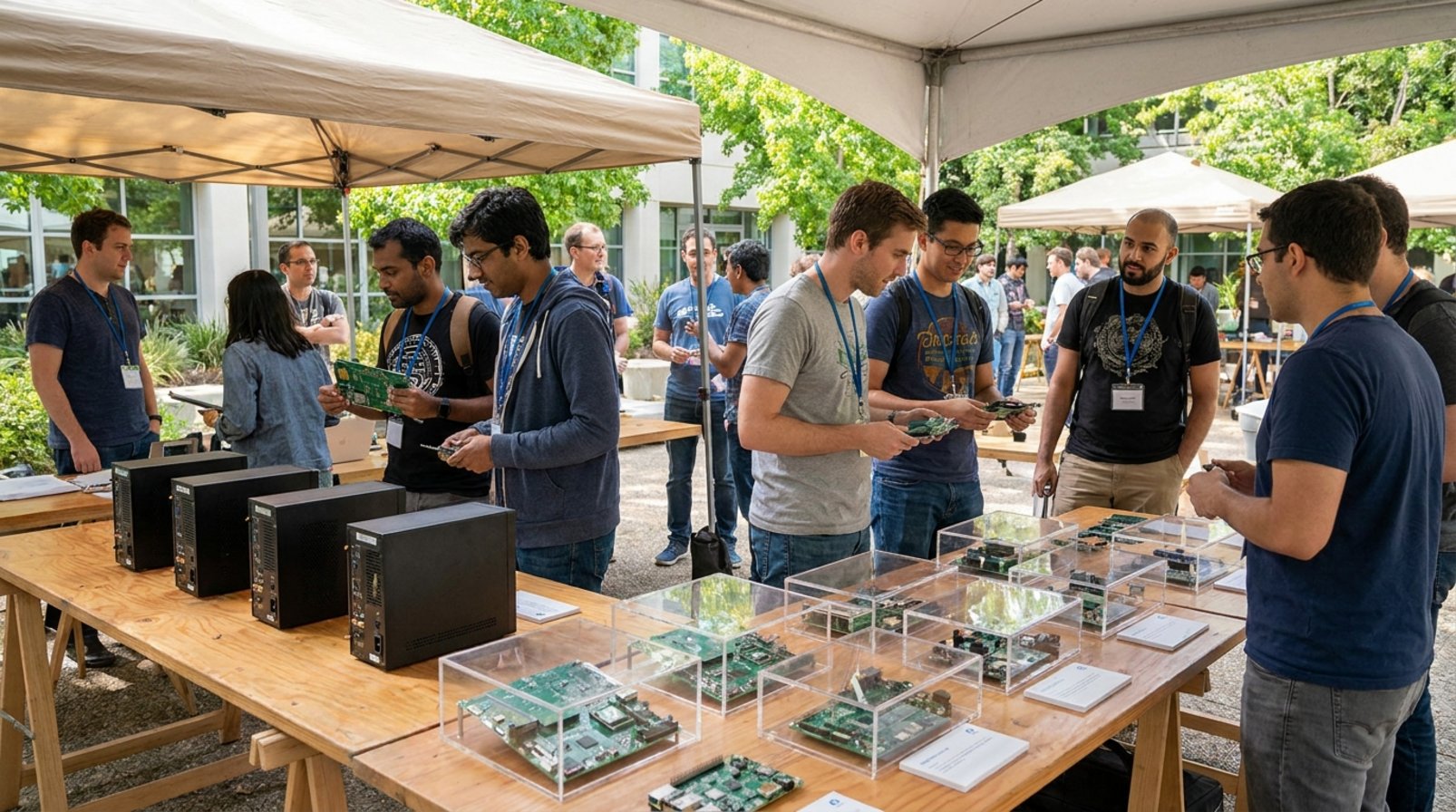
This matters for Vietnamese businesses because open models increase control over data, customization, and cost optimization. In a context where many organizations want to keep sensitive data from leaving their environment, open models can become a strategic choice rather than just a backup option. Source: Nathan Lambert and citations from the research community.
Practical AI courses are increasingly tied to Codex, inference, and multi-agent workflows
Cerebras and other AI education partners have just introduced free courses on inference, multi-agent workflows, and hardware, including lessons on building real-time applications and writing cleaner code with Codex. This shows that AI learning demand is no longer limited to theory, but is shifting toward practical deployment skills.
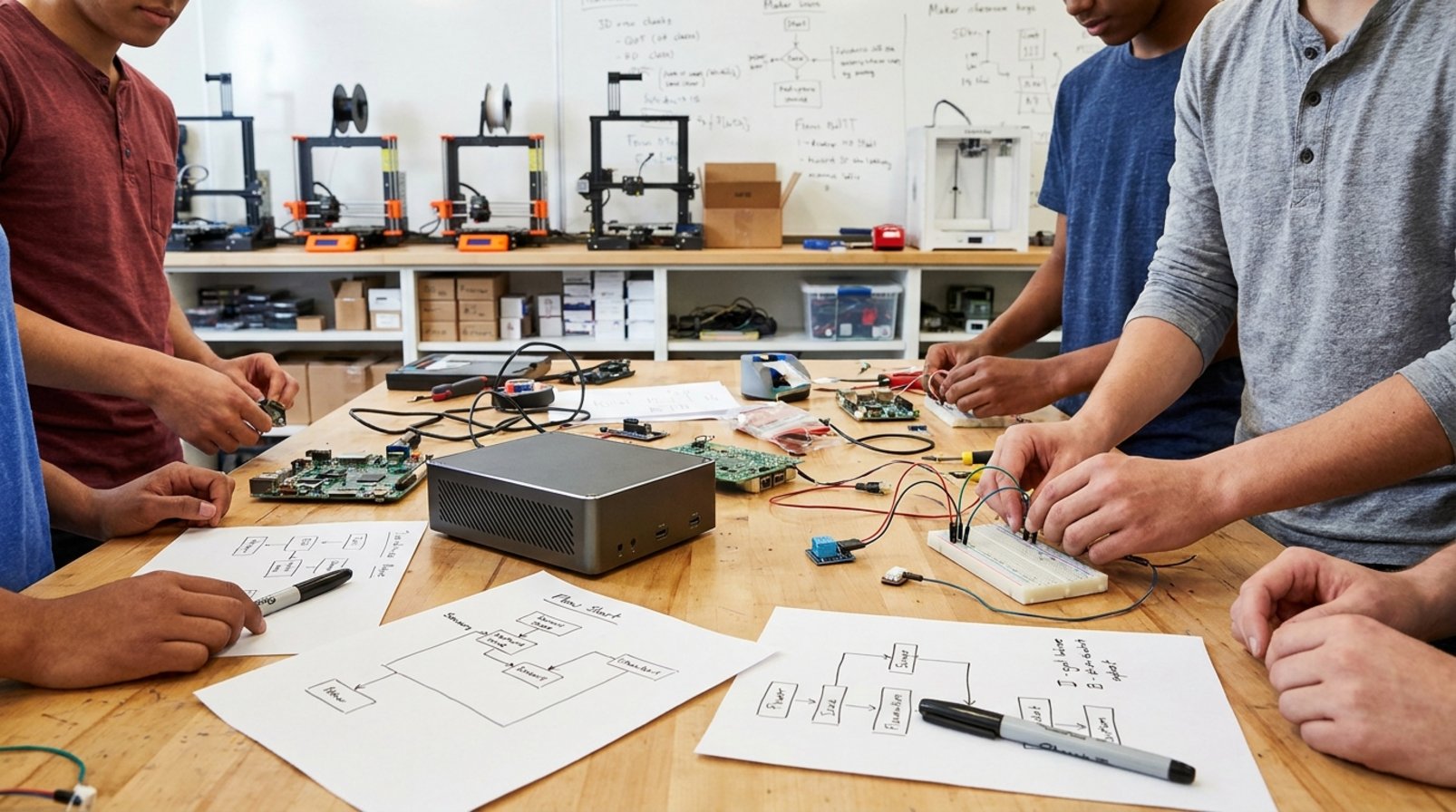
For marketers or content teams in Vietnam, the trend worth learning is how to operate multiple AI tasks at once: summarizing data, analyzing market signals, generating content variations, and automating workflows. Source: Cerebras and DeepLearning.AI.
Grok 4.5 expands in Europe after clearing regulatory hurdles
xAI has brought Grok 4.5 to all European users after completing the necessary assessments under the EU AI Act. Before that, the model was blocked in 27 EU countries and could only be accessed via VPN. According to the cited sources, Grok 4.5 is now available in Grok Build, Cursor, X Premium, and xAI’s API, with pricing described as significantly lower than many competitors.

The issue here is not only market expansion, but also that AI is increasingly shaped by regional regulatory frameworks. For Vietnamese businesses with plans to operate in multiple markets, compliance capability and regulatory readiness will be a real competitive advantage. Source: Muskonomy and citations from Grok.
Google faces stronger market reaction over its slow pace on Gemini 3.5 Pro
Posts on social media show investors reacting negatively to news that Google has delayed Gemini 3.5 Pro. While the market-cap decline mentioned in some posts still needs further verification, what is clear is that the market no longer has patience for prolonged delays in the AI race.

For brand professionals, the lesson is familiar: when a product is tied to “flagship” expectations, every delay is not just a later launch but also a delay in reinforcing trust. Source: compiled posts on X.
GPT-5.6 Sol Pro shows how fast benchmark evolution is moving
GPT-5.6 Sol Pro is said to have scored 91/99 on prinzbench, a test set published at the beginning of 2026. The benchmark author said this is high enough to stop testing future OpenAI Pro versions on this set, because the model has already “saturated” most of the questions.

For AI watchers, this is a reminder that benchmarks also have short lifespans. When models improve too quickly, once-difficult test sets can be surpassed within months. That creates a challenge for both researchers and AI buyers: benchmarks should be treated as reference signals, not final conclusions. Source: prinz.
OpenAI is rebuilding Codex in a way few companies can: self-disrupt, then reunify
Read more: Gemini Flash and the Model-Security Wave: AI Shifts Toward Speed, Cost and Governance
Some analytical comments suggest OpenAI has an advantage in “arriving late at the right time” in agentic coding. In this view, rather than forcing new features into ChatGPT at all costs, OpenAI let Codex grow as a separate branch, then merged it back into the main ecosystem once the tool was good enough. That approach reduces the risk of damaging the core product while still preserving innovation speed.

This is a product strategy worth noting for digital businesses in Vietnam: sometimes real innovation requires giving a small team enough room to experiment away from the current core. Source: Dan Shipper and citations from the X community.
The open source story: not just idealism, but economics and data control
Insights from researchers emphasize three drivers behind continued investment in open models: the ability to get close to SOTA, the participation of many well-funded teams, and organizations’ need to control their data. This view argues that businesses, governments, and even countries increasingly want to avoid having their data inadvertently train future competitors.

For the Vietnamese market, this is why open source AI should be viewed as a long-term infrastructure strategy, especially in sectors with sensitive data such as finance, healthcare, retail, and education. Source: Nathan Lambert and Sriram Krishnan.
Practical AI learning is becoming more closely tied to hardware and inference speed
New courses from Cerebras and DeepLearning.AI show AI learners being pulled closer to the infrastructure layer: inference, multi-agent workflows, and model-running hardware. Practical examples such as creating personalized websites based on interactions or building workflows to analyze market signals show that AI is no longer just about “good prompts,” but about “workflows that actually run.”
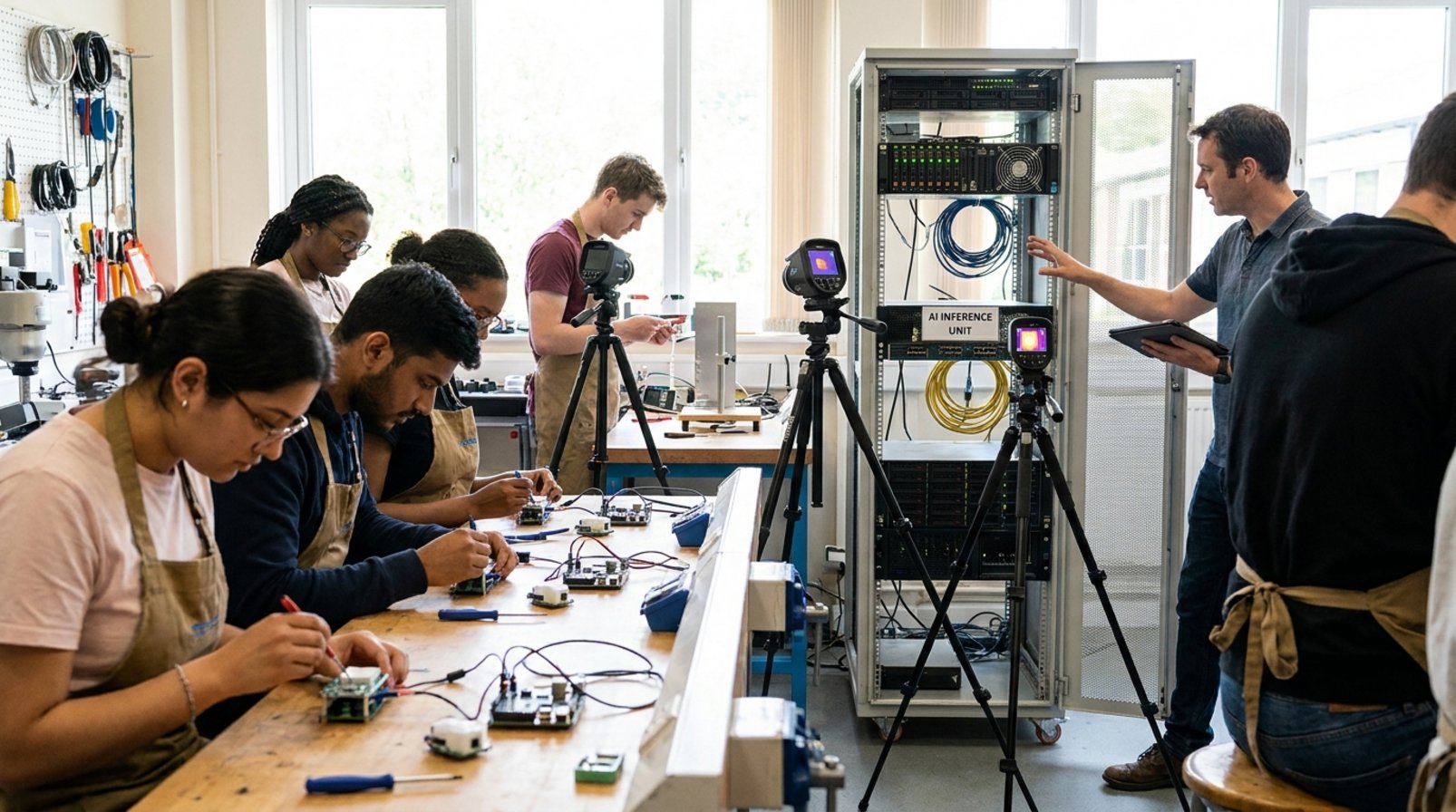
This is especially important for marketers because the competitive advantage in 2026 may not come from who knows how to use one tool, but from who can combine multiple tools to shorten decision-making time. Source: Cerebras and DeepLearning.AI.
Grok 4.5 opens in Europe, showing that regulation is shaping AI expansion
Grok 4.5 becoming fully available in Europe after being blocked for a period is a clear example of how policy is directly affecting AI distribution. Once a model passes system-risk checks, cybersecurity reviews, and safety assessments, it can truly expand into a major market.

This is an important signal for Vietnamese businesses considering expansion into the EU: choosing an AI provider cannot be separated from legal factors and the ability to meet regional standards. Source: Muskonomy and Grok.
Google continues to delay Gemini 3.5 Pro to prioritize coding improvements
Market reports show Google is pushing Gemini 3.5 Pro back by several months to improve coding capabilities and pass multiple rounds of internal evaluation. Although there is still no new launch date, the common thread across sources is that Google is willing to slow down in order to raise quality.

This strategy may make technical sense, but the risk is losing media momentum in an industry where a new competitor can appear every month. For brands, it is a balancing act between “right” and “fast.” Source: First Squawk and Polymarket Money.
DeepSeek V4 Flash on DGX Spark shows inference performance keeps improving
Some tests show DeepSeek V4 Flash can reach very high inference speeds in a two-DGX-Spark setup while still running reliably in an agent concurrency context. This is notable because not only are models getting stronger, but the infrastructure deployment approach is also moving very quickly.

For businesses, the story here is not only “which model is better,” but which model runs more economically and more stably in a real environment. Source: Tech2Wild.
Google still faces a big question: is it missing internal targets?
Repeated information from multiple accounts suggests the core story of Gemini 3.5 Pro is no longer just a single delay, but that the technology still has not met internal goals as expected. Even so, Google’s choice to keep working until it reaches the standard is also a way to protect brand quality in the long term.

As AI becomes increasingly commercialized, marketers need to track not only models that have launched, but also signals about each company’s internal execution speed. Source: roundups on X and Bloomberg reposts.
Gemini 3.5 Pro is later than expected, making the flagship race even tighter
Bloomberg and several market accounts say Gemini 3.5 Pro has been delayed by several months. This time, the focus is not only on launch timing, but on Google being put in a position where it must prove it can still keep pace with the leaders in coding and agent tasks.
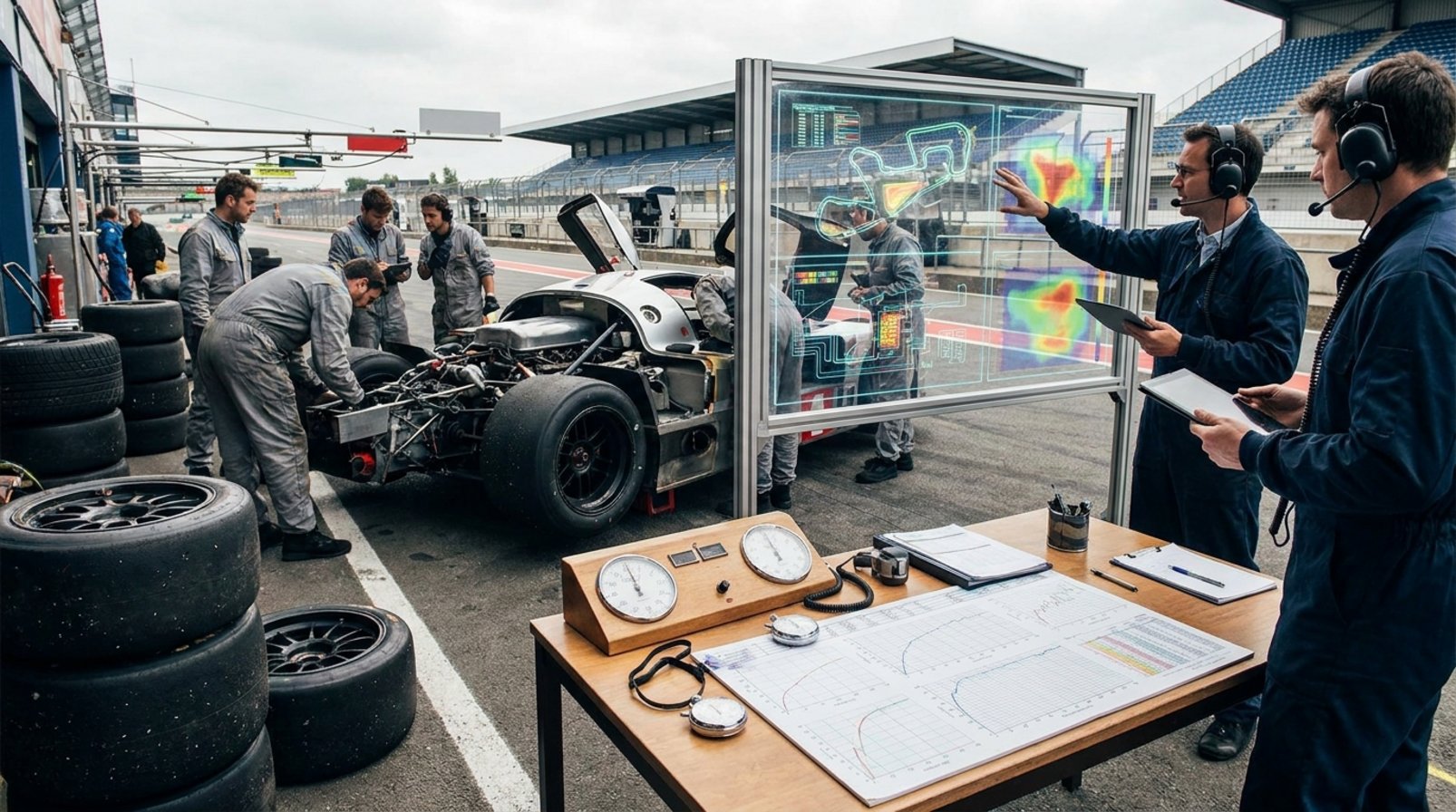
For marketing readers, this is a classic example of “expectation competition”: when a flagship product has not yet launched but is already being compared constantly, the brand faces enormous pressure from both investors and users. Source: Bloomberg reposted on X.
AI has entered sports racing too: OpenAI and RaceTek talk about racing data
OpenAI shared how racing teams use AI to turn track data into faster decisions, from research collaboration with Chip Ganassi Racing to new tools built with ChatGPT and Codex. This is a very concrete example of how AI is not only for office work or code, but can also help optimize fields that require split-second decisions.

For marketers, this story suggests that AI delivers the highest value when tied to real-time data and high-pressure decisions. That is also the direction many Vietnamese businesses can learn from when designing internal workflows. Source: OpenAI.
Muse Spark 1.1 expands to US developers via OpenRouter
AI at Meta announced that Muse Spark 1.1 is now available on OpenRouter for developers in the US. Although early information suggests the community had been waiting for this expansion, appearing on an intermediary platform like OpenRouter helps make it easier for product teams to access.

This reflects a familiar trend in today’s AI ecosystem: a good model is not enough; it also needs a convenient distribution channel so developers can use it right away. Source: AI at Meta and community reactions on X.
AI is shifting from a smartness race to faster, cheaper integration and deployment
The biggest takeaway from this batch of news is that AI is shifting from a race over “who is smarter” to “who integrates better, opens faster, and deploys more cheaply.” For Vietnamese businesses, now is the time to reassess three things: choose models based on real use cases rather than reputation, prepare to work with both open and closed models, and build processes so AI becomes part of operations rather than just experimentation.

From a marketing perspective, the changes around Codex, Gemini Notebook, Grok 4.5, and Kimi K3 show that AI tools are gradually becoming part of the daily work of content, performance, and market research teams. Whoever standardizes workflows early, manages data well, and knows how to use AI in the right places will have a clear advantage in production speed and output quality.
Explore more marketing analysis & guides at Marketing365.
Follow Marketing365 for in-depth marketing analysis and practical guides.
Read more articles in the AI developments category.
This article focuses on the latest AI news with a perspective for the Vietnamese market.
References
- OpenAI Developers – Review pull requests and make follow-up edits without leaving Codex
- Ivan Fioravanti – Kimi K3 launched on Metal Kernel optimization on DwarfStar
- Lumina – Gemini 3.5 Pro reportedly delayed again
- Hedgie – Moonshot AI launched Kimi K3 today
- Mark Kretschmann – Gemini 3.5 Pro launch delayed again
- TestingCatalog – NotebookLM is now Gemini Notebook
- Angel – Chinese lab released a SOTA model in less time than Google Deepmind
- AshutoshShrivastava – OpenAI product roadmap and Kimi K3 quote thread
- Artificial Analysis – Kimi K3 scores 57 on the Intelligence Index
- Chubby – Kimi K3 may be the DeepSeek 2.0 moment
- Autopilot – Google is plunging after delaying the Gemini 3.5 Pro launch
- prinz – GPT-5.6 Sol Pro added to prinzbench
- Dan Shipper – OpenAI is firing on all cylinders right now
- Nathan Lambert – On open models and consolidation
- Cerebras – free course on inference, multi-agent workflows, and hardware
- Muskonomy – Grok 4.5 is now available across Europe
- First Squawk – Google delays the Gemini 3.5 Pro AI model launch by months
- Tech2Wild – DeepSeek V4 Flash on 2× DGX Spark updates
- Polymarket Money – Google delays the Gemini launch as the technology falls short of internal targets
- Kaushik – Google Gemini Launch Delayed as Tech Falls Short of Goals
- OpenAI – AI in racing with RaceTek Systems and Chip Ganassi Racing
- AI at Meta – Muse Spark 1.1 now available on OpenRouter