
Contents
- Claude enters Slack as a digital “coworker”
- Google tightens its Limited Ad Serving policy on Search
- Tracking AI citations across six search engines is becoming a real-world challenge
- Google updates AI Max reporting guidance and the DSA transition roadmap
- Google Ads tests “Strongest Match” and “Strong Match” labels on sponsored results
- Cloudflare and beehiiv give publishers more control over AI crawlers
- Shopify launches an AI-powered marketing automation tool
- Search Engine Land Awards: what makes a submission stand out?
- Vietnamese teams must track AI citation potential, ad transparency and crawler access
- References
The SEO and search-advertising landscape in 2026 keeps shifting as AI, ad policies, and publishers’ control over data all change at once. For Vietnamese marketers, this is not just international news to follow but a signal to adjust content, media, and measurement strategies for a search environment changing faster than ever.
Claude enters Slack as a digital “coworker”
Anthropic is bringing Claude into the workplace in a more familiar way for enterprise users: appearing in Slack as a collaborator in chat channels. According to Search Engine Journal, this direction shows that AI is no longer just a separate tool, but is being embedded directly into teams’ daily workflows.
For SEO and content marketing, the notable signal is that AI is increasingly taking part in internal coordination, rapid responses, and decision support. That can speed up content production, but it also raises the need to control quality and ensure brand message consistency.
Source: Search Engine Journal.
Google tightens its Limited Ad Serving policy on Search
Google is expanding its Limited Ad Serving policy to more scenarios on Google Search. According to Search Engine Journal, the rollout will begin gradually from June 2026 and continue through 2028, with factors related to advertiser eligibility, user feedback, and advertiser identity.
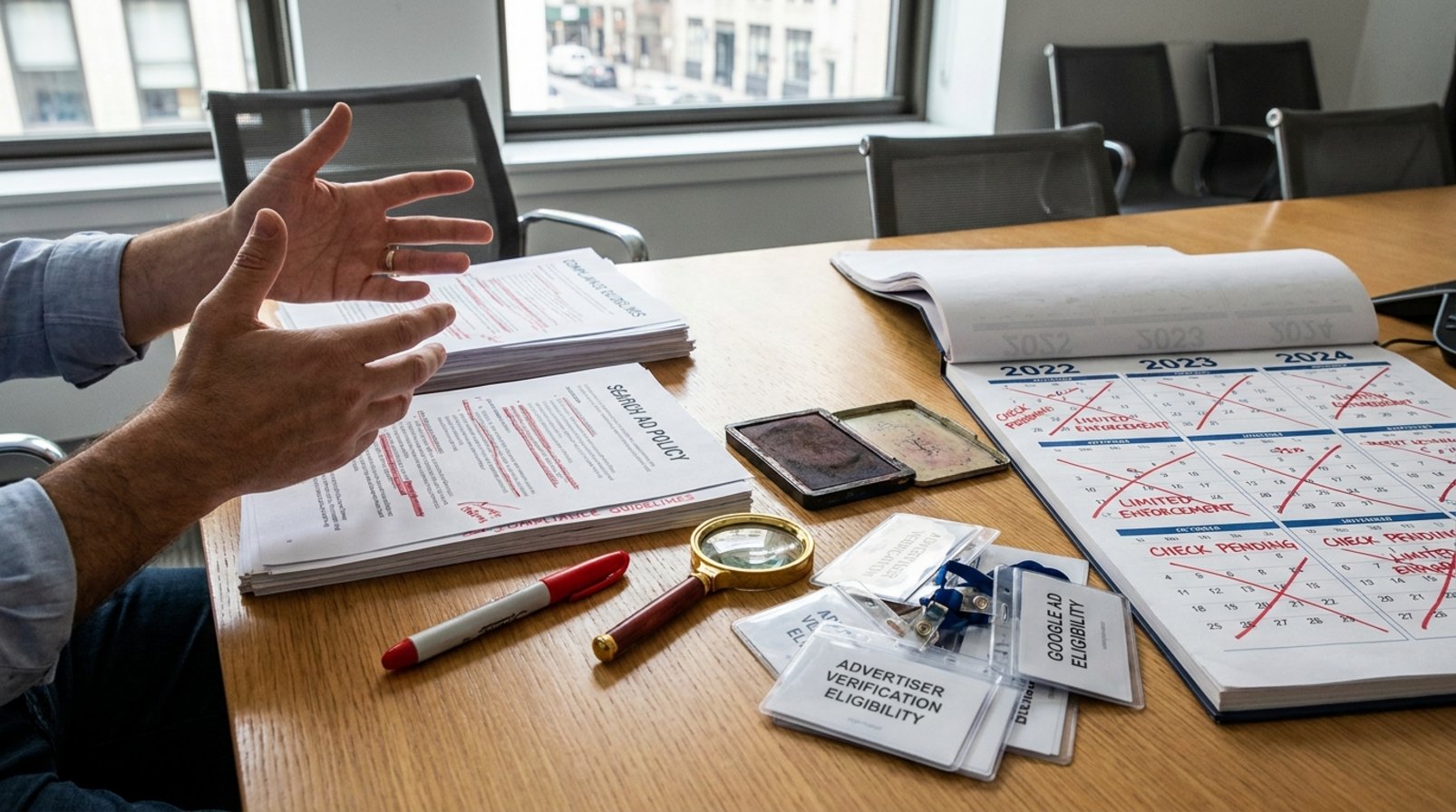
What stands out is that Google may limit ad visibility from advertisers deemed “not eligible” on queries likely to lead to poor experiences. In addition, Google recommends placing the domain at the beginning of the ad headline to increase clarity. For both PPC and SEO professionals, this is a reminder that brand trust and identity transparency are increasingly affecting search visibility.
Source: Search Engine Journal.
Tracking AI citations across six search engines is becoming a real-world challenge
Search Engine Journal says many SEO teams are discussing more deeply how to track AI citations across six different search engines. This shows that SEO performance metrics are no longer limited to traditional blue-link rankings, but are expanding to include how often AI systems choose a source as a reference.
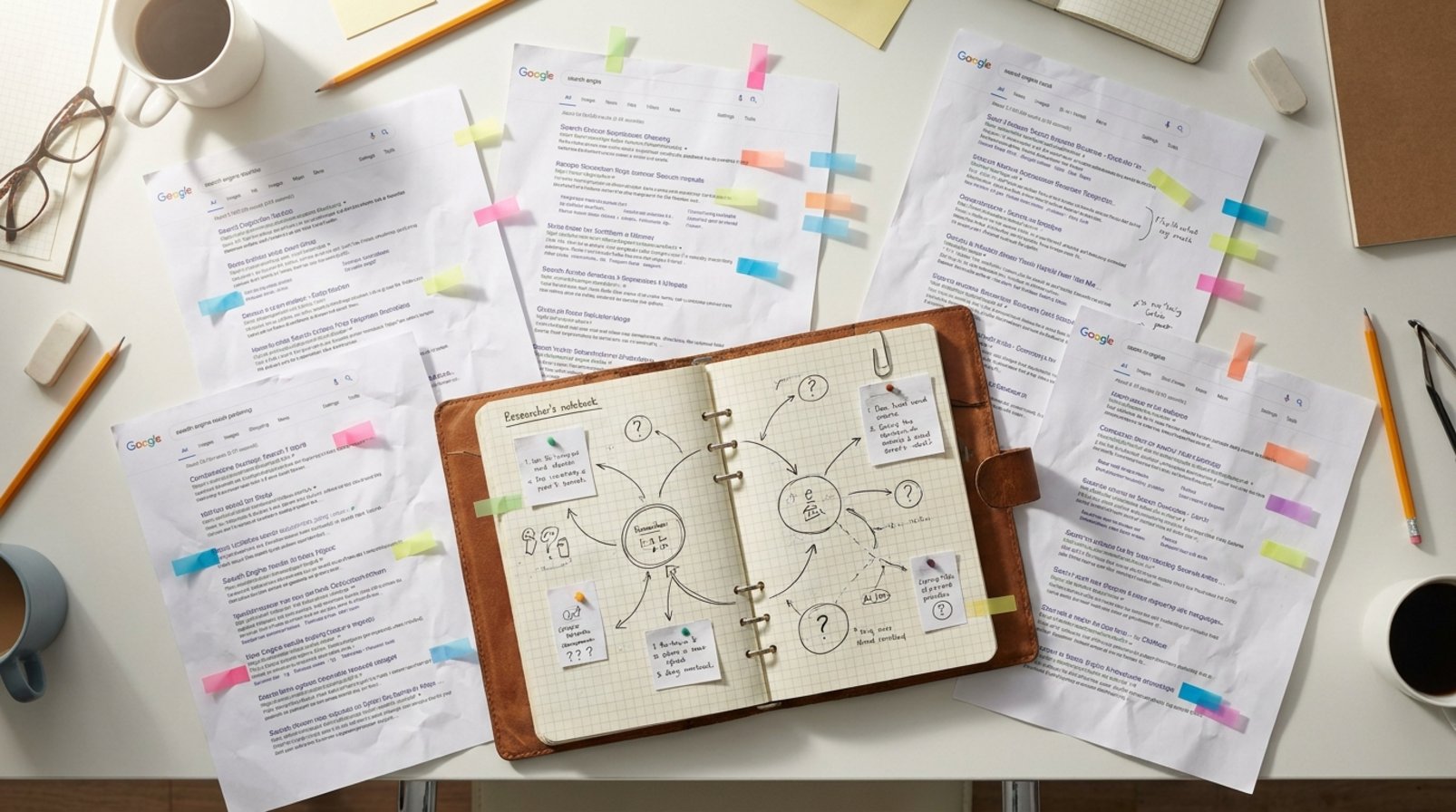
For marketers, this raises a new question: whether a brand’s content is cited by AI, and if so, in what context it appears. As AI becomes an intermediary layer between users and information sources, optimizing for the chance of being referenced may become part of a modern SEO strategy.
Source: Search Engine Journal.
Google updates AI Max reporting guidance and the DSA transition roadmap
According to Search Engine Land, Google has just updated reporting guidance for AI Max while also clarifying the transition roadmap from Dynamic Search Ads (DSA). Although this announcement is more focused on ad operations, it is still highly relevant to the SEO community because it reflects how Google is restructuring automation across search.

Reporting updates often lead to changes in how marketers read performance, allocate resources, and assess the impact of each format. For Vietnamese businesses combining SEO and paid search, understanding the AI Max and DSA transition can help avoid misreading data when comparing automated campaigns.
Source: Search Engine Land.
Google Ads tests “Strongest Match” and “Strong Match” labels on sponsored results
Search Engine Roundtable reports that Google Ads is testing new labels such as “Strongest Match” and “Strong Match” on sponsored results. If this test is expanded, it could change how users perceive the relevance of ads to search queries.
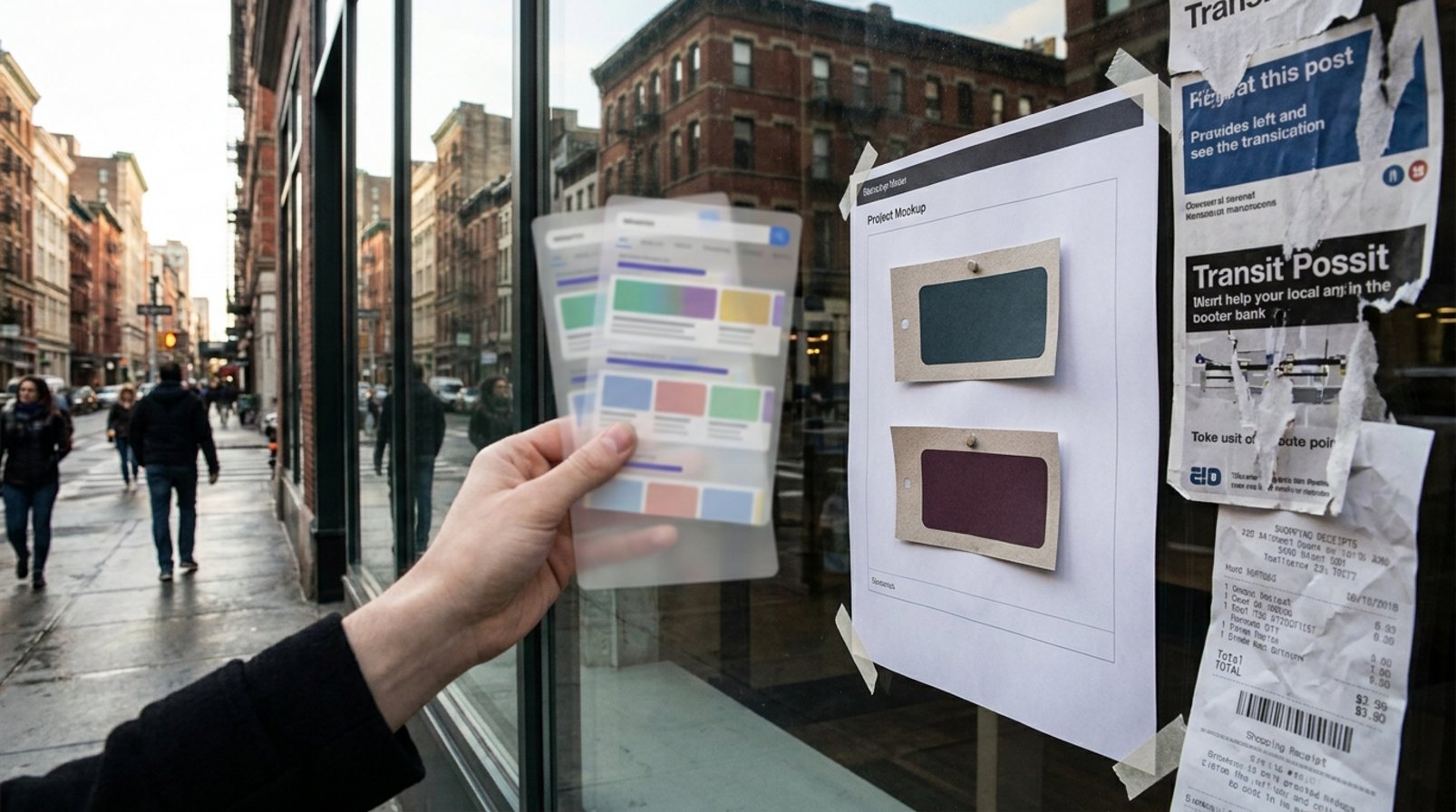
From a strategic perspective, display labels are not just a UI detail. They affect user expectations, click-through rates, and how a brand is perceived on the results page. SEO/PPC teams should keep a close eye on this, because any change in ad classification or labeling can affect search behavior and visibility competition.
Source: Search Engine Roundtable.
Cloudflare and beehiiv give publishers more control over AI crawlers
Search Engine Land says Cloudflare and beehiiv are providing publishers with additional tools to control AI crawlers. This is an important step as AI models and intelligent search systems increasingly rely on data from websites and published content.

For publishers and website owners, crawler control is not only a technical issue but also directly tied to content monetization rights, traffic, and the economic value of digital assets. In the new search environment, allowing or denying AI bots access to content may become a strategic decision, much like robots.txt once became a basic SEO standard.
Source: Search Engine Land.
Shopify launches an AI-powered marketing automation tool
Shopify has just introduced an AI-powered marketing automation tool, according to Search Engine Land. This signals that major e-commerce platforms are continuing to push automation deeper into operations, helping brands respond faster to customer behavior and personalization needs.
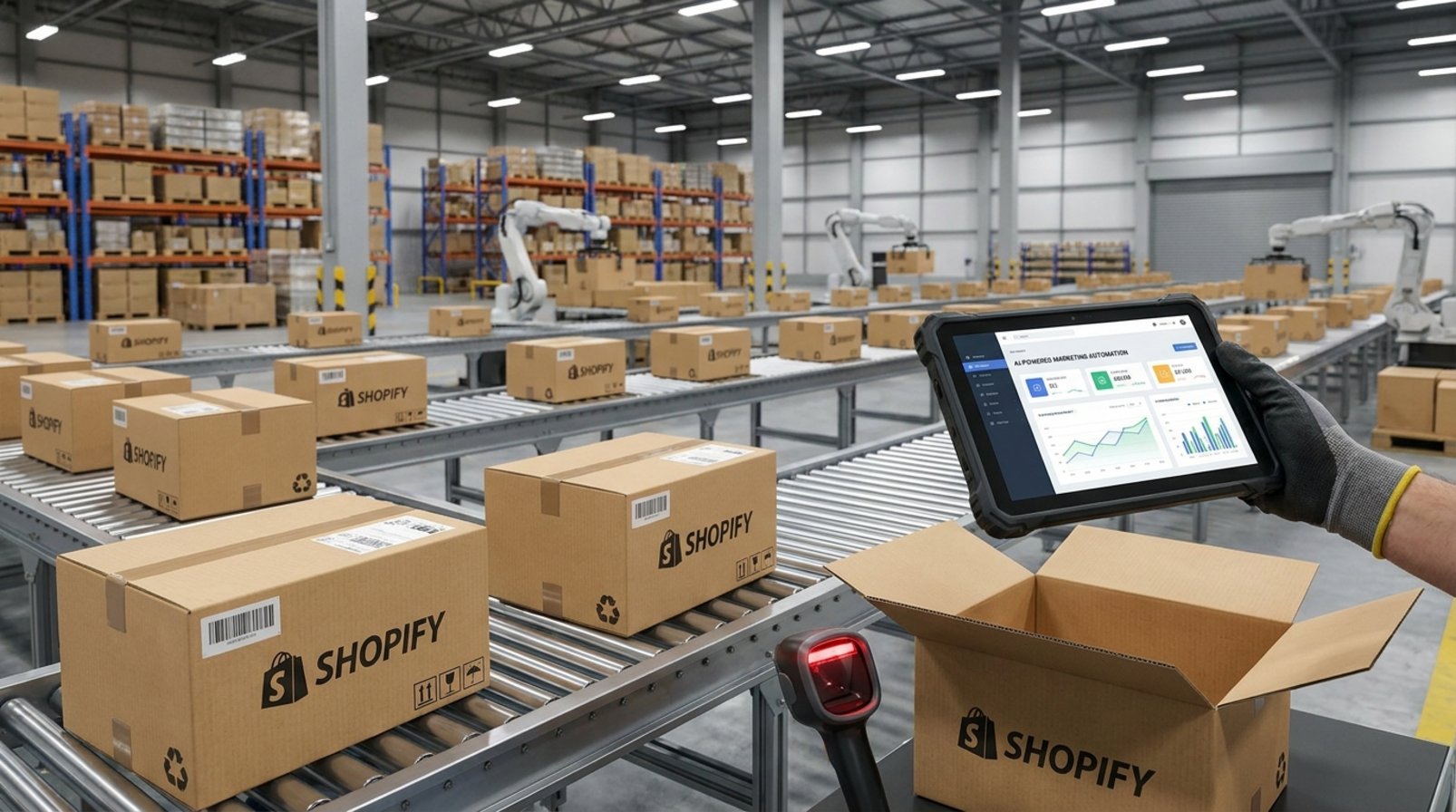
For SEO, the impact lies in the relationship between content, conversion, and the customer lifecycle. As automation becomes more deeply integrated, marketers can better connect search traffic with post-visit nurturing sequences, rather than viewing SEO only as a channel for driving visits to the website.
Source: Search Engine Land.
Search Engine Land Awards: what makes a submission stand out?
Search Engine Land shared comments from judges on the criteria for evaluating 2026 award submissions. The core message is clear: a strong submission does not just present results, but must tell a story, show context, demonstrate strategic thinking, and explain why the work truly matters.

For SEO and performance teams in Vietnam, this is a useful reminder when building case studies, proposals, or client reports. Good data is not enough; logical presentation, contextualizing the problem, and clarifying strategic contribution are what help a campaign receive proper recognition.
Source: Search Engine Land.
Vietnamese teams must track AI citation potential, ad transparency and crawler access
The common thread across this set of news is that SEO is moving closer to an ecosystem where AI, advertising, and data control are tightly connected. For Vietnamese businesses, the short-term priority is not only keyword optimization, but also tracking AI citation potential, ad transparency, brand identity quality, and crawler access rights.

In practice, marketing teams should review three things: first, whether their content has enough depth to be seen by AI and search engines as a trusted source; second, whether their measurement system can distinguish performance from organic, paid, and AI-assisted surfaces; and third, whether the business has a clear policy on bots/crawlers and digital content usage. This could become a new competitive advantage as search continues to change rapidly.
If there is one short takeaway: SEO in 2026 is no longer just a game of climbing rankings, but a game of visibility, trust, and the ability to be chosen by AI systems.
Explore more marketing analysis & guides at Marketing365.
Follow Marketing365 for in-depth marketing analysis and practical guides.
Read more articles in the same category Digital Trends.
This article focuses on the latest SEO news with a perspective for the Vietnamese market.
References
- Anthropic’s @Claude Enters Workplace As A Slack Channel Coworker
- Google’s Limited Ad Serving Update Raises Questions About Advertiser Qualification
- How Are SEO Teams Actually Tracking AI Citations Across Six Engines? [Webinar]
- Google updates AI Max reporting guidance and DSA transition plans
- Google Ads Tests Strongest & Strong Match Labels On Sponsored Results
- Cloudflare and beehiiv give publishers new AI crawler controls
- Shopify launches AI-powered marketing automation tool
- Straight from the source: 2026 Search Engine Land Awards judges reveal what makes an application award-worthy