
Contents
- AI bots are starting to be “charged” for crawling: the issue is not just revenue, but the right to be cited
- Google renames Shopping ads: Comparison Listing Ads become CSS Product Listing Ads
- AdSense is about to drop Related Search on auto ads: publishers need to rethink monetization flows
- SEO tools for small businesses: choose fewer, but choose right, instead of carrying a “mountain” of software
- SEO must now serve AI crawlers, ads, and publishers
- References
This week’s SEO landscape shows a clear shift: search is no longer just about rankings, but about access, display formats, and the toolsets businesses use to compete. For Vietnamese marketers, these are signals worth watching closely because they directly affect AI citations, search ad performance, and SEO operating costs.
Key points
- Cloudflare and AWS are bringing HTTP 402 back in the form of AI crawler fees, turning crawling into a decision about “who gets to read and cite you.”
- Google is said to have renamed Comparison Listing Ads to CSS Product Listing Ads, signaling continued restructuring in shopping ads.
- Google AdSense will stop the Related Search format for auto ads from 6/8/2026, affecting how many publishers earn revenue.
- HubSpot emphasizes that small businesses need to choose the right SEO tool stack for their goals, rather than chasing too many software tools at once.
AI bots are starting to be “charged” for crawling: the issue is not just revenue, but the right to be cited
Search Engine Journal reports that Cloudflare revived HTTP status code 402 to charge AI crawlers starting in July 2025, and AWS also added a similar mechanism to its firewall on 15/6/2026. The notable point in this trend is not the amount of money collected, but the fact that websites are becoming more proactive in deciding which agents can read content, cite it, and feed it into the AI ecosystem.
The message from the article is clear: every crawler placed behind a “paywall” is a choice about a brand’s visibility across AI systems. In other words, SEO is moving from optimizing for search engines to optimizing access for machines that read content. For brands investing heavily in expert content, this could be an important turning point: to be cited by AI, you not only need strong content, but also the right crawl policy.
Source: Search Engine Journal — Charging AI Bots Decides Which Agents Can Still Cite You.
Google renames Shopping ads: Comparison Listing Ads become CSS Product Listing Ads
Search Engine Roundtable noted that Google Ads has replaced the name Comparison Listing ads with CSS Product Listing ads, while also redirecting the old help page to a new document page. Although the two formats appear very similar in substance, the support description has been rewritten significantly, suggesting that Google is standardizing how it presents and manages this ad type.

For performance marketers, a name change should not be dismissed as a simple wording update. It often comes with changes in how Google categorizes, describes competition, or guides implementation. Businesses running shopping ads or working with CSS partners should review the support documentation and how reporting systems display these ads to avoid confusion when measuring performance.
Source: Search Engine Roundtable — Google Comparison Listing Ads Now CSS Product Listing Ads.
AdSense is about to drop Related Search on auto ads: publishers need to rethink monetization flows
According to Search Engine Roundtable, Google will discontinue the Related Search format in AdSense auto ads from 6/8/2026. Notification emails have already been sent to affected accounts, and after that date the Related Search option will also be removed from the AdSense interface.

This is a change with a direct impact on publishers that rely on display ads and related search modules to optimize revenue. When a format disappears, the issue is not only losing an ad placement, but also reassessing user experience, click-through rates, and monetization structure across each page group. For content sites, this is a good time to review replacement modules and see whether internal traffic can be distributed more effectively in another way.
Source: Search Engine Roundtable — Google AdSense Related Search Format To Be Retired On August 6th.
SEO tools for small businesses: choose fewer, but choose right, instead of carrying a “mountain” of software
Read more: SME CRM Buyers Now Ask One Question: Will the Team Actually Use It?
HubSpot emphasizes that there are many SEO tools for small businesses on the market, but the real barriers are limited budgets and resources. The article aims to help business owners and SEO teams build a tool stack that fits their goals, rather than buying too many tools and failing to use their features fully.
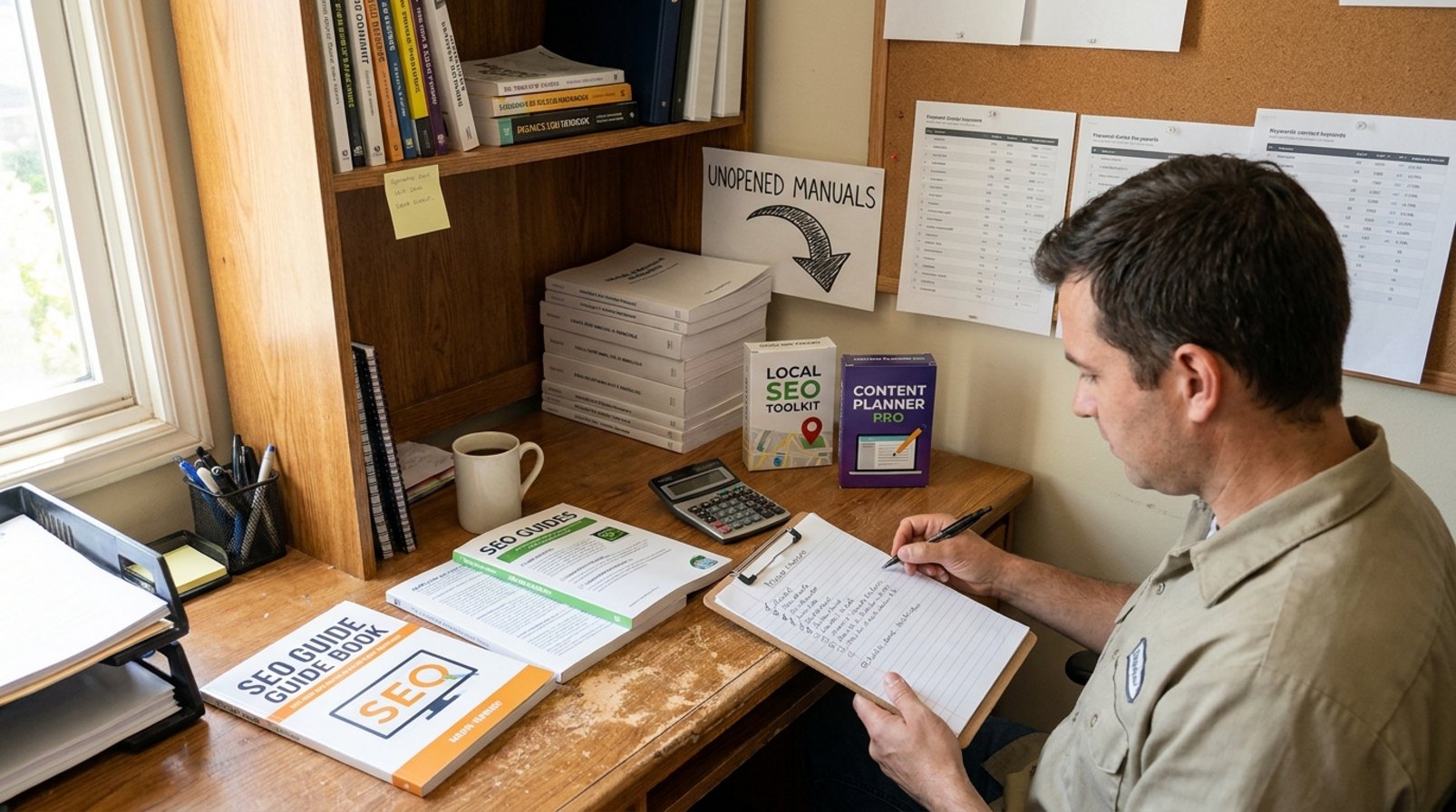
One notable point is that HubSpot cites data from the State of Marketing report, showing that 50% of small businesses see websites, blogs, and SEO as the marketing channels with the greatest leverage. That reinforces a familiar reality: for small businesses, SEO remains a channel that can drive sustainable growth if the right tools are chosen for keyword research, technical audits, rank tracking, and content measurement.
Source: HubSpot Marketing — Which SEO tools are worth it for small businesses?
SEO must now serve AI crawlers, ads, and publishers
Three changes from Google and web infrastructure show that SEO in Vietnam is entering a “multi-layer” phase: it must serve search engines, while also accounting for AI crawlers, ad systems, and publisher monetization models. This is especially important for businesses focused on in-depth content, e-commerce, and digital publishing.
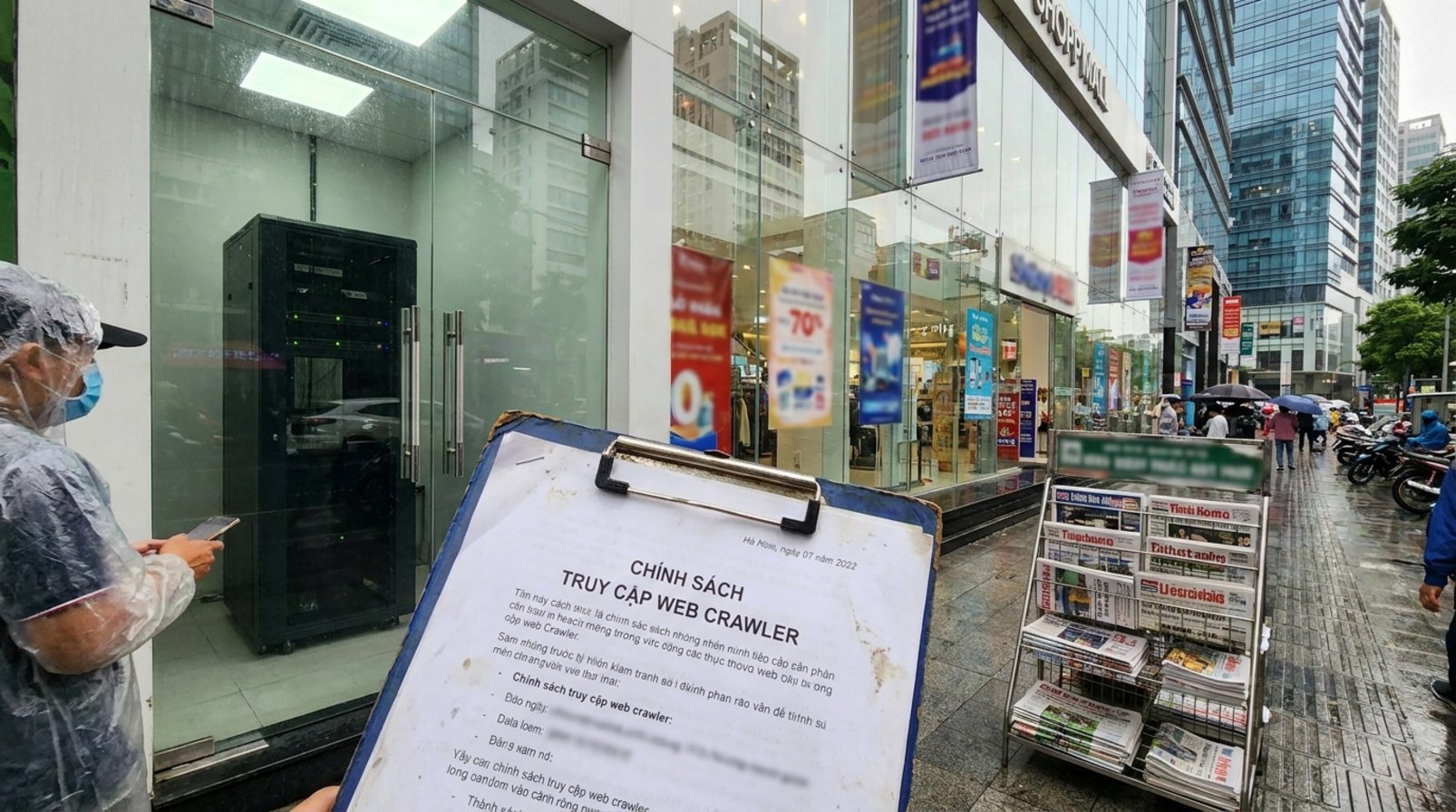
For Vietnamese marketers, there are three things to do right away. First, review robots.txt, crawl policies, and AI accessibility if your brand wants to be cited by answer systems. Second, update changes in Google Ads, AdSense, and Shopping to avoid campaign or revenue disruptions. Third, simplify your SEO tool stack based on real needs: prioritize platforms that measure results rather than chasing a long list that is rarely used.
In short, SEO is no longer a single ranking race. It is a race to be read, understood, cited, and monetized in a search environment that is changing very quickly.
See more marketing news and guides at https://marketing365.vn.
Follow more updates from Marketing365 to stay on top of the latest marketing trends.
Read more articles in the same category Digital Trends.
This article focuses on SEO news with a perspective for the Vietnamese market.
References
- Charging AI Bots Decides Which Agents Can Still Cite You
- Google Comparison Listing Ads Now CSS Product Listing Ads
- Google AdSense Related Search Format To Be Retired On August 6th
- Which SEO tools are worth it for small businesses?