
Contents
AI is being deployed more and more widely across businesses, but its real impact on growth still does not match the pace of adoption. For Vietnamese marketers, this is an important signal: AI is not only a tool for working faster, but can also be a lever for creating new value models if it is organized and tested the right way.
In an article on MarTech, the author argues that most businesses are only using AI to optimize old tasks. The bigger opportunity lies in using AI to redesign how revenue is created, not just to cut costs.
Businesses Are Using More AI, but the Impact Is Still Thin
MarTech cites data from McKinsey showing that 88% of organizations have used AI in at least one function. However, only 6% say AI has created significant impact across the entire business. This shows that the issue is not whether to “use AI or not,” but how businesses integrate AI into operations.
The author puts it bluntly: many companies are running AI as a tool to speed up existing processes. They work faster and cheaper, but that does not necessarily create a new direction for value or revenue.
AI Is Like a Car with a New Engine but an Old Frame
The article uses an easy-to-understand comparison: the first cars were built on horse-drawn carriage frames, with only an engine added. It took a long time before design thinking changed enough to create a true car. AI is in a similar situation: the technology has arrived, but the way businesses think about operating models and business models has not kept up.

What stands out is that only 23% of organizations using generative AI have redesigned workflows for this new technology, according to the source cited by MarTech. The rest are trying to “fit” AI into old structures. That helps deliver early efficiency, but limits the ability to create long-term breakthroughs.
From “Factory” to “Laboratory”: A New Mindset for AI to Create Value
MarTech divides AI value into four stages, but it can be understood more simply through two mindsets: factory and laboratory. The factory mindset focuses on scalability, stability, and measurable performance. This is the territory of cost savings, automation, and processing speed.
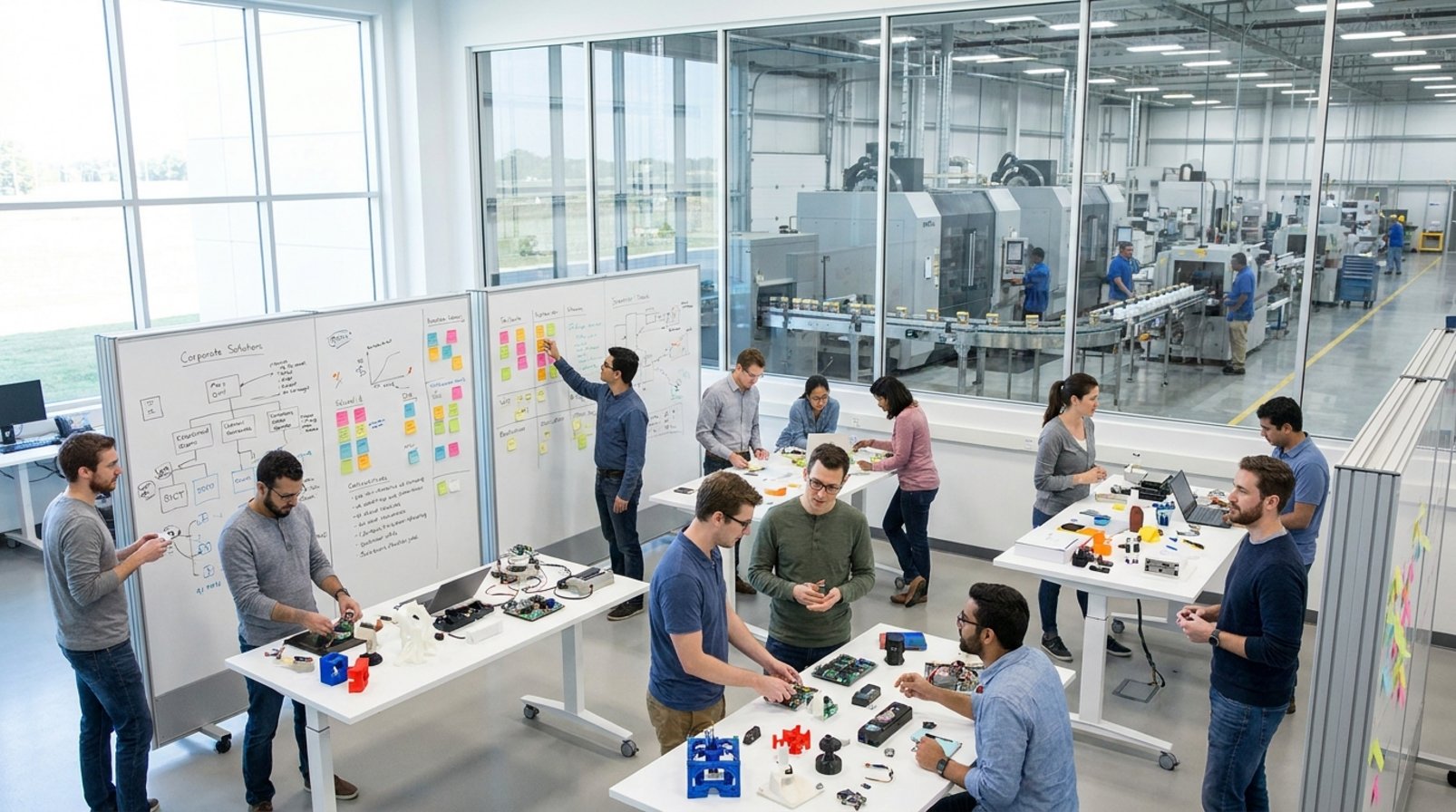
By contrast, the laboratory mindset prioritizes experimentation, flexibility, and acceptance of uncertainty. This is where businesses discover new ways to create value. According to the article, organizations are often more willing to approve budgets for initiatives that can prove immediate savings, while the value of experimentation is harder to see at first, even though it may be much larger in the long run.
Read more: AI in Healthcare and Government: Value Comes From Data, Not Just Models
In other words, if AI is judged only by hours saved or costs reduced, businesses may miss the chance to find a new source of revenue.
New Experiments Open Up New Revenue
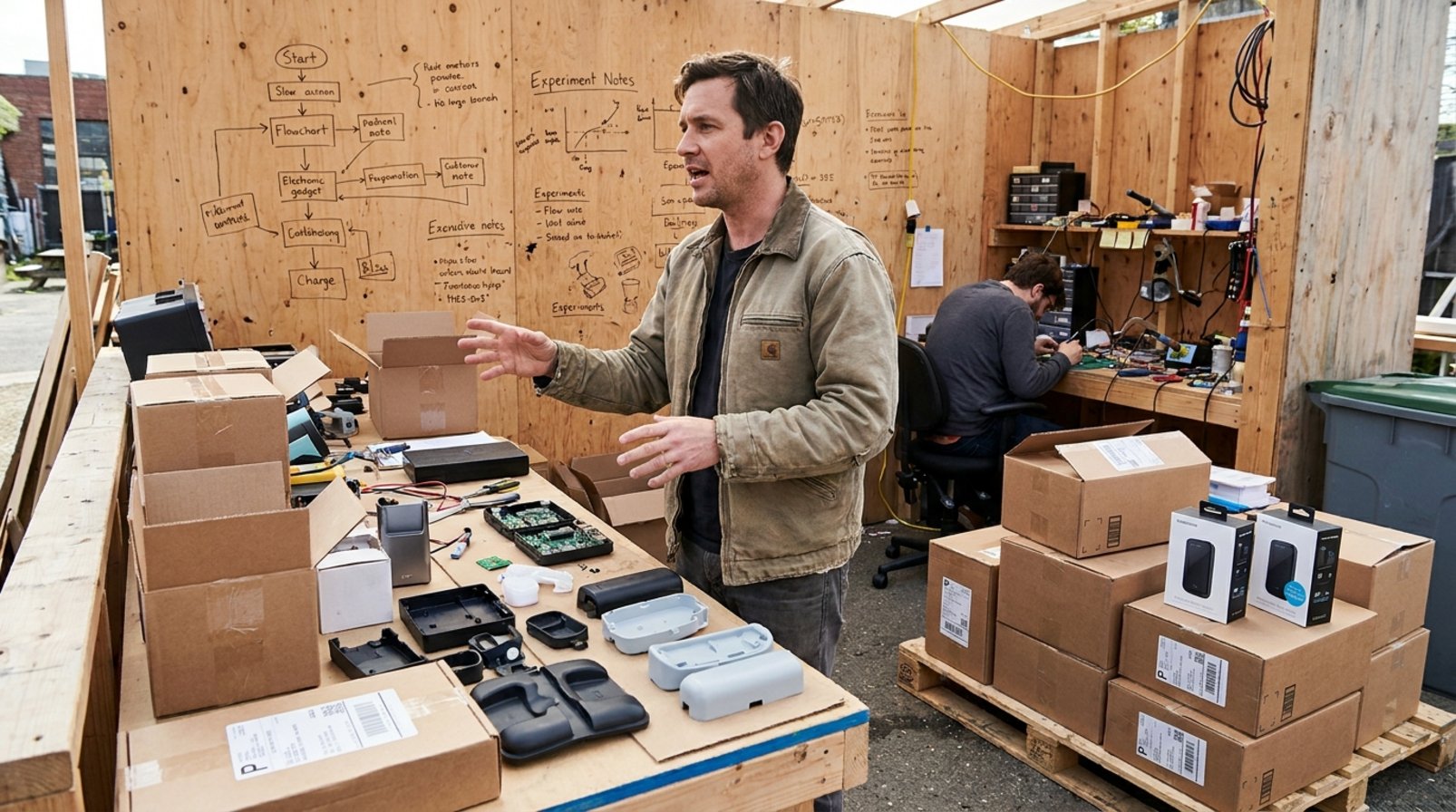
To illustrate the power of experimentation, the article mentions Pieter Levels, a tech entrepreneur who believes that only by launching quickly can you know which model can survive. This approach has led to many projects, including products that together bring in more than USD 250,000 per month.
A more striking example is IKEA with the Billie chatbot. According to MarTech, the chatbot handles 47% of customer requests, equivalent to 3.2 million interactions, helping reduce costs at the operational level. But the more valuable part lies in the 53% of questions Billie could not handle. IKEA saw this as a market signal, retrained 8,500 call center employees into remote interior design consultants, and built a new sales channel.
The result was a new revenue stream: EUR 1.3 billion in 2022 from a channel that did not exist before. This is a very clear example of how AI can create value far beyond automation if businesses know how to turn “what cannot yet be done” into an opportunity.
Read more: LinkedIn and Meta Are Optimizing for Action, Not Just Distribution
Where Should AI Sit in the Corporate Machine?
The article also emphasizes that the experimental spirit should come from marketing, especially marketing operations. The reason is that this function sits at the intersection of data, technology, customer signals, and commercial outcomes. It is where problems can be spotted early, tests can be run quickly, and results can be measured relatively clearly.

By contrast, departments such as finance, compliance, procurement, or HR are often under intense pressure if mistakes happen, so the natural tendency is to avoid risk. That makes them less suitable for bold experiments that need to be accepted in the early stages.
MarTech’s message is clear: if AI is to drive real growth, businesses must allow a commercially minded, customer-close, and operationally flexible function to lead the experiments.
A View for the Vietnamese Market
Read more: The Real Martech Problem Is Not Technology
For Vietnamese businesses, the lesson is not about chasing the number of AI tools or adding a chatbot just for the sake of it. What matters more is asking: where is AI helping us save costs, and where can it open up new revenue?

In a highly competitive environment, many brands in Vietnam tend to use AI to speed up content production, customer service, or internal reporting. These applications are useful, but not enough. Businesses should boldly test small, fast, and measurable models to uncover new opportunities from customer behavior, service gaps, or unresolved problems.
In other words, AI is not just an optimization technology. If deployed correctly, it can become a tool that helps Vietnamese marketers find growth sources they could not see before.
Source: MarTech, “The real AI opportunity is creating new value.”
See more marketing news and guides at https://marketing365.vn.
Follow more updates from Marketing365 to stay up to date with the latest marketing trends.
Read more articles in the same category Digital Trends.
This article focuses on the opportunity for AI to create new value with a perspective for the Vietnamese market.