
Contents
- Google continues to tell the story of Gemini and AI Mode
- Google’s Q2: clear revenue, but click data remains a mystery
- When robots.txt is not enough: lessons from Google still indexing spam pages
- Performance Max and the opportunity to “revive” forgotten SKUs
- Clients asking “Do we show up in ChatGPT?”: the search industry’s new question
- AI in marketing: clearer benefits, but the environmental footprint is still undermeasured
- Meta continues to place a big bet on AI
- Hot topics from the search community: AI Max, Merchant Center, and Ads-related changes
- Google Ads begins showing AI recommendations in conversion summaries
- Google updates gambling ad certification rules
- SEO must align with AI search, product data and independent measurement
- References
The recent wave of SEO and search news paints a familiar yet still very new picture: Google continues to expand AI in search, while marketers must pay closer attention to data, technical control, and policy compliance. For Vietnamese marketers, this is not just a question of whether AI will change SEO, but a very practical one: how will businesses measure, optimize, and maintain their visibility advantage?
Key points
- Google is telling an increasingly clear story about AI Search, Gemini, and usage behavior, but public data still does not reflect the full picture.
- Robots.txt is not an absolute “shield”; small technical errors can still allow spam content to be discovered and indexed by Google.
- SEO, conversational search, and advertising are all being affected by AI, from Performance Max to the question of whether a brand appears in ChatGPT.
- For the Vietnamese market, the priority should be accurate measurement, strong data governance, and preparation for the era of multi-platform search.
Google continues to tell the story of Gemini and AI Mode
Search Engine Journal reports that Google has just released comparative data on the use of Gemini and AI Mode versus everyday activities. This is a notable approach because Google is not only presenting AI products as standalone tools, but placing them in the context of users’ real lives.
For SEO professionals, the key message is this: Google wants to normalize AI usage within the search and decision-making process. That implies content strategy can no longer revolve solely around keywords and traditional blue-link rankings, but must also account for visibility within the AI-driven experience layers led by Google.
Source: Search Engine Journal.
Google’s Q2: clear revenue, but click data remains a mystery
Alphabet’s report shows Search & Other revenue in Q2 rose 17% year over year, reaching $63.27 billion. However, Search Engine Journal’s article highlights another important point: businesses and publishers still cannot fully verify claims about click volume or the real impact of Google’s search ecosystem.

This is a familiar issue for the SEO community: financial reports may show revenue growth, but they do not automatically explain what that means for organic traffic, click-through rates, or website traffic distribution efficiency. In other words, Google is providing many signals about business health, but the rest of the story still has to be read by marketers through their own data.
Source: Search Engine Journal.
When robots.txt is not enough: lessons from Google still indexing spam pages
Google’s John Mueller answered a question related to robots.txt and explained why a website can still be affected SEO-wise even after blocking with this file. The specific case involved URLs generated by an internal search box being abused by bad actors to create spam pages, which Google still discovered and indexed.

The key point here is that robots.txt is only a tool for guiding bot access, not a security mechanism or a way to completely remove URLs from the index. If a website’s structure, internal search box, or URL parameters are not well controlled, it can easily create technical clutter that affects indexing, crawl budget, and search result quality.
Source: Search Engine Journal.
Performance Max and the opportunity to “revive” forgotten SKUs
Search Engine Land discusses how Performance Max can be used to restore visibility for e-commerce SKUs that have been overlooked. Instead of putting budget only into the best-selling products, marketers can use automation to identify items with potential that have not yet received enough distribution support.
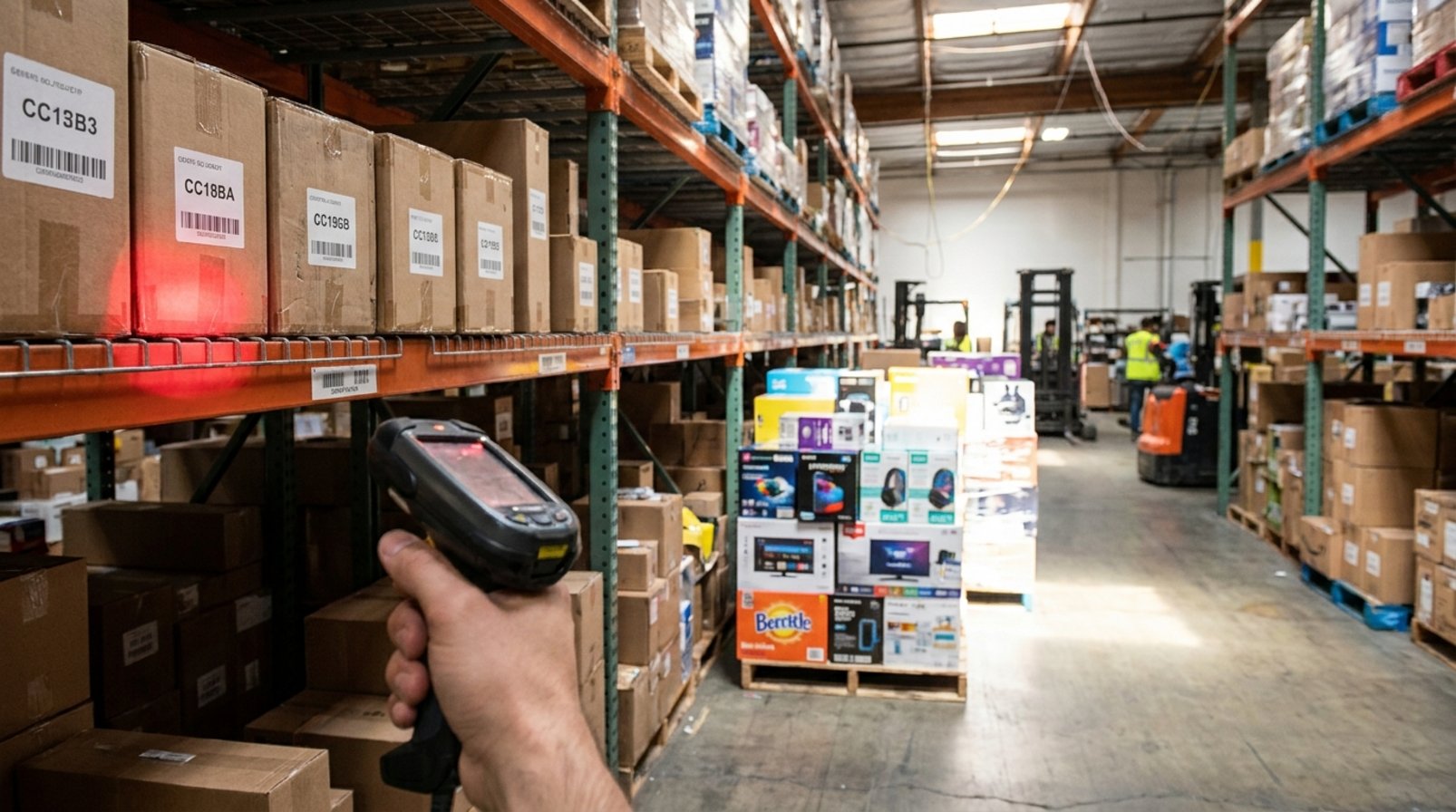
This message fits perfectly with the context of SEO and paid media moving closer together. When organic traffic is no longer the only path to driving sales, combining product data, search behavior, and ad performance helps businesses view SKUs more strategically: which products need awareness, which need conversion optimization, and which deserve budget reallocation.
Source: Search Engine Land.
Clients asking “Do we show up in ChatGPT?”: the search industry’s new question
Search Engine Land raises a scenario that many agencies and businesses are sure to encounter soon: clients asking whether their brand appears in ChatGPT. This is no longer just a curiosity-driven question, but a sign that marketing buyers are beginning to see conversational AI platforms as part of digital brand presence.

Strategically, this pulls SEO beyond the narrow scope of “ranking on Google.” Marketers need a new mindset: content, brand entities, source credibility, and data consistency may all influence whether a brand is cited or surfaced by AI.
Source: Search Engine Land.
AI in marketing: clearer benefits, but the environmental footprint is still undermeasured
Marketing Dive says a new paradox for marketers is that the more AI they use, the harder its environmental footprint becomes to see. The article emphasizes that the environmental impact of AI in marketing is still not being measured in a fully complete or standardized way.

For SEO and content teams, this is an important reminder: performance should not come at the expense of uncontrolled AI use. Mass content generation, synthetic data creation, or automated workflows may deliver speed, but businesses need to balance efficiency, quality, and sustainability in digital operations.
Source: Marketing Dive.
Meta continues to place a big bet on AI
Read more: OpenAI Expands in Georgia as Valuation Debate Grows
Marketing Dive also reflects a broader industry question: will Meta’s massive AI investment deliver proportional results? While not directly an SEO story, this development is still worth watching because it shows that all major platforms are pushing AI forward, making the content distribution game increasingly competitive.

For marketers, the takeaway is that search and social ecosystems no longer operate separately. As platforms simultaneously integrate AI, businesses must prepare for their content to be distributed, summarized, recommended, or recontextualized in many different ways.
Source: Marketing Dive.
Hot topics from the search community: AI Max, Merchant Center, and Ads-related changes
Search Engine Roundtable’s Daily Search Forum Recap shows a busy day for the search ecosystem: Google Ads AI Max for Shopping Campaigns continues to expand, Google Ads has started using AI to provide recommendations in conversion summary dashboards, and Merchant Center has added new AI features. There are also other changes related to Bing, AdSense, and ad certifications.

The common thread across these updates is that Google is pushing AI deep into operational layers, from optimization recommendations to dashboard automation. This is making the boundary between SEO, paid media, and e-commerce increasingly blurred, forcing marketers to understand both data and system logic rather than optimizing each channel in isolation.
Source: Search Engine Roundtable.
Google Ads begins showing AI recommendations in conversion summaries
Search Engine Roundtable reports that Google Ads has added AI-generated suggestions to conversion summaries. This signals that Google is expanding AI’s role from analytical support to decision support directly within advertisers’ workflows.

For marketers, the benefit is faster data processing and better opportunity detection. But the downside is that teams need to preserve independent judgment, because every automated recommendation should be checked against the budget, business goals, and real data of each company.
Source: Search Engine Roundtable.
Google updates gambling ad certification rules
Google announced that it will update the forms and certification standards for gambling ads on 26/8/2026. According to the source, new advertisers will need to use the revised form when submitting certification applications to Google.

This is an important reminder of the increasingly strict policy-compliance environment on advertising platforms. Although gambling is a much more sensitive category than many others, the broader lesson applies to all marketers: working with Google is not only about campaign optimization, but also about complying with the right standards, the right paperwork, and the right timing.
Source: Search Engine Roundtable.
SEO must align with AI search, product data and independent measurement
For Vietnamese marketers, this set of news shows that SEO is no longer a standalone “content technical department.” It is intersecting with AI search, product data, automated advertising, index management, and policy compliance. Businesses that still measure performance only by a few keywords and total traffic will easily miss the changes happening at the platform level.

In the short term, the practical priorities should be: review technical SEO to avoid spam indexation; standardize brand and product data; monitor presence across conversational AI tools; and coordinate closely between SEO, content, paid media, and e-commerce teams. In the long term, the biggest lesson is to build independent measurement capabilities so you do not rely entirely on how platforms tell their own story.
Compiled from the international sources listed above.
See more marketing news and guides at https://marketing365.vn.
Follow more updates from Marketing365 to stay up to date with the latest marketing trends.
Read more articles in the Digital Trends category.
This article focuses on the latest SEO news with a perspective for the Vietnamese market.
References
- Google Data Compares Gemini & AI Mode Use Against Daily Life
- Google’s Q2: Precise Revenue Figures, Click Claims You Can’t Check
- Google Says Why It May Ignore Robots.txt And Negatively Impact SEO
- How to revive overlooked ecommerce SKUs with Performance Max
- Your client just asked if they show up in ChatGPT. Now what?
- Marketers’ latest AI conundrum: An environmental footprint left unmeasured
- Sociable: Will Meta’s massive AI bet pay off?
- Daily Search Forum Recap: July 24, 2026
- Google Ads Recommended By Google Al In Conversion Summaries
- Google Ads Gambling Certification Applications & Standards Update On 8/26