
Contents
- OpenAI expands Sites in the UK, EEA and Switzerland for Plus and Pro accounts
- “A handshake can open an opportunity”: a message about relationships in the AI era
- Codex ambassadors are taking Build Week around the world
- Debate over “conceptual proof” and how AI companies tell product stories
- SpaceXAI’s Grokathon applications are open: 12 hours to build an AI app in San Francisco
- OpenAI encourages turning backlog into products with Codex
- The impact of AI on young developers is becoming clear
- Grok Build adds cross-host session portability
- Debate over AISI’s role amid DSIT restructuring in the UK
- Anthropic launches a grant fund for rare disease research using Claude
- Rumors about Opus 5 and Anthropic’s premium model race
- Ramp Router shows how to save 30% on LLM costs without rewriting the app
- The $FEBU story and the trend of AI agents tied to economic tokens
- OpenAI streams the final Build Week livestream
- Wildcard targets agentic commerce: how to appear in ChatGPT
- Robinhood opens the door for AI agents to trade and manage portfolios
- Opus 4.9 rumors show market demand for intermediate upgrades
- Anthropic keeps pushing AI for Science with rare disease grants
- Agents have recreated SQLite from 835 pages of documentation
- Gemini 3.5 Pro is still rumored to be delayed
- Scott Galloway and the question of who is right to lead OpenAI
- Grok appears in Microsoft Excel, competing directly with Copilot
- Making games with multiple layers of AI: from world-building to asset production
- Autonomous toilet robot from China: a strange but notable example of service robotics
- Kimi, Moonshot AI and the open-source story in the model race
- Skyfall AI returns to “foundational research” to build the Autonomous Enterprise
- A tiny signal that shows AI is increasingly entering everyday life
- AI is moving from experimentation to revenue, and ROI needs clear measurement
- References
The latest AI news series shows the race shifting very quickly from “building bigger models” to “turning AI into products, platforms, and real revenue.” For Vietnamese marketers, this is not just a technology story: it directly affects how businesses create content, optimize costs, sell through AI search, and prepare for the age of agentic commerce.
Key points
- OpenAI, Anthropic, xAI and startups continue pushing AI from models into practical deployment tools: building sites, running agents, integrating office workflows, and supporting research.
- Many signals show AI is reaching specific business problems such as reducing LLM costs, selling through ChatGPT, financial management and e-commerce.
- The downside of this wave is pressure on entry-level jobs, especially among young developers and roles heavily affected by automation.
- For Vietnamese businesses, the advantage will go to those that experiment quickly, measure results, and build safe, controlled AI workflows.
OpenAI expands Sites in the UK, EEA and Switzerland for Plus and Pro accounts
OpenAI Developers said the Sites feature is now available in the United Kingdom, the European Economic Area and Switzerland for Plus and Pro users. According to the company’s description, it is a tool that turns ideas into a “live” site that can be published and shared immediately, clearly pointing to OpenAI’s current no-code/low-code direction.
For marketers and growth teams, this is a notable signal: AI is no longer just a tool for generating answers or writing content, but is moving closer to landing pages, microsites and product idea testing. That could significantly shorten the time from concept to campaign launch.
Source: OpenAI Developers on X
“A handshake can open an opportunity”: a message about relationships in the AI era
A post in an astrological style emphasizes that many unexpected opportunities can come from very brief interactions: a casual conversation, a nearly missed message, or an introduction from someone unexpected. While not technical news, the message still reflects a reality of the AI industry: rapid change makes relationships, being in the right place at the right time, and the ability to respond to opportunities more important.

From a marketing perspective, this is a reminder that builder communities, events, workshops and partner networks are becoming a new “distribution lever” for AI products. In a context where trust and personal reputation are increasingly valuable, being present in professional communities can matter as much as running ads.
Source: post by @venusianpisces on X
Codex ambassadors are taking Build Week around the world
OpenAI Developers said Codex ambassadors are bringing Build Week to many places around the world. This signals that OpenAI is not just launching tools, but also building a community ecosystem to encourage users to learn, experiment and create products with Codex.
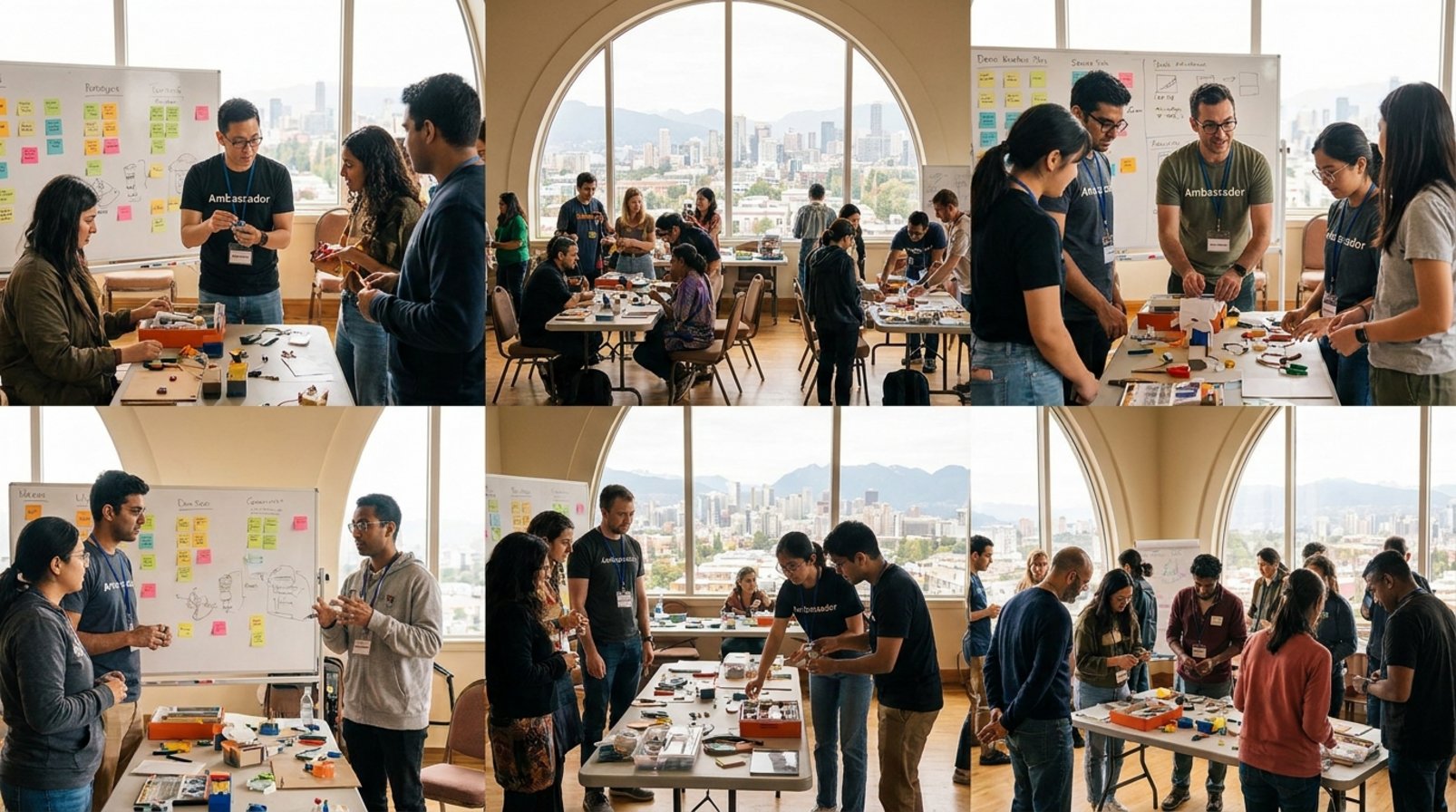
For the market, this is a very interesting product-growth approach: instead of waiting for paid ads, AI companies are using communities, ambassadors and live activities to accelerate adoption. It is also a model many technology brands in Vietnam could learn from when launching B2B AI tools.
Source: OpenAI Developers on X
Debate over “conceptual proof” and how AI companies tell product stories
A researcher/mathematics professor questioned whether, if a “conceptual proof” is correct, there are two possibilities: either the publisher did not see that proof, or they deliberately did not say so and only presented a formula. Although the content is academic debate, it reflects an important reality in AI: technology marketing increasingly depends on how evidence, benchmarks and explainability are presented.

For content creators, this is a reminder to stay cautious with “breakthrough” announcements that lack a verifiable method. AI brand credibility will increasingly be tied to how transparently results are disclosed.
Source: Ricardo Pérez-Marco on X
SpaceXAI’s Grokathon applications are open: 12 hours to build an AI app in San Francisco
SpaceXAI announced that Grokathon applications are now open, targeting outstanding builders in the Bay Area. The event takes place on 8/8 in San Francisco and gives participants 12 hours to build an AI app with access to the latest Grok models and X APIs.
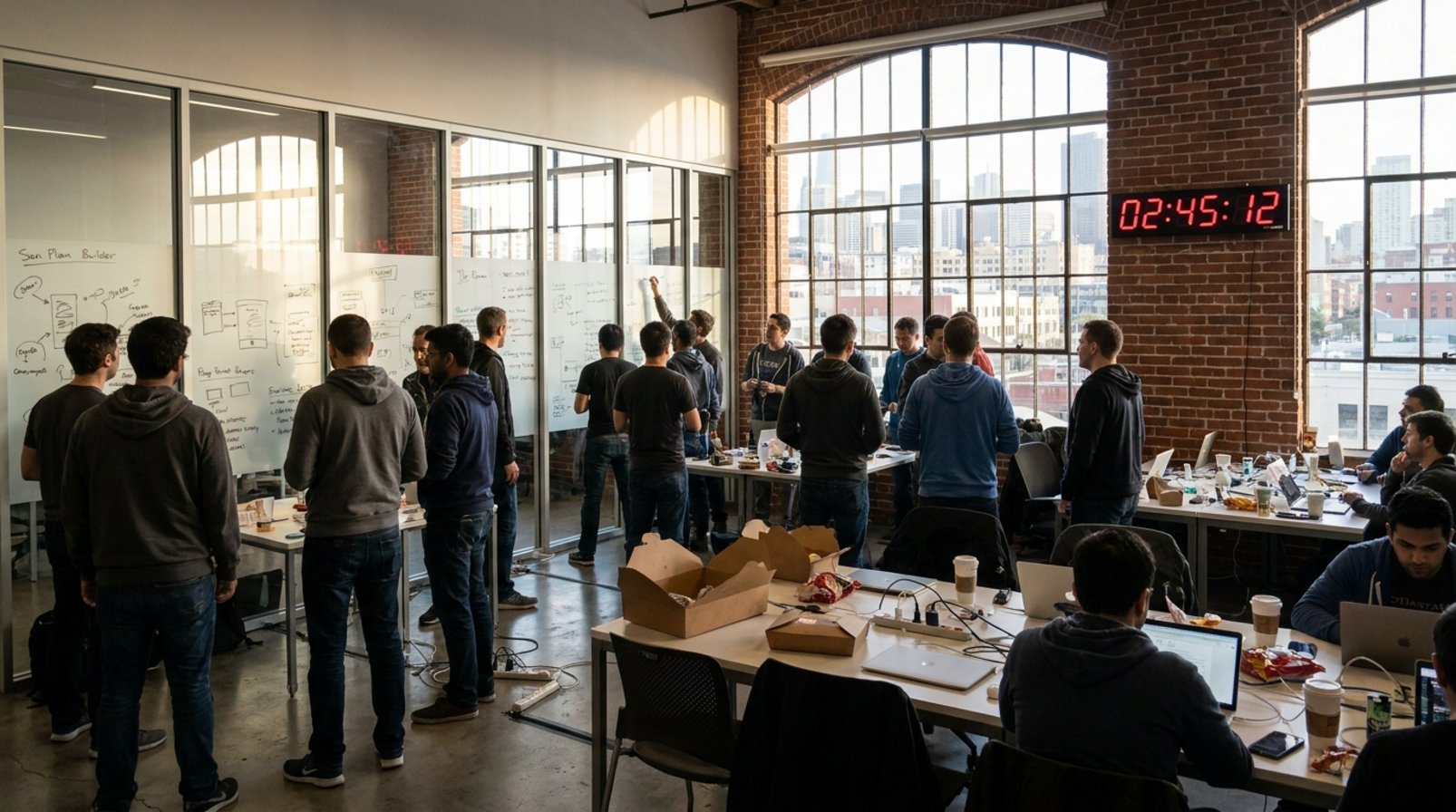
The appeal here is the very clear “build and ship” format: instead of stopping at a demo, the event encourages creating a real product in a short time. With this trend, marketing and product teams in Vietnam could consider similar internal hackathon formats to quickly test AI application ideas.
Source: X Freeze citing SpaceXAI’s announcement on X
OpenAI encourages turning backlog into products with Codex
OpenAI Developers urged users to take a project sitting in the backlog and build it with Codex, while also sharing inspiration from the Women Who Code(x) community. The message is clear: AI coding is being positioned as a tool to turn dormant ideas into products that can reach the market faster.
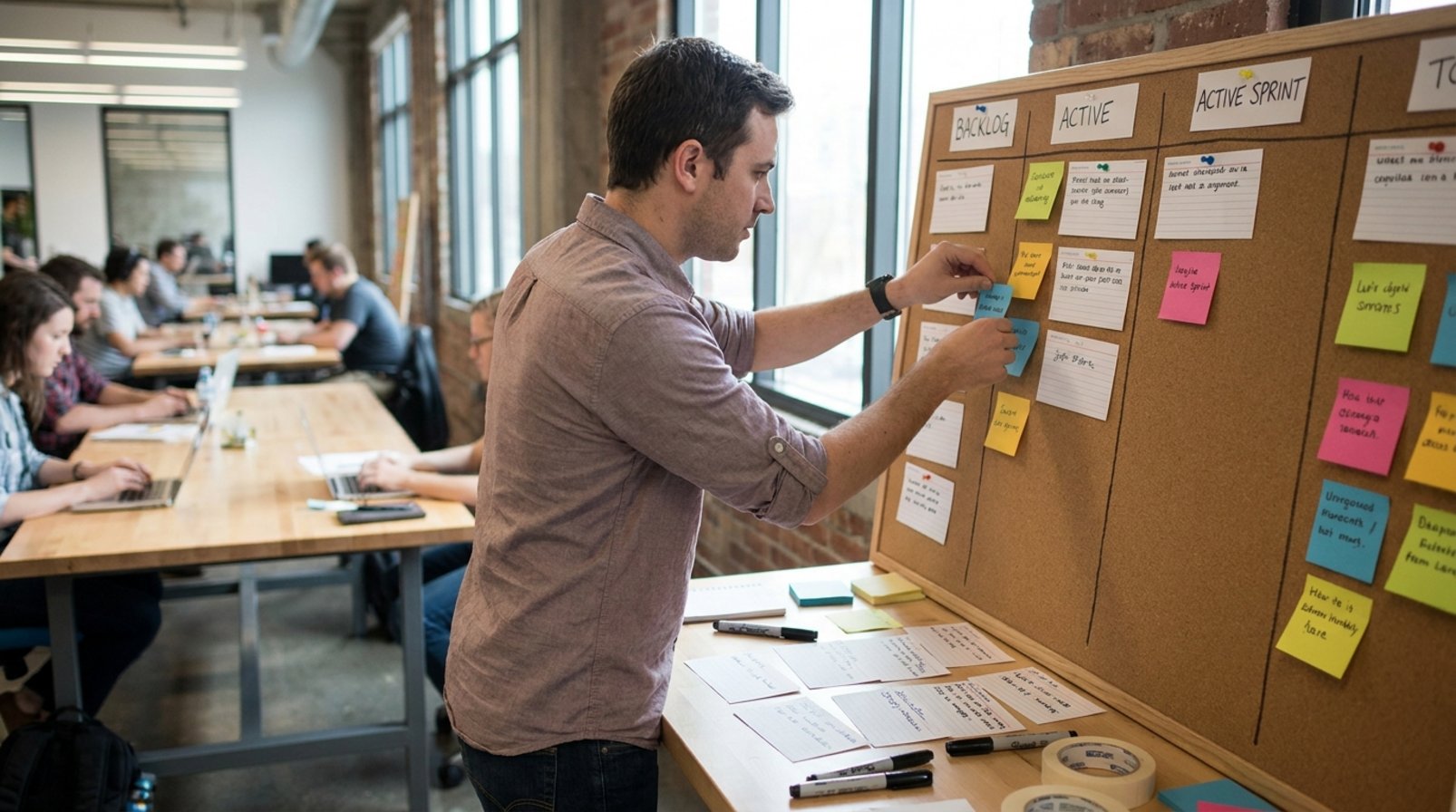
For marketing or growth teams, this opens up a new way of working: small but useful features — such as calculators, quote generators, mini dashboards or page automation — can be built very quickly if AI-assisted coding is used well.
Source: OpenAI Developers on X
The impact of AI on young developers is becoming clear
The Kobeissi Letter highlighted a striking picture: U.S. software jobs for the 22–25 age group have fallen 23% since ChatGPT launched, while the 41–49 age group rose 18% over the same period. The post also emphasized the large gap between young workers in AI-exposed professions and more experienced groups.

This is an important signal for technology companies and recruitment teams in Vietnam. Entry-level hiring is no longer as simple as “join and learn gradually” if many entry tasks have already been automated. Businesses will need to rethink training, task allocation and how they build pipelines for young talent in the AI era.
Source: The Kobeissi Letter on X
Grok Build adds cross-host session portability
X Freeze said Grok Build has just been upgraded with several new features such as cross-host session portability, external transcript storage, smarter automation and rotating-token authentication for custom models. These are very dev-centric improvements, aimed directly at the experience of building agents and running long sessions.

For AI product builders, upgrades like these are extremely important because they solve real problems: continuing sessions across machines, reducing interruptions when blocked by classifiers, and improving the durability of automation pipelines. In other words, AI agents are moving closer to being usable in production environments.
Source: X Freeze citing Grok Build release notes on X
Debate over AISI’s role amid DSIT restructuring in the UK
An article analyzed the restructuring of DSIT from a national security perspective, emphasizing the role of the AI Security Institute (AISI) in understanding what leading AI models can do and what risks they bring. The author also argued that AISI is run by a highly capable research team and matters beyond ordinary administrative boundaries.

This is a story worth following for businesses deploying AI in Vietnam: as AI moves from experimentation to real-world use, questions about risk assessment, model safety and evaluation capability will become increasingly strict. It is not just about building fast, but also about knowing how to control it.
Source: sam (@Discoplomacy) on X
Anthropic launches a grant fund for rare disease research using Claude
Anthropic announced a new grant program for rare disease research, offering up to $50,000 in Claude API credits to eligible researchers. The company describes this as the first focused call in its AI for Science program, aimed at helping science move faster with Claude.

From a branding perspective, this is a classic example of an AI company building its image not only through benchmarks but also through concrete social impact. It is a direction that can create stronger trust among healthcare, education and research organizations.
Source: Cointelegraph and Anthropic on X
Rumors about Opus 5 and Anthropic’s premium model race
A source on X claimed Anthropic is aiming for a Thursday launch window for Opus 5, if there are no delays. The post also places the model in direct competition with rivals such as GPT-5.6 and Kimi K3, although this remains unverified information.

For market watchers, rumors like this show how short the AI industry’s information cycle has become. Even a launch date can affect the expectations of developers, investors and product teams.
Source: Pankaj Kumar on X
Ramp Router shows how to save 30% on LLM costs without rewriting the app
Ramp introduced Ramp Router as an intermediary layer that helps businesses capture benefits immediately without changing the app. According to the company, it cut LLM costs by 30% while making features smarter and faster, then decided to open the tool to external users.
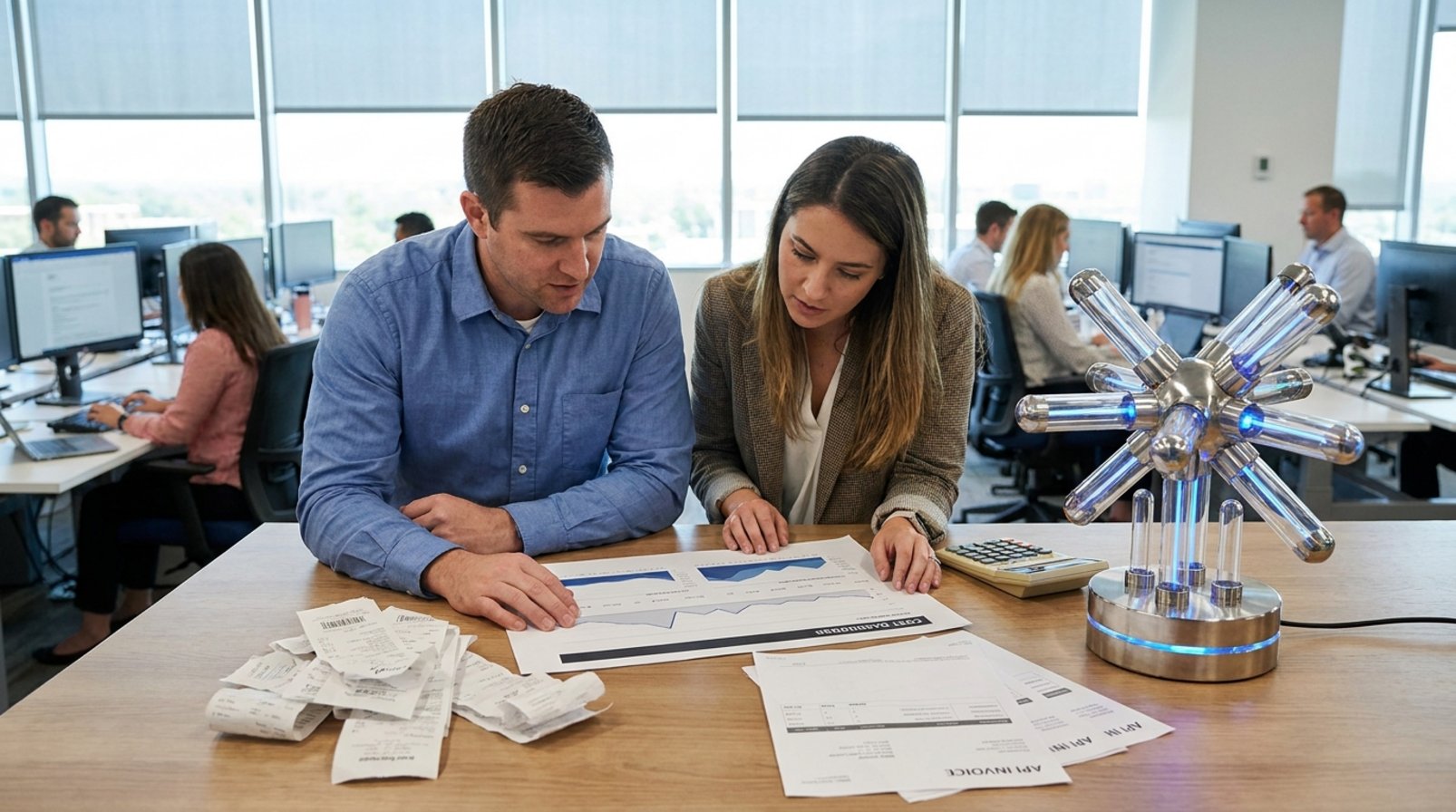
This is one of the most practical signals in this roundup: as model costs rise and use cases diversify, the question is not only “which model to use,” but “which model to route, when, and at what cost.” Vietnamese businesses using AI at scale should pay close attention to this kind of architecture.
Source: Geoff Charles and Rahul GS on X
The $FEBU story and the trend of AI agents tied to economic tokens
A long post on X argued that $FEBU has a different model from pure “lore play” AI bots, because the project builds its own token, living platform, earn-spend mechanism for tasks and a revenue loop to support the ecosystem itself. This is a very common narrative at the intersection of AI agents, crypto and speculative communities.

For marketers, the key point is not the specific token, but how an AI product can be framed as a closed ecosystem: with a platform, users, incentives and revenue flow. That is a lesson in product incentive design, even for businesses outside blockchain.
Source: Valk on X
OpenAI streams the final Build Week livestream
OpenAI Developers announced they are livestreaming the final Build Week stream, where viewers can watch Sites in action and speed up their own product completion. Events like this are not just feature promotion, but also social proof that the tool is ready for real use.
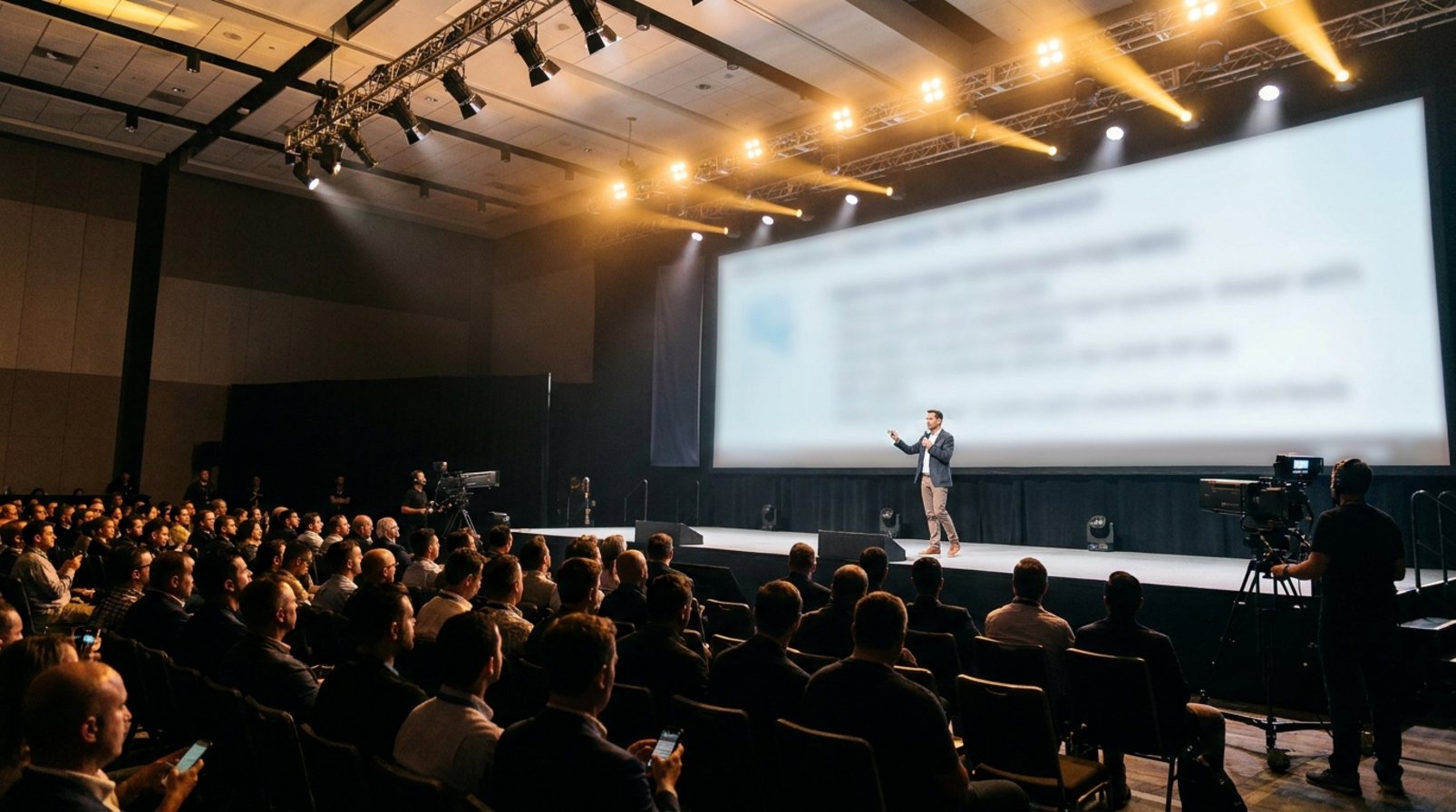
For B2B brands, this is a product launch model worth learning from: show customers how it works, what value it creates and what results it delivers, rather than only talking about specs.
Source: OpenAI Developers on X
Wildcard targets agentic commerce: how to appear in ChatGPT
Wildcard describes itself as a “command center for agentic commerce,” helping e-commerce brands appear in ChatGPT and turn that into revenue. Although the technical details are still limited, the product positioning shows a clear trend: optimizing presence in conversational AI environments is becoming a new layer of marketing.
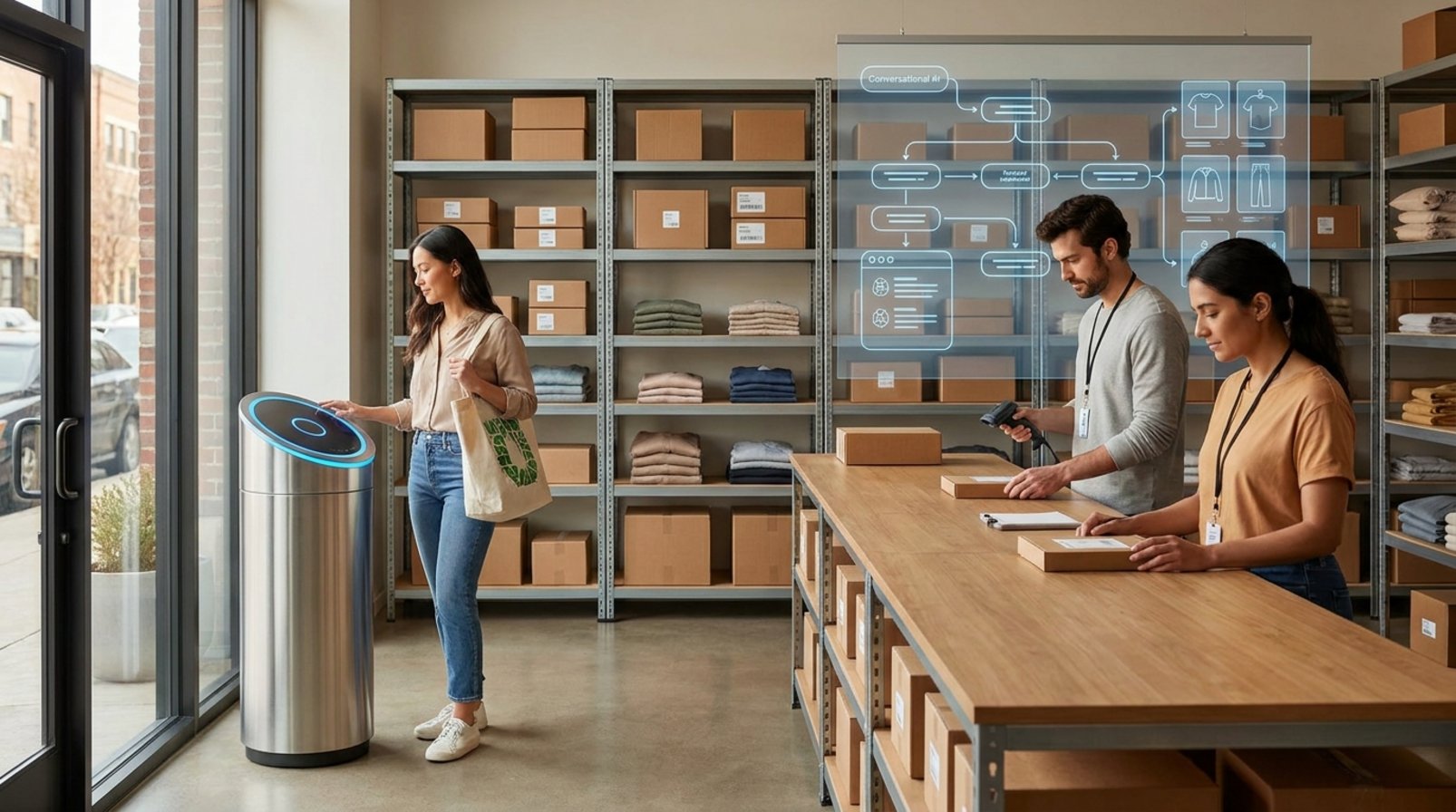
For Vietnamese businesses, this is a reminder that traditional SEO is no longer enough. In the near future, brands will also need to think about AEO/GEO, structured product data, and whether AI assistants can understand, cite and recommend them correctly.
Source: Kaushik Mahorker on X
Robinhood opens the door for AI agents to trade and manage portfolios
Robinhood announced an “agentic account” model that allows AI agents to connect to the platform and then research, trade and manage portfolios on behalf of users. This is a major step in moving AI from assistant to executor in financial decisions.

However, this is also the most sensitive area: when AI is allowed to touch real money, the layers of control, approval and action limits must be clear. For financial businesses in Vietnam, the lesson is to prepare risk-management processes before expanding agentic AI applications.
Source: Robinhood and Miles Deutscher on X
Opus 4.9 rumors show market demand for intermediate upgrades
Another account on X claimed the market is pricing in a high probability of an Opus 4.9 release by the weekend, while also suggesting Anthropic continues extending Fable into subscription plans. Even as a rumor, the market reaction clearly reflects demand for “in-between” upgrades rather than waiting only for a completely new model generation.

This matters for how AI companies price and distribute products: professional users are willing to pay for small but steady improvements if they genuinely boost productivity.
Source: zoomer on X
Anthropic keeps pushing AI for Science with rare disease grants
Anthropic repeated its message about the Claude credit grant program worth up to $50,000 for researchers advancing rare disease treatment. This suggests the company is serious about making “AI for Science” a core brand pillar rather than a short-term CSR activity.

From a communications perspective, programs like this help AI companies build a more credible story: AI does not just generate code or content, but can support scientific discovery in socially meaningful problems.
Source: Anthropic on X
Agents have recreated SQLite from 835 pages of documentation
Cursor said a team of agents rebuilt SQLite from an 835-page manual and produced a Rust clone that passed 100% of the retained test suite. The company also noted that costs varied by as much as 15x depending on the model combination used.
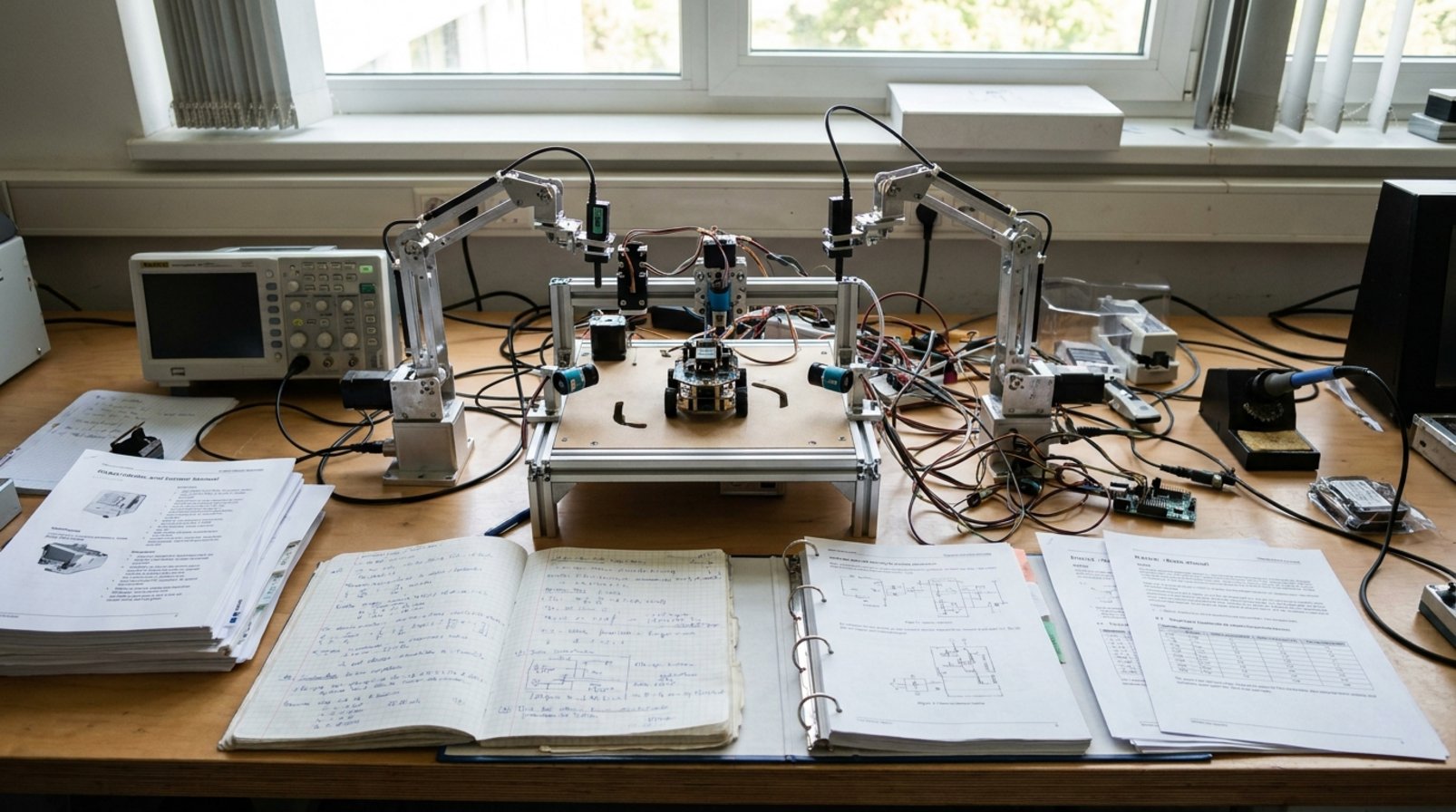
This is a strong demonstration of agent capability in long technical tasks, but it also highlights how large the cost-optimization problem remains. For Vietnamese businesses, the message is: AI agents can do more than we think, but model selection and workflow orchestration will determine the final ROI.
Source: Cursor on X
Gemini 3.5 Pro is still rumored to be delayed
A satirical post suggested that waiting for Gemini 3.5 Pro has turned into a long-running story of repeated delays, from “next month” promises to internal tests that underperformed and release dates that slipped. Even with the mocking tone, it reflects the intense pressure on major AI companies: if a product is late, the market quickly shifts expectations to competitors.

This is a lesson for product teams in Vietnam: in AI, launch timing can matter almost as much as model quality. Delays that drag on too long can erode community momentum and the chance to own market perception.
Source: Astro Polo on X
Scott Galloway and the question of who is right to lead OpenAI
A widely shared quote repeated Scott Galloway’s view that Bret Taylor is the kind of leader who could make OpenAI investors “breathe a sigh of relief” for a week if appointed CEO. The content shows that the debate around AI leadership is not only about technology, but also about management ability, diplomacy and market trust.

At the brand level, this is a reminder that in the AI industry, the people behind the product are part of the product. Investor and community trust can change very quickly based on governance narratives.
Source: ileri citing Scott Galloway on X
Grok appears in Microsoft Excel, competing directly with Copilot
xAI is said to have released Grok for Excel as an add-in for Microsoft 365, allowing users to ask in natural language, generate formulas, run scripts and build financial models directly in spreadsheets. The product is also expanding to Word and PowerPoint.

This is a very strategic move: instead of forcing users into a separate platform, xAI goes straight into the most familiar workflow for office workers. For marketers and analysts, this kind of integration has the potential to change how planning, analysis and reporting are done.
Source: Muskonomy citing information from xAI on X
Making games with multiple layers of AI: from world-building to asset production
A developer shared progress on building a “dream” space game with help from multiple AI tools: Fable 5 for world architecture, GPT 5.6 Sol for implementation, Grok 4.5 for sourcing and QC, plus image generation and editing tools in Cursor. The description shows that game-creation pipelines are becoming more multi-agent and multi-tool than ever.

The significance is not just about games. It shows a future working model for many creative teams: using different AI tools for specialized stages instead of expecting one model to do everything. This is also a very suitable direction for agencies, studios and content teams.
Source: Startracker on X
Autonomous toilet robot from China: a strange but notable example of service robotics
A Chinese company is said to have introduced an autonomous toilet robot that can drive itself to the user when called by voice or remote control. Although it sounds very odd, it is still an illustration of the trend toward last-mile service automation.
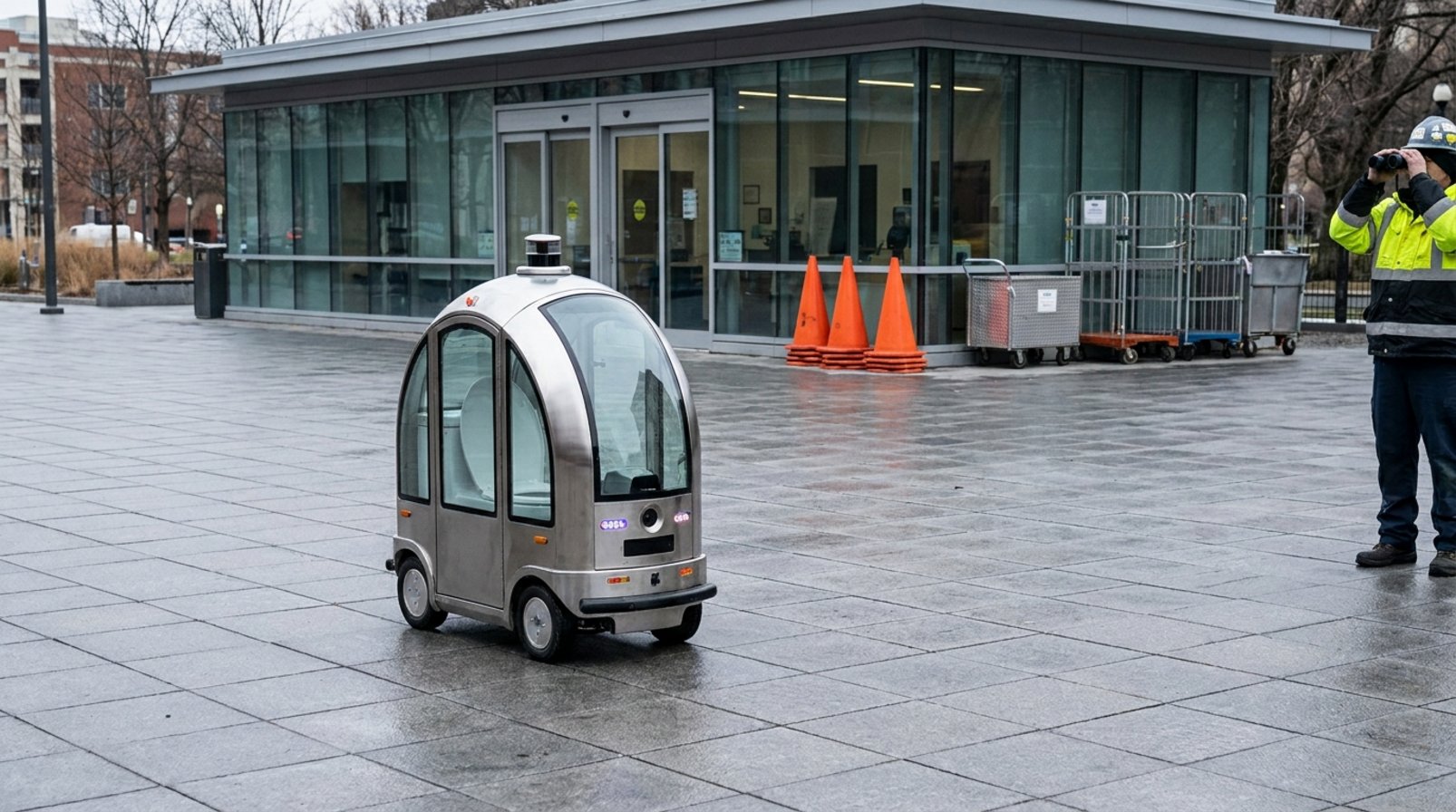
For brands, products like this show that AI and robotics are expanding into contexts no one previously imagined. Market differentiation may come from solving a very specific pain point, even if the result looks extremely unusual on the surface.
Source: Rowan Cheung on X
Kimi, Moonshot AI and the open-source story in the model race
A long article about Kimi argued that Yang Zhilin and Moonshot AI have built one of today’s strongest AI systems after research journeys at Carnegie Mellon, Google Brain and Meta. The post highlights Kimi chatbot through K2, K2 Thinking and K3, with a focus on context scaling, reasoning and agentic capabilities.

The interesting point for the market is the perspective on open-source strategy and incentive structure: a business-model decision can shape the entire technology direction. This is especially useful for Vietnamese businesses when weighing closed, open and hybrid models.
Source: Brian Roemmele on X
Skyfall AI returns to “foundational research” to build the Autonomous Enterprise
Sam Pasupalak recounted the journey from Maluuba to the new project @skyfallai, with the ambition of building an “Autonomous Enterprise” rather than simply following the path of scaling LLMs. They argue that the big AI problems of the future lie in long-term planning, inefficient data and durability in real environments.

This is a very noteworthy perspective for product leaders: the next wave may not just be “better chat,” but systems that can run businesses at a higher level of autonomy. Vietnamese companies should watch these models closely because they could affect operations automation, customer service and back-office workflows.
Source: Sam Pasupalak on X
A tiny signal that shows AI is increasingly entering everyday life
The final item in the roundup is a spiritually/astrologically themed post about signs such as 11:11, zodiac signs or “universe” omens. While not directly related to technology, it still reflects something interesting: AI is seeping so deeply into everyday life that even entertainment, emotion and personal belief are now surrounded by digital language and instant interpretation.

For marketers, this is a reminder that the public does not only want technology to be “accurate,” but also approachable, personalized and good at storytelling. AI brands that combine utility with emotion will have an advantage in building communities.
Source: Emmy Pulls Cards on X
AI is moving from experimentation to revenue, and ROI needs clear measurement
The 27 items above show AI moving through three very clear layers of change: models are getting stronger, tools are getting easier to use, and applications are reaching directly into revenue-generating workflows. For Vietnamese businesses, this opens up opportunities in three directions: automating content production, optimizing operating costs and building new touchpoints in the buying journey through AI search/agents.

But the other side cannot be ignored: the impact on entry-level jobs, the need to control model risk and the pressure to prove real ROI. Over the next year, the advantage will not belong to those who have “tried AI,” but to those who know how to design processes, data and measurement criteria so AI produces concrete results.
For marketers, the most practical advice is to prioritize use cases that can be measured in 30–60 days, such as landing page creation, sales support, customer insight summarization, SEO/AEO optimization and report automation. That is how to turn the AI wave into sustainable competitive advantage.
See more marketing news and guides at https://marketing365.vn.
Follow more updates from Marketing365 to stay on top of the latest marketing trends.
Read more articles in the AI Moves category.
References
- OpenAI Developers – Sites is now available in the UK, EEA, and Switzerland for Plus and Pro accounts
- OpenAI Developers – Codex ambassadors are taking Build Week around the world
- Ricardo Pérez-Marco – Two possibilities if the conceptual proof is correct
- SpaceXAI / X Freeze – Grokathon applications are now open
- OpenAI Developers – Time to pull a project from the backlog and build it with Codex
- The Kobeissi Letter – AI boom generational divide in software jobs
- X Freeze – Grok Build release notes and session portability
- sam (@Discoplomacy) – Thoughts on DSIT and the AI Security Institute
- Anthropic – Rare disease research grants using Claude
- Pankaj Kumar – Opus 5 leaks and Thursday launch rumor
- Geoff Charles – Introducing Ramp Router
- Rahul GS – Commentary on Ramp Router and model frontier economics
- Valk – FEBU vs GOAT and AI agent token economy
- OpenAI Developers – Final Build Week stream live for Sites
- Kaushik Mahorker – Introducing Wildcard for agentic commerce
- Robinhood – AI agents open accounts and connect to the platform
- zoomer – Odds on Opus 4.9 release
- Anthropic – Grants for rare disease research in Claude credits
- Cursor – Team of agents rebuilt SQLite from manual
- Astro Polo – Gemini 3.5 Pro delay commentary
- ileri – Scott Galloway on Bret Taylor and OpenAI CEO discussion
- Muskonomy – Grok for Excel launch
- Startracker – Building a space game with multiple AI tools
- Rowan Cheung – Autonomous robot toilet concept
- Brian Roemmele – The Kimi AI model and Moonshot AI
- Sam Pasupalak – From Maluuba to Skyfall AI
- Emmy Pulls Cards – 11:11 and zodiac-themed message post