Contents
As of July 2026, two developments abroad – a long-term memory framework that lets robots recall complex spaces, and a renewed push to keep teenagers safe online – point the same way: AI is moving from a content-creation tool to experience infrastructure. For Vietnamese marketers, that shift raises the bar on retrievable content, personalization, and the brand-safety standards audiences will increasingly demand.
Robots can “remember” where things were placed: a step forward for spatial AI
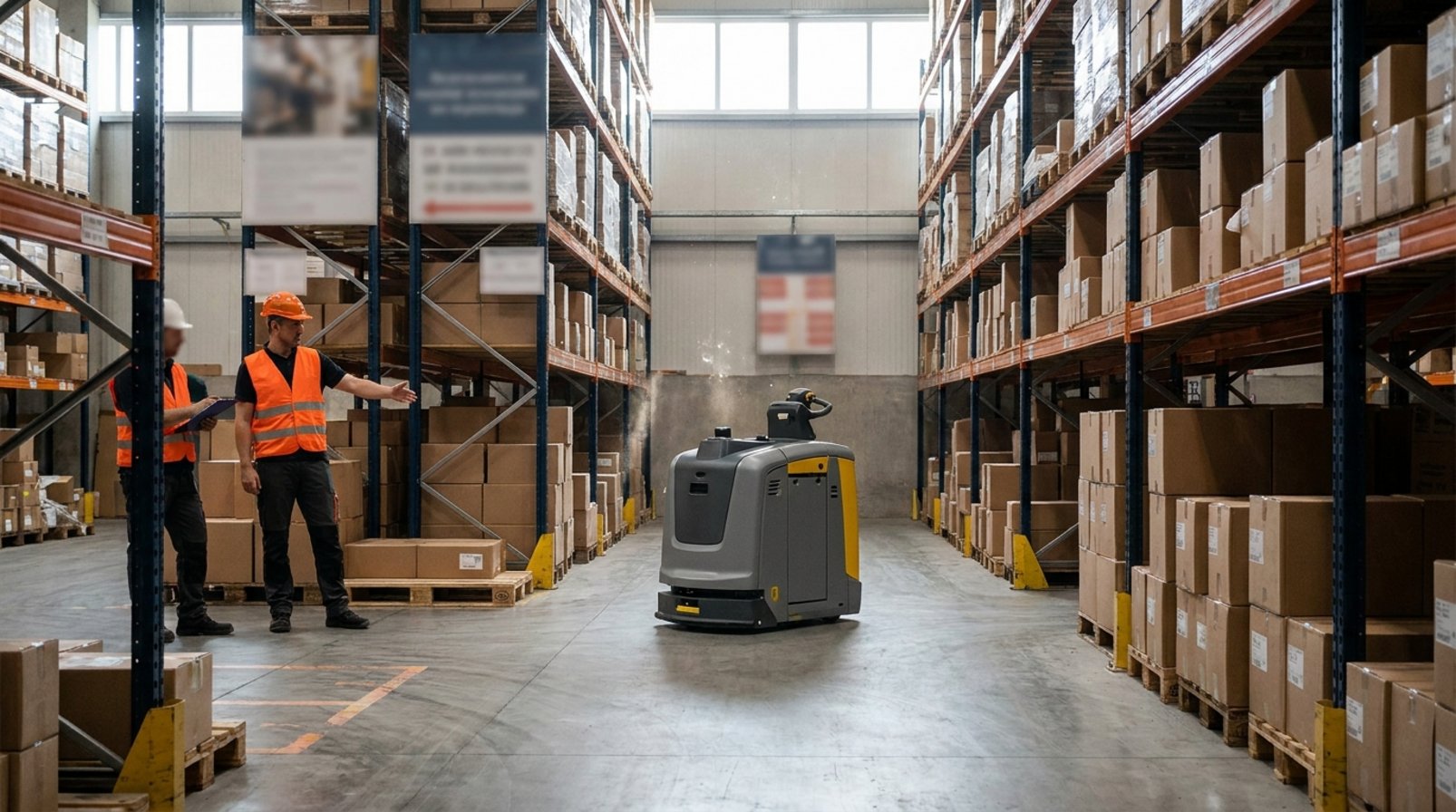
According to MIT News, MIT researchers have developed a long-term memory framework that helps robots quickly form and retrieve mental models of complex, large-scale environments. What stands out is that robots do not just remember routes or object locations in a simple map-like way; they can also retain context-rich information to answer questions in natural language.
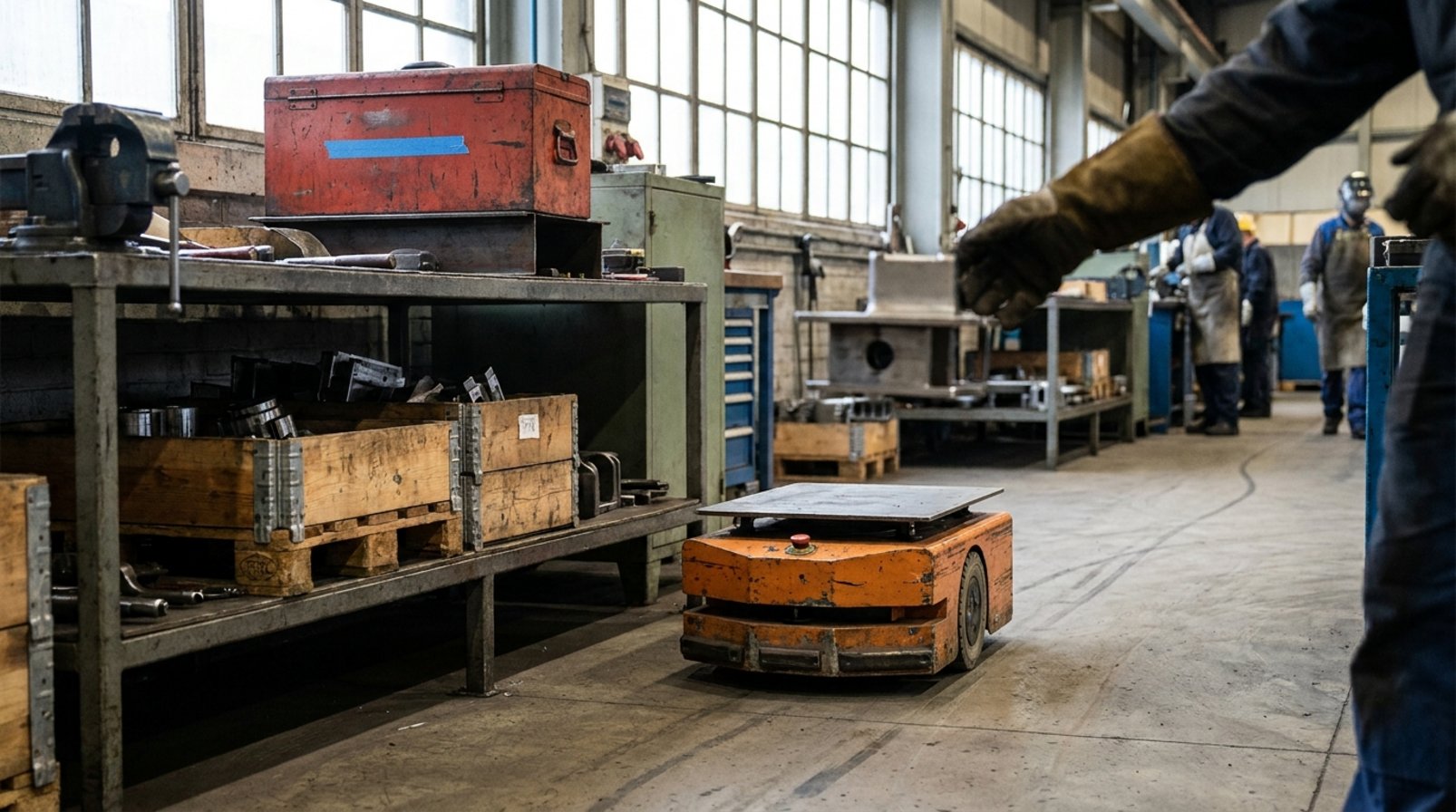
In the example MIT gave, a factory worker could remember where they left a component the night before and go back to retrieve it. Robots, which often struggle with this kind of “spatiotemporal memory,” can now move closer to working alongside humans in the same operational space. The new system is described as fast enough for real-time use on mobile robots and as delivering more accurate answers than existing state-of-the-art methods.
In terms of applications, this does not only open up prospects for industrial robots. MIT also says the technology could be useful in augmented reality systems, where understanding spatial context and querying information in natural language are becoming increasingly important. Source: MIT News.
AI and teen safety: the trust challenge for digital platforms
A report from Spectrum News highlights another side of AI: protecting young users in an increasingly complex digital environment. Although the source data does not provide the full article, the headline and context suggest the focus is on how to keep teenagers safe as AI becomes more deeply embedded in platforms, apps, and online interactions.
Read more: Why AI Is Becoming a Path Choice, Not a Brand Choice

For marketers, this is a reminder that being “noticed” is not enough; brands must prove responsibility. As AI takes part in content personalization, chatbots, advertising automation, or content delivery for younger audiences, questions around content control, data transparency, and protecting vulnerable users will face greater scrutiny. Brands that get ahead by setting ethical boundaries and digital safety standards will often have a long-term trust advantage.
From a communications perspective, this also means campaigns tied to family, education, consumer technology, or teen products need to be designed more carefully: clear messaging, safe interaction mechanisms, and no misuse of AI to manipulate behavior. Source: Spectrum News.
Read more: Trust Is Becoming the Real Competitive Advantage in AI-Era Marketing
AI is moving from content creation tool to experience infrastructure
These two stories may look very different on the surface, but they point to one important common theme: AI is moving from a “content creation tool” to an “experience infrastructure.” For Vietnamese businesses, that has three main implications.
Read more: AI Is Becoming a Hands-On Communications Capability — What It Means for Marketers
- First, AI will increasingly shape how users search for, understand, and remember product information. Brands need to prepare clear, context-rich, easily retrievable content rather than optimizing only for keywords.
- Second, omnichannel experiences will need an added layer of safety and transparency, especially when reaching younger audiences or using AI for personalization.
- Third, AI applications in advertising, retail, logistics, or AR should be evaluated not only by efficiency, but also by trustworthiness, explainability, and their long-term impact on the brand.
In other words, AI does not just help brands “work faster”; it also forces marketers to work more carefully: carefully with data, carefully with ethical boundaries, and carefully with how trust is built. That is the real sustainable advantage in a period when advertising is moving into an AI-first era.
Explore more marketing analysis and playbooks at Marketing365.
Read more articles in the Digital Trends category.
References
- Could AI tell you where you left your keys?
- Keeping teens safe in a world with artificial intelligence