
Contents
- Google Reviews disappear in bulk: a worrying signal for Local SEO
- Google Business Profile tightens repeated violations with an additive approach
- Google tests a new Local Places layout: a UI race for local search experience
- Google Doodle for U.S. Independence Day: a reminder of brand power on the search page
- Google Hotel Ads will discontinue third-party rates from late September
- Microsoft Advertising opens beta for Performance Max experiments
- Competition for branded traffic: competitors are not just buying keywords
- Microsoft continues to reinforce the point: ranking and citation are different tasks
- Standardize business information to avoid search policy mismatches
- References
Recent developments from Google and Microsoft show that SEO and search advertising are changing rapidly across local visibility, hotel ads, and Performance Max campaign testing. For Vietnamese marketers, these updates affect not only traffic, but also directly impact trust, conversion rates, and how risk is managed across search platforms.
Key points
- Many businesses are reporting that the number of reviews on Google Business Profile has disappeared in large numbers, and Google has acknowledged this as an issue that needs to be fixed.
- Google continues to tighten repeated violations on Business Profile through a cumulative penalty or restriction mechanism.
- The Local/Places interface, Hotel Ads, and Google and Microsoft’s PMax advertising tools are all seeing changes or new tests.
- Marketers need to closely monitor brand reputation, comply with policies, and prepare for multi-platform optimization.
Google Reviews disappear in bulk: a worrying signal for Local SEO
Over the past few days, the Google Business Profile community has recorded many reports of reviews disappearing from local business profiles. According to Search Engine Roundtable, the impact varies widely: some places lost a few reviews, while others lost thousands. Google is said to have confirmed it is aware of the issue and is working on it.
What stands out is that many business owners say their profiles had previously been spammed or attacked with fake reviews, after which all reviews disappeared and new reviews have not yet returned to normal. For local SEO, this is a clear warning that review volume is not just a surface-level metric; it is also tied to trust, visibility, and conversion at the local touchpoint.
Source: Search Engine Roundtable.
Google Business Profile tightens repeated violations with an additive approach
For Vietnamese businesses, this wave of news points to three very clear priorities. First, Local SEO must be managed as a living asset: reviews, business profiles, customer responses, and trust signals need to be monitored regularly. Second, businesses should not rely too heavily on a single ad feature or one visibility channel, especially in travel, retail, and local services. Third, as Google and Microsoft both accelerate AI and new format testing, marketing teams need to read data through a full-funnel lens: from visibility and consideration to conversion, rather than looking only at keyword rankings.

Google appears to be taking a stricter approach to profiles that continue violating the same policy. According to a report cited from Search Engine Roundtable, if a Business Profile has already been restricted for 30 days and then violates again, the restriction may be extended further, meaning it is added cumulatively rather than treated as a separate new violation.
The example shared shows that Google may apply restrictions to reviews and ratings when it detects review behavior involving incentives or policy non-compliance. This underscores a reality: “shortcut” tactics such as buying reviews, offering gifts in exchange for ratings, or creating fake signals can leave consequences that last far longer than the short-term benefit.
Source: Search Engine Roundtable, LinkedIn post by Ben Fisher.
Google tests a new Local Places layout: a UI race for local search experience
Google continues to test a new layout for the Local Places section. While the original post did not reveal many technical details, Google’s ongoing interface adjustments for the local area show that the company is still trying to balance business information, maps, reviews, and conversion touchpoints.

For local SEO professionals, interface changes are not just a matter of aesthetics. When the way results are presented changes, the order of user attention changes too: reviews, directions, opening hours, photos, or the call button may be prioritized differently. That means businesses need to optimize profiles to be complete, consistent, and action-friendly rather than focusing only on keywords.
Source: Search Engine Roundtable.
Google Doodle for U.S. Independence Day: a reminder of brand power on the search page
Read more: When Trust Becomes the Bottleneck, Content Marketing Changes
Google also rolled out a Doodle celebrating July 4, 2026, with a message marking 250 years of the United States. This is not an SEO update in the technical sense, but it is a familiar reminder of the power of Google’s homepage in shaping user attention and behavior.
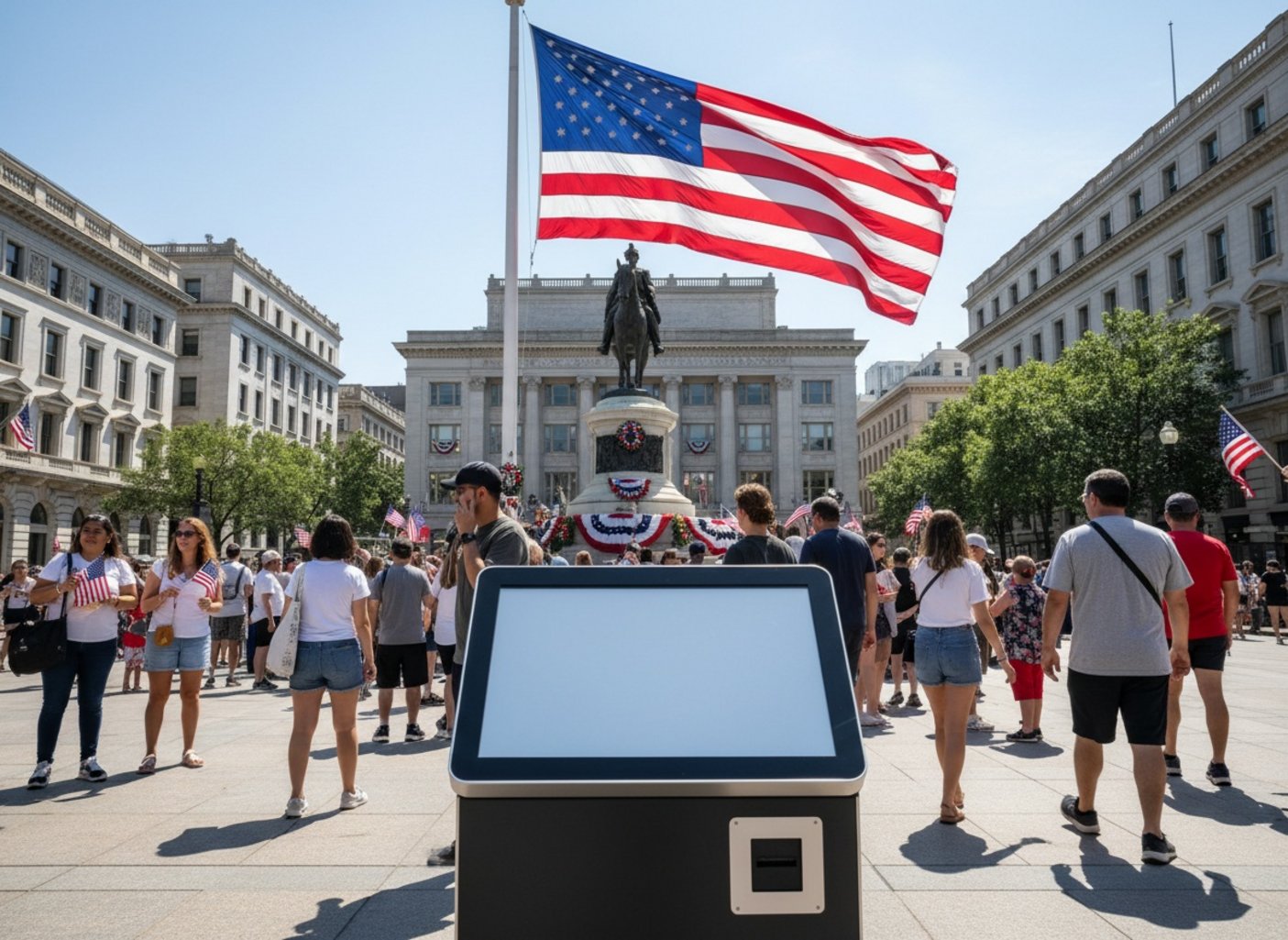
As search becomes increasingly fragmented by AI, maps, video, and local results, the “share of voice” on the SERP or within Google’s product surfaces still carries major brand value. For marketers, this is an opportunity to see SEO not only as a traffic-driving tool, but also as part of a brand presence strategy.
Source: Search Engine Roundtable.
Google Hotel Ads will discontinue third-party rates from late September
Google announced that the third-party rates feature for Hotel Ads will no longer be available after September 30, 2026. According to the original article, related campaigns will stop appearing across the entire Hotel Ads inventory; Performance Max for Travel Goals will continue to run through other channels such as Search, Display, and YouTube.
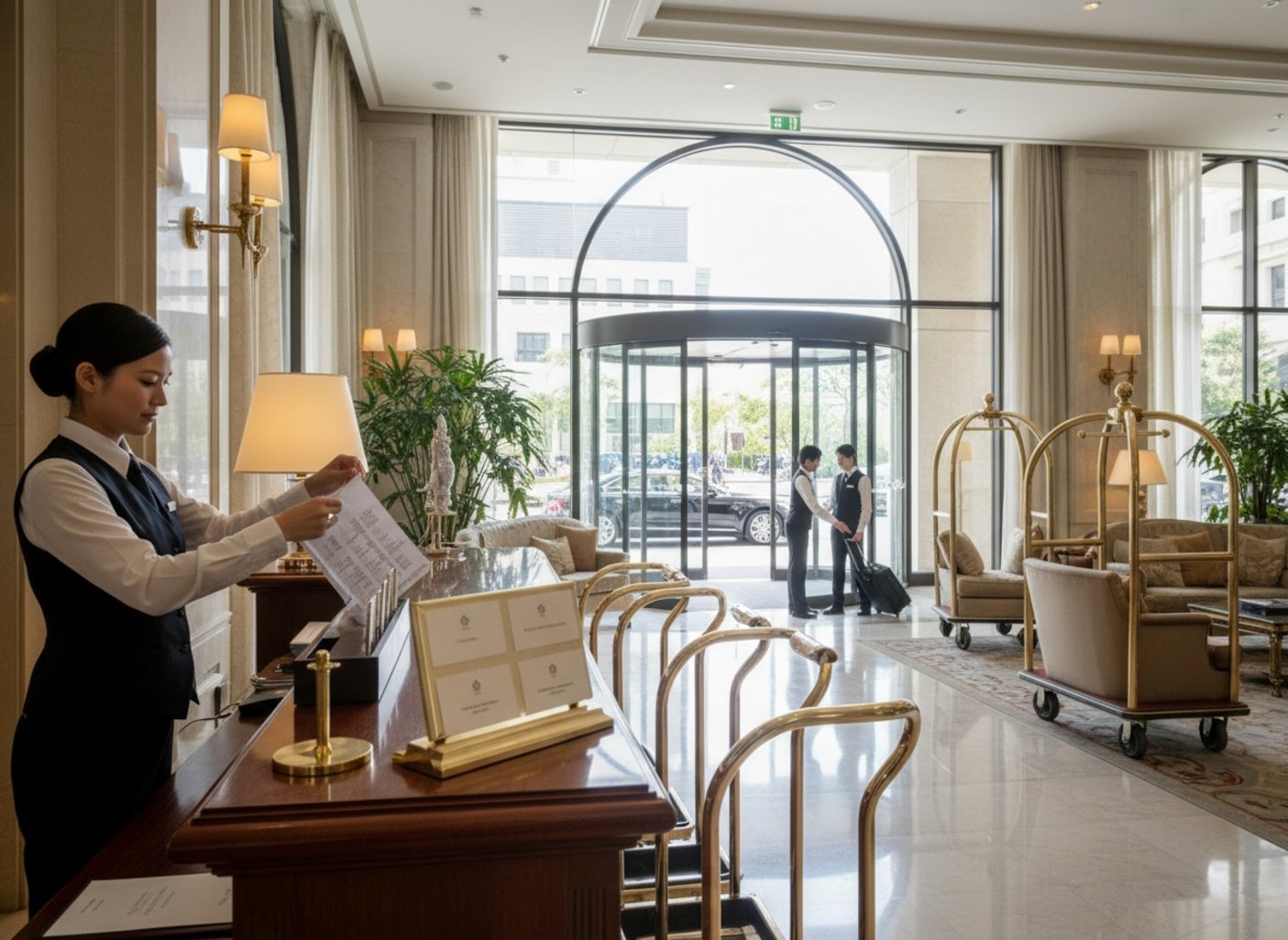
The key message here is that relying on a middle-layer feature always carries the risk of change or removal. For travel brands, hotels, OTAs, or performance marketers in the travel industry, it is important to review campaign structure, pricing sources, and distribution plans early to avoid disruption as the September 30 deadline approaches.
Source: Search Engine Roundtable, Google Support.
Microsoft Advertising opens beta for Performance Max experiments
Not only Google, but Microsoft Advertising is also pushing measurement capabilities with new beta features for Performance Max experiments. According to Navah Hopkins, there are two main directions: comparing the performance of a PMax campaign against another campaign, and measuring the real incremental growth when running PMax in an experimental model.

This is notable because the biggest challenge with Performance Max has long been transparency in performance and the ability to prove incrementality. When a major platform continues investing in experimentation, marketers gain more tools to make decisions based on data rather than intuition.
Source: Search Engine Roundtable, LinkedIn post by Navah Hopkins.
Competition for branded traffic: competitors are not just buying keywords
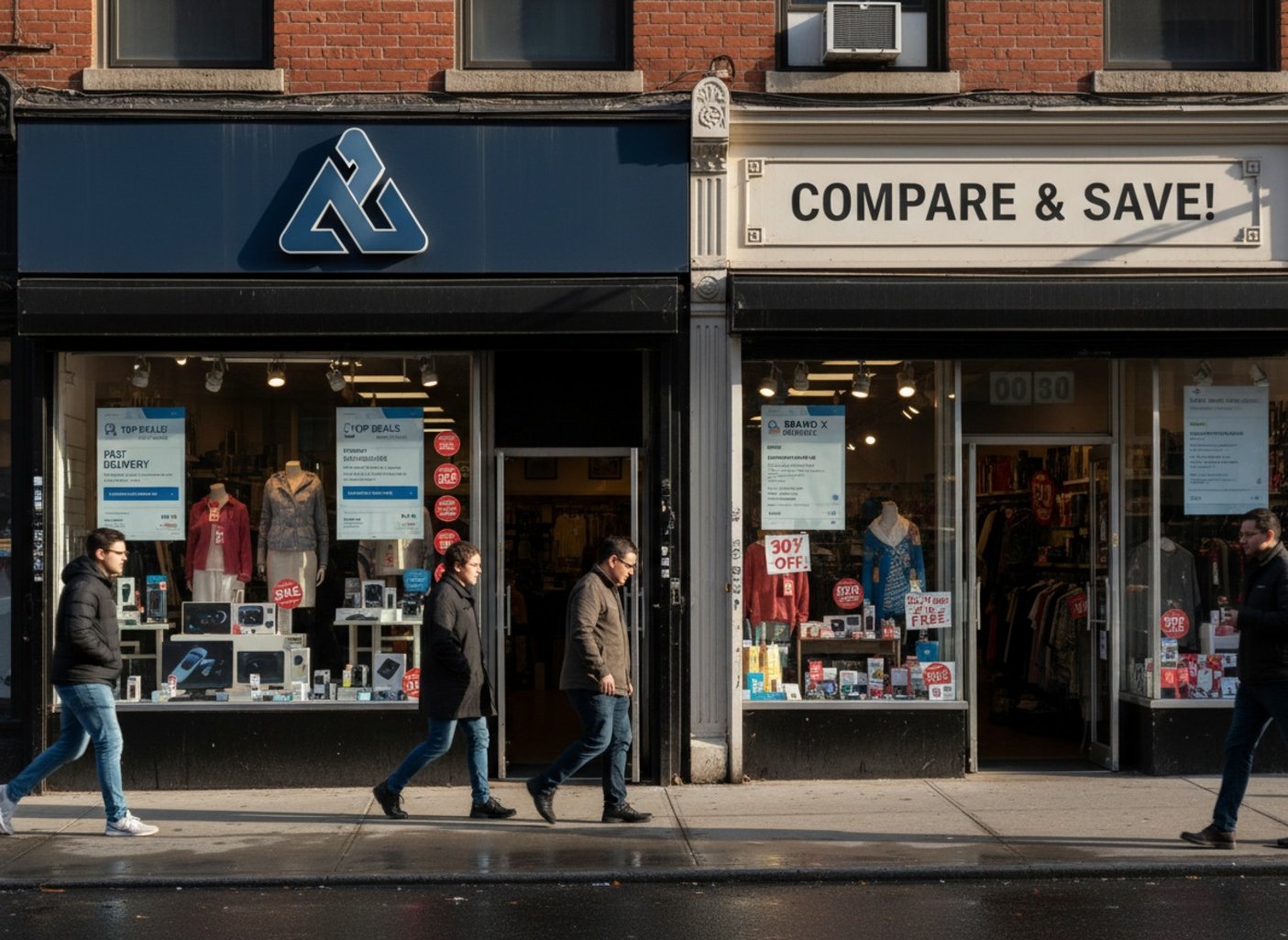
Search Engine Land analyzes a reality many brands have experienced: competitors are not only bidding on brand keywords, but also combining comparison landing pages, dynamic keyword insertion, and policy gaps to appear alongside your results. This approach may not clearly violate ad policies, but it can still erode the conversion rate of branded traffic.
Read more: SEO Is Going Multi-Surface: What Search, Social, AI, and Commerce Mean for Marketers
Strategically, this is a reminder that protecting your brand in search requires a broader view than keyword bidding alone. Businesses should monitor branded queries, review competitors’ comparison landing pages, and assess whether their own ad copy is persuasive enough at the consideration stage.
Source: Search Engine Land.
Microsoft continues to reinforce the point: ranking and citation are different tasks
A Search Engine Journal analysis argues that Microsoft has just “proved” a point long discussed in the search industry: ranking a page and citing a piece of content are two different tasks. The appearance of Web IQ in Build 2026 and AI citation data in Bing Webmaster Tools show that the platform is gradually separating traditional blue links from AI-generated answer layers.

What does this mean in practice for SEO? Useful content may no longer win in exactly the same way as before. SEO professionals need to track new signals related to citations, the likelihood of being selected as a source, and how content is displayed in a search environment that blends links and AI.
Source: Search Engine Journal, Bing Blogs.
Standardize business information to avoid search policy mismatches
This reality also shows that Vietnamese businesses need to build policy-checking processes, standardize business information, and invest in content that can build trust. In a search environment that is constantly changing, sustainability comes from doing things right from the start rather than handling a crisis after the system has already changed.

Explore more marketing analysis & guides at Marketing365.
Follow Marketing365 for ongoing marketing analysis.
Read more articles in the same category Digital Trends.
This article focuses on latest SEO news with a perspective for the Vietnamese market.
References
- Google Local Reviews Go Missing For Many Businesses
- Google Business Profile Restrictions & Penalties Are Additive
- Google Tests New Local Places Layout Design
- Google Fourth Of July 2026 Doodle Celebrating 250 Years Of The USA
- Google Third-Party Rates For Hotel Ads Feature Going Away On Sept. 30
- Microsoft Advertising Performance Max Experiments Beta Types
- How competitors target your branded traffic with Google Ads
- Microsoft Just Proved A Point About Search Today