
Contents
- Meta expands live shopping ads and virtual card checkout
- Google may have to give advance notice before major ranking changes
- UK competition authority asks Google to explain how search results are ranked
- 80% of ChatGPT product recommendations change when search is enabled
- AI referrals to travel websites rise 194% according to Adobe data
- Seven AI search changes marketers should not ignore
- Google Ads automatically classifies customer lists based on conversions
- Users are using AI search more, but trust is declining
- SEO is becoming a trust layer in digital growth strategy
- References
Search is shifting faster than the traditional SEO cycle: according to cited data, up to 80% of ChatGPT product suggestions change when search is enabled, referrals from AI to travel websites have increased by 194%, while Google faces pressure to make its ranking process more transparent. For Vietnamese marketers in July 2026, these signals show that SEO is no longer a race for rankings on a single results page, but a visibility challenge across the search, AI, and digital commerce ecosystem.
Meta expands live shopping ads and virtual card checkout
According to Search Engine Land, Meta is expanding live shopping ad formats and adding virtual card checkout options to drive more purchases. This is a sign that the boundaries between content, advertising, and conversion are being blurred more clearly than ever.

For SEO professionals, the story is not just about organic traffic. As social platforms become increasingly optimized for direct purchases, content needs to be designed to support discovery, consideration, and conversion. In other words, modern SEO must connect more closely with social commerce and conversion-focused landing pages.
Source: Search Engine Land.
Google may have to give advance notice before major ranking changes
Search Engine Journal reports that Google may be required to notify users in advance before making significant ranking changes. If applied more broadly, this move would directly affect how publishers and businesses track traffic fluctuations.

The key point here is the growing demand for transparency from a platform that has a far-reaching impact on traffic for millions of websites. For SEO, this is a reminder to invest more heavily in analyzing the causes of ranking fluctuations and separating algorithm changes from technical, content, or competitive issues.
Source: Search Engine Journal.
UK competition authority asks Google to explain how search results are ranked
Search Engine Land says the UK Competition and Markets Authority (CMA) has asked Google to clarify how search results are ranked. This is part of a broader trend of tighter scrutiny of major search platforms.

For marketers, this development matters because it shows that legal and regulatory pressure could change how search engines operate in the future. As ranking systems come under closer scrutiny, brands need to build durable content assets that do not depend too heavily on a single traffic source.
Source: Search Engine Land.
80% of ChatGPT product recommendations change when search is enabled
A study cited by Search Engine Land found that 80% of ChatGPT product recommendations change when the search feature is enabled. This reflects an important reality: AI chatbots are no longer static answer systems, but can change significantly depending on the retrieval data source.

For SEO and content marketing, this result underscores that optimizing for AI search cannot stop at writing articles or inserting keywords. Businesses need to standardize product information, structured data, comparison content, and trust signals to increase the likelihood of appearing consistently across different AI systems.
Source: Search Engine Land.
AI referrals to travel websites rise 194% according to Adobe data
Search Engine Land cites Adobe data showing that referrals from AI to travel websites increased by 194%, while user engagement quality also improved. This is a positive indicator that AI search is not only generating traffic, but may also be delivering higher-intent traffic.

For the travel industry, this is a major opportunity to optimize content around the decision-making journey: destinations, travel timing, cost comparisons, itineraries, and practical user questions. For SEO, the lesson is to create deep, useful content that AI can cite, rather than focusing only on search volume.
Read more: AI Agents Reach Production Only When Control and Process Change
Source: Search Engine Land.
Seven AI search changes marketers should not ignore
A Search Engine Land analysis highlights 7 notable shifts in AI search, including the fact that each AI system uses different citation sources and prioritizes different content types. In other words, for the same query, ChatGPT, Claude, or other tools may direct users to completely different sources.

One notable point is that community content, roundup lists, and concise explanatory formats hold different positions across platforms. This forces SEO teams to think beyond Google: to be visible in the AI era, brands need to appear in more content formats, on more platforms, and through more types of signals than before.
Source: Search Engine Land.
Google Ads automatically classifies customer lists based on conversions
Search Engine Land reports that Google Ads is automatically classifying customer lists based on conversions. For performance marketers, this is an automation step that helps the system understand user data faster and support more effective targeting.
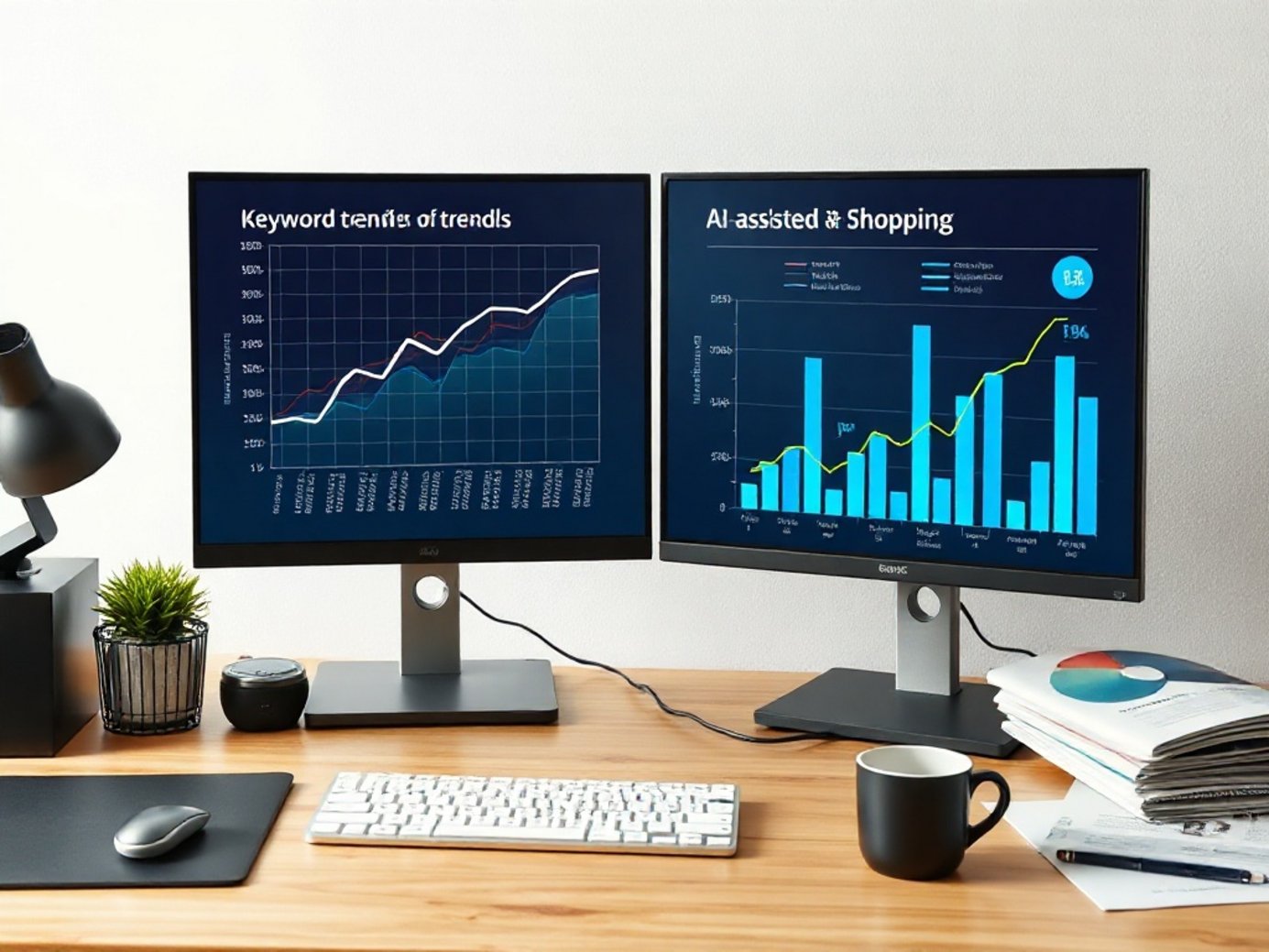
Although this is more of an advertising story than pure SEO, it is still directly relevant to the overall search strategy. As paid media becomes increasingly automated, SEO needs to work with conversion data to identify which queries truly create value rather than just bringing in visits.
Source: Search Engine Land.
Users are using AI search more, but trust is declining
A study published by Search Engine Land shows that AI search usage continues to rise: 70% of respondents said they use AI tools for search more than they did last year. However, trust that AI search is more useful than traditional search fell from 82% to 54% in just one year.
This is a highly notable paradox for SEO in 2026: users are not abandoning AI search, but they are becoming more cautious about the reliability of results. That opens the door for brands with trustworthy content, clear evidence, real expertise, and credibility across the entire search journey.
Source: Search Engine Land.
SEO is becoming a trust layer in digital growth strategy
For Vietnamese businesses, these signals show that SEO is no longer a race for rankings on a single results page. In a landscape where AI search, social commerce, and automated advertising are all growing, brands need a multi-touchpoint content strategy: optimizing landing pages, structured data, in-depth content, E-E-A-T signals, and visibility across multiple search environments.
Especially in highly competitive sectors such as e-commerce, travel, education, and finance, standardizing information, building deep content, and tracking both AI referrals and organic search will help marketers see the real performance more accurately. SEO is therefore moving closer to the role of a “trust infrastructure” for the entire digital growth strategy.
See more marketing news and guides at https://marketing365.vn.
See more marketing analysis and guides at Marketing365.
Read more articles in the same category Digital Trends.
This article focuses on SEO trends with a perspective on the Vietnamese market.
References
- Meta expands live shopping ads and virtual card checkout to drive more purchases
- Google Must Give Notice Before Significant Ranking Changes
- UK CMA orders Google to explain how search results are ranked
- 80% of ChatGPT product recommendations change when search is enabled: Study
- AI referrals to travel sites surge 194% as visitor quality improves: Adobe data
- 7 AI search shifts you can’t afford to ignore
- Google Ads to automatically classify conversion-based customer lists
- AI search adoption rises as consumer trust declines: Study