Contents
As of July 2026, two OpenAI moves — a major health upgrade to ChatGPT and a wave of senior hires before its IPO — show AI turning from a testing tool into everyday information infrastructure. For Vietnamese marketers, the takeaway is less about the news itself and more about how content, experience and digital trust are being redefined around accuracy and accountability.
Two new developments from OpenAI show AI moving in two highly relevant directions for marketers: first, becoming increasingly “practical” in everyday needs such as health; second, the race for talent and technical capability remains hot as AI companies move closer to large-scale commercialization. For Vietnamese marketers, this is not just tech news, but a signal of how content, experience, and digital trust are being reshaped.
ChatGPT gets a major upgrade in health
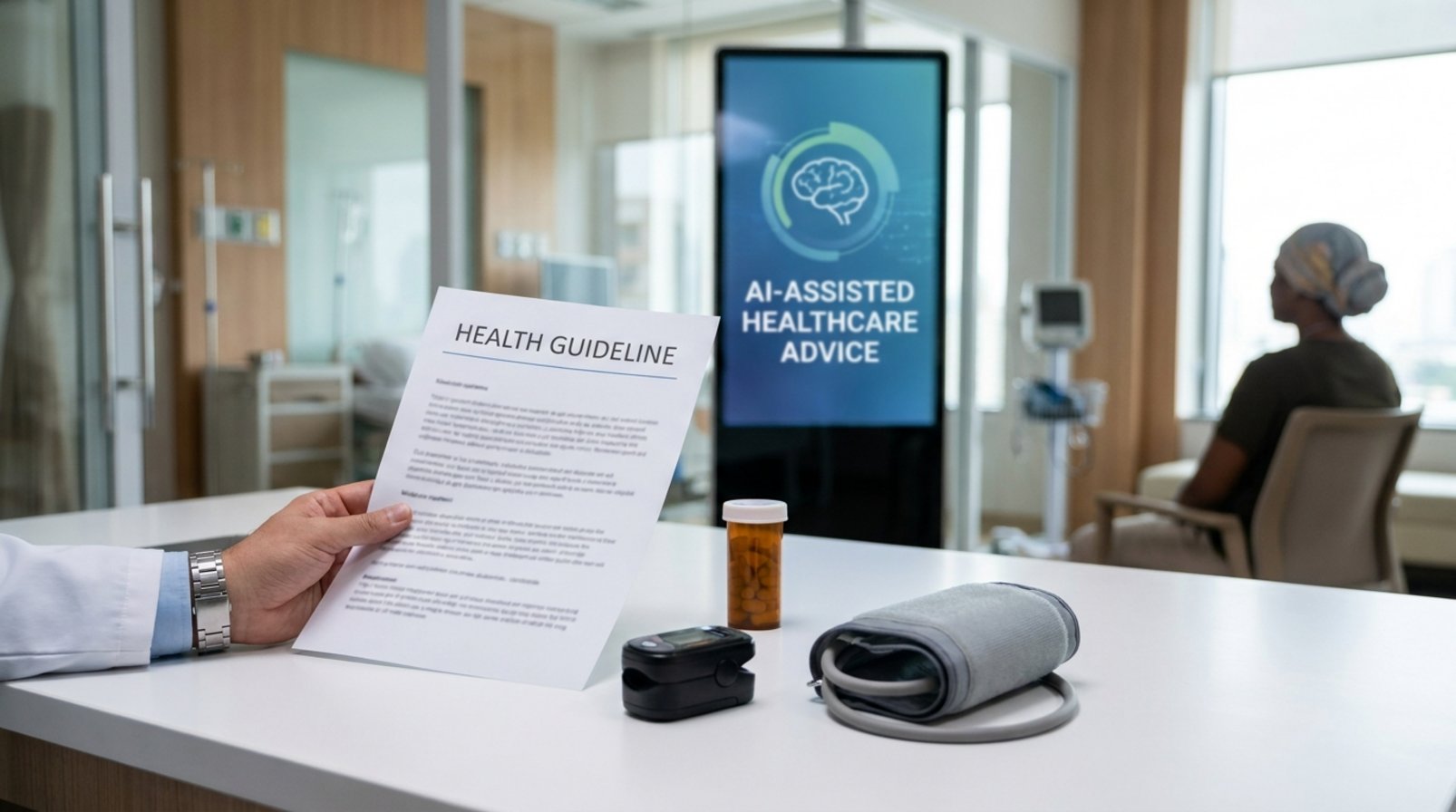
In its latest announcement, OpenAI said health is one of the topics users turn to ChatGPT for most often. According to the company, more than 230 million people use ChatGPT every week to ask about health and self-care, from understanding medical information and reading test results to preparing for appointments, handling insurance, and building healthier habits.
What stands out is that with GPT-5.5 Instant, OpenAI says the model has made a clear step forward in recognizing situations that require urgent medical attention, asking for more relevant context, explaining what remains uncertain, and presenting complex information in a more understandable way. In the hardest health evaluations, GPT-5.5 Instant now performs at a level comparable to the company’s advanced “Thinking” models, and this improvement is available to free users as well.
OpenAI also said the upgrade comes not only from model capability but also from a doctor-led evaluation system. A global network of doctors helps define what good answers look like in real-world health situations, review sample responses, describe ideal behavior, and identify patterns of errors to avoid. This is a key point for content creators: AI does not just need to “know a lot,” it also needs to be trained to professional standards and specific usage contexts.
For content marketing, this reflects a major trend: users increasingly expect AI to respond not only quickly, but also responsibly, clearly, and with the ability to handle risk. Brands creating content in sensitive fields such as health, finance, education, or legal services will need to standardize reference sources, language, and moderation workflows if they want to maintain reader trust.
OpenAI strengthens its heavyweight team ahead of an IPO turning point
In another development, TechCrunch reported that OpenAI is adding more influential names as it prepares for a public offering. The two names mentioned are Noam Shazeer, a veteran at Google DeepMind, and Dean Ball, a former White House AI policy official under Trump.

Noam Shazeer is especially notable because he was one of the co-authors of the 2017 paper “Attention Is All You Need,” the foundational work that laid the groundwork for the Transformer architecture – the core technology behind many generative AI models today. Before that, he left Google to co-found Character AI and later returned to Google under a major deal, before recently making another move to leave.
OpenAI’s ability to attract high-profile talent shows that competition among top AI labs remains just as intense as the product race. At a strategic level, senior hires bring not only research capability but also experience in policy, product, and market positioning. This is especially important as OpenAI is believed to be preparing for a larger turning point in its corporate structure and public presence.
For marketers tracking the tech market, this move offers a familiar but increasingly clear lesson: product quality, professional credibility, and brand storytelling must go hand in hand. AI companies that want to expand public trust need not only strong models, but also teams capable of handling communications, policy, and investor expectations.
As AI becomes information infrastructure, trust becomes the standard
Read more: Email scams expose the real content-marketing edge: verifiable trust
Together, these two stories show AI shifting from a “testing tool” to an “information infrastructure” in everyday life. In Vietnam, this opens up major opportunities for brands that know how to use AI to personalize content, speed up consulting, and optimize the customer journey, while also raising the bar for accuracy and accountability.
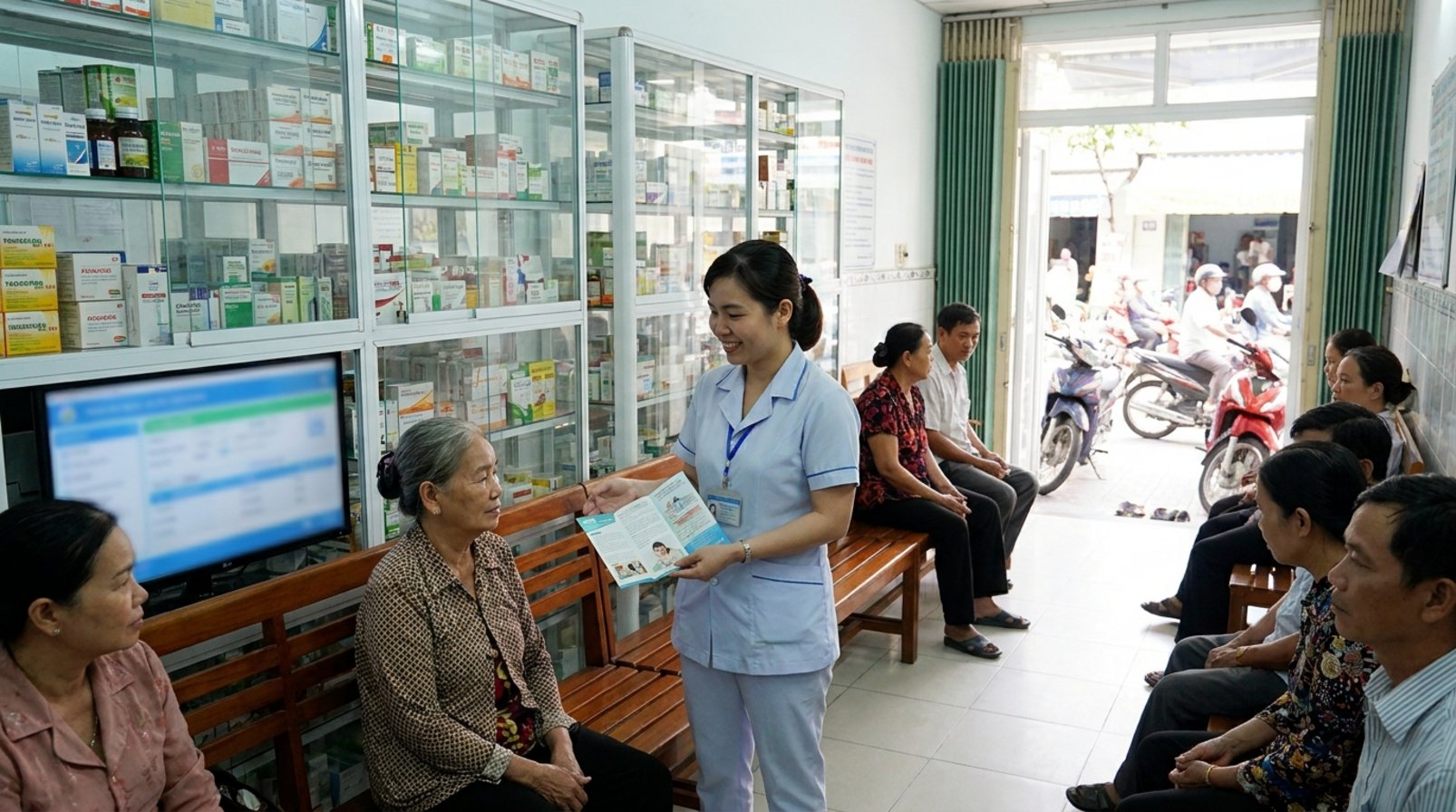
- For health, finance, sustainable consumption, or education content, businesses should prioritize authoritative sources, multi-layer editorial workflows, and cross-checking principles.
- For content marketing, content should be built to be useful, clearly explain context, and avoid over-editing when using generative AI.
- For tech brands, trust will become just as important as features, especially as customers grow more accustomed to comparing AI answers with expert sources.
In other words, the race among AI companies is not only about which model is smarter, but also which model is more trustworthy. This is exactly the gap Vietnamese marketers can tap into if they understand how to combine technology, editorial judgment, and user experience.
Overall, the AI race is shifting from which model is smartest to which model is most trustworthy — and that gap is exactly where Vietnamese marketers who combine technology, editorial judgment and user experience can win.
See more marketing news and guides at https://marketing365.vn.
Follow more updates from Marketing365 to stay on top of the latest marketing trends.
Read more articles in the same category Digital Trends.
In sensitive verticals, standardize sources and review layers
- For sensitive verticals such as health, finance, education and legal services, standardize authoritative sources, multi-layer editorial review and cross-checking before publishing AI-assisted content.
- Build content to be genuinely useful and to explain context clearly, and avoid over-editing generative AI output in ways that could distort meaning.
- Benchmark your brand’s answers against expert sources, because users increasingly compare AI responses with professionals and reward trustworthy content.
- Treat professional credibility and brand storytelling as inseparable from product quality when communicating any AI-related capability.
References
- Improving health intelligence in ChatGPT
- OpenAI is bringing on some big guns in the lead-up to its IPO