

Contents
- Gemini 3.6 Flash could be Google’s next move
- Meta is being mentioned as an AI powerhouse thanks to its compute strategy
- The debate over using Chinese AI models is heating up again
- Grok 4.6 is rumored to be a 2 trillion-parameter model
- SpaceX technical data could become a proprietary advantage for Grok
- Qwen-Image-3.0 takes the image-generation race to a new level
- The AI agent economy continues to attract investment across multiple infrastructure layers
- Gemini 3.5 Pro is delayed, and the community thinks Google may skip a beat
- Moonshot and the low-cost AI challenge from China
- Grok Build gets upgrades to become more developer-friendly
- AnimeGen shows AI video is moving deeper into creative niches
- Qwen-Image-3.0 continues to show strong layout quality and contextual knowledge
- CUDA Graphs and the battle to optimize inference
- SpaceX data continues to be seen as Grok’s “secret weapon”
- Virtuals is seen as an infrastructure bet for the AI agent wave
- Breeze changes its ambassador, but this is only one slice of AI and branding
- Tesla is about to bring Grok into cars across multiple Asian markets
- Google partners with Dragon Quest in Japan to boost Gemini
- Gemini 3.6 Flash appears in Antigravity
- Tencent Hunyuan Hy3 is made free on OrcaRouter
- AI is shifting into a practical phase: cheaper, faster, and tied to proprietary data
- References
The global AI market continues to revolve around three main axes: new foundation models, the compute/infrastructure race, and generative applications that are getting closer to real-world needs. For Vietnamese marketers, this is not just a technology story, but a signal of how content, advertising, e-commerce, and automation will shift in the months ahead.
Key points
- Google, Alibaba, Tencent and xAI all have new moves around AI models, from product leaks to official launches.
- The standout trends are AI agents, inference infrastructure, and multimodal models that serve text, images and video alike.
- The race is not only about model quality, but also proprietary data, compute and enterprise deployment capabilities.
- For Vietnamese businesses, the opportunity lies in optimizing operations, creating content faster, and choosing the right tools for the budget.
Gemini 3.6 Flash could be Google’s next move
Many signals on social media suggest Google is preparing a Gemini 3.6 Flash version, and it may even be announced before Gemini 3.5 Pro. While this is still leak-level information, the notable point is that the market is expecting the new Flash version to improve speed, efficiency and agent-style task performance compared with the current generation.
For marketers, the important story is not “which model wins immediately,” but that Google continues to push models that can respond quickly, handle workflows well and fit large-scale products. If true, this would be a favorable direction for applications that need lower costs but still enough intelligence to support content creation, data analysis or internal assistants.
Source: Compiled from posts by Salio and Pankaj Kumar on X.
Meta is being mentioned as an AI powerhouse thanks to its compute strategy
Raymond James is said to have raised Meta’s price target to 850 USD, arguing that the company is expanding its AI approach toward infrastructure and APIs. The core of this thesis is that Meta could use compute as a “strategic escape hatch” if demand from Meta AI, SMB agents or model APIs does not unfold as expected.

For the market, this is a reminder that AI is no longer a game of a single model. Companies that control infrastructure capacity better will have more flexibility to shift resources into higher-margin areas. That is why analysts increasingly view AI as a capital, energy and data center problem, not just software.
Source: Kaushik’s post on X summarizing Raymond James’ analysis.
The debate over using Chinese AI models is heating up again
Jim Cramer continues to add his voice to the debate over whether U.S. companies should use AI models from China because they are cheaper. His view is clearly framed by national security concerns, arguing that companies should be cautious about options that only appear cost-saving.

For marketers, this is an important signal: as businesses become increasingly dependent on AI for data processing and content creation, security, data storage location and model usage policies will be weighed more heavily. Choosing an AI tool is now not just about features, but also risk management.
Source: Jim Cramer on X.
Grok 4.6 is rumored to be a 2 trillion-parameter model
Signals circulating on X suggest Grok 4.6 could be an extremely large model, with a scale of 2 trillion parameters and training completed this week. If true, an August launch window is the scenario most widely discussed by the community.

Large scale does not automatically mean better applications, but it shows that xAI continues to pursue a “go big” strategy in the foundation model race. For AI product teams, the practical question is what improvements this model will bring in reasoning, agents, coding and high-precision tasks.
Source: Posts by Testlabor and DogeDesigner on X.
SpaceX technical data could become a proprietary advantage for Grok
Elon Musk is reported to be bringing SpaceX’s technical data into supplemental training for Grok 4.6, excluding content restricted by ITAR. If this happens, Grok could be significantly strengthened in tasks related to engineering, robotics, hardware and applied science.
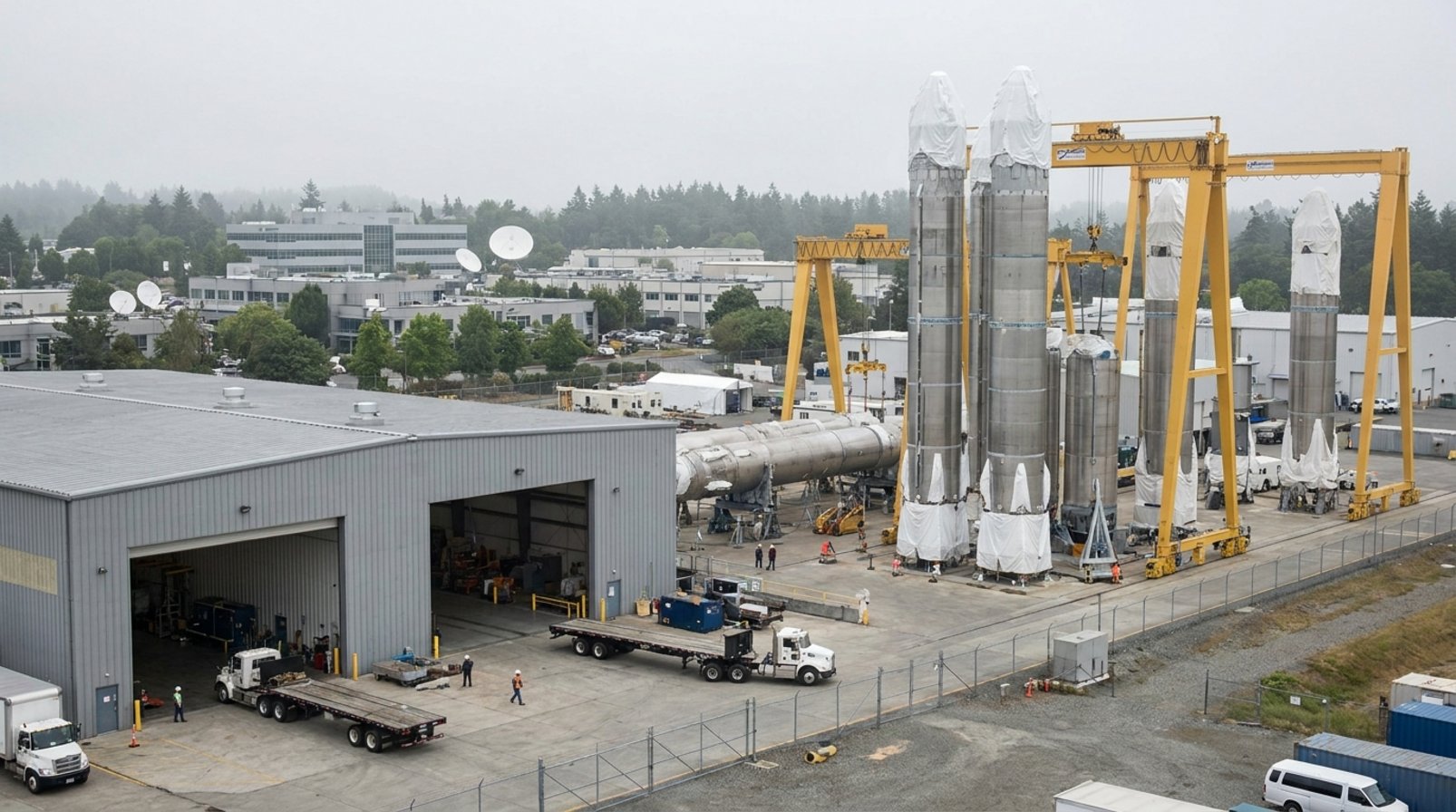
This is a very clear example of how AI is increasingly differentiated by proprietary data. A model with access to a corpus that competitors cannot replicate will have a much longer-term advantage than one that only competes on benchmarks. For Vietnamese businesses, the lesson is: high-quality internal data is the most important AI asset.
Source: Mark Kretschmann and DogeDesigner on X.
Qwen-Image-3.0 takes the image-generation race to a new level
Alibaba has introduced Qwen-Image-3.0, an image-generation model promoted as handling very long prompts, small text, complex layouts and multiple languages well. The published examples show the model can produce newspapers, exam papers, interfaces and layered infographics in an impressive way.

While independent verification is still needed, this is an important signal for marketing, design and content teams. If an image model can handle clear text, accurate layouts and multiple languages better, it will be useful for campaign visuals, sales materials, internal training and social content.
Source: Lumina and Lentils on X.
The AI agent economy continues to attract investment across multiple infrastructure layers
Auvin says it is pursuing infrastructure for the “AI Agent Economy,” emphasizing building with developers and the ecosystem. Although this is project-introduction information, it reflects a very clear trend: the market is no longer just talking about chatbots, but is moving toward agent systems that can execute tasks on their own.
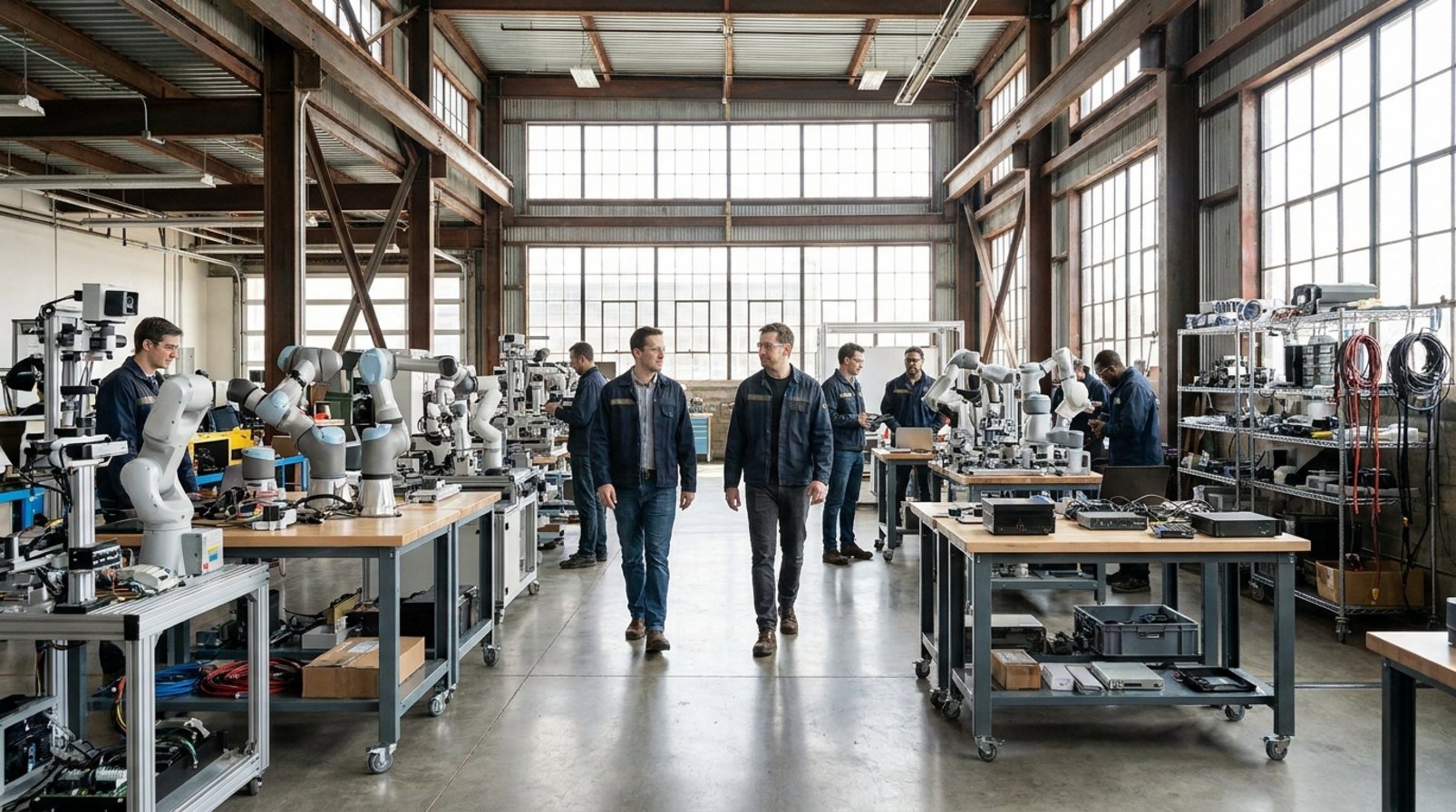
From a marketing and product perspective, this is a phase worth watching because the agent economy could drive demand for wallets, payments, identity, workflow automation and new integration layers. Whoever moves early and creates easy-to-use infrastructure will have a chance to build an ecosystem around new user behavior.
Source: Auvin on X.
Gemini 3.5 Pro is delayed, and the community thinks Google may skip a beat
Many discussions on X suggest Gemini 3.5 Pro still has no clear release schedule, while Gemini 3.6 Flash may be prioritized for announcement first. This has led to an interesting hypothesis: Google may continue pushing the lighter and more useful version faster, rather than focusing all its effort on a Pro release that is running late.

For enterprise users, this underscores a reality of the AI industry: release roadmaps change very quickly, and the version that launches first is not necessarily the strongest. What matters is which version is truly suitable for speed, cost and deployment stability.
Source: Haider on X.
Moonshot and the low-cost AI challenge from China
The Telegraph wrote about Moonshot as a representative of the Chinese AI wave pursuing lower-cost models than the big labs in Silicon Valley. This story highlights the role of young founders and the increasingly fierce pace of competition between the U.S. and China.

For the Vietnamese market, low-cost competition is especially worth watching. When an AI tool is good enough at a lower cost, it can spread quickly among small and medium-sized businesses, where budget is always a major barrier. This is also why marketing teams should track not only top-tier models but also cost-efficient options.
Source: The Telegraph.
Grok Build gets upgrades to become more developer-friendly
Grok Build has just received improvements related to session portability, system diagnostics and remote development workflows. Updates such as continuing a session after switching machines, adding terminal/tmux/clipboard checks, and improving image pasting show the product is moving toward a more practical workflow.

This is a small detail, but a very valuable one for AI product teams. Competition today is not only about “which model answers better,” but also about the development experience. Tools that help technical teams work with fewer interruptions are more likely to be deeply integrated into enterprise workflows.
Source: X Freeze on X.
AnimeGen shows AI video is moving deeper into creative niches
Alibaba Wan has introduced AnimeGen, an AI video model fine-tuned to create anime style and distinctive motion. The message here is not just that there is another new model, but that specialization is the direction: instead of trying to do everything, the model focuses on a very specific aesthetic.

For the creative industry, this is a very practical trend. Tools that understand style well will help content producers shorten experimentation time, especially in entertainment, gaming, fandom or advertising campaigns with motion-based storytelling.
Source: Alibaba Wan and aidealab on X.
Qwen-Image-3.0 continues to show strong layout quality and contextual knowledge
In examples shared after launch, Qwen-Image-3.0 was praised for handling text, layout and academic content better than expected. What caught the community’s attention is that the model seems not only to draw well, but also to “understand” document structure more clearly.

This is an important upgrade for content teams. An image model that can produce clear charts, documents, slides or posters expands use cases into B2B marketing, corporate communications and educational content — areas that require strong presentation accuracy.
Source: Lentils on X.
CUDA Graphs and the battle to optimize inference
At a deeper technical level, one academic topic being shared by the community is the role of CUDA Graphs in optimizing LLM inference. In short, the issue is reducing repeated processing costs during token generation, especially when the system is constrained by CPU overhead and frequent small kernel calls.
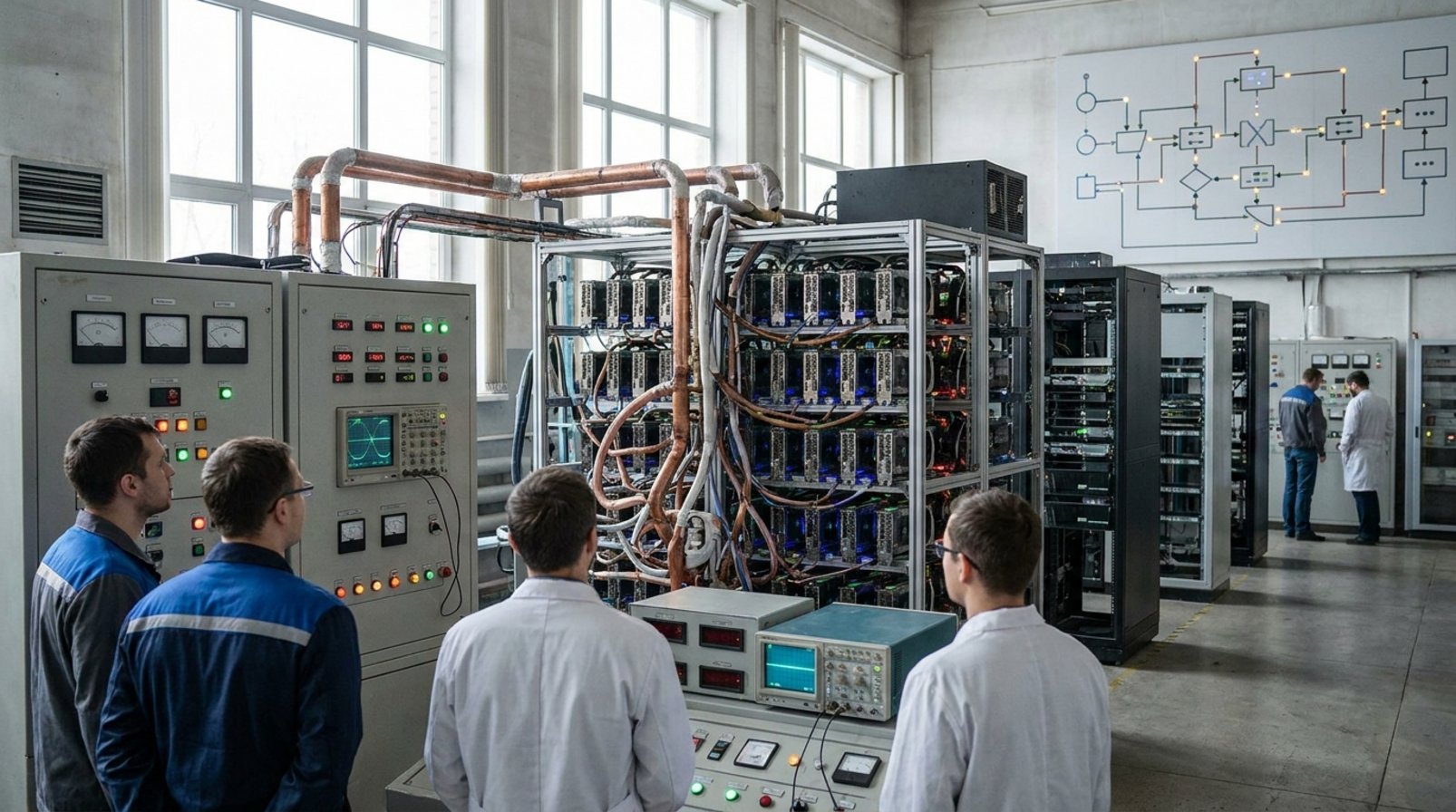
This matters because it reminds us that AI speed does not only come from bigger models, but also from running models more efficiently. For businesses operating chatbots, internal assistants or large-scale content generation systems, inference optimization can reduce real costs far more effectively than simply switching to a more expensive model.
Source: Mohit on X.
SpaceX data continues to be seen as Grok’s “secret weapon”
Repeated information about SpaceX technical data being used to train Grok further reinforces the view that xAI is leveraging proprietary data in a highly distinctive way. In industries such as aerospace, manufacturing or robotics, this kind of data is more valuable than any synthetic dataset.

This is a reminder for brands and businesses that the most effective AI usually starts with clean, deep and truly contextual data. Well-structured internal datasets on customers, operations, sales or after-sales service can create a similar competitive advantage.
Source: DogeDesigner on X.
Virtuals is seen as an infrastructure bet for the AI agent wave
Analyses on X suggest $VIRTUAL is more attractive than smaller tokens like $VEX for investors who want exposure to agent infrastructure rather than a single project bet. The reason is that Virtuals is expanding into wallets, payments, identity, commerce and automated onchain execution.

Although this is an investment angle, it reflects an important reality: AI agents are being packaged as ecosystems, not isolated tools. For marketers, this opens up scenarios where agents can support sales, customer service and automated transactions in an increasingly complex digital environment.
Source: Okada_Research on X.
Breeze changes its ambassador, but this is only one slice of AI and branding
Some Thai-language posts say Breeze has just announced a new ambassador, with Gemini continuing as presenter for a second year. While this is not purely an AI technology story, it shows that consumer brands in Asia are still using the appeal of prominent faces to maintain attention.

From a marketing perspective, this is an example of how AI is not only inside products, but also woven into how brands structure campaigns, create buzz and build a modern association with younger users.
Source: SeviraS3 and GMMTV on X.
Tesla is about to bring Grok into cars across multiple Asian markets
Tesla is reportedly set to roll out Grok in cars in India, Thailand, Singapore, the Philippines and Malaysia. If this happens as announced, it will be an important expansion of conversational AI into the automotive environment in Asia.
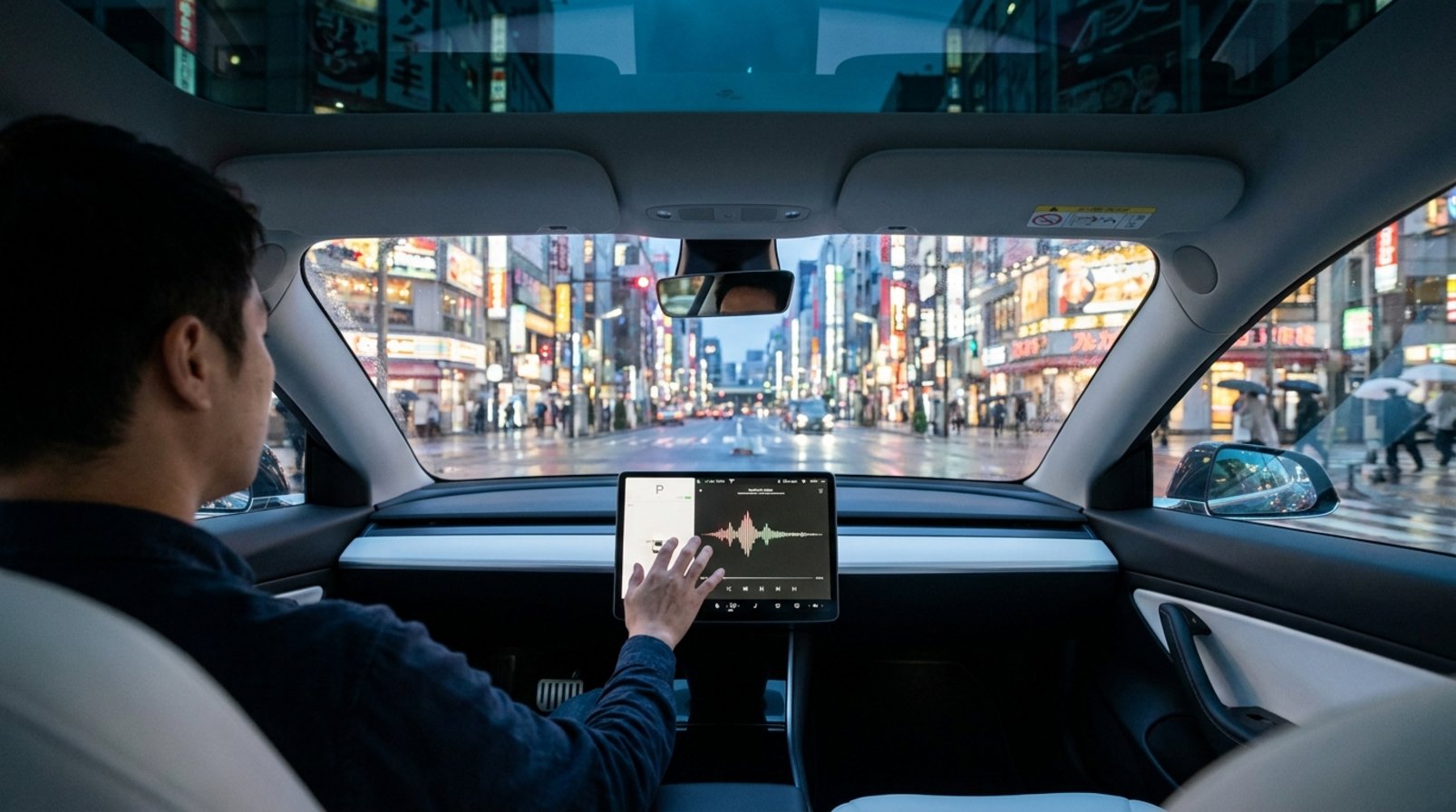
For marketers, this signals the future of voice commerce, customer journey support in cars and context-aware AI interaction while on the move. Brands in automotive, travel, services and retail should start thinking about the “in-car” experience as a new touchpoint.
Source: Sawyer Merritt on X.
Google partners with Dragon Quest in Japan to boost Gemini
The collaboration campaign between Dragon Quest and Google Gemini in Japan shows Google continuing to use the power of entertainment IP to expand awareness of its AI product. It is a familiar but effective approach: placing AI inside a cultural world that already has a large fan base.

For Vietnamese brands, the lesson here is that AI will be more easily accepted if it is packaged in a familiar entertainment or community context. Instead of only talking about features, connect AI to experiences users already love.
Source: Genki on X.
Gemini 3.6 Flash appears in Antigravity
Leak information says the identifier “gemini-3.6-flash-tiered” has appeared in Antigravity, reinforcing speculation that Google is aiming for a launch in late July. If true, this would be one of the clearest signs that Google has not slowed down in the AI race.

The key point to watch is that Google’s continued focus on Flash shows how much it values speed, cost and the ability to serve large query volumes. This is exactly the model layer best suited for businesses that want to deploy AI at scale while keeping budgets under control.
Source: Pankaj Kumar on X.
Tencent Hunyuan Hy3 is made free on OrcaRouter
OrcaRouter says Tencent Hunyuan Hy3 is now available for free, with a large MoE architecture, long context and positioning for reasoning, coding, long-context work and agents. While this is more of an infrastructure story than a mass-market campaign, it reflects the trend of powerful models being distributed more widely through intermediary platforms.
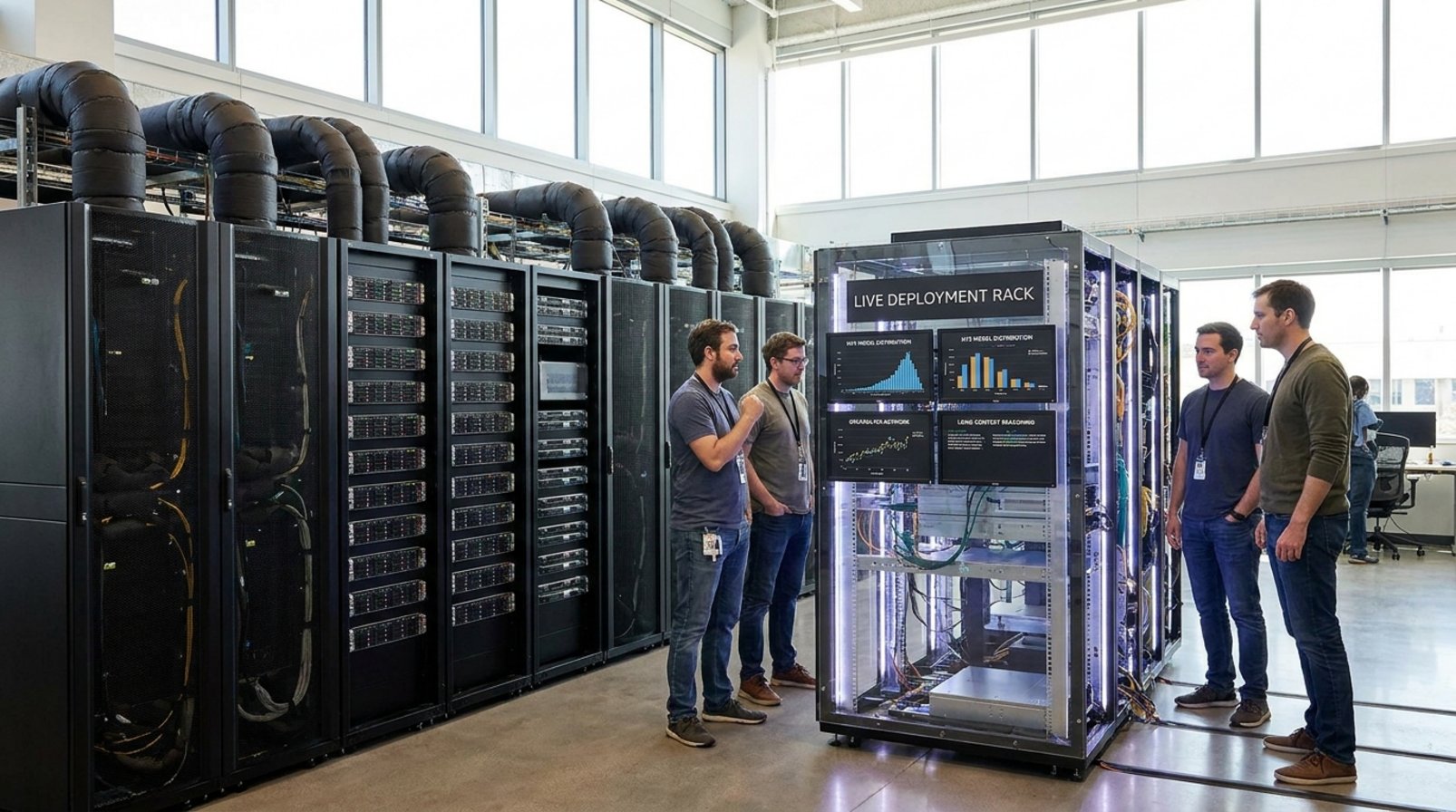
For product and marketing teams, accessing a strong model through a router or integration platform makes it easier to test quickly, lower initial costs and expand internal benchmarking opportunities. This is how smaller businesses can access technology that was once reserved for large corporations.
Source: OrcaRouter on X.
AI is shifting into a practical phase: cheaper, faster, and tied to proprietary data
The most notable point in this batch of news is that AI is entering a very rapid phase of “practicalization”: new models not only need to be smarter, but also cheaper, faster, usable in real workflows and backed by proprietary data to create differentiation. For Vietnamese businesses, the priority should be choosing the right problem before choosing the model: internal automation, content creation support, customer analysis, or sales personalization.

In the short term, marketers should especially watch three trends: multilingual image/video AI to speed up creative production; AI agents to automate repetitive tasks; and inference infrastructure to optimize costs when deploying at scale. Those who prepare their data well now will have a clear advantage as these tools become easier to access.
Explore more marketing analysis & guides at Marketing365.
Read more articles in the AI Developments category.
This article focuses on the latest AI news with a perspective for the Vietnamese market.
References
- Salio (@Mr_Salio) – Gemini 3.6 Flash leak
- Kaushik (@WisemanCap) – Meta PT Raised to $850 at Raymond James
- Jim Cramer (@jimcramer) – comment on Chinese AI models
- Testlabor (@testerlabor) – Grok 4.6 parameters and release timing
- Mark Kretschmann (@mark_k) – SpaceX data for Grok 4.6 supplemental training
- Lumina (@LuminaXspace) – Alibaba Qwen-Image-3.0 launch
- Auvin (@AuvinGlobal) – AI Agent Economy infrastructure
- Haider. (@haider1) – Gemini 3.5 Pro delay and Gemini 3.6 Flash speculation
- The Telegraph – Moonshot AI feature
- X Freeze (@XFreeze) – Grok Build release notes
- Alibaba Wan (@Alibaba_Wan) – AnimeGen announcement
- Lentils (@Lentils80) – Qwen-Image-3.0 examples and text rendering
- mohit (@mohitwt_) – LLM inference and CUDA Graphs
- DogeDesigner (@cb_doge) – SpaceX engineering data for Grok
- Okada_Research (@Okada_DeFi0x) – Virtuals ecosystem thesis
- SeviraS3 (@SeviraS3) – Breeze presenter announcement
- Sawyer Merritt (@SawyerMerritt) – Grok in Tesla vehicles in Asia
- Genki✨ (@Genki_JPN) – Dragon Quest x Google Gemini collaboration
- Pankaj Kumar (@pankajkumar_dev) – Gemini 3.6 Flash leak details
- OrcaRouter 🐳 (@OrcaRouter) – Tencent Hunyuan Hy3 free launch