
Contents
- Microsoft and the pressure to prove AI investment returns
- When dropping PC in favor of AI sparks controversy
- Elon Musk continues to use confrontational language in tech debates
- Musk’s broader vision: AI, space, and an interstellar future
- Andrew Ng warns about control over AI access
- OpenAI and AI applications in rare disease diagnosis
- AlphaFold and AI’s legacy for science
- The solo startup story using AI to amplify growth speed
- Google DeepMind under growing competitive pressure
- Gemini 3.5 Pro and Google’s “slow but steady” strategy
- SpaceX continues to strengthen its orbital transport advantage
- AI in defense: NATO and Ukraine seek technology to disable military airfields
- AI must prove operational, customer, and brand value
- References
As of July 2026, developments around AI show that the race over models, technology access, and real-world applications is moving very quickly. For Vietnamese marketers, this is not just a technical story but one that directly affects content creation, operational automation, platform selection, and risk management when relying on AI, which is why reading these signals as a pattern rather than as headlines matters.
Microsoft and the pressure to prove AI investment returns
From a harsh social media comment about Satya Nadella, the real story points to a bigger issue: the market increasingly expects the “big players” to prove that AI creates real business value, rather than just promising growth. The debates surrounding Microsoft reflect investors’ broader mindset as AI spending continues to rise.
For businesses, the lesson here is not to view AI as a race to showcase capability. AI only matters when it is tied to clear KPIs: reducing costs, increasing productivity, improving conversions, or enhancing service quality.
Source: X / Brotherhood (@DiggingInTheDi1)
When dropping PC in favor of AI sparks controversy
Another opinion on X argued that putting PC releases on hold to “all-in AI” is a hard-to-understand strategy. The comment reflects growing skepticism toward tech companies as they reallocate resources too aggressively toward AI without clearly explaining the product roadmap for their core user base.

In marketing, this is a reminder that product strategy changes need clear communication. If users feel abandoned, brand advantage can disappear faster than new technology can launch.
Source: X / Rin (@TheIshikawaRin), quoting Sony’s comments on AI at PlayStation from @ZhugeEX
Elon Musk continues to use confrontational language in tech debates
Elon Musk posted a message saying that being called “nazi” could lead to a risk of inciting violence. Although the statement quickly sparked controversy, it once again shows that Musk remains at the center of every discussion about AI, free speech, and digital platform power.

From a communications perspective, any statement from Musk has the potential to stir public opinion and trigger major ripple effects. For brands, the lesson is to prepare crisis management scenarios when leadership image is closely tied to tech controversies.
Source: X / Elon Musk (@elonmusk), quoted comment from @brivael
Musk’s broader vision: AI, space, and an interstellar future
In another statement, Musk emphasized the future prospect of massive spending to create antimatter for interstellar travel. This is a very familiar Musk-style statement: pushing the AI conversation beyond software and linking it to energy, physics, and space infrastructure.
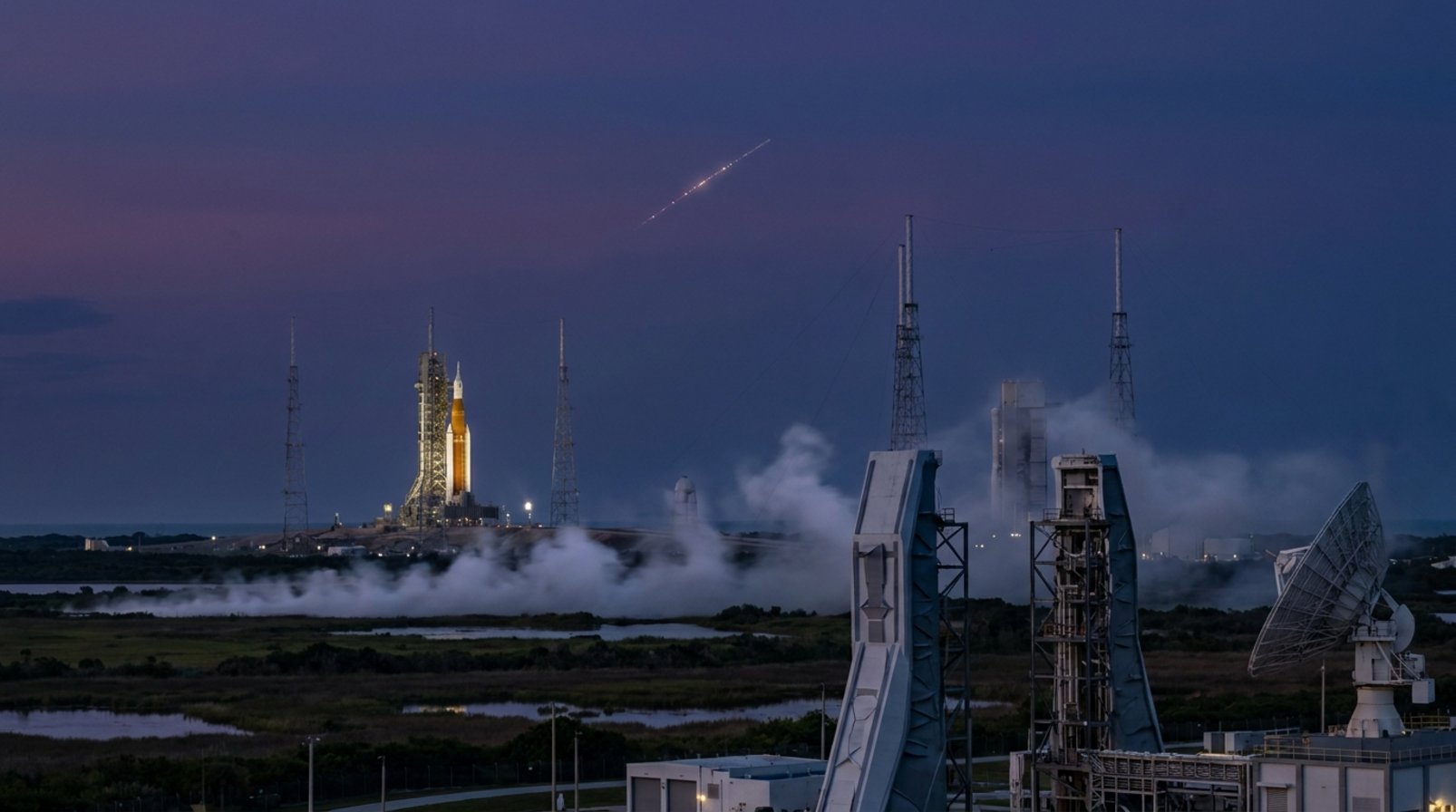
Although still far from commercial reality, ideas like this continue to give Musk an advantage in “future vision” within personal brand communications. For businesses, the takeaway is that technology storytelling needs to be tied to a vision large enough to inspire, while still anchored in verifiable applications.
Source: X / Elon Musk (@elonmusk)
Andrew Ng warns about control over AI access
Researcher Andrew Ng said that recent moves by the U.S. government and Anthropic show a notable reality: access to advanced AI could be tightened through terms of use and model distribution policies. He expressed particular concern that some restrictions are not only about safety, but also about limiting the ability to develop competitive technology.

This is highly important for businesses using AI. When you depend too heavily on a single platform, the risk is not only pricing, but also sudden changes to terms, feature limits, or access interruptions.
Source: X / Andrew Ng (@AndrewYNg)
OpenAI and AI applications in rare disease diagnosis
OpenAI said the o3 model has been used to support families facing rare genetic diseases through research and collaboration with Boston Children’s Hospital. According to Greg Brockman, this is proof that even a model launched more than a year ago can still create significant impact in healthcare.

For marketers, this is a strong example of how AI should be communicated: not just by talking about “intelligence,” but by showing specific outcomes, specific people, and specific use contexts.
Source: X / Greg Brockman (@gdb), citing information from OpenAI Newsroom
AlphaFold and AI’s legacy for science
Demis Hassabis thanked John Jumper after nearly 9 years of collaboration, emphasizing that AlphaFold has transformed science and medicine, while also opening the door to how AI can serve humanity. John Jumper also announced that he is leaving Google DeepMind to join Anthropic after a break.

This is an important snapshot showing that AI is not only about language models or chatbots. At the brand level, projects with long-term scientific impact often build far more credibility than campaigns driven only by market noise.
Source: X / Demis Hassabis (@demishassabis), citing John Jumper’s announcement
The solo startup story using AI to amplify growth speed
Ben Cera claimed to have built Polsia into a $250 million company in less than 3 months with a “one person + AI, no employees” model. While this should be viewed cautiously because it is a strongly promotional message, it still reflects a new trend: AI is being used as leverage to shrink teams and accelerate product experimentation.
Read more: A Container Ship, a Hiring Spree, and AI as a Competitive Asset
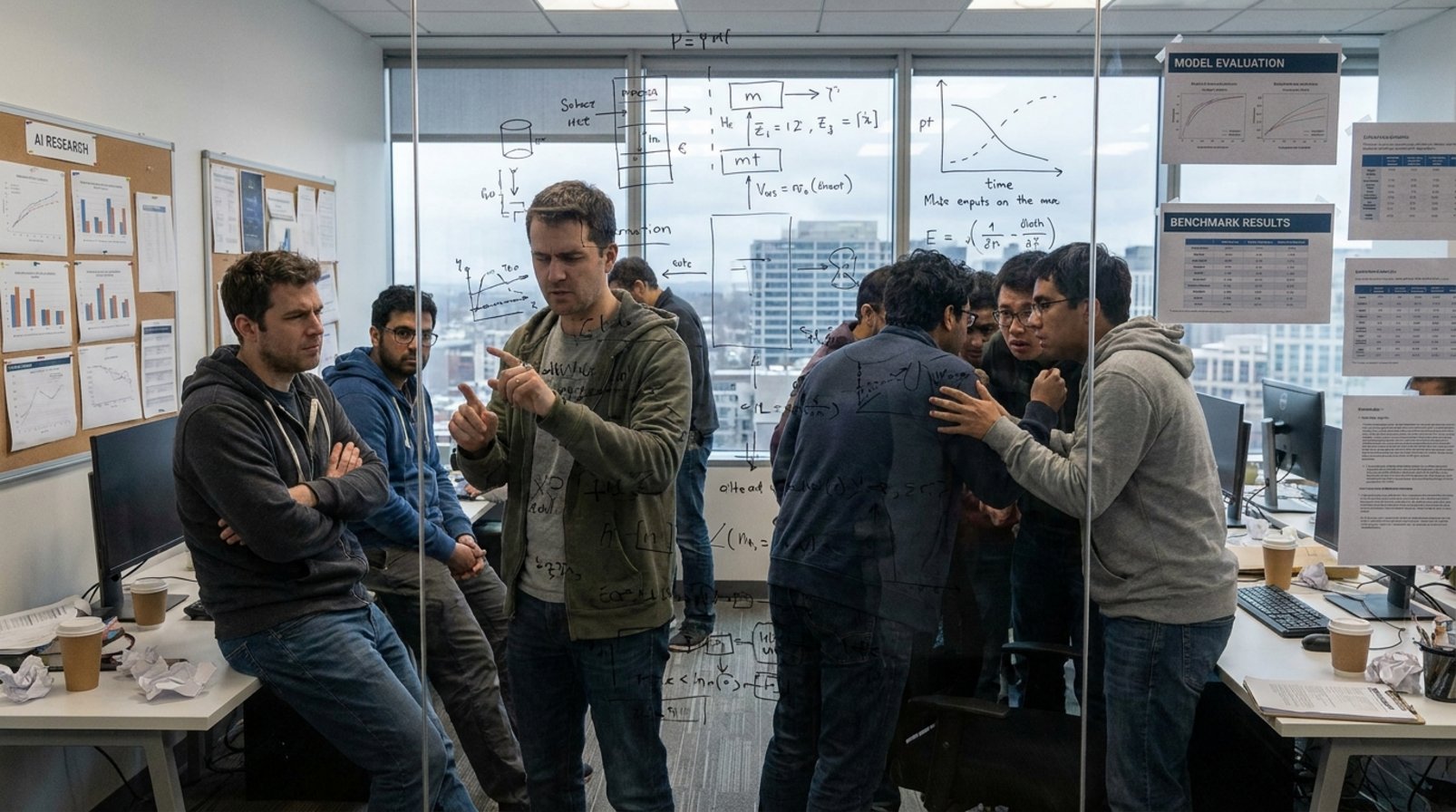
For small businesses and independent marketers, the lesson is that AI can save significant resources, but it cannot replace strategic thinking, market validation, or the ability to build a sustainable brand.
Source: X / Ben Cera (@Bencera)
Google DeepMind under growing competitive pressure
A source spreading on X described a tense atmosphere inside Google DeepMind, with many employees reportedly unhappy about falling behind Anthropic and OpenAI. Although this is social media rumor and should be read cautiously, it still reflects the real pressure Google is facing in the foundation model race.

In the AI industry, launch speed has now become part of a tech brand’s identity. Falling behind can make the market assume a company is losing its edge, even if the underlying technology remains very strong.
Source: X / leo 🐾 (@synthwavedd)
Gemini 3.5 Pro and Google’s “slow but steady” strategy
Another comment suggested that Gemini 3.5 Pro could become the smartest model upon release, and emphasized that Google usually launches less often, but each release brings a significant leap. This view contrasts with the rapid release cadence of other labs.

For marketers, this is a classic example of positioning differences: some brands choose speed, others choose depth. When communicating AI products, businesses need to decide whether they are selling novelty or stability, then stay consistent with that expectation.
Source: X / BridgeMind (@bridgemindai)
SpaceX continues to strengthen its orbital transport advantage
Elon Musk posted comparative data on orbital launch mass in Q1 and said that once Starship flies at high frequency, SpaceX will be far ahead of the rest of the industry. The message is not only about rockets, but also about infrastructure scale, logistics, and the ability to realize AI ambitions tied to space.

The notable point is that AI is increasingly being discussed alongside data, satellites, connectivity, and physical infrastructure. For tech brands, this is a reminder that the new ecosystem will be judged not only by software, but also by real-world execution.
Source: X / Elon Musk (@elonmusk), citing @FutureJurvetson
AI in defense: NATO and Ukraine seek technology to disable military airfields
Information shared from military sources said NATO and Ukraine have launched an initiative to find technology capable of paralyzing Russia’s military airfields, prioritizing autonomous systems that use AI and do not depend on GPS to operate in heavily electronic-warfare environments. The goal is to destroy takeoff capability right on the ground.

This is an example of how AI is not only serving commerce, but also moving deeply into security and defense, where reliability, autonomy, and anti-jamming capability are especially critical. Technology businesses in Vietnam need to recognize that this is a segment with standards very different from consumer markets.
Source: X / War Radar (@War_Radar2), citing NATO / Ukrainian Ministry of Defense sources
AI must prove operational, customer, and brand value
The 12 developments above show that AI is entering a phase where “results must be measurable.” It is no longer enough to talk about potential; businesses, from large corporations to startups, need to prove how AI creates operational value, customer value, and brand value.

For Vietnamese marketers, there are 4 things to pay attention to:
- Avoid depending on a single platform: when AI access can change, technology strategy needs backup plans.
- Prioritize measurable applications: choose AI use cases that directly affect revenue, customer care, or content performance.
- Tell the story through results: the most successful examples today are all tied to real people, real problems, and real impact.
- Track platform release speed: in advertising, SEO, content creation, and automation, model changes can throw off plans within just a few weeks.
In short, the AI race is shifting from “who speaks better” to “who executes better.” This is exactly the point Vietnamese brands need to seize if they want to use AI as a real competitive advantage, rather than just a short-term media trend.
Explore more marketing analysis & guides at https://marketing365.vn.
Follow more analysis & guides from Marketing365.
Read more articles in the same category Động thái AI.
This article focuses on latest AI news with a perspective for the Vietnamese market.
References
- Brotherhood on X
- Rin | 凛 on X
- Elon Musk on X
- Elon Musk on X
- Andrew Ng on X
- Greg Brockman on X
- Demis Hassabis on X
- Ben Cera on X
- leo 🐾 on X
- Elon Musk on X
- War Radar on X
- BridgeMind on X