Contents
As of 2026, AI is moving from experimentation to measurable, real-world efficiency, from container ships choosing routes with weather data to leading labs racing to hire top researchers. For Vietnamese marketers, that shift is a reminder that AI is becoming a competitive capability rather than a communications slogan, and the brands that tie it to concrete operational problems and verifiable results will stand out in both the market and recruitment.
AI enters maritime transport: giant container ship uses weather data to choose its route
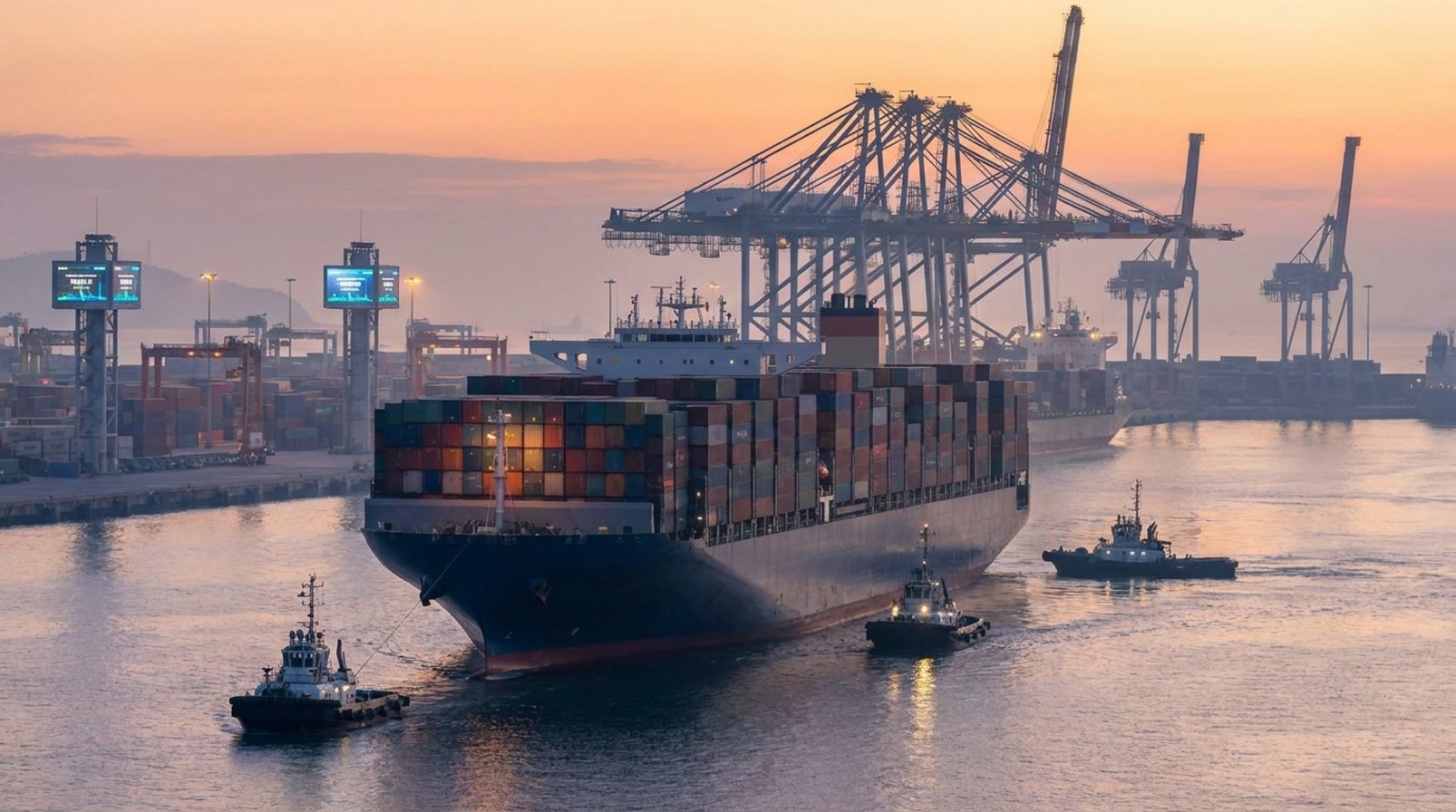
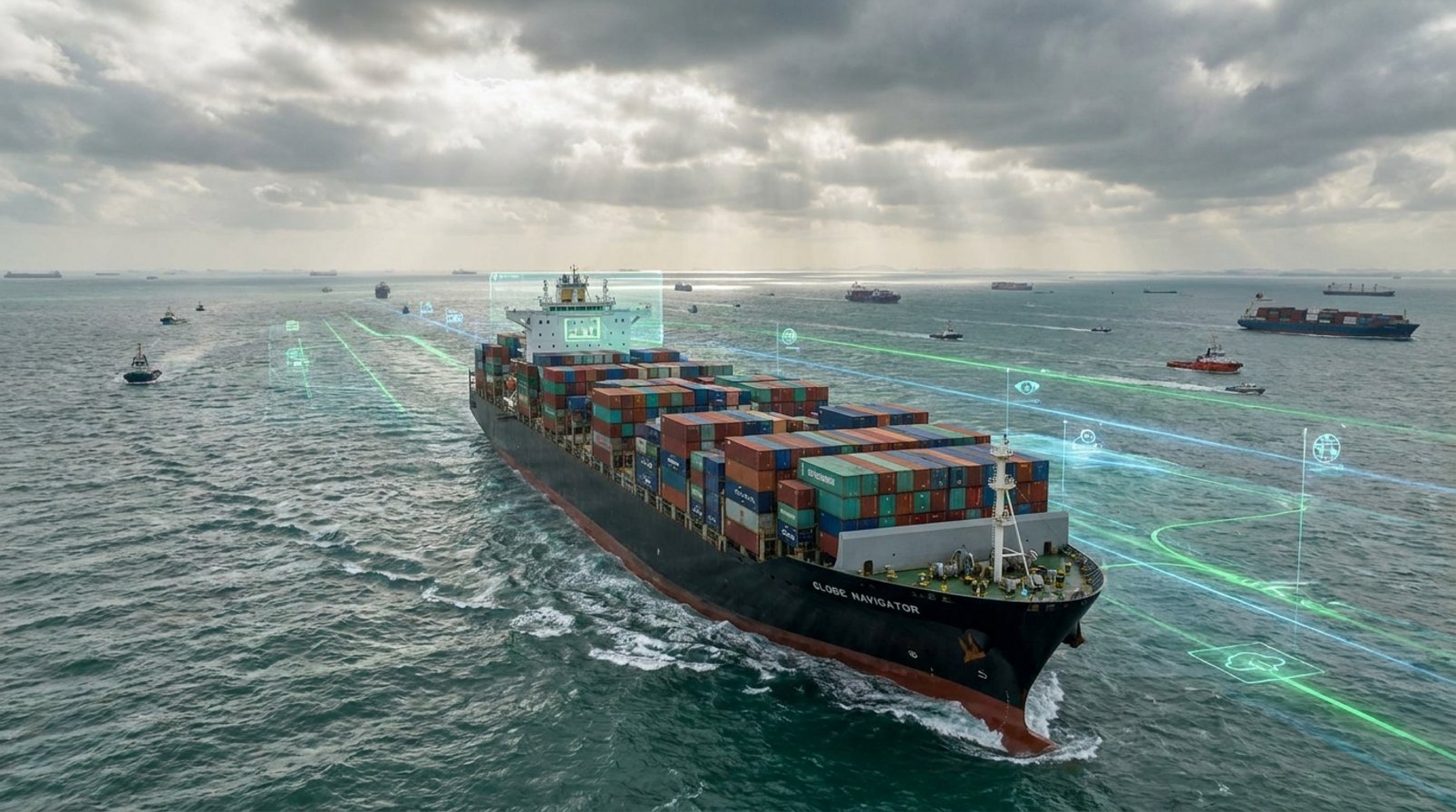
In the first notable item, CMA CGM Notre Dame — one of the world’s largest container ships — has just begun its maiden voyage from Shanghai. According to the cited source, the 400-meter vessel, carrying more than 24,000 containers per trip, was built in China, runs on cleaner LNG fuel, and uses AI to read weather and ocean current data to choose a safer and faster route along the Asia-Europe trade corridor.
The noteworthy point is not only the scale, but also how AI is becoming a “decision-making” layer in logistics. When AI is used to optimize routes, businesses can reduce operational risks, improve delivery times, and enhance service quality. This is a clear example of the trend in which AI is not only generating content or automating office work, but also intervening in complex physical operating systems.
Source: Compiled from an X post relaying content from ShanghaiEyeMagic on YouTube, according to Mario Nawfal’s account.
Anthropic accelerates hiring, attracting top names in AI
The second item shows that the race for AI talent is heating up at a very high level. According to the shared content, Anthropic continued a notable hiring push in 2026, with standout names such as Andrej Karpathy — former co-founder of OpenAI, former head of AI at Tesla and who joined in May — as well as John Jumper, Vice President at Google DeepMind and the 2024 Nobel Prize in Chemistry winner for his contributions to AlphaFold, who was announced as joining on 19/6.
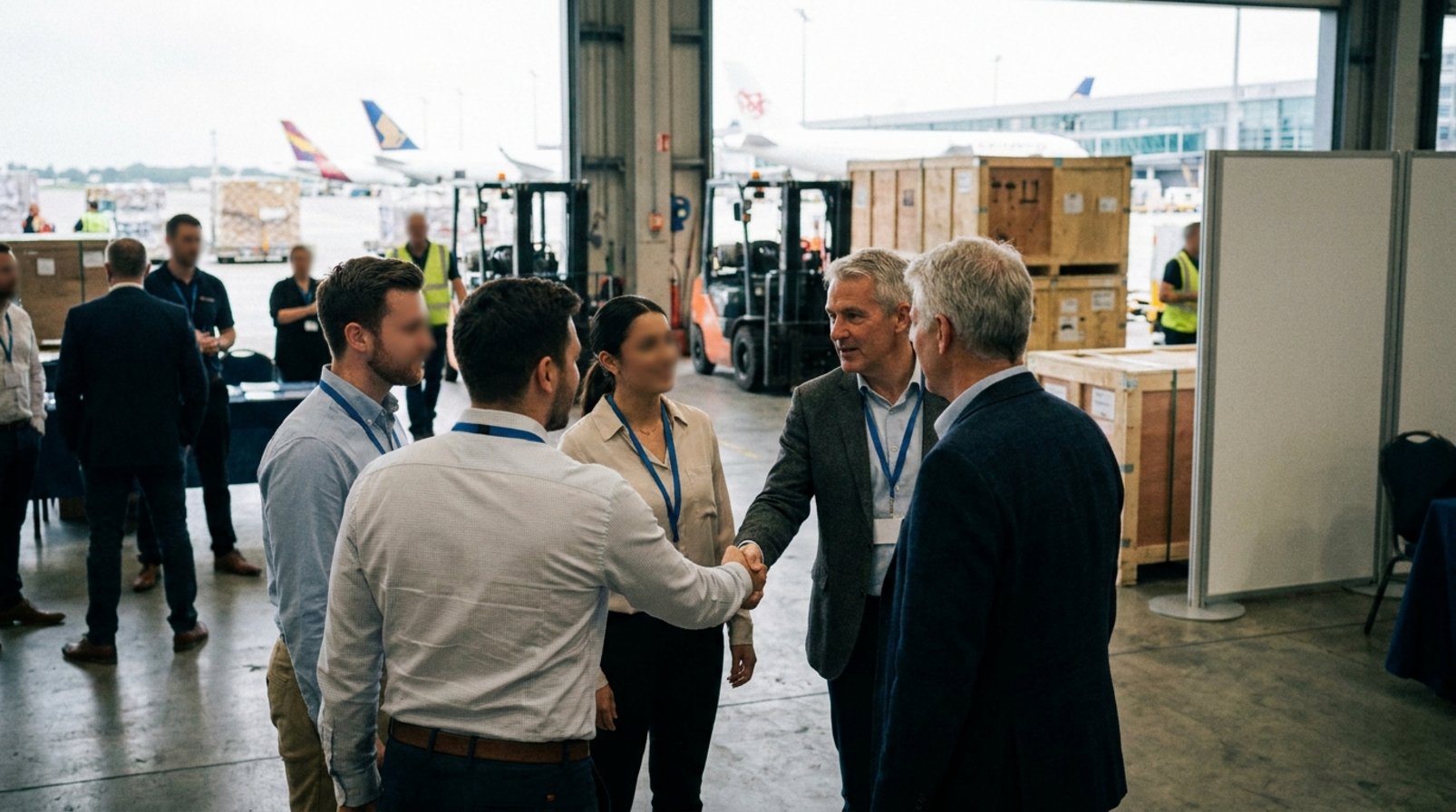
For technology companies, this reflects a familiar reality: AI capability is determined not only by models, but also by the people behind them. A company’s ability to attract top researchers and technical leaders will strongly affect its employer brand reputation, product innovation speed, and long-term competitiveness. In this context, the AI race is no longer just a software race, but a race between talent ecosystems.
Source: An X post from International Cyber Digest, citing information about Anthropic’s personnel.
AI is not just technology, but a strategic advantage in the global value chain
Placed side by side, these two stories show AI expanding its influence in two very clear directions: optimizing real-world operations and accelerating the accumulation of human capability. On one side is a container ship using AI to make better decisions at sea; on the other is a leading AI company continuing to gather top talent to speed up research and deployment capabilities.
Read more: Why Social Commerce Is Becoming Vietnam’s New Competitive Edge
Read more: The AI Race Marketers Can't Ignore: Models, Access and Real-World Impact
For marketing and corporate communications teams, this is a reminder that the AI story should be told with concrete indicators rather than slogans. Instead of simply saying “using AI,” businesses need to answer: which process is AI helping shorten, which friction is it reducing, which experience is it improving, and which team is creating that value? This is the kind of storytelling that will determine how persuasive a brand is in the eyes of customers, investors, and candidates.
AI must be tied to operations, talent, and verified communications
For Vietnamese businesses, the three standout lessons from this set of news are:
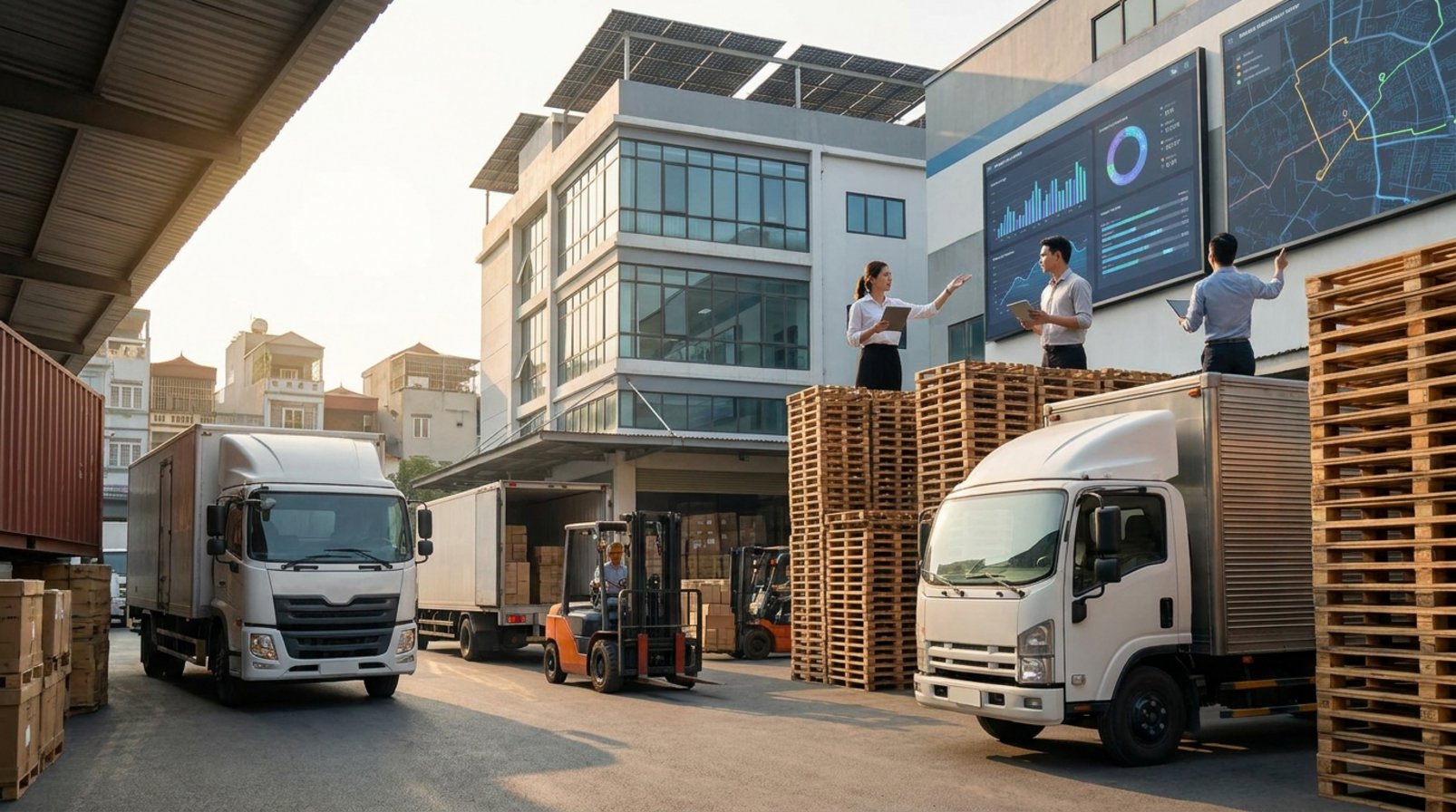
- AI must be tied to operational problems: Logistics, manufacturing, retail, and e-commerce can find the greatest value when AI is used to optimize routes, inventory, demand forecasting, or customer service.
- AI talent is a strategic asset: The race to attract strong engineers, researchers, and product leaders will become increasingly important. Vietnamese companies’ employer brands need to clearly show their technology vision and real development opportunities.
- AI communications must be specific and verifiable: Users are becoming increasingly sensitive to vague “AI-powered” claims. Real evidence, operational metrics, and concrete application stories will be far more credible than ambiguous messaging.
In other words, AI is shifting from a “communications trend” to a “competitive capability.” Vietnamese businesses that understand this early will have an advantage in both the market and recruitment.
See more marketing news and guides at https://marketing365.vn.
See more marketing analysis & guides at Marketing365.
Read more articles in the same category AI developments.
This article focuses on latest AI news with a perspective for the Vietnamese market.
References
- Serenity (@aleabitoreddit) on X
- Mario Nawfal (@MarioNawfal) on X
- International Cyber Digest (@IntCyberDigest) on X