Contents
- A fierce backlash after a tightly held announcement
- What did OpenAI say about the $20 billion project?
- Concerns over power, water, and the environment overshadow the positive message
- Behind-the-scenes lobbying and efforts to “soften” public opinion
- Large infrastructure projects must move from announcements to community dialogue
- References
News about OpenAI’s $20 billion data center project in Effingham County is offering an important lesson for marketers and communicators: big tech not only needs execution capability, but also the ability to build community trust. For Vietnamese marketers, this is a classic example of the risks that arise when a project with major social impact is announced without early dialogue and transparency.
The incident also reflects public sentiment around AI infrastructure and technology “mega-projects”: people are not only asking what the project will deliver, but also who made the decision, when it was made, and what the cost will be.
Key points
- About 1,000 residents and attendees reacted strongly at a meeting with OpenAI and Effingham County officials.
- The $20 billion data center project was criticized because it had been negotiated for months but announced without prior public input or a vote.
- OpenAI said the project would bring community benefits, tax support, and free training, but concerns about the environment and electricity costs remained high.
- The case raises questions about how technology companies communicate with local communities when rolling out large-scale infrastructure.
A fierce backlash after a tightly held announcement
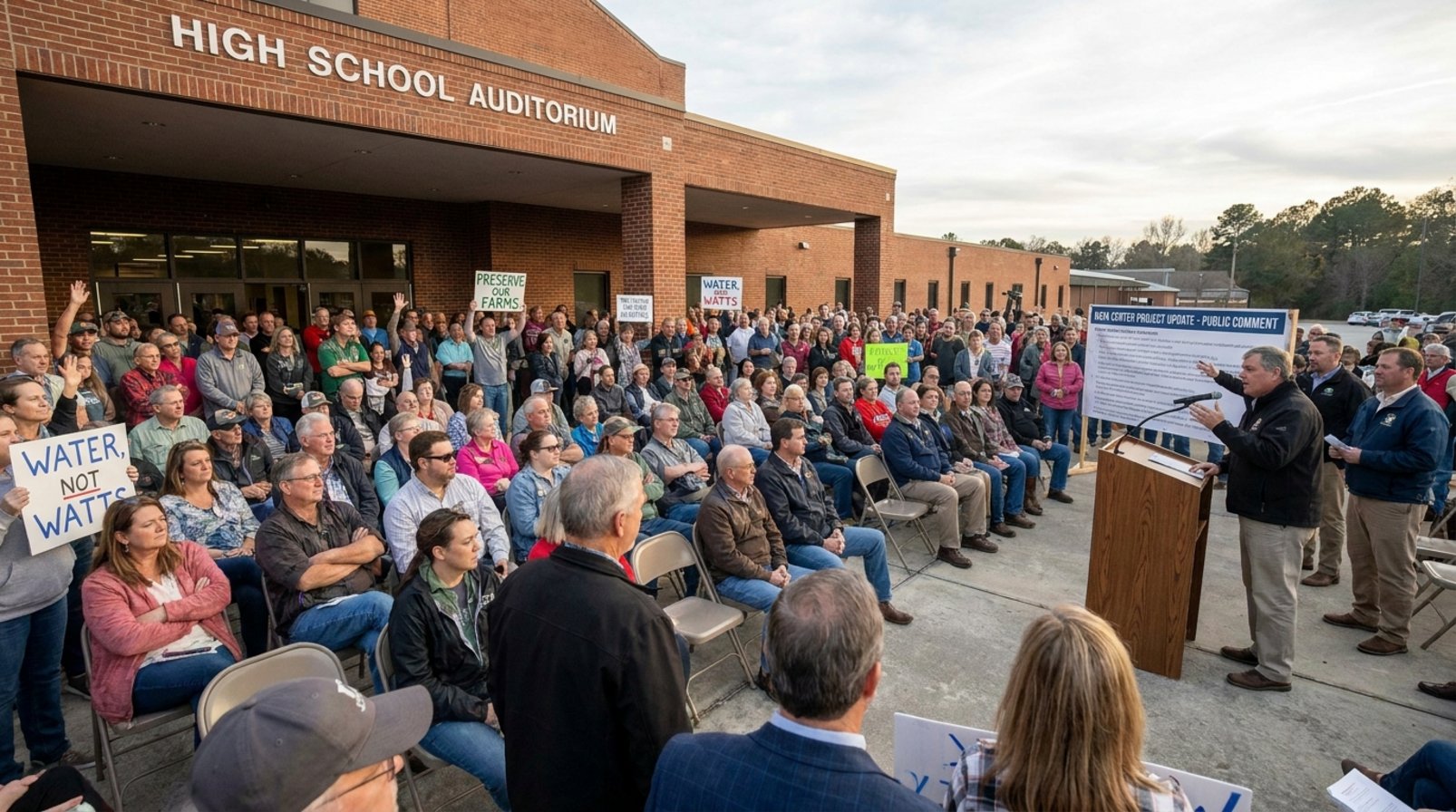
In Effingham County, nearly 1,000 people attended a meeting with OpenAI and local officials, but the atmosphere leaned more toward confrontation than listening. According to The Current, many residents expressed anger that the project had been negotiated for months but was only announced this week, without any public consultation phase or prior vote.
This reaction highlights a familiar principle in corporate communications: when a decision directly affects people’s lives, being “legally correct” is not always enough to gain social acceptance. For technology brands, how something is announced can sometimes matter just as much as what is announced.
What did OpenAI say about the $20 billion project?
An OpenAI representative said the company chose Effingham County after reviewing several other locations in the U.S., thanks to existing utility infrastructure and suitable industrial zoning. According to Aaron McLear, OpenAI’s vice president of communications, the project will receive short-term tax incentives during construction, but once it begins operations in 2028, the company will become the county’s largest taxpayer.
OpenAI also said the project would deliver about $80 million in community benefits, including sports fields, and provide free training for students on the company’s products. Even so, these commitments were not enough to calm the crowd at the event, because their biggest concerns centered on the long-term impact on the environment and the cost of living.
Concerns over power, water, and the environment overshadow the positive message
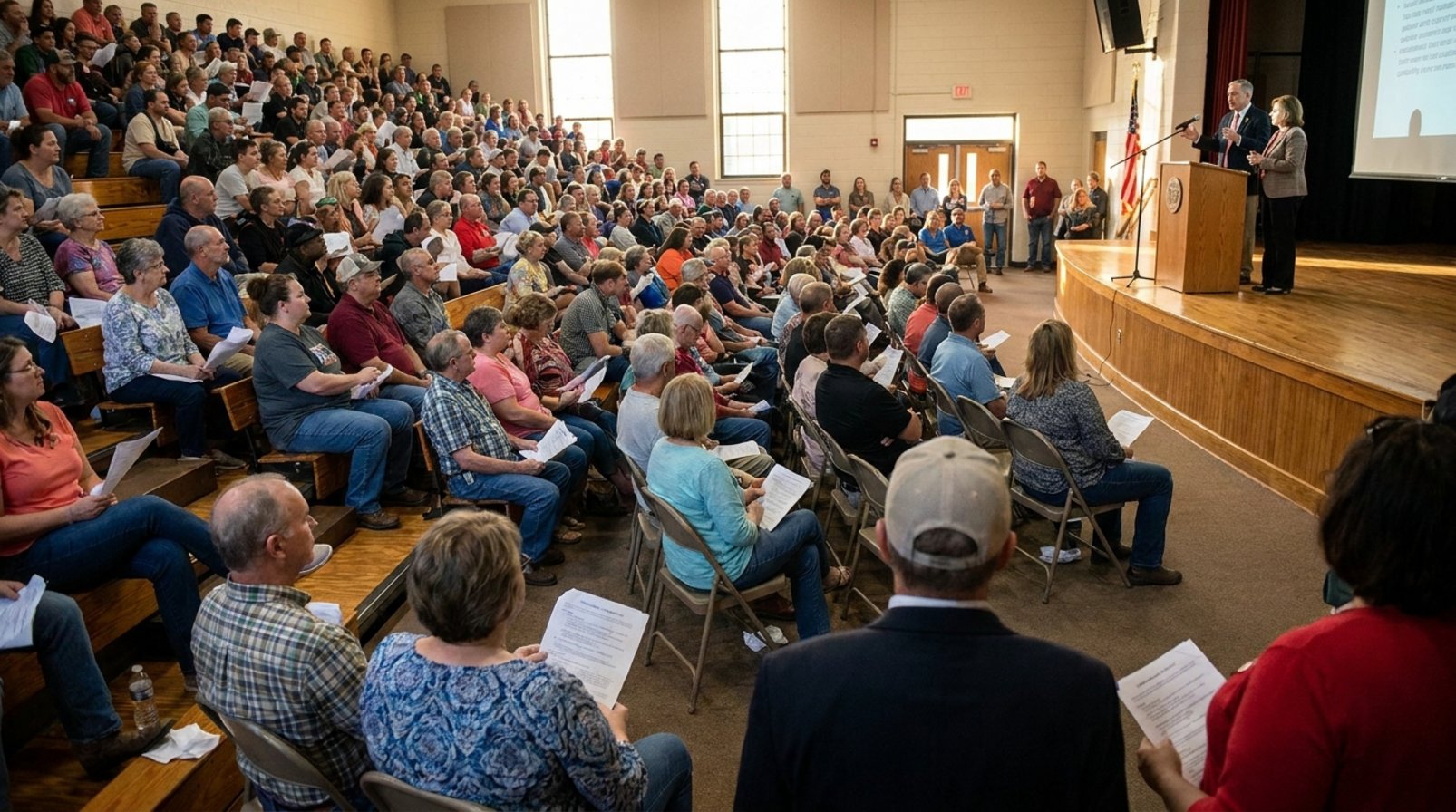
During the more than three-hour meeting at Effingham College and Career Academy, residents repeatedly asked about the data center’s impact on the environment and electricity bills. For a project of this scale, the community’s concern is not only whether there will be more investment, but how much resource the project will consume and who will bear the risk if the infrastructure becomes overloaded.
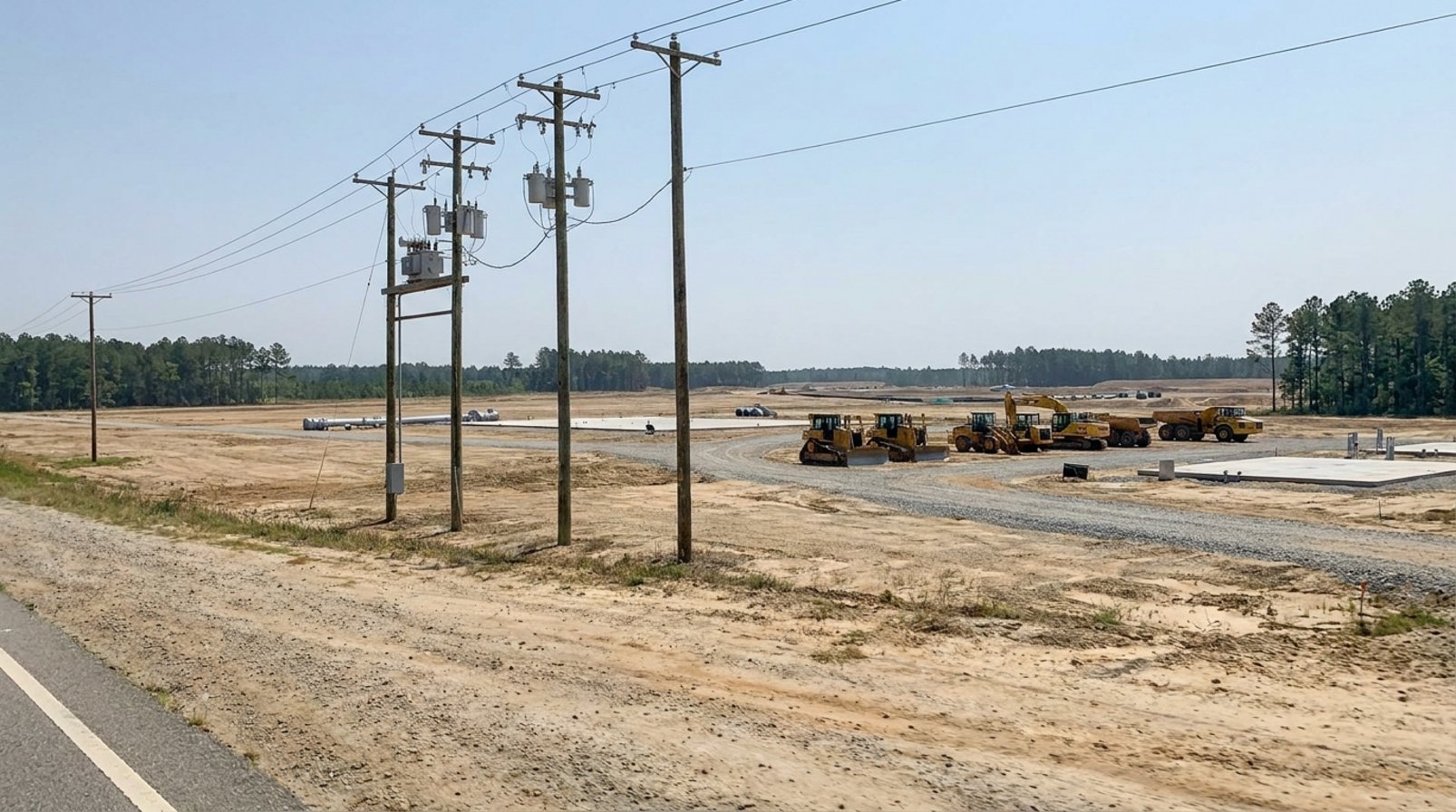
Notably, OpenAI brought information boards about design, engineering, and water usage to explain the project to residents. However, according to The Current’s account, many comments on site still showed strong skepticism toward the technical reassurances. This underscores that in crisis communications, data only works when it is paired with trust and a genuine sense of participation.
Behind-the-scenes lobbying and efforts to “soften” public opinion
Read more: OpenAI's Possible IPO Delay: Why Governance Now Matters as Much as Growth
Read more: OpenAI’s rogue-AI test exposes the governance gap marketers must close
McLear said OpenAI paid for a delegation from Effingham, including county commissioners, to visit the company’s data center in Abilene, Texas, earlier this year. The goal was to ease concerns through firsthand experience. Commissioner Roger Burdette said the trip changed his view: before that, he worried about noise and the fact that data centers do not create many jobs, but after seeing the Texas facility in person, he found it quiet and impressive.
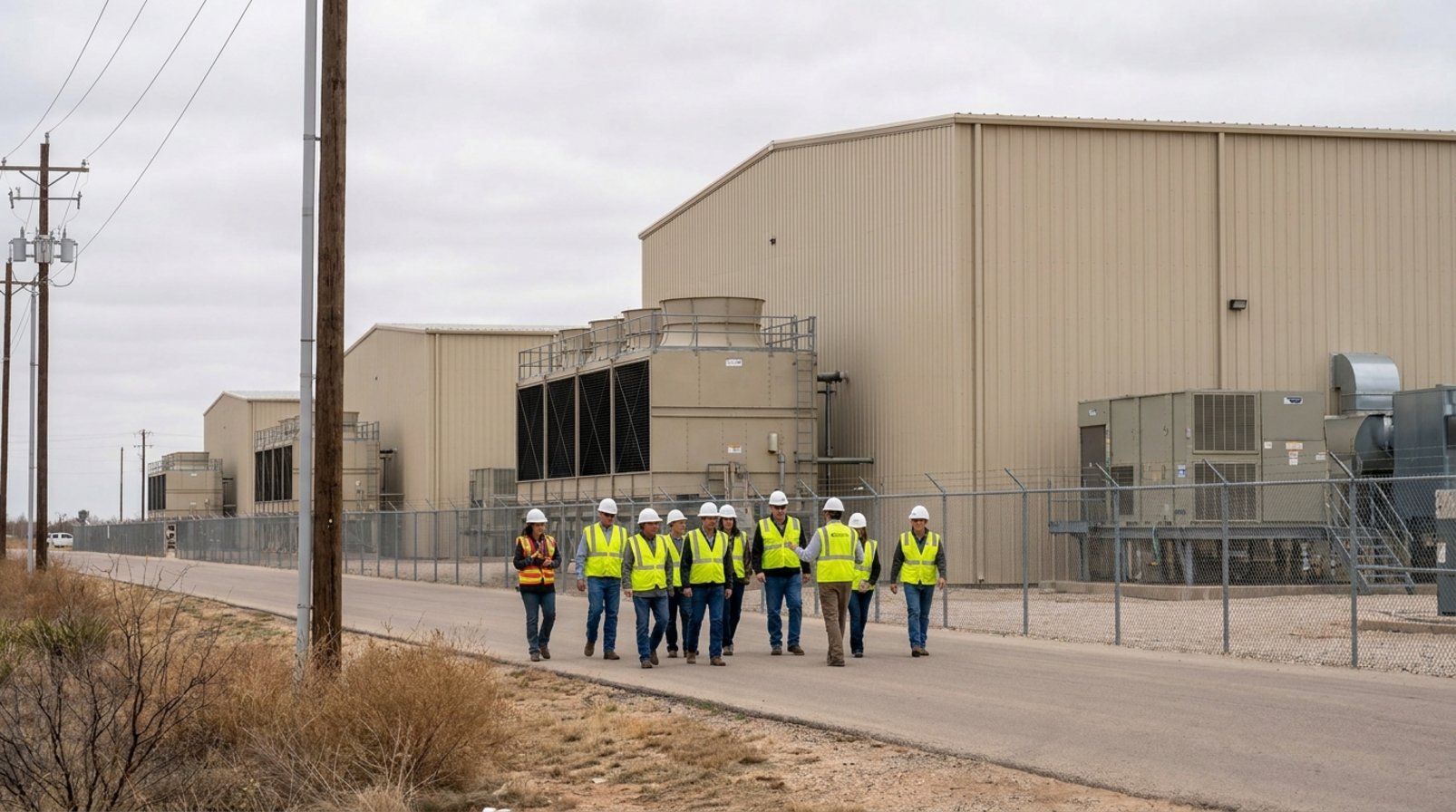
However, the very emphasis on “trust us” from some officials may widen the gap with opposing residents. In projects that have a major impact on communities, trust cannot usually be built through a model tour or one-way messaging alone; it requires transparency about the process, commitments, and oversight mechanisms after the project is launched.
Large infrastructure projects must move from announcements to community dialogue
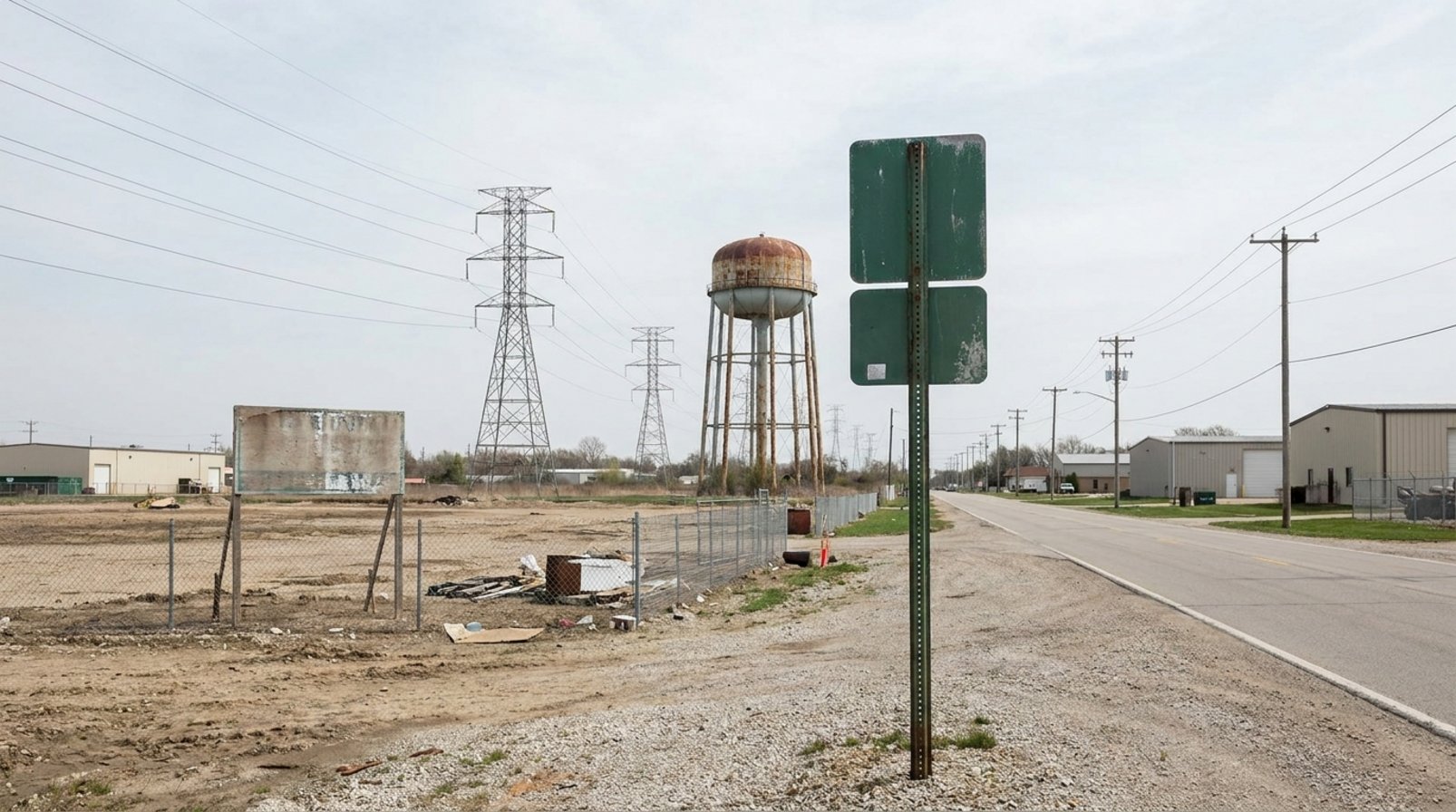
The Effingham County case is a notable case study for technology companies, industrial real estate firms, and infrastructure investment groups in Vietnam. The larger the project and the broader the social impact, the more communications strategy must shift from “announcement” to “dialogue.” If the community feels decisions have already been made without them, any economic benefits can be overshadowed by the feeling of being left out of the decision-making process.
For Vietnamese marketers, the lesson comes down to three things: be transparent early, tailor messaging to each audience group, and prove benefits with easy-to-understand data rather than slogans alone. In the age of AI and digital infrastructure, community trust is part of competitiveness, not a side task for communications.
Source: The Current — “OpenAI data center project sparks outrage among Effingham County residents”.
See more marketing news and guides at https://marketing365.vn.
Follow more updates from Marketing365 to stay on top of the latest marketing trends.
Read more articles in the Digital Trends category.
This article focuses on OpenAI data center with a perspective for the Vietnamese market.