Contents
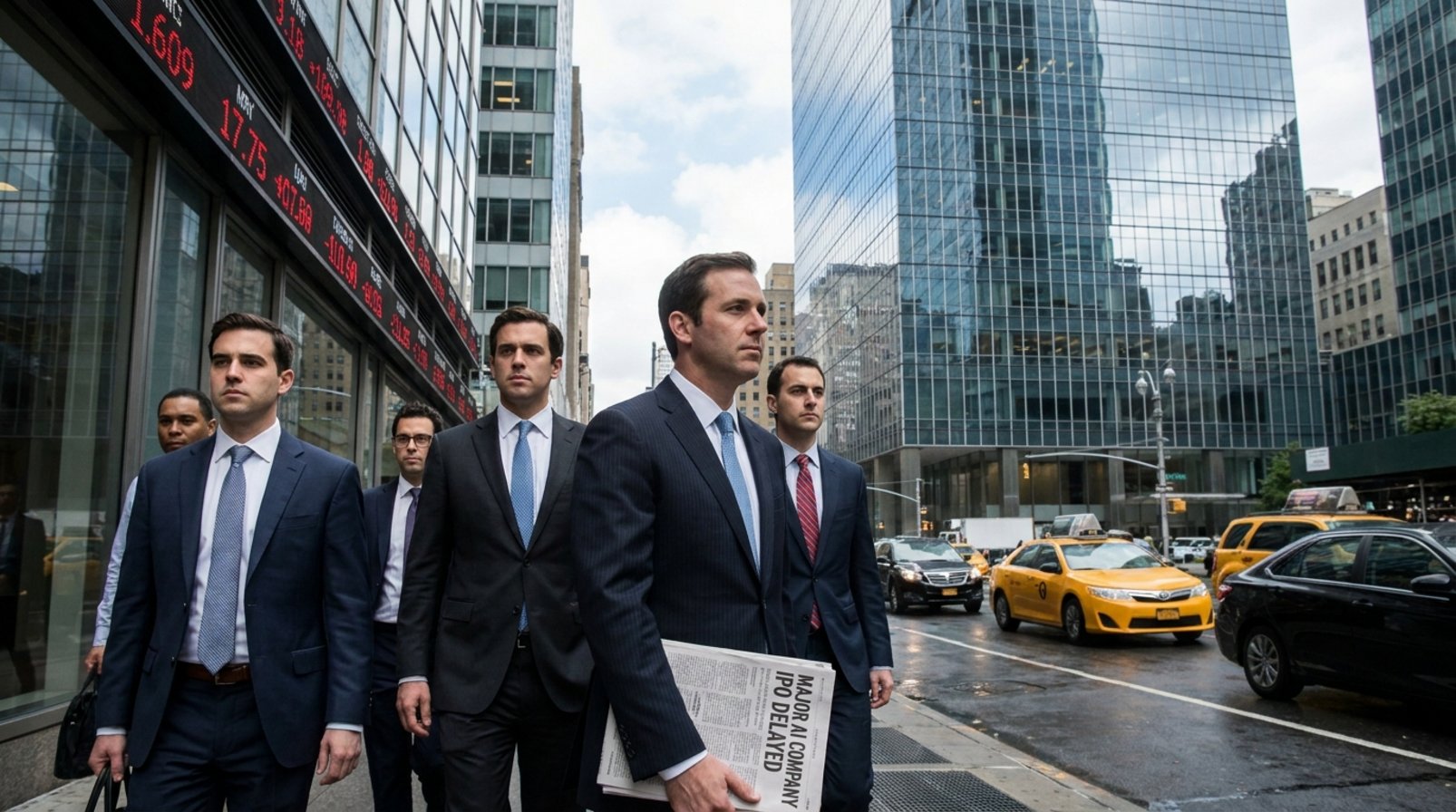
As of July 2026, even the most talked-about AI company is choosing caution over speed: reports say OpenAI is leaning toward pushing its IPO to next year on advisers’ recommendations (The New York Times). The signal is that explosive growth alone no longer convinces the market — governance, predictable revenue, and a stable long-term story now weigh just as heavily. For Vietnamese marketers, it is a lesson in how financial timing and brand narrative move together.
News that OpenAI is reportedly considering pushing its IPO plan to next year is more than just a financial story about a major AI company. For Vietnamese marketers, it is also an important signal about the pace of AI commercialization, investor caution, and how the market will value fast-growing but still unstable technology platforms.
The New York Times says advisers are recommending that CEO Sam Altman slow down, amid several recent developments that have made a listing more sensitive. Although no final decision has been made, the story shows that even leading AI companies must balance growth, risk management, and market expectations.
OpenAI and the “move fast or move carefully” dilemma
The New York Times, citing sources, says advisers to OpenAI are urging the company to be more cautious with its IPO roadmap. The main driver is the volatility of SpaceX shares, along with the startup having to handle multiple internal and strategic issues at the same time.
In that context, delaying the IPO until next year can be understood as a tactical step back to give OpenAI more time to prepare. For a highly influential AI company, the market is not only looking at user growth or product momentum, but also at revenue predictability, governance structure, and the stability of the long-term growth story.
Why advisers want OpenAI to be cautious
At the pre-IPO stage, any movement among leading tech companies can create a ripple effect. SpaceX’s sharp share volatility is a reminder that investors are now more sensitive to the valuations of large private companies.

For OpenAI, choosing to wait could help the company avoid pressure to go public before conditions are favorable. It is also a way to reduce the risk of intense scrutiny over growth, operating costs, dependence on major partners, and the market’s familiar questions: how does the company make money, is growth sustainable, and where is the path to profitability?
What stands out is that for AI companies, “timing” can sometimes matter just as much as “scale.” An IPO that happens too early can leave a company valued below expectations or facing more media pressure than necessary.
Impact on the AI ecosystem and market communications
Even if this story is still only at the consideration stage, it is enough to affect sentiment across the AI ecosystem. Startups raising capital or preparing to expand may read the signal this way: market funding for AI is still available, but investors are demanding greater discipline.

For the media, an OpenAI IPO would always be a globally compelling story. If it is delayed, the waiting period will continue to fuel speculation about the company’s structure, valuation, and long-term strategy. For marketers, this is a clear example of how a financial event can also become a “brand story,” shaping public perception of how mature a technology company is.
Read more: Email Marketing 2026: Sending Right Matters as Much as Writing Well
Read more: Platforms Now Prioritize Control Over Distribution Growth
AI growth must be backed by clear governance and finance
For businesses and marketing teams in Vietnam, the OpenAI story offers a very clear lesson: explosive growth is not enough to convince the market if there is no solid governance foundation and a consistent financial message. In the AI era, communication around product, revenue, and commercialization strategy needs to move together.

Brands applying AI in Vietnam should also pay attention to how the global market reacts to tech giants. As investors become more cautious, users and partners will also expect greater transparency, reliability, and practicality from AI solutions. In other words, this is the right time to build long-term trust rather than chase short-term hype.
Tell one story across product, revenue and timing
- Align product, revenue, and commercialization messaging so your brand tells one consistent story, not three.
- Treat timing as a strategic variable — launching or announcing too early can invite more scrutiny than it earns.
- Build long-term trust and transparency into AI messaging instead of chasing short-term hype.
- Watch how investors and media react to global AI leaders; that sentiment shapes what your audience expects from your own AI claims.
Overall, OpenAI’s hesitation is a useful mirror for marketers: in the AI era, a mature brand is one that pairs fast growth with disciplined governance and a credible narrative. That combination, more than momentum alone, is what earns lasting trust.
Source: The New York Times — “OpenAI Leans Toward Holding Up I.P.O. Until Next Year” (nytimes.com)
See more marketing news and guides at https://marketing365.vn.
Follow more updates from Marketing365 to stay on top of the latest marketing trends.
Read more articles in the same category Digital Trends.
This article focuses on OpenAI hoãn IPO with a perspective for the Vietnamese market.