
Contents
- OpenAI steps beyond the role of a “model maker”
- Jalapeño is optimized for LLM inference, not a general-purpose chip
- A 9-month development cycle: a sign of the co-design era between AI and hardware
- Performance per watt and the challenge of gigawatt-scale deployment
- Inference costs will decide the effectiveness of internal AI
- Compare inference cost and latency, not just quality
- References
As of July 2026, the AI race is visibly moving down the stack: OpenAI and Broadcom have unveiled Jalapeño, an LLM-inference chip taken from design to tape-out in just nine months. The story is less about a single processor and more about who controls the compute, power, and networking that make large models affordable to run. For Vietnamese marketers, it is a reminder that the cost, speed, and reliability of the AI tools you depend on are decided far upstream, at the infrastructure layer.
OpenAI and Broadcom have just announced Jalapeño, the first AI processor in the multi-generation hardware strategy the two companies are building together. For marketers and technology businesses in Vietnam, this is not just a chip story, but also a signal that the AI race is shifting from software to the entire infrastructure that powers large-model inference.
The notable point is that Jalapeño is designed specifically for LLM inference, was completed from design to tape-out in just 9 months, and according to the initial announcement has better performance per watt than the current leader. This shows that AI is no longer only about “which model is smarter,” but increasingly a game of compute cost, power consumption, networking, and the ability to deploy at scale.
OpenAI steps beyond the role of a “model maker”
In the joint announcement, OpenAI said Jalapeño is its first “Intelligence Processor,” aimed at building a full-stack computing platform: from products and models to chips. This move shows that OpenAI wants deeper control over the AI infrastructure value chain, rather than relying entirely on mainstream GPUs or external partners.
Strategically, this reflects a familiar reality in the industry: as inference demand surges, whoever owns a more optimized infrastructure gains an advantage in serving speed, stability, and operating costs. For businesses, that is a decisive factor in moving AI from experimentation to commercial products at scale.
Jalapeño is optimized for LLM inference, not a general-purpose chip
Broadcom said Jalapeño is a “blank-slate” design for modern LLM inference, meaning it was built from the ground up for a specific goal rather than adapted from an older architecture. The chip is intended for the systems OpenAI runs every day, such as ChatGPT, Codex, API, and future agent products.
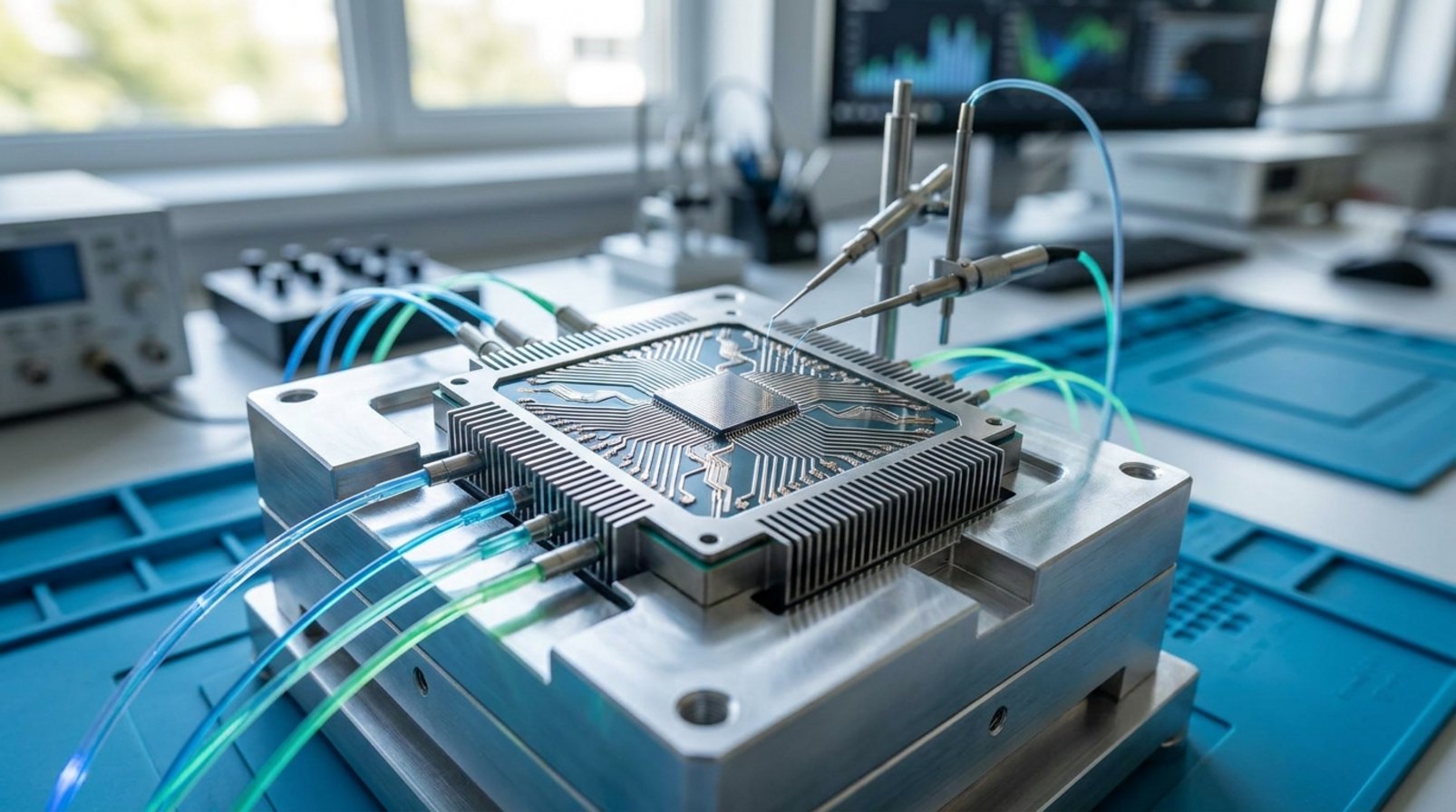
The standout technical point lies in how the data flow is optimized: reducing data movement and balancing compute, memory, and networking to get closer to the hardware’s theoretical performance. In simple terms, the chip is not only powerful on paper but is also designed to perform better in real-world use, which is especially important for AI applications that need fast and stable responses.
A 9-month development cycle: a sign of the co-design era between AI and hardware
One of the most notable details is that Jalapeño went from design to tape-out in 9 months. According to Broadcom and OpenAI, this speed was made possible by a software-hardware co-development process, combining Broadcom’s silicon implementation expertise with the use of OpenAI’s own models to support part of the design and optimization work.
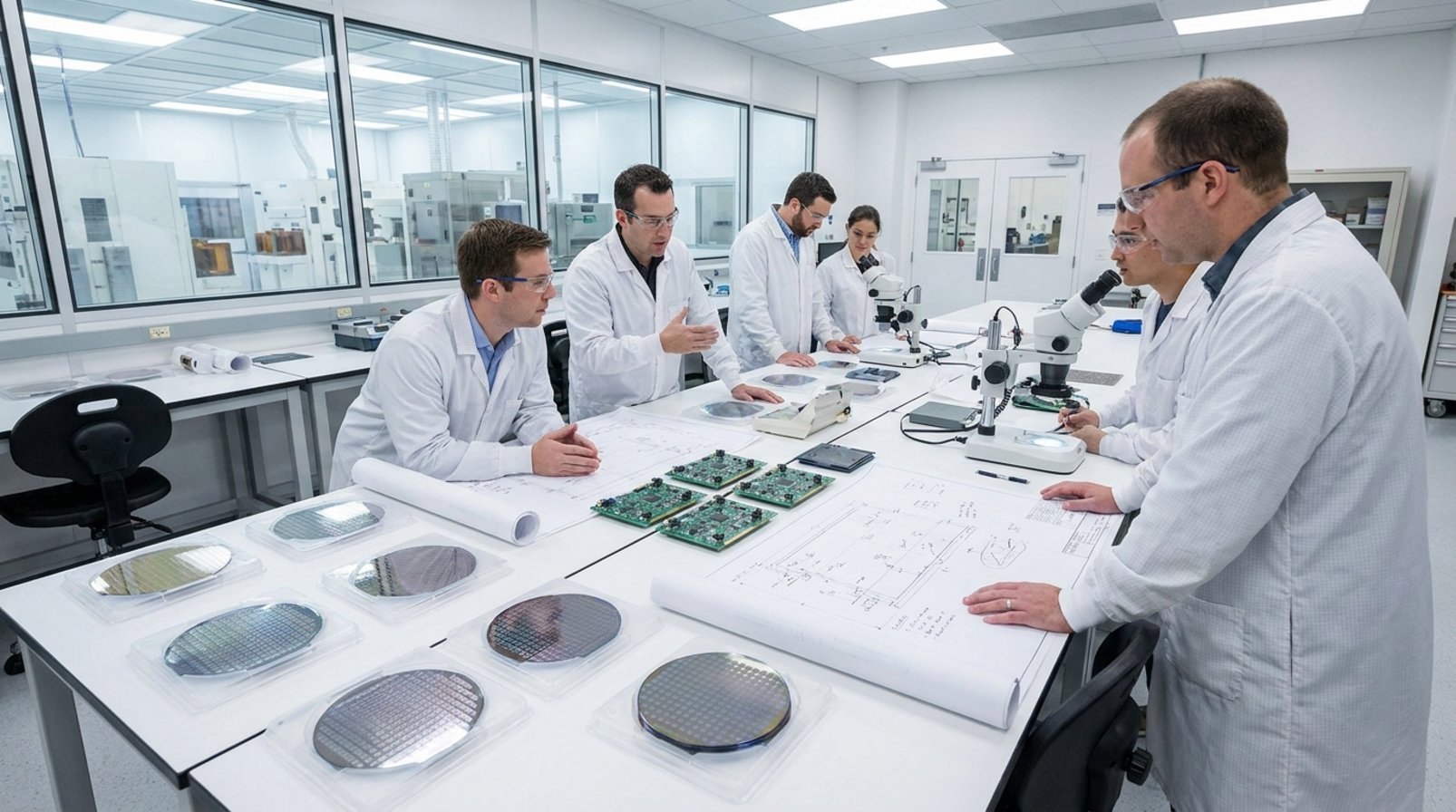
If this information continues to be confirmed in later technical reports, it could become a representative case study for the trend of AI helping build AI infrastructure. For the semiconductor and computing infrastructure industries, that opens up expectations of shorter development cycles, lower compute costs, and faster commercialization of specialized platforms.
Performance per watt and the challenge of gigawatt-scale deployment
OpenAI said early test results show Jalapeño will deliver significantly better performance per watt than the current leader, although the company has not yet released final figures. At the same time, Broadcom emphasized that the platform is designed for gigawatt-scale deployment with data center partners, with plans to begin in 2026.

This shows that the AI market’s focus has shifted strongly toward energy efficiency. As models grow larger and serving demand increases, power, cooling, and network connectivity become real bottlenecks. Any architecture that reduces electricity consumption per query or per processed token can create a major economic advantage.
Inference costs will decide the effectiveness of internal AI
For Vietnam, this is worth watching on three levels. First, companies investing in internal AI need to understand that model choice is only one part of the equation; long-term operating costs depend heavily on inference infrastructure. Second, cloud providers, data centers, system integrators, and AI agent developers will face increasing pressure on performance and power consumption. Third, it is a signal that those building AI products for the Vietnamese market should plan for scale in advance, not stop at the demo stage.

For marketers, the practical message is: AI creates faster, more personalized, and cheaper experiences when the infrastructure is better. That could pave the way for customer service, content generation, internal search, and marketing automation applications at larger scale, but it also requires a new way of evaluating cost, latency, and reliability.
Compare inference cost and latency, not just quality
- Treat inference cost, not just model quality, as a core factor when choosing AI tools and vendors for content, ads, and automation.
- Ask providers about latency and reliability at scale, not only demo performance, before committing campaigns to a platform.
- Plan AI products and workflows for real volume from the start, rather than stopping at the demo stage.
- Track how efficiency gains such as better performance per watt translate into lower per-query costs you can put toward campaigns.
Overall, Jalapeño shows that the AI advantage is increasingly built at the hardware level. For marketers, the practical takeaway is to evaluate AI the way you would any operating cost — on latency, reliability, and price per result — because those numbers, set upstream, will shape what your campaigns can actually do.
Source: Broadcom’s press release on OpenAI and Broadcom unveiling Jalapeño, an LLM inference-optimized processor.
See more marketing news and guides at https://marketing365.vn.
Follow more updates from Marketing365 to stay up to date with the latest marketing trends.
Read more articles in the same category Digital Trends.
This article focuses on the Jalapeño chip with a perspective for the Vietnamese market.