Contents
- GPT-5.6 Sol aims at reliability for everyday use
- Why the advantage is shifting toward ecosystems rather than individual campaigns
- Behind a smooth AI experience sits a very large infrastructure bill
- How social media in Vietnam will be affected
- Connect social data to CRM so the journey is measurable
- References
Social media is no longer a game centered only on creative ideas or posting frequency. As AI moves deeper into chat experiences, business operations, and infrastructure, the way content is created, distributed, and measured on social networks is also being pulled into a new logic: faster, more personalized, but at the same time more dependent on the technology platform behind it.
For Vietnamese marketers, the key point is not a single announcement, but the fact that multiple signals are pointing in the same direction: social media is shifting from a “communications channel” to an “AI-powered operating ecosystem.” This will directly affect how content is made, how customers are supported, how costs are managed, and even the level of dependence on the platform.
- Key point:
- AI is being pushed deeper into the end-user experience, changing expectations for the speed and usefulness of content on social.
- Businesses are not just buying tools; they are integrating AI into operations, decision-making, and customer care.
- The real value of social media is shifting from “reach” to “the ability to create high-quality, measurable interactions.”
- Vietnamese marketers need to prepare for an environment where content, technology, and infrastructure are all strategic variables.
GPT-5.6 Sol aims at reliability for everyday use
OpenAI shows that AI is being refined to better serve everyday conversations, with GPT‑5.6 Sol improved in information reliability and more focused answering; at the same time, free users are being given expanded access to GPT‑5.6 Luna and unlimited text chats. The message here is very clear: AI is no longer an “experimental” layer for a small group, but is being mainstreamed into everyday usage habits.
At the same time, OpenAI and Clearlake Capital announced a partnership to accelerate AI adoption across more than 50 companies in Clearlake’s portfolio. That means AI is not only appearing at the end-user layer, but also moving into the business operations layer, where decisions about processes, efficiency, and growth are being restructured by technology. These two developments create a unified picture: AI is moving from experience to operations, from individuals to organizations.
On the other side of the ecosystem, articles from Fortune, CNBC, and The Current show that AI is affecting the business landscape in less flashy but very practical ways: AI model evaluation frameworks are being discussed at the public policy level, investments in OpenAI and Anthropic are beginning to distort how tech giants’ profits are viewed, and power infrastructure for AI data centers is becoming a policy issue. In other words, social media no longer stands alone; it is being shaped by a new value chain in which models, capital, and infrastructure all affect how platforms operate.
Why the advantage is shifting toward ecosystems rather than individual campaigns
The common thread between OpenAI upgrading ChatGPT for end users and Clearlake integrating AI across its portfolio companies is this: competitive advantage is increasingly rooted in ecosystems. A successful social campaign now depends not only on strong content, but also on whether data is being fed into the right tools, the right workflows, and at the right time.
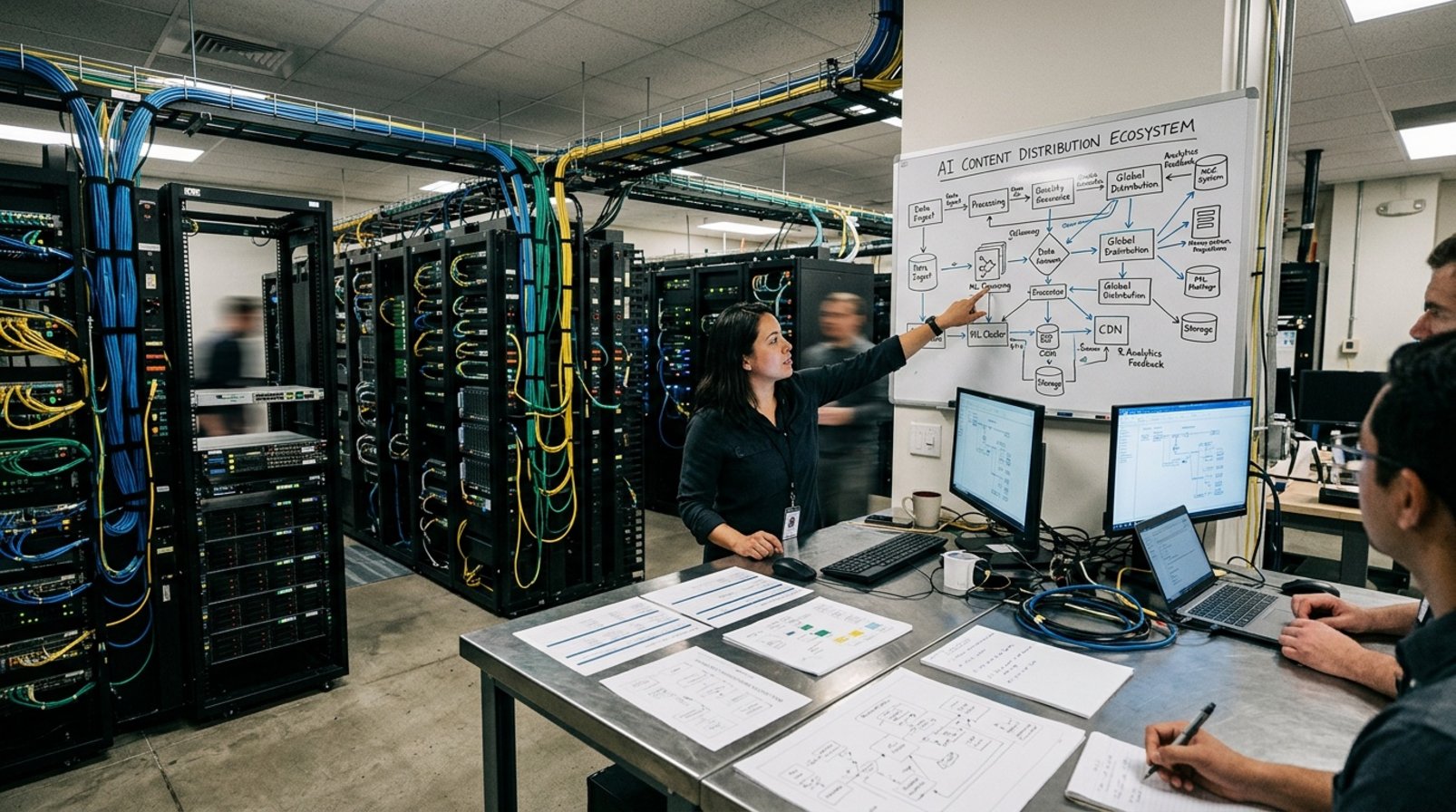
As AI becomes widely adopted as a daily-use infrastructure layer, users are also forming new expectations: responses must be fast, answers must match their needs, and interactions must feel more natural. That is why social media marketing will increasingly be measured by the quality of conversations and the conversion rate from interaction to action, rather than just counting reach or impressions. The way OpenAI is “optimizing for conversation” is a signal that social platforms will also be pushed toward smarter conversational experiences.
From a business perspective, the OpenAI–Clearlake partnership and broader reporting on Big Tech’s AI investments show that AI has entered the equation of capital efficiency and growth. When technology costs, operating models, and data-processing capabilities become advantages, social teams cannot stand apart. Content must be tied to CRM, sales, customer service, and performance analysis; otherwise, social will remain only a “communications front” that is hard to prove valuable.
Behind a smooth AI experience sits a very large infrastructure bill
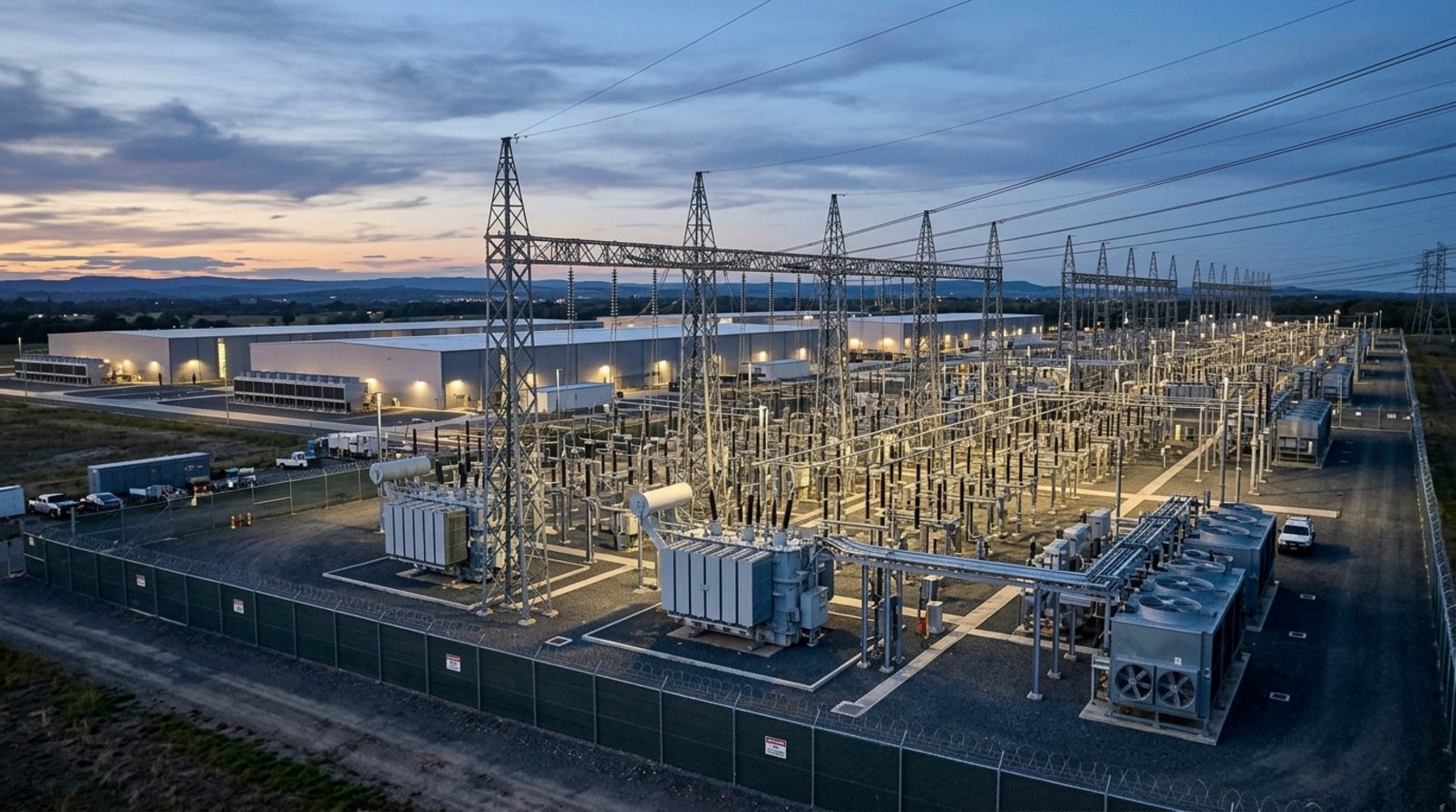
The Current’s story about the power contract for OpenAI’s data center in Georgia shows that AI is not some immaterial miracle; behind every smooth experience is a very large infrastructure layer. When a data project requires power at gigawatt scale, it reminds marketers that what looks “free” or “cheap” at the tool layer is often offset by enormous costs at the operations and infrastructure layer.
Fortune also reflects another issue: when public agencies and large enterprises are both looking at AI model evaluation frameworks, the concern is not only capability but also control and transparency. For social media, this turns into a very practical question: is AI-generated content being controlled well enough, is the input data safe, and is the business becoming too deeply dependent on a single platform?
Combining these two signals, it becomes clear that the real cost of AI is not the subscription price. It lies in the organization having to redesign workflows, approval policies, quality checks, and staff training. For social media, without a clear governance framework, faster content production can bring risks of message distortion, copyright violations, or loss of brand voice control.
How social media in Vietnam will be affected
The Vietnamese market often adopts tools quickly, but tends to underestimate the “operations” behind them. In social media, this shows up in the fact that many teams are willing to try AI for writing captions, creating visuals, or replying to comments, but few teams build processes for moderation, data standardization, and funnel-based performance measurement.

From the developments around OpenAI, Clearlake, and the debates over AI infrastructure, one lesson for Vietnamese marketers is clear: AI will not replace social media strategy, but it will replace weak, fragmented, and poorly measured processes. Businesses that treat AI only as a tool to speed up writing will soon find themselves pulled into a low-cost race; businesses that use AI to connect social with customer data, service, and conversion will have a more durable advantage.
In short, the Vietnamese market should view social media as a layer of revenue and customer-relationship operations, not just a communications channel. As user experiences are raised by AI, expectations for brands on social networks will rise as well.
Connect social data to CRM so the journey is measurable

- Review the entire social content workflow to identify which steps can be supported by AI and which steps must be approved by humans.
- Connect social data with CRM, or at minimum with a clear measurement system, to track the journey from interaction to conversion.
- Build an AI usage guide for the social team: tone of voice, fact-checking, data security, and cases where AI must not be used automatically.
- Prioritize content that solves real customer needs rather than increasing post volume; AI only works when there is a clear content strategy.
See more marketing analysis and guides at https://marketing365.vn.
Follow more analysis from Marketing365 to stay updated on the latest marketing trends.
Read more articles in the same category at Digital Trends.
References
- OpenAI — Improving GPT‑5.6 Sol in ChatGPT—and expanding access to GPT-5.6 Luna for free users
- Clearlake Capital — OpenAI and Clearlake Capital Partner to Accelerate AI Adoption Across Clearlake’s Portfolio
- Fortune — ‘Baffling’: White House won’t publicly release AI model evaluation framework it reviewed today with OpenAI, Anthropic, Microsoft, and others
- CNBC — Big Tech’s Anthropic and OpenAI stakes are distorting the corporate earnings picture
- The Current — State regulator reviews OpenAI-Georgia Power contract