Contents
- Robotaxi and AI models: the same problem of output verification
- Robotaxi geofence: operational data reaches model selection
- Measure output instead of the noise around the AI model story
- Unconfirmed: Robotaxi scale and the meaning of the Grok call
- In Vietnam’s market, AI models need to pass through a test scope
- Set logs and approval thresholds before using an AI model
- References
New AI models often attract market attention through promises, demos, and the reputation of the people behind them. But for Vietnamese marketers, usable value has to lie in outputs that can be verified: what the machine can do, within what scope, and whether the results are stable enough to fit into a workflow. Two developments around Robotaxi and the Grok call in the source posts show that the gap between narrative and operational capability remains very large.
Key points
- A launch only has marketing value when it comes with deployment scope and operational data.
- A small geofence and a low vehicle count mean the “deployed” metric is not enough to conclude model capability.
- Comments about media bias or “pump” around the earnings call are opinions, not independent evidence.
- Vietnamese marketers should test models on narrow tasks, keep logs, and set approval thresholds before scaling budgets.
Robotaxi and AI models: the same problem of output verification
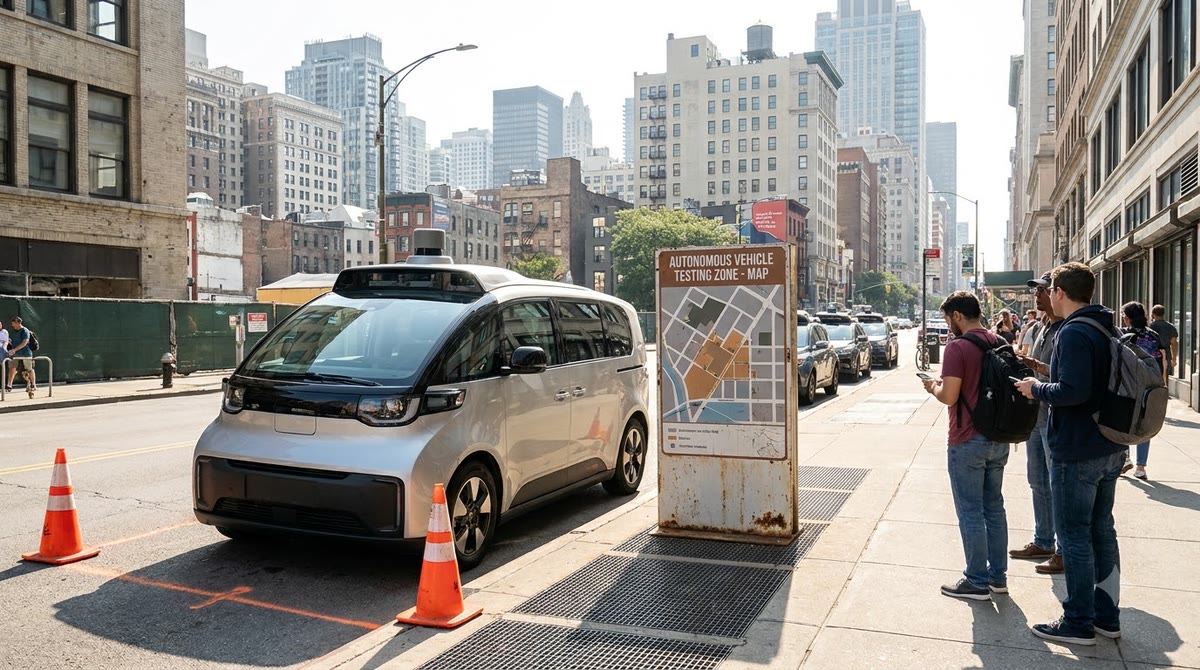
The two sources do not provide new technical specifications for any specific model. Instead, they show how the public evaluates AI capability through external evidence. Mike P’s post questions whether Robotaxi in Tampa and Orlando has only about 2–3 cars in each city, within a small geofence, and has changed little after six weeks. The post also notes that users say the Tampa coverage is not useful for downtown travel (Mike P source).
On the other side, DogeDesigner presents a long list of Elon Musk’s achievements to push back against the way a documentary teaser portrays him (DogeDesigner source). The two posts differ in topic, but they point to the same issue: the number of claims cannot replace checking results in a specific context.
Robotaxi geofence: operational data reaches model selection
This section only records what the source describes and does not treat it as an official technical announcement. Data on operating range, vehicle count, and service area still needs to be cross-checked against company materials before being used as a conclusion.
Geofence scope: turning the AI experience into something measurable
An autonomous system can operate in a limited area without necessarily serving the full range of user needs. Mike P’s post cites 2–3 cars in each city and a small geofence; the excerpt from BrettKrieger12 says the Tampa coverage is not useful. Set against the list of capabilities DogeDesigner cites for FSD, Robotaxi, and related products, the difference is this: the promise speaks to broad capability, while the real experience must answer the narrower question of how many situations the machine can handle in which area. For marketing teams, this is why the test scope must be stated clearly instead of using “deployed” as a complete metric.

Measure output instead of the noise around the AI model story
Usage coverage: it cannot replace task completion rate
A brand can say a lot about technical capability, but buyers still need to know which tasks the system completes and where it fails. DogeDesigner’s list emphasizes product scale, from electric cars and charging stations to FSD and Robotaxi. Mike P’s post, meanwhile, draws attention to the number of cars, the geofence, and how useful the service area is. These two views show that the metric “present in the market” is not enough to evaluate an AI model. Marketers should replace it with more specific indicators: task completion rate, handoff-to-human rate, processing time, and the number of out-of-scope situations.
Brand story: it cannot stand in for independent evidence
DogeDesigner argues that the teaser framed Elon Musk negatively and offers a list of achievements to balance that narrative. Mike P, meanwhile, suspects that announcing Robotaxi just before the earnings call may create a sense of hype, although the writer also says they do not want to claim that was intentional. Put the two sources side by side, and marketers can clearly see a measurement risk: both the brand owner and the critic can choose facts that support their own argument. That is why an AI evaluation dashboard should separate brand claims from usage logs, customer feedback, and repeatable test samples.
The cost of verification: what must be paid before scaling budgets
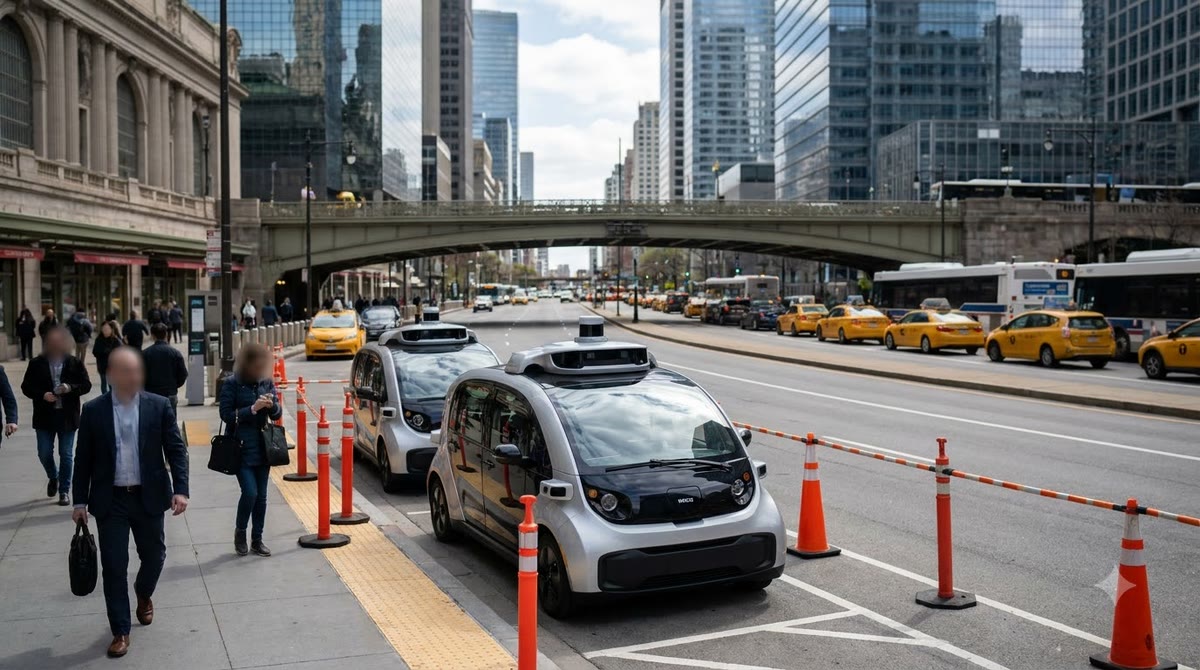
The fact that a system is allowed to operate in one area does not say anything about the cost of checking all use cases. The sources on Tampa and Orlando show that the real deployment scale must be examined, while the source on the product list shows that a capability can be presented at a very broad level. For AI models, the same principle applies to prompts, agents, or content-generation tools: you have to count testing time, the number of samples that need manual review, and the cost of handling errors before comparing models. If this cost is ignored, marketing teams can easily choose a model with an appealing story but heavy supervision overhead.
Unconfirmed: Robotaxi scale and the meaning of the Grok call
Was the Robotaxi announcement meant to build expectations for the earnings call?
Mike P speculates that announcing Tampa and Orlando right before the earnings call could create a “pump” effect. This is a personal observation based on the fact that the number of cars is small and the geofence has not expanded; the source does not confirm that the company intended it that way. What is usable: marketing teams should not repeat the accusation. Instead, separate the announcement date, the number of confirmed deployments, the service scope, and the usage metrics into separate columns in the dashboard.

How far can the Grok call confirm Robotaxi capability?
Mike P asks the Grok account a question, but the source does not include any confirming answer from Grok. So this is only a user’s expectation that AI can provide independent verification, not evidence that the model has assessed Robotaxi. What is usable: marketers should treat chatbot answers as input for finding original documents, not as a source of conclusions; any important claim must go back to logs, technical documents, or test results that can be checked.
In Vietnam’s market, AI models need to pass through a test scope
Vietnamese businesses often have to balance budgets, moderation staff, and proprietary data. So a model that is mentioned often is not necessarily better than one that can run in a small workflow with stable output. The lesson from geofencing is to clearly publish the “usable zone”; the lesson from debates around brand image is to distinguish narrative from evidence.
For content marketing, you can start with a specific group of prompts such as writing headline variants, classifying briefs, or summarizing customer feedback. The team needs to log prompts, outputs, errors, and correction time. When expanding into chatbots, advertising, or customer service, those metrics help compare models based on real work rather than the fame of the model name.
Set logs and approval thresholds before using an AI model
- Choose a narrow workflow and define the target output before buying more tools or increasing API budget.
- Record separately the scope the model is allowed to handle, the situations that must be handed off to a human, and the data that must not be put into prompts.
- Measure completion rate, correction time, repeated errors, and cost per task; do not use deployment count as the only metric.
- Verify every capability claim against original documents or your own company’s test samples before putting it into marketing messages.
See more marketing analysis and guides at https://marketing365.vn.
Follow more analysis from Marketing365 to stay updated on the latest marketing trends.
Read more articles in the same category AI developments.
References
- DogeDesigner — The teaser for Alex Gibney’s Musk documentary is out
- Mike P — Tesla Robotaxi deployments in Tampa and Orlando