Contents
- Polysights raises funding to develop AI tools for prediction markets
- Former Baldur’s Gate II co-designer turns down Baldur’s Gate 4
- Dragon Age and the backlash against generative AI in games
- Godot tightens rules, will no longer review AI-generated proposals
- Baldur’s Gate 3 publishing lead still defends physical releases
- AI needs review workflows and the right context to avoid copyright risk
- References
As of mid-2026, AI remains a flashpoint across the global gaming industry — not only as a creative tool but as a question of ethics, operations and product positioning. For Vietnamese marketers, the signal that matters is how these disputes tie directly to brand, user communities and trust in human-made content.
Key points
- Many veteran game developers are openly pushing back hard against generative AI, especially in content creation and code.
- The gaming industry is seeing more AI-tightening policies, rejecting AI-generated content in some development workflows.
- Debates around AI are closely tied to branding, copyright, and community trust.
- For the Vietnamese market, this is an important signal for game studios, agencies, and brands using AI in content creation.
Polysights raises funding to develop AI tools for prediction markets
Polysights has just raised $1.5 million to develop AI tools for prediction markets, which are markets that rely heavily on data, probability, and community behavior. According to WN Hub, this funding shows that investors still see significant room for AI applications that can support analysis and decision-making.
The notable point here is that AI is no longer limited to content generation, but is moving deeper into forecasting and data optimization problems. For the gaming and marketing industries, this trend opens up new approaches to demand forecasting, measuring market signals, and building smarter data products. Source: WN Hub.
Former Baldur’s Gate II co-designer turns down Baldur’s Gate 4
James Ohlen, co-designer of Baldur’s Gate II, said he turned down an invitation to join the development of Baldur’s Gate 4. According to posts quoting him from PC Gamer, the main reason was the project’s enormous scale and the very high expectations from the community after the success of Baldur’s Gate 3.

This is not a direct AI story, but it clearly reflects the creative pressure in today’s gaming industry: as player expectations rise, many teams tend to turn to automation tools, including AI, to shorten production time. However, the cautious response from long-time game makers shows that human experience remains central to major products. Source: Gamereactor UK and Instant Gaming News.
Dragon Age and the backlash against generative AI in games
David Gaider, former narrative lead of Dragon Age, used very strong language to criticize generative AI, calling it a “plague” and saying the technology should be removed from games. This statement extends a growing wave of backlash from creators, especially those working in storytelling, art, and worldbuilding in games.
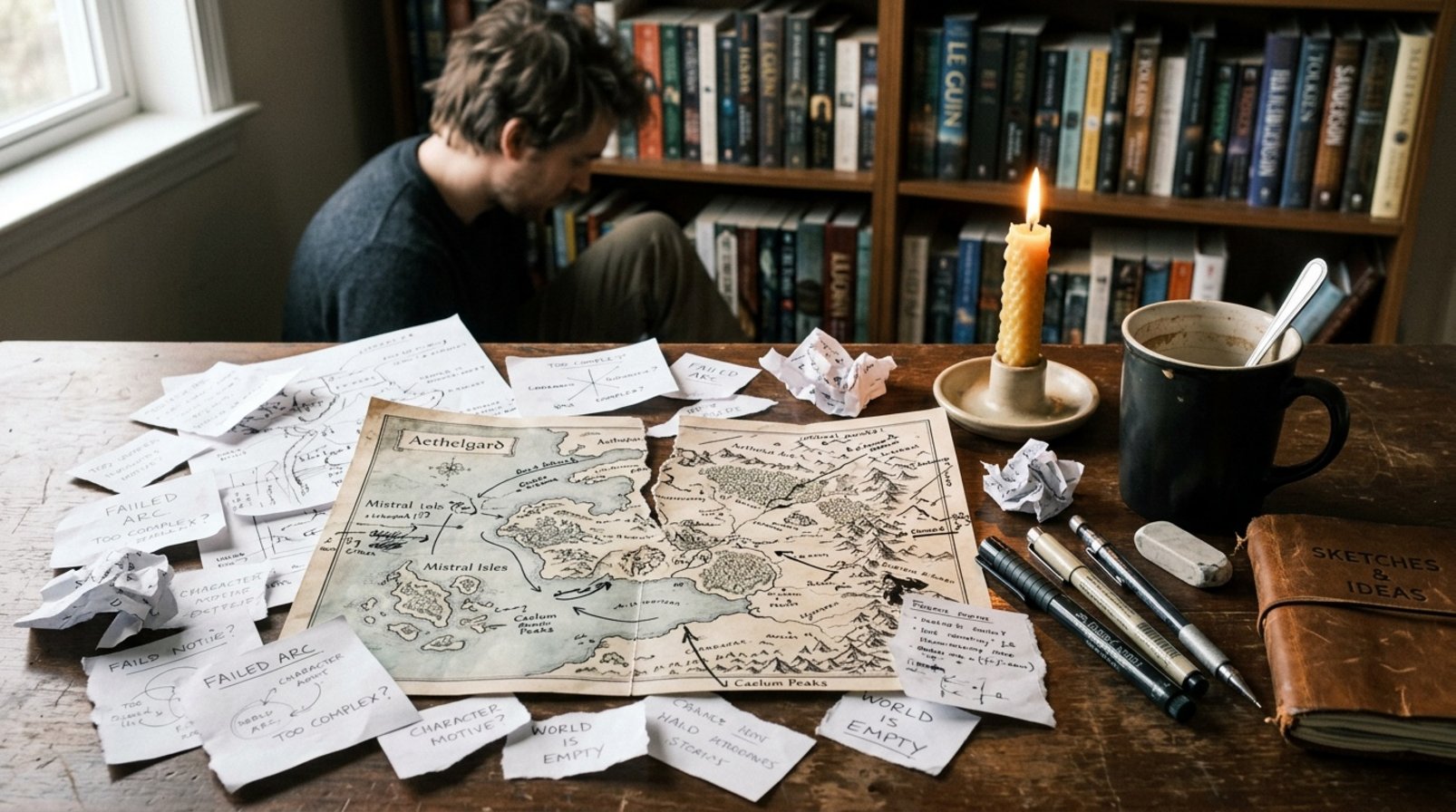
This view shows that the debate over AI in the gaming industry has gone beyond productivity. It touches on creative identity, the emotions of professionals, and the fear that products will become soulless if they rely too heavily on machines. For marketers, this is a clear example of how a technology issue can quickly turn into a reputational crisis if a brand does not communicate carefully enough. Source: FRVR.
Godot tightens rules, will no longer review AI-generated proposals
According to WN Hub, the Godot team has updated its contribution policy and introduced restrictions on AI contributions that it says are “discouraging” for the development community. It even stated that it will no longer review proposals generated by artificial intelligence in the pull request process for the engine’s source code.
Read more: AI in Games and Fan Backlash: Why Experience and Community Still Decide Brand Outcomes
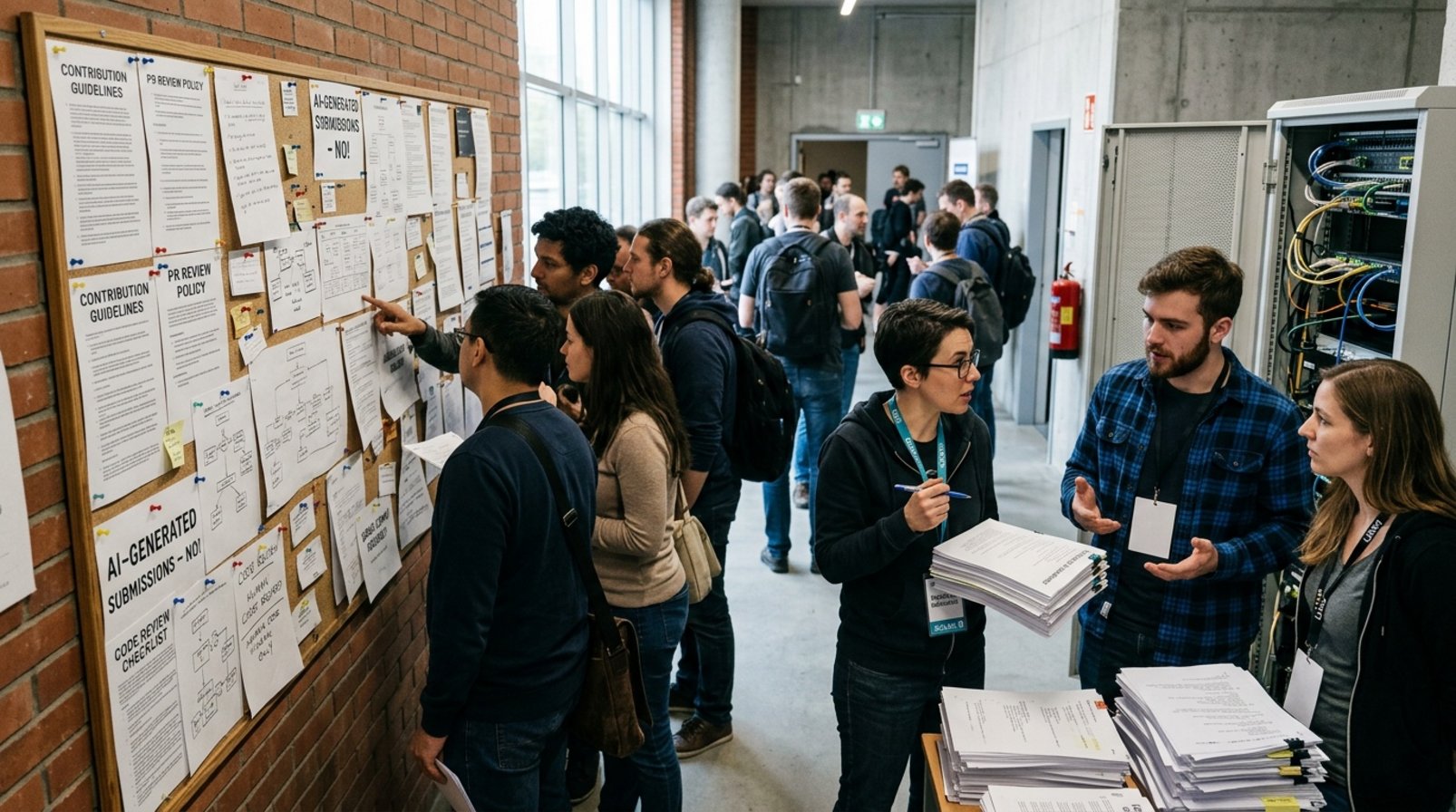
This is a strong signal of how open-source communities are responding to the AI wave. The issue is not only output quality, but also moderation costs, maintenance effort, and the experience of real contributors. For tech businesses and product marketing teams, the lesson here is: AI can help speed things up, but if it reduces trust or increases review burdens, its real-world value will be called into question. Source: WN Hub.
Baldur’s Gate 3 publishing lead still defends physical releases
TheGamer reported comments from the publishing lead at Larian Studios, who said that physical releases still have their own value and should not be overlooked. While the article focuses on physical versus digital, the broader context is that the gaming industry is being pulled into many debates about new technology, with AI being only one part of the larger picture of how products are created, packaged, and distributed.

The notable message is that users still value the feeling of ownership and the tangibility of a product, especially with brands that have loyal communities. This is directly connected to AI: as technology advances too quickly, the markers of “human-made” and “physical product” become even more important emotional anchors for a brand. Source: TheGamer.
AI needs review workflows and the right context to avoid copyright risk
For game studios, agencies, and brands in Vietnam, this set of news makes one thing very clear: AI is moving from the experimentation stage to a stage where it is being scrutinized more closely for quality, copyright, and creative value. If AI is used only to speed things up without a review process, businesses may face reputational risks no less serious than technical ones.

On the other hand, signals like Polysights show that AI still has strong potential when tied to a specific problem: forecasting, analysis, operational optimization, or decision support. Therefore, for Vietnamese marketers, the effective approach is not to “use AI at all costs,” but to choose the right context, be transparent when needed, and put user experience and brand trust first.
Explore more marketing analysis & guides at Marketing365.
Read more articles in the Digital Trends category.
References
- WN Hub — Polysights raised $1.5 million to develop AI tools for prediction markets
- Gamereactor UK — Baldur’s Gate II co-lead designer already turned down making Baldur’s Gate 4
- Instant Gaming News — James Ohlen, co-lead designer of the second Baldur’s Gate, turned down Baldur’s Gate 4
- FRVR — Dragon Age narrative lead dubs Generative AI a “virulent plague” that should be stripped out of games
- TheGamer — Baldur’s Gate 3 Publishing Lead Doesn’t Regret The Pricey Physical Copy