
Contents
The AI race in 2026 keeps producing signals that matter to marketers, from the reliability of code-generation tools to senior talent moving between OpenAI and Google DeepMind. For Vietnamese teams, the lesson from Codex briefly wobbling and then stabilizing, and from a Gemini co-lead switching sides, is not to chase every tool but to build AI workflows that are controlled, resilient, and not dependent on a single platform.
OpenAI says Codex has stabilized after a period of elevated errors
According to Business Insider, OpenAI said Codex has returned to normal after the system recorded “elevated errors” during a period of surging usage demand. In other words, the coding assistant went through a period of unstable performance before being fixed.
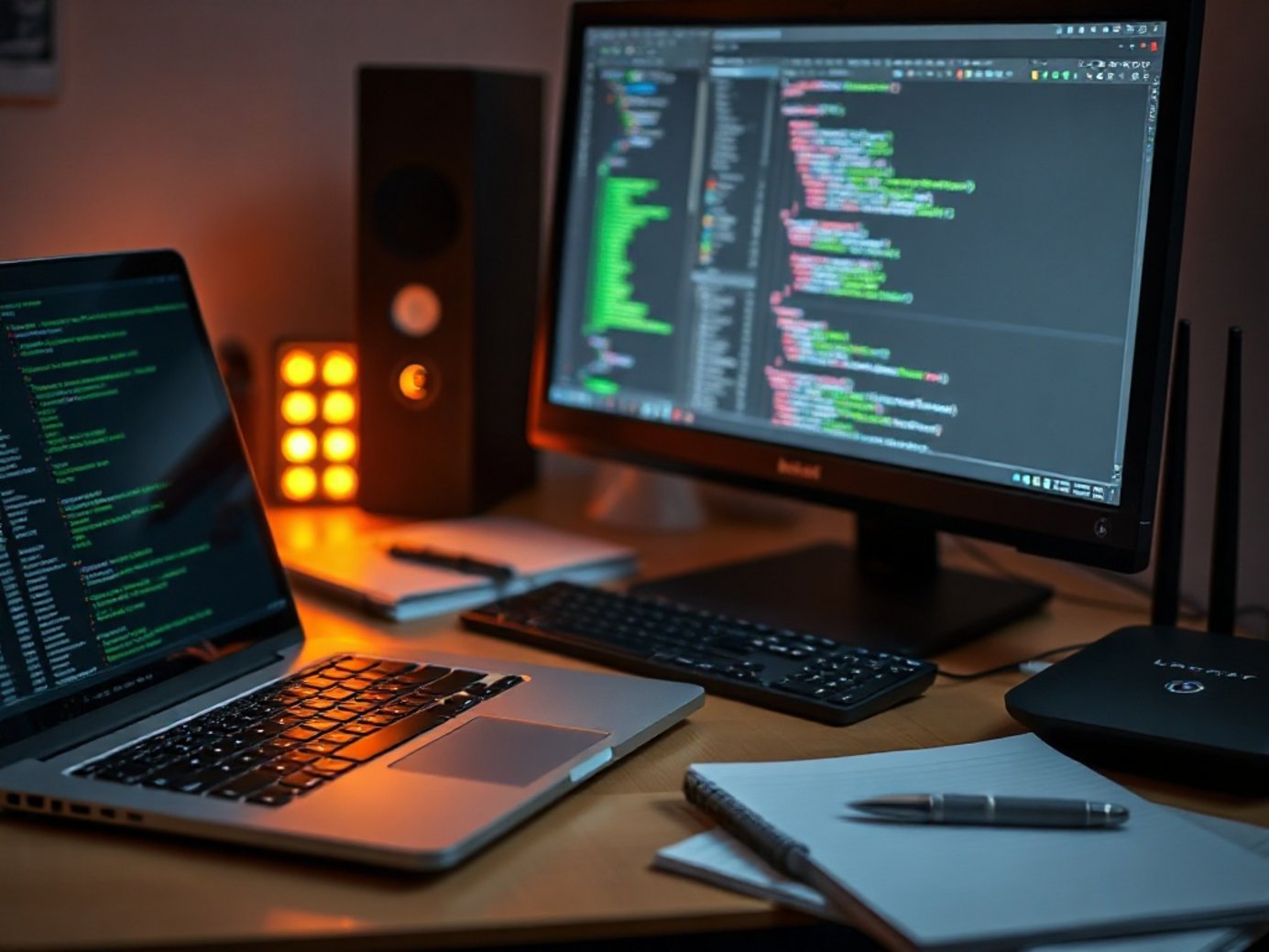
The notable point in this story is not a single technical incident, but the pressure AI products face as user numbers and task volumes grow rapidly. For marketing teams using AI to support automation, content creation, landing page testing, or chatbot development, platform stability is a critical factor: even a small disruption can affect campaign timelines or customer experience.
From a social media perspective, this incident is a reminder that brands should not rely entirely on a single AI tool. A safer approach is to design workflows with backup options, review outputs, and prepare alternative scenarios when a platform experiences errors or overload.
Source: Business Insider.
Google’s Gemini co-lead leaves the company to join OpenAI
MediaPost reports that Noam Shazeer, Google’s Vice President of Engineering and co-lead of Gemini at Google DeepMind, will leave Google to join OpenAI. Shazeer also confirmed the decision on X, saying he is excited about the new chapter but that it was not an easy choice, while expressing pride in what he and the team at Google have built.

For the tech market, this is a noteworthy move because it reflects the extremely high level of competition in the AI talent race. Top technical figures are valuable not only for their expertise, but also for their influence on product strategy, development speed, and market confidence in each platform.
For marketers, especially those closely following the AI ecosystem used for content creation, data, advertising, and customer service, senior talent shifts can be understood as a signal of the development priorities of these platforms. It also shows that the competition between OpenAI and Google is not only about newly launched products, but also about the ability to attract top minds to maintain long-term advantage.
Source: MediaPost.
AI is moving fast, but operations and talent remain sensitive
Together, these two stories show one thing: the AI ecosystem is moving very fast, but it is also highly sensitive to operational and personnel issues. For Vietnamese businesses, the important thing is not to chase every new tool immediately, but to build AI application capabilities in a sustainable, controlled way that fits business goals.
In practice, marketing teams should note three points. First, do not let content workflows depend absolutely on a single AI platform. Second, when applying AI to social media, clear moderation standards are needed to avoid misinformation or inconsistent content. Third, it is worth tracking the personnel and product moves of major platforms, as these are often early signs of where the technology is heading over the next 6–12 months.
In short, shifts like Codex temporarily erroring and then stabilizing again, or key Gemini personnel moving to OpenAI, are reminders that the AI game is still open. Those who understand this movement early will have an advantage in content creation, operational optimization, and improving digital communications effectiveness.
See more marketing news and guides at https://marketing365.vn.
Read more articles in the same category Digital Trends.
This article focuses on OpenAI Codex with a perspective for the Vietnamese market.
References
- Good news, vibe coders: OpenAI says Codex is back to normal after experiencing ‘elevated errors’
- Google VP Engineering, Gemini Co-Lead Leaves For OpenAI